
The Confidence Paradox: Even Scam-Aware Citizens Fall Victim
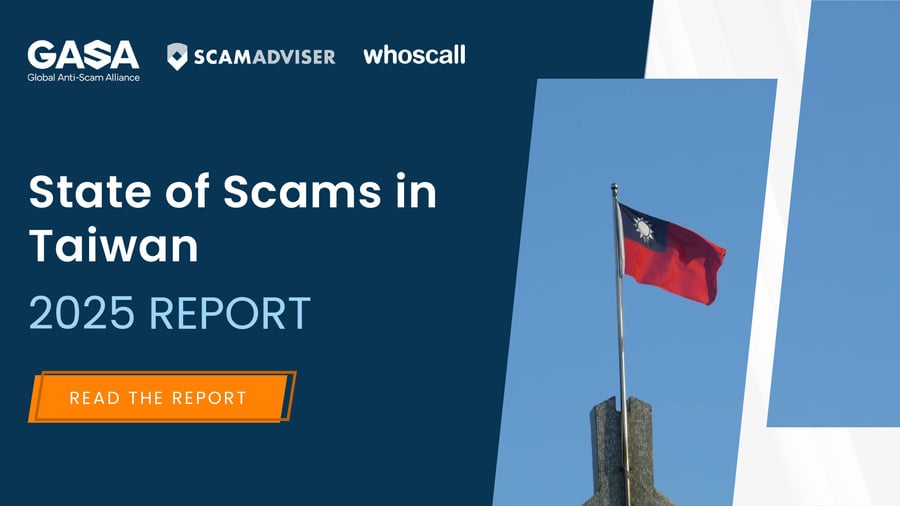
A comprehensive new study reveals a troubling paradox in Taiwan's digital security landscape: while 73% of adults express confidence in their ability to recognize scams, 65% of these same confident individuals still fell victim to fraud in the past year. This confidence-reality gap highlights the increasingly sophisticated nature of modern scam operations targeting Taiwanese consumers.
Daily Digital Danger: 149 Scam Encounters Per Person Annually
Taiwanese adults face an average of 149 scam encounters per year—effectively one every two to three days—making Taiwan one of the most heavily targeted populations globally. The research, conducted by the Global Anti-Scam Alliance and Gogolook, surveyed 1,000 adults and reveals the relentless nature of fraud attempts across multiple channels.
Critical Detection Delays Provide Scammers Dangerous Advantage
A concerning 32% of scam victims take longer than a day to recognize fraudulent activity, with Generation Z and suburban residents particularly vulnerable to extended exposure. This detection delay provides scammers crucial time to extract funds and personal information before victims realize the deception.
Platform Vulnerability: Direct Messaging Creates Perfect Storm
The study identifies a critical security gap: 75% of scam attempts occur on platforms with direct messaging capabilities, with phone calls (50%) leading as the primary contact method, followed by email (37%) and social media (34%). Facebook and Instagram emerge as the most exploited platforms, accounting for 52% and 42% of platform-based scams respectively.
Recovery Success Despite Reporting Challenges
Despite widespread victimization, the data reveals encouraging recovery trends: 85% of financial victims reported scams to payment services, with 38% successfully recovering at least partial losses. Wire transfers (32%), cash payments (17%), and gift cards (17%) remain the preferred methods for scammers to extract funds.
Expectations vs. Reality: Institutional Performance Gap
A significant disconnect exists between public expectations and institutional performance in scam prevention. While 26% of Taiwanese adults expect the government to lead anti-scam efforts, citizens rate banks and payment providers as most effective in actual prevention and resolution. This expectation-performance gap suggests the need for clearer role definition and improved cross-sector coordination.
Psychological Impact and Behavioral Changes
The human cost extends beyond financial losses: 52% of victims experienced significant stress, while 28% report increased vigilance as a lasting behavioral change. The psychological impact demonstrates how scams create ripple effects that alter digital behavior patterns across Taiwanese society.
Public Demands Severe Consequences
Reflecting public frustration with the scam epidemic, 37% of Taiwanese adults favor severe punishments for major scam crimes, including life imprisonment or capital punishment for perpetrators who steal an entire annual salary. This strong punitive sentiment indicates deep public concern about the current fraud environment.
Click here to access GASA’s complete The State of Scams in Taiwan 2025 report


BanCoppel joins the Global Anti-Scam Alliance to bolster fraud prevention and safeguard individuals entering the banking system.
BanCoppel has joined the Global Anti-Scam Alliance (GASA) as a Corporate Member of the GASA Mexico Chapter.

The emotions scammers exploit: how social engineering influences our decisions
How scammers use fear, urgency, excitement and trust to influence decisions, and how recognising these tactics can help people prevent fraud.

Global Anti-Scam Alliance Welcomes Mastercard as Founding Member of Its Mexico Chapter
The Global Anti-Scam Alliance (GASA) announces the membership of Mastercard as a Member of its Mexico Chapter.
What Uganda’s IVR Trial Shows About Practice-Based Scam Prevention
A Uganda IVR trial shows how practice-based fraud prevention helped mobile money users reduce losses and increase reporting.
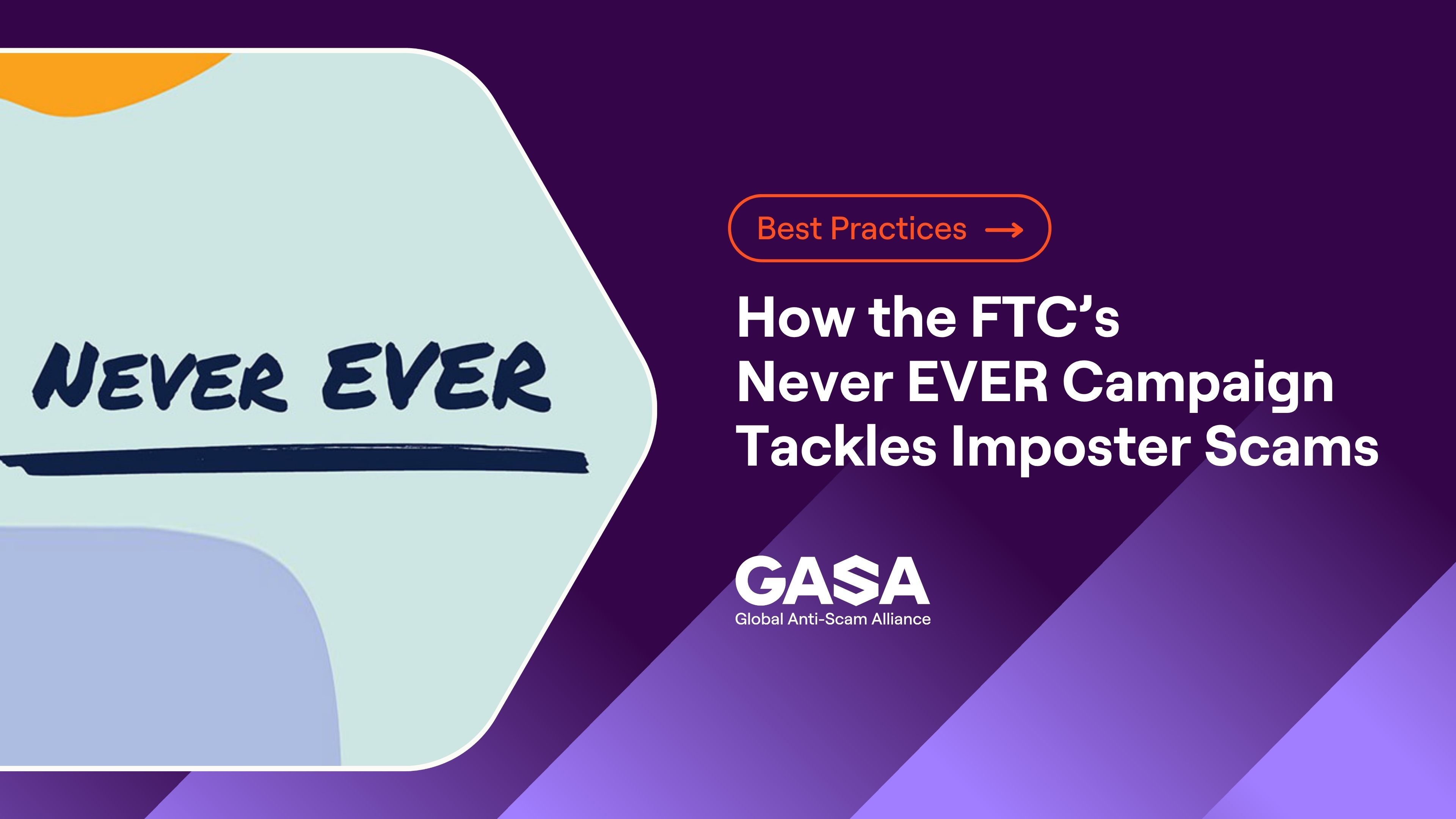
FTC’s Never EVER Campaign Helps Prevent Elder Financial Abuse With Simple, Specific Scam Warnings
The FTC’s Never EVER campaign uses simple, specific imposter scam warnings to help prevent elder financial abuse and support coordinated consumer education.
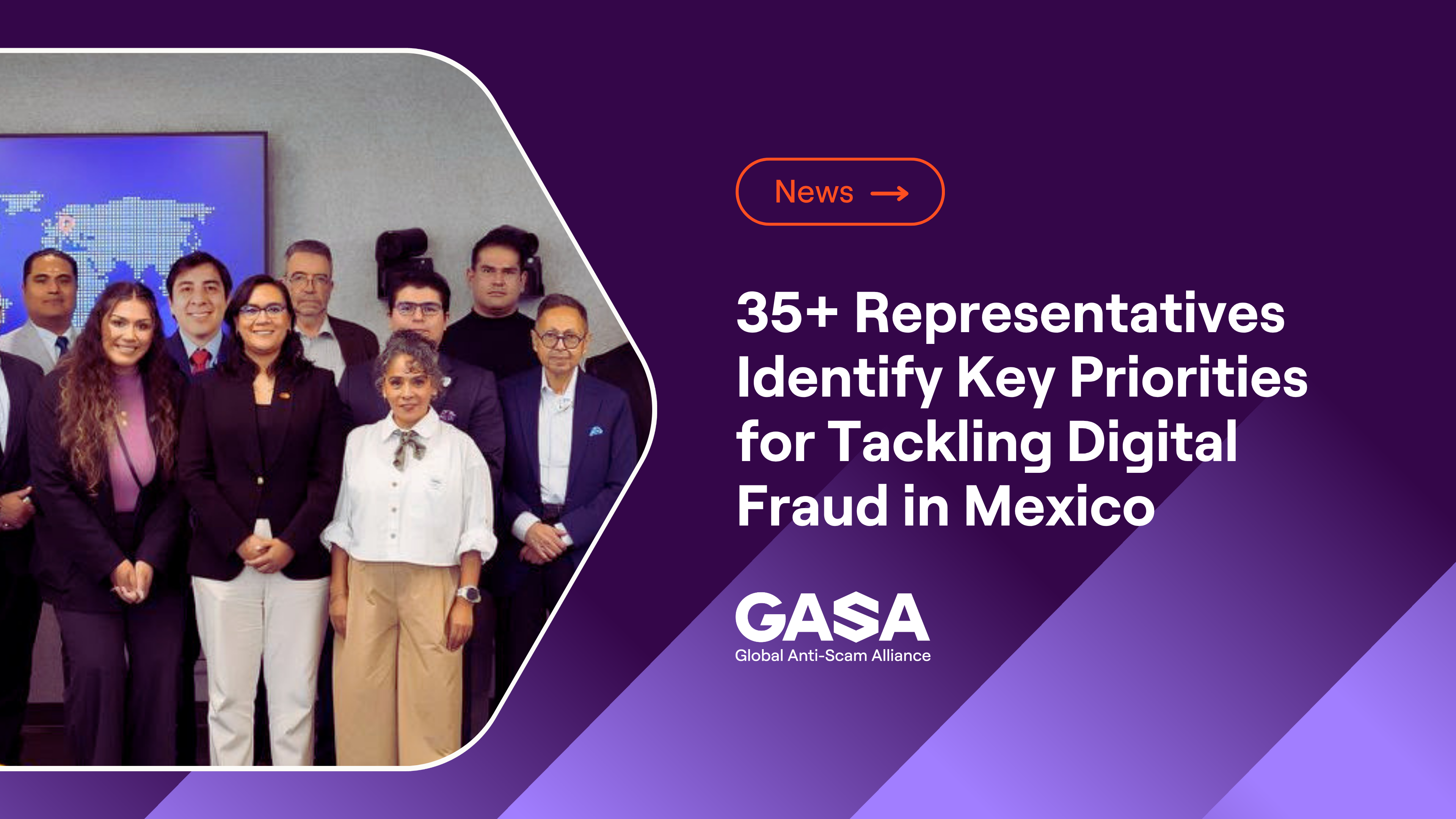
GASA Mexico's Second Roundtable Advances Coordinated Action Against Digital Fraud
GASA Mexico's second roundtable brought together more than 35 representatives to strengthen coordination across cybersecurity, fraud prevention and other sectors.

Cognyte Joins Global Anti-Scam Alliance to Fight Financial Fraud Threats
Cognyte, a global leader in investigative analytics software, today announced its membership in the Global Anti-Scam Alliance (GASA).

A network is beaten by a network: Mexico's banks move from remediation to prevention
GASA convened the ABM Fraud Committee and Mexican banks to advance the enriched agreement and strengthen coordinated fraud prevention across the sector.