
As payments technology evolves, so too do fraudsters. AI-driven fraud tactics are now targeting every stage of the payment transaction with scammers finding new plausible ways to cheat consumers. At Visa, we are able to monitor a whole variety of consumer scams, from social engineering to deep fakes enhanced by AI , and we work with the industry and deploy a range of solutions to address the concerns of the whole ecosystem.
Even the ‘Hi Mum’ scam has evolved since the emergence of generative AI mediums. From a plain ‘Hi Mum, can’t talk but need money’ text sent with urgency to voice notes and deep fake videos that add a layer of trust for the victim, we’re seeing such scams rising considerably as technology becomes more sophisticated. Fraudsters only need three seconds of someone’s voice, or 30 seconds of video, to clone it and use it for criminal purposes.
Combatting fraud with consumer education
Educating consumers is vital for combatting fraud and we recognise that we all have a collective responsibility to help consumers to keep themselves safe. One way in which we do this is by sharing advice, guidance and resources across our website and various digital channels. This collective responsibility also spreads across every industry, from telecommunications to banks and Big Tech. And given the speed of change – and the devasting impact these scams can have on consumers – we cannot wait for formal regulation alone to tackle the problem.
As a network helping to protect consumers’ payments, we are committed to tackling fraud to help everyone pay with confidence. Our state-of-the-art payment technology evaluates 500 unique characteristics for every single transaction in real-time, checking data from more than 4.6 billion card accounts to spot unusual activity and flag them to your bank. Online payments and password protection with Visa are secured by 3D-Secure, giving an extra layer of security to protect against unauthorised card use.
But we are not resting on our laurels: we are also working to ensure that the future of payments remains as secure as the existing ecosystem.
Building infrastructure that can detect and protect
In order to combat this evolving threat of fraud, it is imperative that we all continue to invest in fraud prevention measures, building and maintaining reliable and resilient technologies that work every minute of every day.
Worldwide, we have invested over $11 billion in technology, including to reduce fraud and enhance network security. We have over 1,000 full-time cybersecurity specialists across the world – including a dedicated team in Europe – working to protect our network by using neural networks to analyse petabytes of data.
At the same time, we have created Cybersecurity Fusion Centres on three continents, delivering 24x7x365 risk and cybersecurity monitoring, incident response and investigations, and threat intelligence capabilities. Last year, our 24x7 operations mitigated over $41B of fraud globally.
Using AI to fight fraud
AI is changing the world and while it brings with it an increased risk of fraud, it’s also transforming how we protect people too. We started making use of AI in our fraud models over thirty years ago, and in the last ten years, we have invested $3 billion alone in AI and data infrastructure, enabling us to power 100 different capabilities that use AI to protect our clients and customers.
To provide an example, Visa Advanced Authorisation (VAA) is a state-of-the-art tool that uses artificial intelligence to evaluate transactions on the Visa global payment network in real-time. It draws on data from 4.6 billion card accounts to help banks promptly identify and prevent fraud.
VAA analyses 303 billion transactions per year, all of them in about one millisecond and not only helps banks to stop fraud, but it also helps them approve legitimate purchases . More than 8,000 banks in 129 countries currently use VAA and it is a crucial part of our fraud defences, helping to prevent $30 billion in losses every year.
Fraud in the A2A space
Fraudsters are also now migrating to less mature payment forms, such as real-time account to account payments, as there are less fraud controls. That’s where Visa is stepping in to combat fraud in the A2A space. We are also deploying our Account-to-Account real-time capability, Visa Protect A2A, providing real-time solutions to combat fraud across all forms of payment. This new technology helps intercept suspected fraudulent transactions in real-time, stopping scams before the money ever leaves the victim’s bank account.
Our AI technology can analyse billions of transactions each year, generating a risk score indicating the likelihood of an account-to-account payment being part of fraudulent activity, helping banks protect their customers from falling victim to scammers. This all takes place within the blink of an eye, without any inconvenience to the speed and reliability of account-to-account payments.
This new AI-powered risk and fraud prevention service is part of Visa Protect, a broad suite of Visa Value-added services that have grown to nearly 250 products, spanning five high-demand categories: Acceptance, Advisory, Issuing, Open Banking, and Risk and Identity.
In December 2024, we also completed our acquisition of Featurespace, a developer of real-time artificial intelligence that prevents and mitigates payments fraud and financial crime risks. Featurespace’s capabilities will be added into our range of fraud prevention and risk-scoring offerings, enhancing security for its customers and consumers worldwide.
By combining our highly complementary fraud protection products and tools, we can help to keep businesses safe and secure, including real-time detection of sophisticated fraud attacks, without adding friction to the user experience.
Maintaining the integrity of the payments ecosystem
There can be no half measures when it comes to protecting the integrity of the payments ecosystem that millions rely on every day.
By constantly innovating, partnering, investing and harnessing our network and scale, we can ensure our clients are protected by the most advanced security products and services. Our uncompromising commitment to security has kept fraud at historic lows: less than 0.1% of transactions globally – among the lowest of all payment forms.
As members of GASA, we are excited to collaborate with other members, sharing our expertise to help ensure a safe and secure ecosystem for all. To that end, we are keen to continue building and strengthening relationships with all those committed to the fight against fraud, globally and look forward to the impactful work that can be accomplished with GASA.
Case studies, comparisons, statistics, research and recommendations are provided “AS IS” and intended for informational purposes only and should not be relied upon for operational, marketing, legal, technical, tax, financial or other advice. Visa Inc. neither makes any warranty or representation as to the completeness or accuracy of the information within this document, nor assumes any liability or responsibility that may result from reliance on such information. The Information contained herein is not intended as investment or legal advice, and readers are encouraged to seek the advice of a competent professional where such advice is required.
These materials and best practice recommendations are provided for informational purposes only and should not be relied upon for marketing, legal, regulatory or other advice. Recommended marketing materials should be independently evaluated in light of your specific business needs and any applicable laws and regulations. Visa is not responsible for your use of the marketing materials, best practice recommendations, or other information, including errors of any kind, contained in this document.
All brand names, logos and/or trademarks are the property of their respective owners, are used for identification purposes only, and do not necessarily imply product endorsement or affiliation with Visa


BanCoppel joins the Global Anti-Scam Alliance to bolster fraud prevention and safeguard individuals entering the banking system.
BanCoppel has joined the Global Anti-Scam Alliance (GASA) as a Corporate Member of the GASA Mexico Chapter.
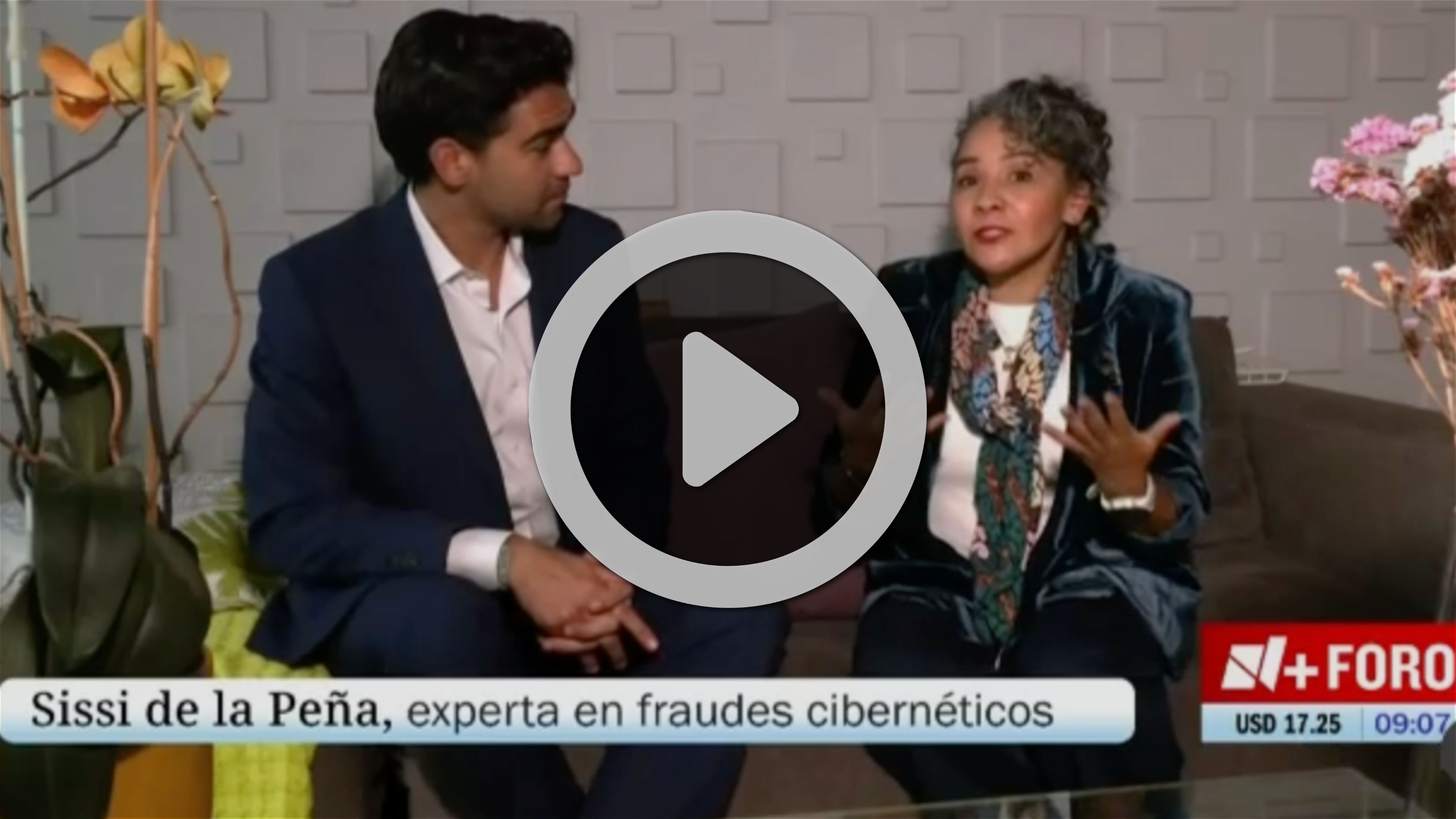
The emotions scammers exploit: how social engineering influences our decisions
How scammers use fear, urgency, excitement and trust to influence decisions, and how recognising these tactics can help people prevent fraud.

Global Anti-Scam Alliance Welcomes Mastercard as Founding Member of Its Mexico Chapter
The Global Anti-Scam Alliance (GASA) announces the membership of Mastercard as a Member of its Mexico Chapter.
What Uganda’s IVR Trial Shows About Practice-Based Scam Prevention
A Uganda IVR trial shows how practice-based fraud prevention helped mobile money users reduce losses and increase reporting.
FTC’s Never EVER Campaign Helps Prevent Elder Financial Abuse With Simple, Specific Scam Warnings
The FTC’s Never EVER campaign uses simple, specific imposter scam warnings to help prevent elder financial abuse and support coordinated consumer education.
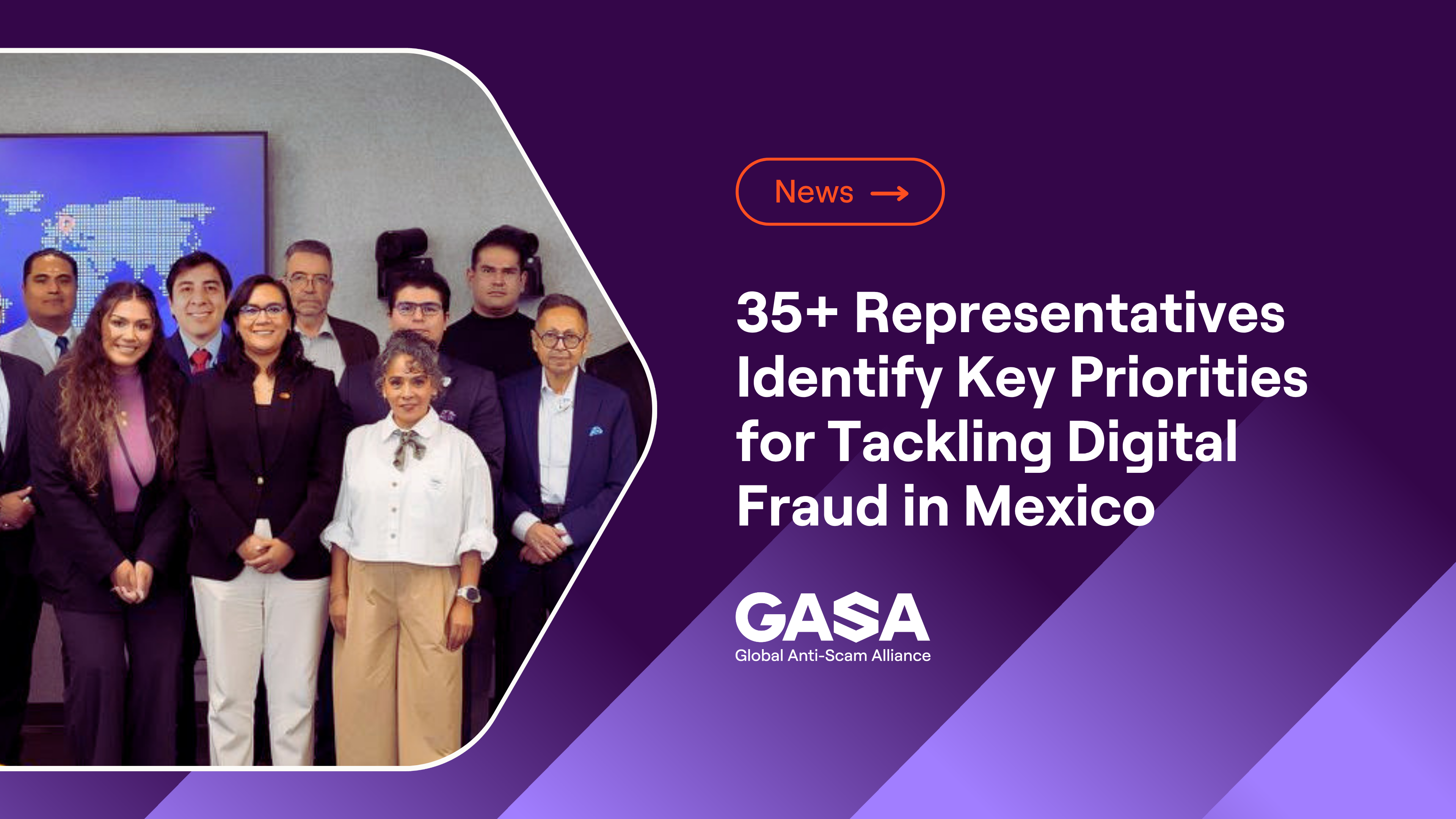
GASA Mexico's Second Roundtable Advances Coordinated Action Against Digital Fraud
GASA Mexico's second roundtable brought together more than 35 representatives to strengthen coordination across cybersecurity, fraud prevention and other sectors.
Cognyte Joins Global Anti-Scam Alliance to Fight Financial Fraud Threats
Cognyte, a global leader in investigative analytics software, today announced its membership in the Global Anti-Scam Alliance (GASA).
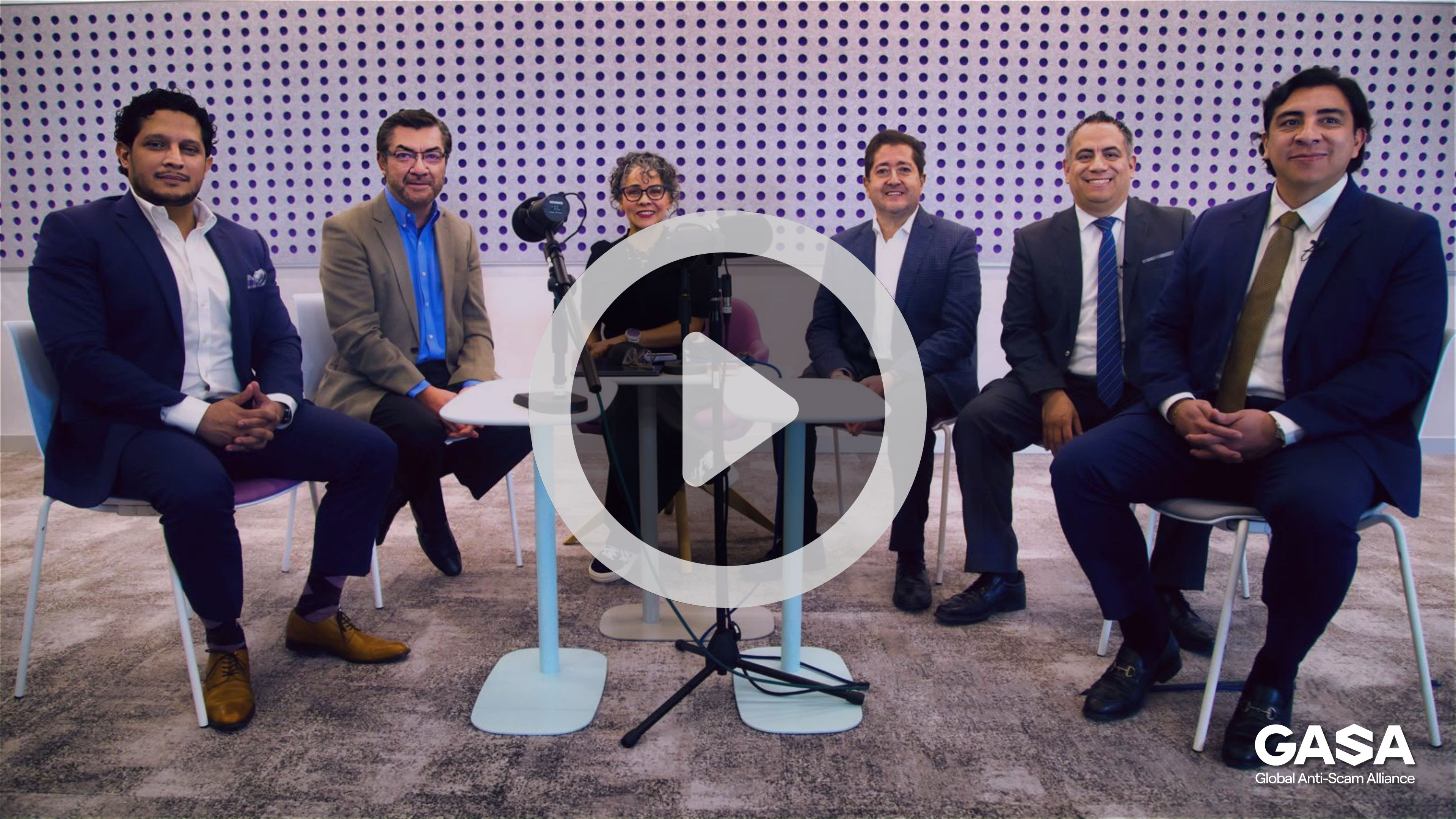
A network is beaten by a network: Mexico's banks move from remediation to prevention
GASA convened the ABM Fraud Committee and Mexican banks to advance the enriched agreement and strengthen coordinated fraud prevention across the sector.