
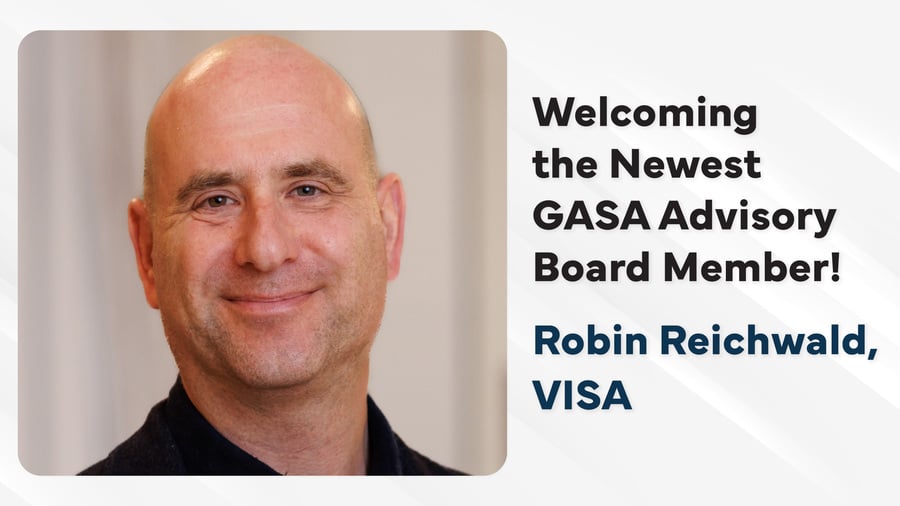
The Global Anti-Scam Alliance (GASA) is pleased to announce that Robin Reichwald, Head of Ecosystem Risk at Visa Europe , has joined its Advisory Board. This appointment comes as Visa upgraded its membership to Foundation Member , further strengthening its commitment to the global fight against scams.
Visa initially joined GASA in 2024 and has actively contributed to collaborative efforts addressing fraud prevention, intelligence sharing, and consumer protection. The upgrade to Foundation Membership provides Visa with expanded access to GASA’s member benefits and reinforces its role in supporting international cooperation.
Robin Reichwald brings extensive expertise in ecosystem risk and fraud disruption, leading Visa’s efforts in managing and mitigating risks across its ecosystem. His appointment to the Advisory Board highlights Visa’s dedication to cross-sector collaboration in combating financial crime.
Robin Reichwald shared, “We are delighted to have become a Foundation Member of the Global Anti-Scam Alliance (GASA). Since joining last year, we have been impressed with the conversations, insight and collaboration of our fellow members, as we all work together to prevent fraudulent behaviour and protect consumers all over the world.
By stepping up to Foundation Membership, we're looking forward to building on these relationships to step up the fight even further, and make sure that our collective efforts have a lasting and measurable impact. Together with our fellow members, we’re determined to strengthen defences against scams, champion transparency, and promote a safer digital and commercial environment for everyone.”
Jorij Abraham, Managing Director of GASA, shared, "Visa’s decision to become a Foundation Member sends a strong signal across industries that collaboration is key to stopping scams at scale. Their global reach and deep expertise in payments make them an invaluable partner in building a world where consumers can transact safely and confidently. We’re incredibly proud to have them at the forefront of our mission."
GASA welcomes Robin Reichwald to the Advisory Board and looks forward to working with Visa as a Foundation Member to advance efforts that protect consumers and disrupt scams worldwide.

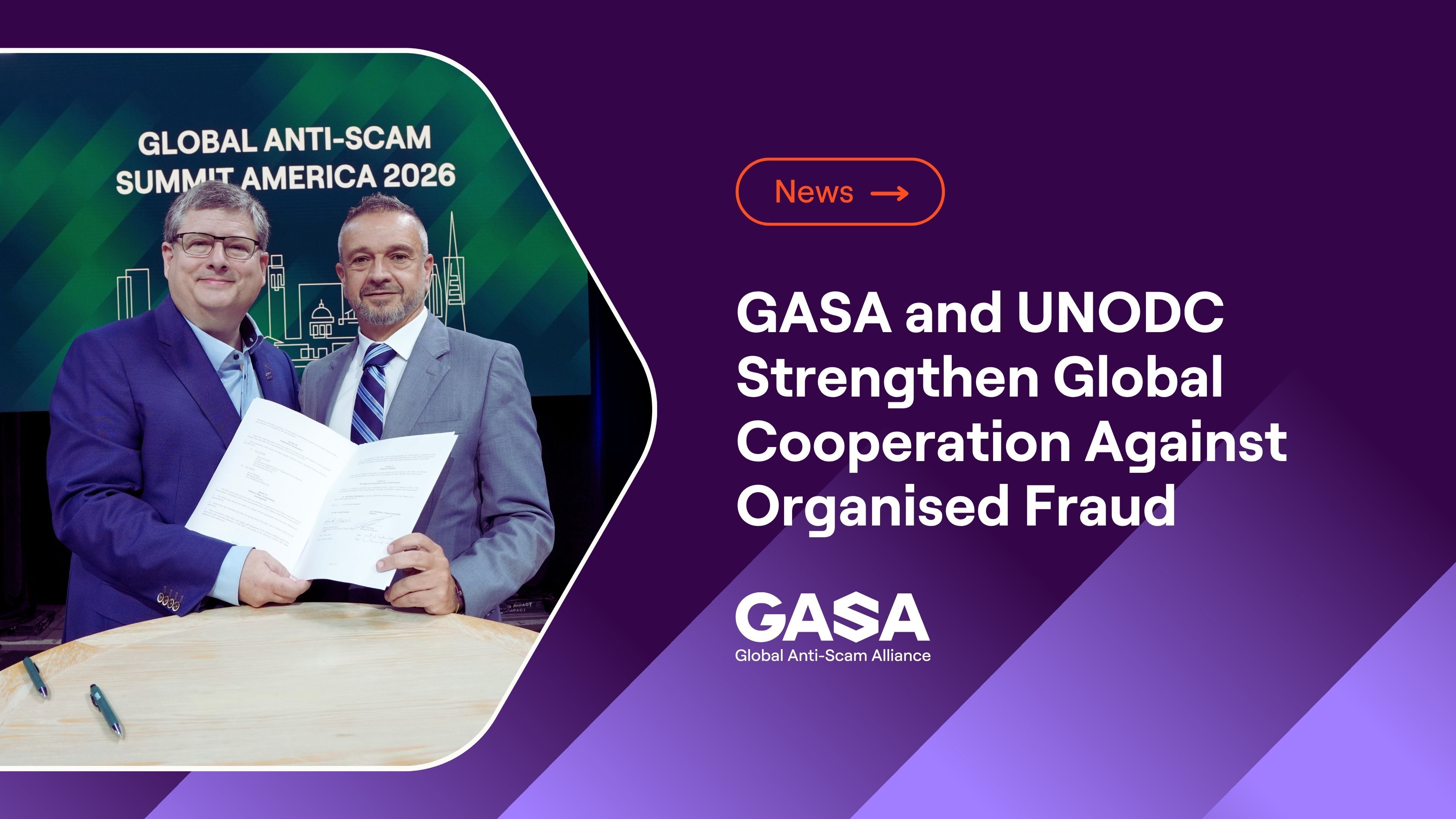
GASA and UNODC Partner to Strengthen Global Response to Organised Fraud
GASA and UNODC sign an MoU to strengthen international cooperation on fraud prevention, research, criminal justice responses and awareness.
Meet the Winners – Scam Fighter Awards at the Global Anti-Scam Summit America 2026
Meet the winners of the Scam Fighter Awards at the Global Anti-Scam Summit America 2026 and learn about their work in education, research, collaboration and technology.
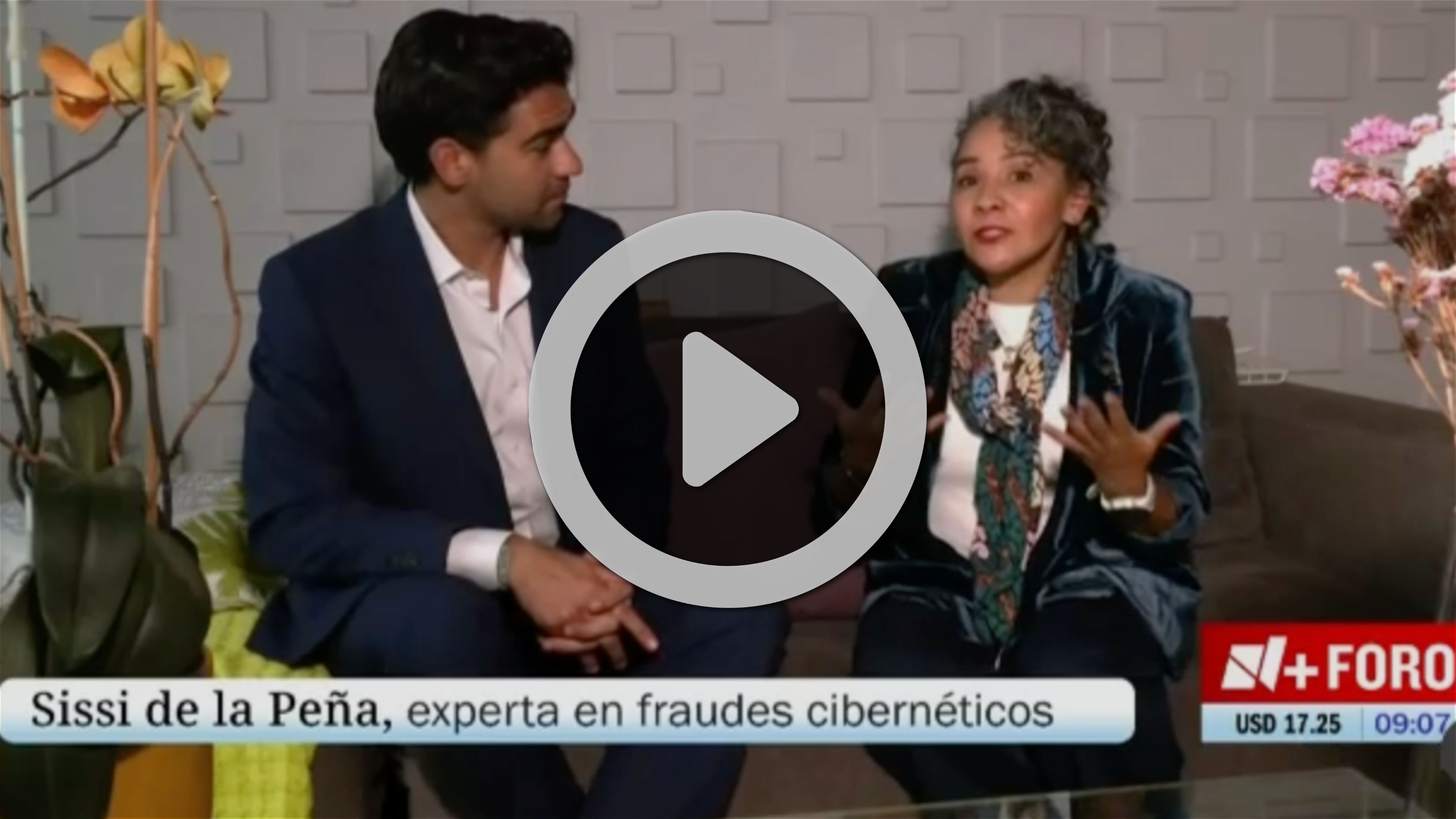
From Information Sharing to Intelligence Production: GASA Mexico in Forbes
Sissi de la Peña, Director of the GASA Mexico Chapter, examines in Forbes México what the U.S. memorandum on cyber operations against fraud networks means for the country.
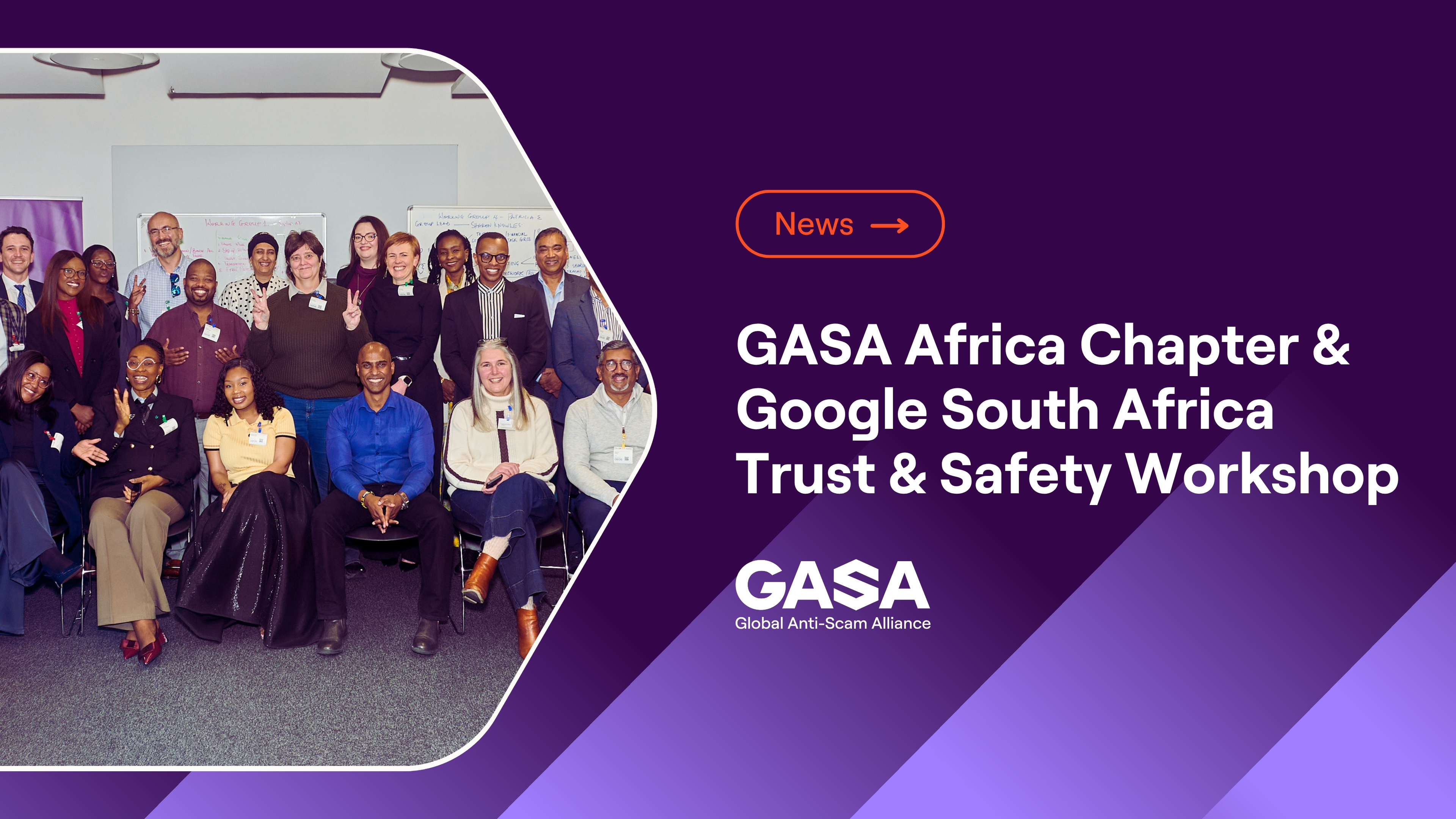
GASA and Google Trust & Safety Workshop Sets Priorities for Anti-Scam Cooperation Across Africa
GASA Africa Chapter and Google South Africa brought anti-fraud leaders together to strengthen cross-border cooperation and scam prevention.
Allstate Identity Protection Joins the Global Anti-Scam Alliance to Strengthen the Fight Against Scams and Identity Theft
Allstate Identity Protection has joined the Global Anti-Scam Alliance (GASA) as a Corporate Member within the North America Chapter.
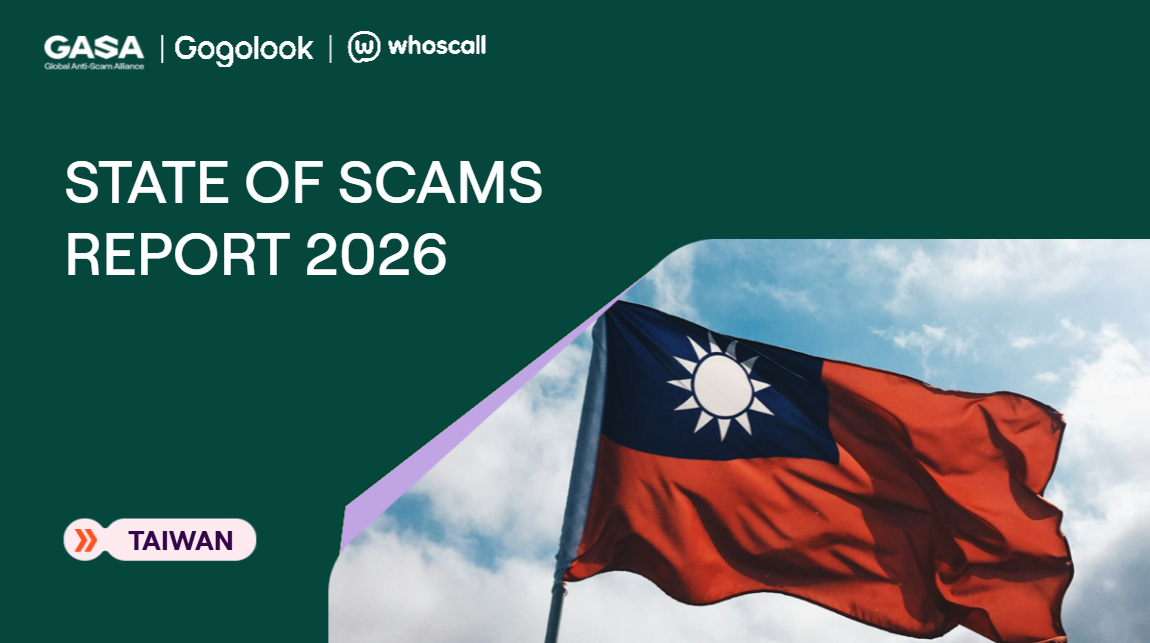
GASA and Whoscall Release 2026 Asia Scam Report – Taiwan
The 2026 Asia Scam Report – Taiwan, provides an in-depth look at scam exposure, channels, victim experiences, and scam awareness among people in Taiwan.

BanCoppel joins the Global Anti-Scam Alliance to bolster fraud prevention and safeguard individuals entering the banking system.
BanCoppel has joined the Global Anti-Scam Alliance (GASA) as a Corporate Member of the GASA Mexico Chapter.
The emotions scammers exploit: how social engineering influences our decisions
How scammers use fear, urgency, excitement and trust to influence decisions, and how recognising these tactics can help people prevent fraud.