
Date of Event: 26–27 March 2025
Event: Global Anti-Scam Summit London 2025
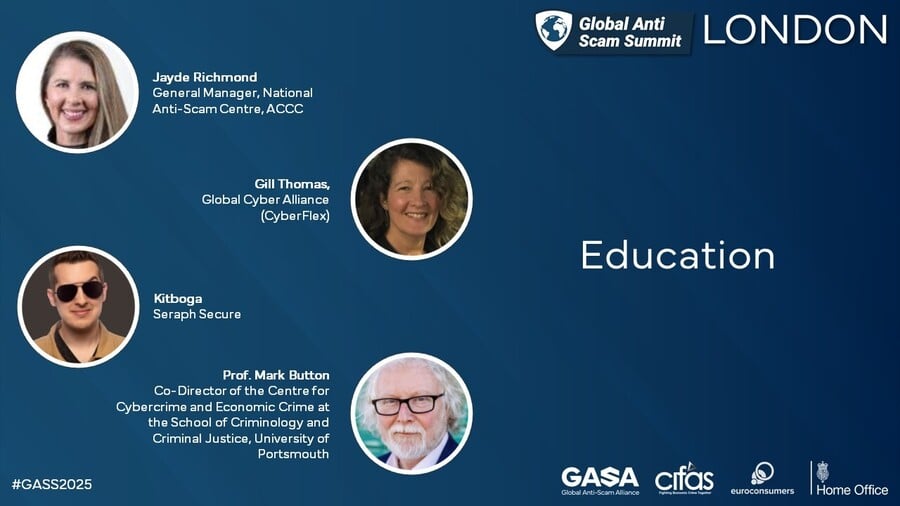
This session brought together experts across academia, advocacy, government, and the private sector to examine how education can drive scam prevention at scale.
Lynette Owens of Trend Micro opened the session by reflecting on new global data that reveals a worrying lack of preparedness among consumers. Few people report discussing scam threats like investment or romance fraud with family members, and this silence leaves many isolated when they fall victim. She argued that breaking this silence through normalising conversations and delivering relatable education is a first step to resilience.
The panel included Jade Richmond of the Australian National Anti-Scam Centre, Gill Thomas from the Global Cyber Alliance, Kitboga from Seraph Secure, and Professor Mark Button from the University of Portsmouth. Each panellist outlined what has worked in their efforts to engage different audiences—from peer-led support for older adults to immersive tools for younger people. Kitboga emphasised the role of humour and shareable content in opening up hard conversations, while Professor Button called for stronger evidence-based evaluations to identify what truly reduces victimisation.
Speakers agreed that prevention must be treated as a shared responsibility and that consistent funding, community partnerships, and cultural change are vital. They called on both governments and businesses to embed education in long-term strategy, with a focus on empowering action—not just awareness.

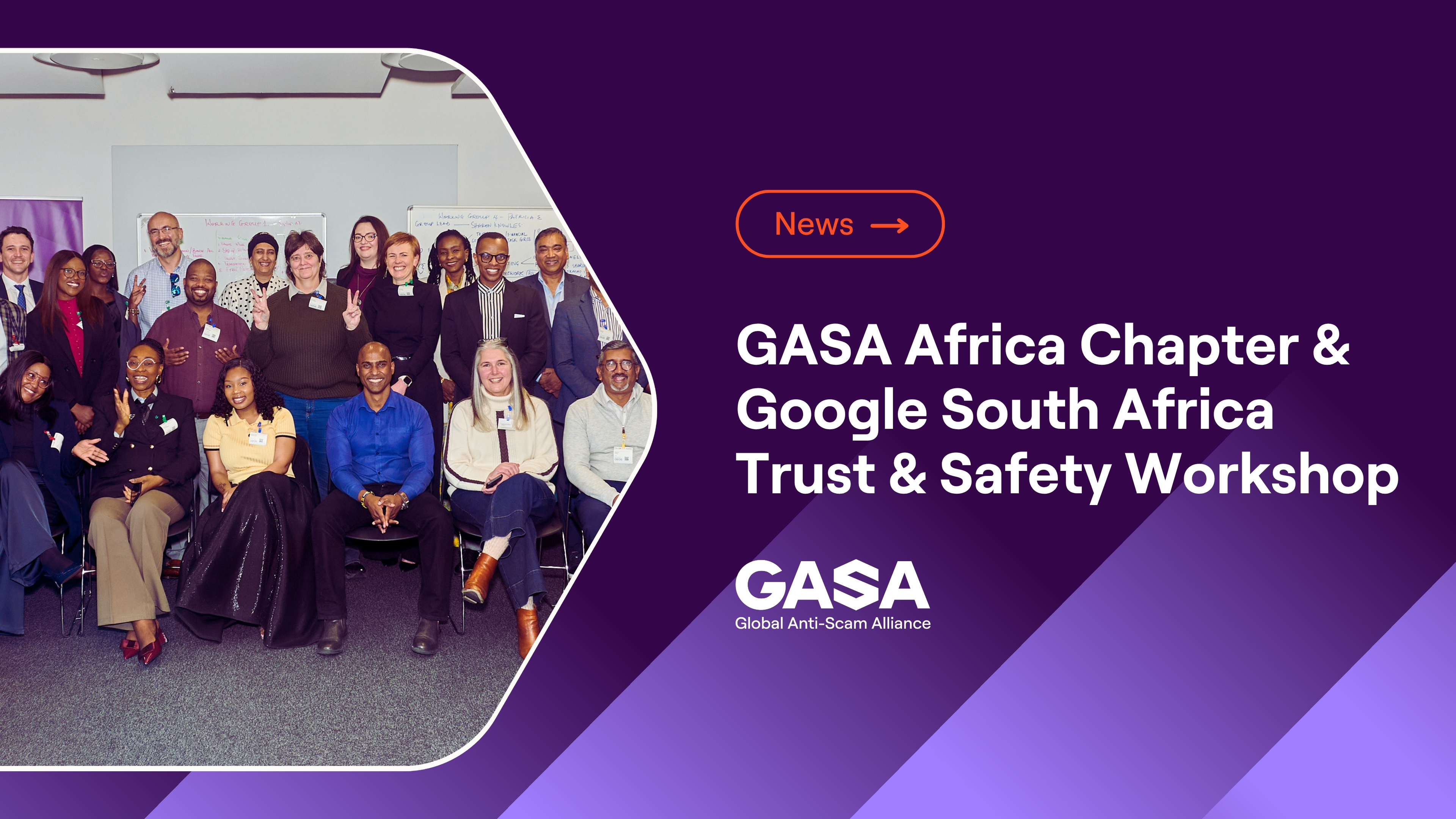
Accra Trust & Safety Workshop Turns Collaboration into Action Against Scams and Fraud in West Africa
GASA Africa Chapter and Google South Africa brought anti-fraud leaders together to strengthen cross-border cooperation and scam prevention.
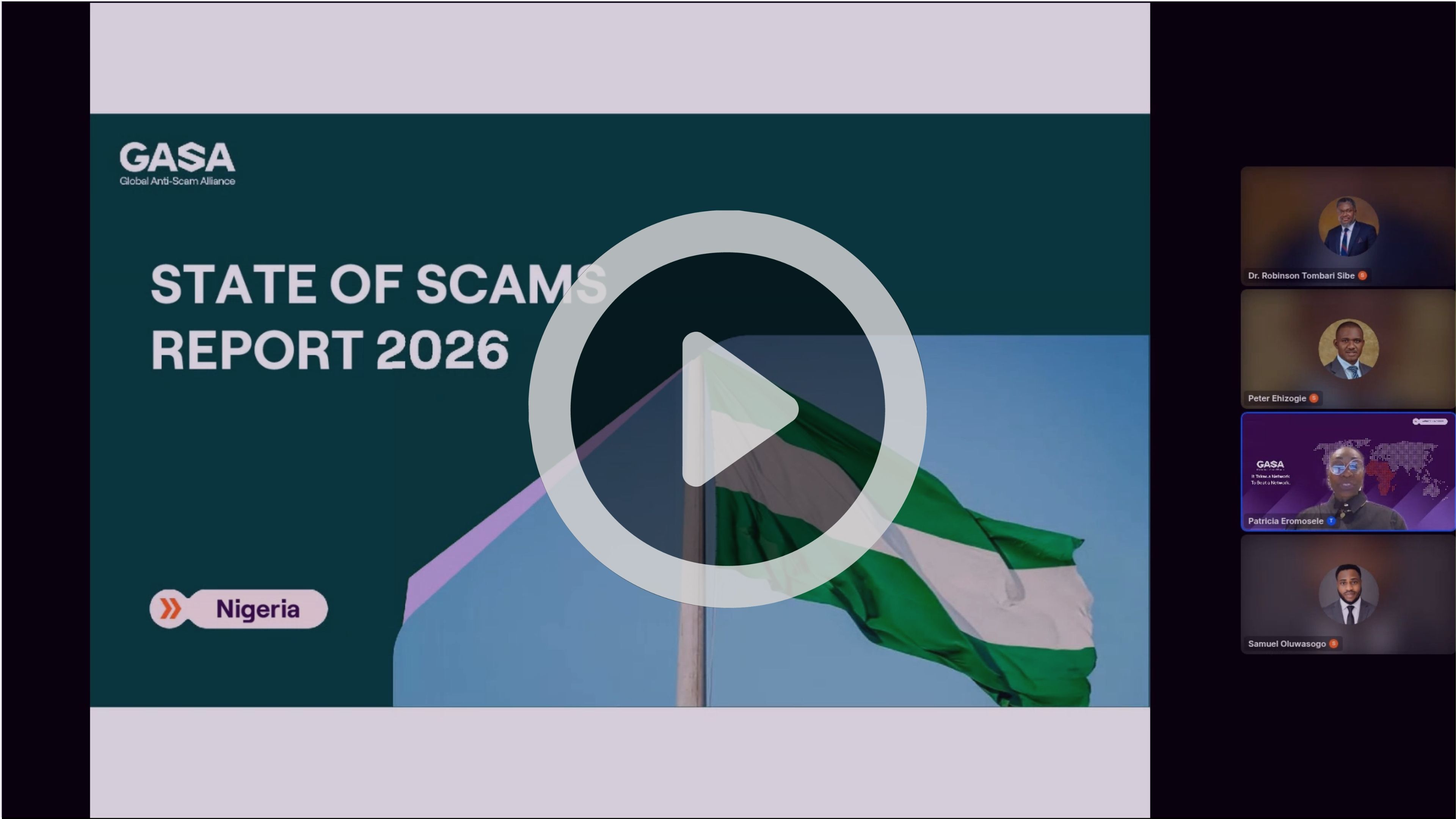
State of Scams in Nigeria 2026: A Comparative Review Across Africa
Nigerian experts examine scam trends, technology, consumer protection and the need for stronger cross-sector collaboration.
Nearly three in four Danish adults encountered scams as estimated losses reach DKK 10.1 billion
New State of Scams Denmark 2026 report finds scam exposure is rising, while victims face repeated financial and emotional harm.
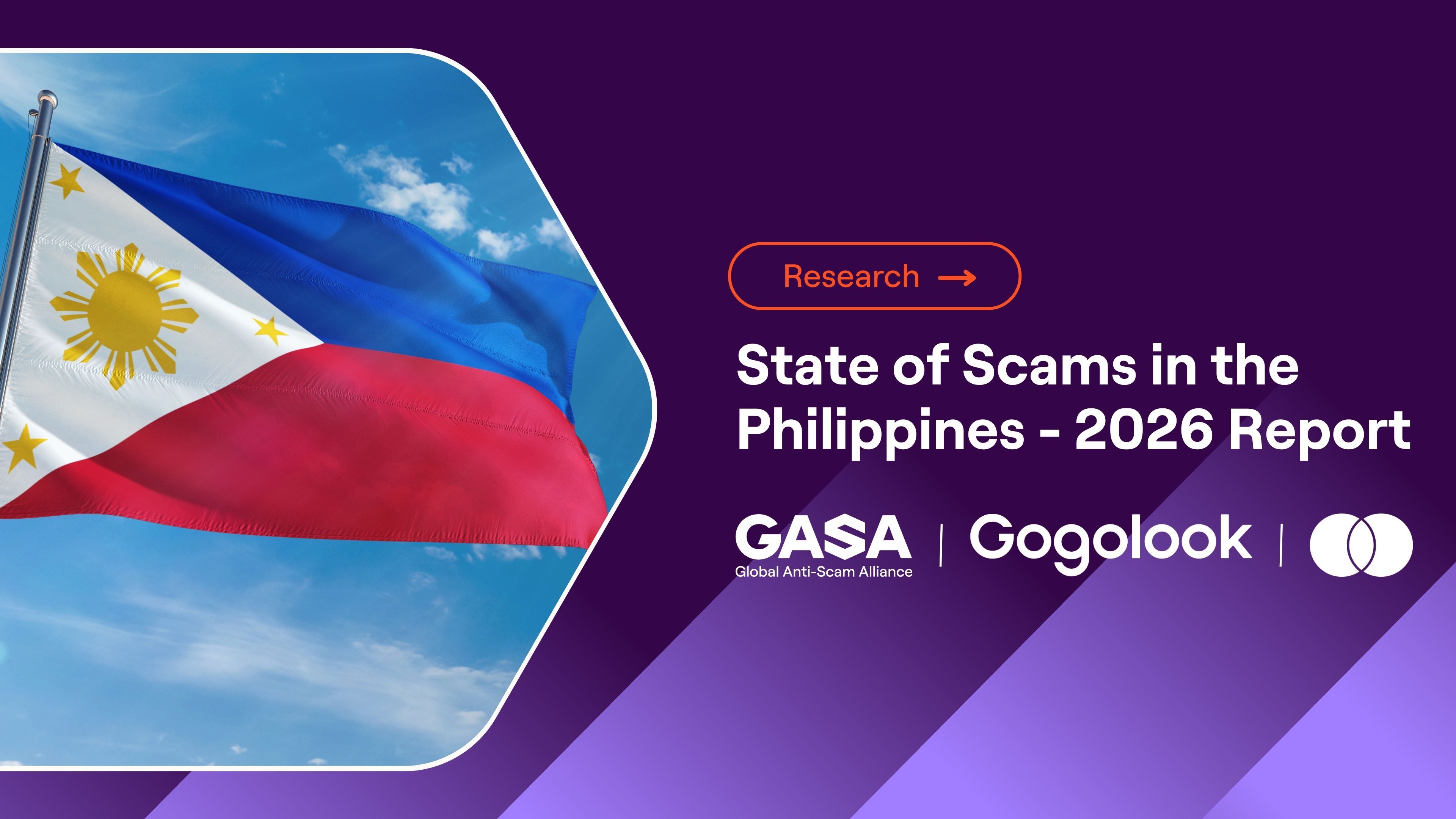
Building a More Trusted Digital Philippines: New Report Underscores the Need for Collective Action as Scam Exposure Continues to Rise
GASA’s State of Scams in the Philippines 2026 Report, in collaboration with Mastercard and Gogolook, highlights the growing scale of the scam challenge in the Philippines.
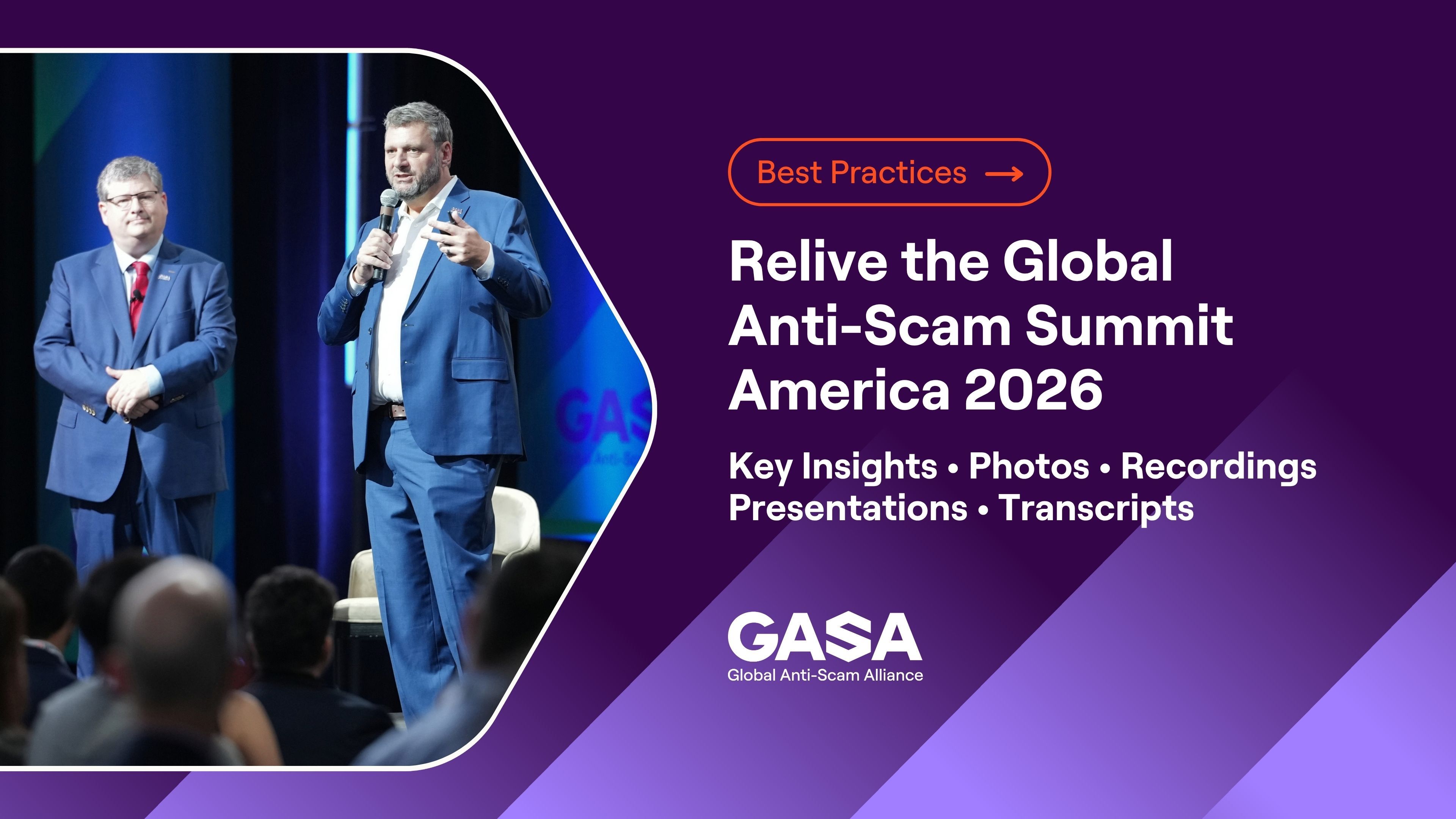
Global Anti-Scam Summit America 2026: Highlights, Insights and Resources
Explore GASS America 2026 highlights and insights, with the Summit summary, photos, presentation slides, transcripts and session recordings from San Francisco.
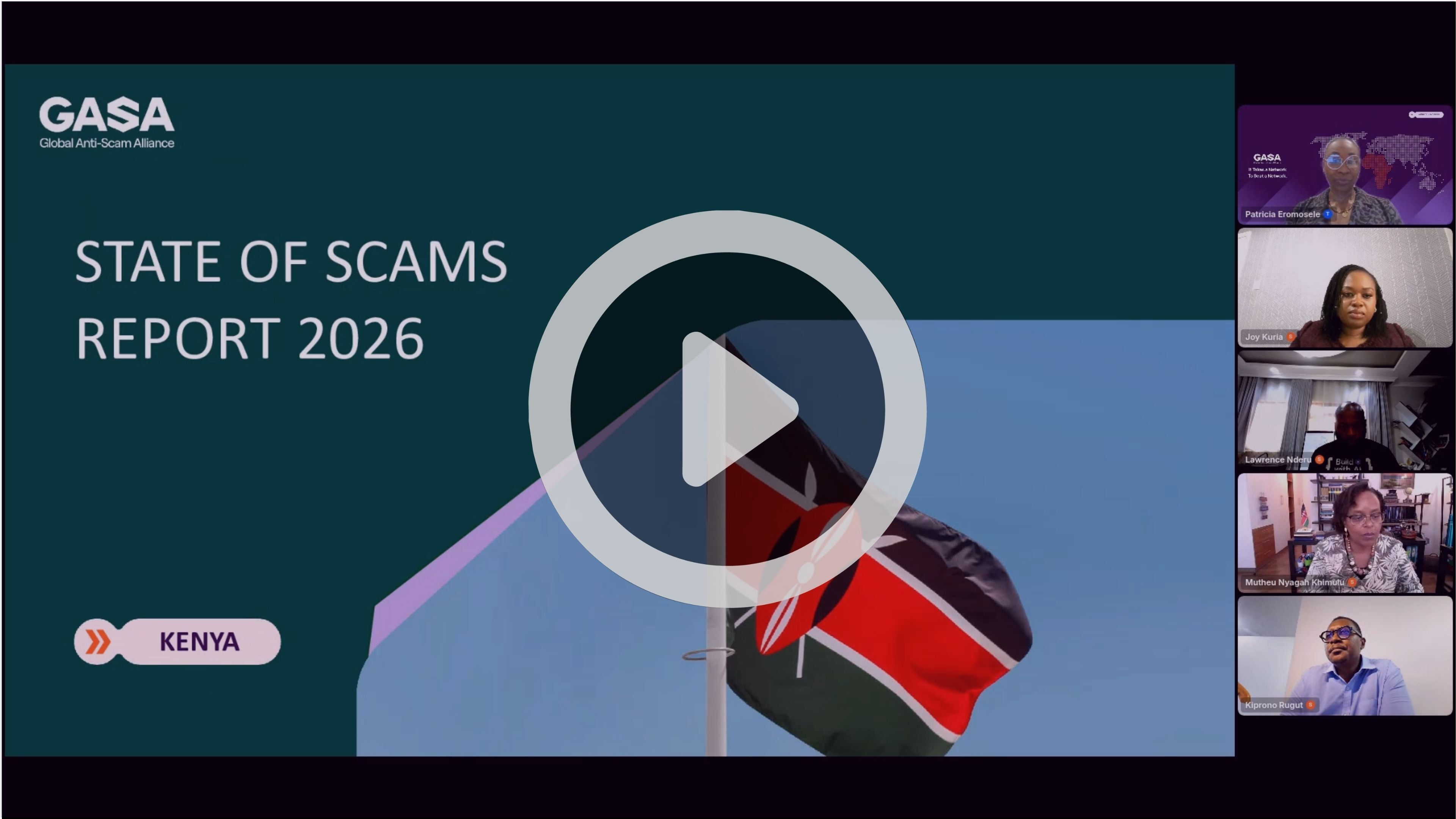
State of Scams in Kenya 2026: A Comparative Review Across Africa
Kenyan experts examine scam trends, data sharing, digital trust and the need for stronger cross-sector prevention.
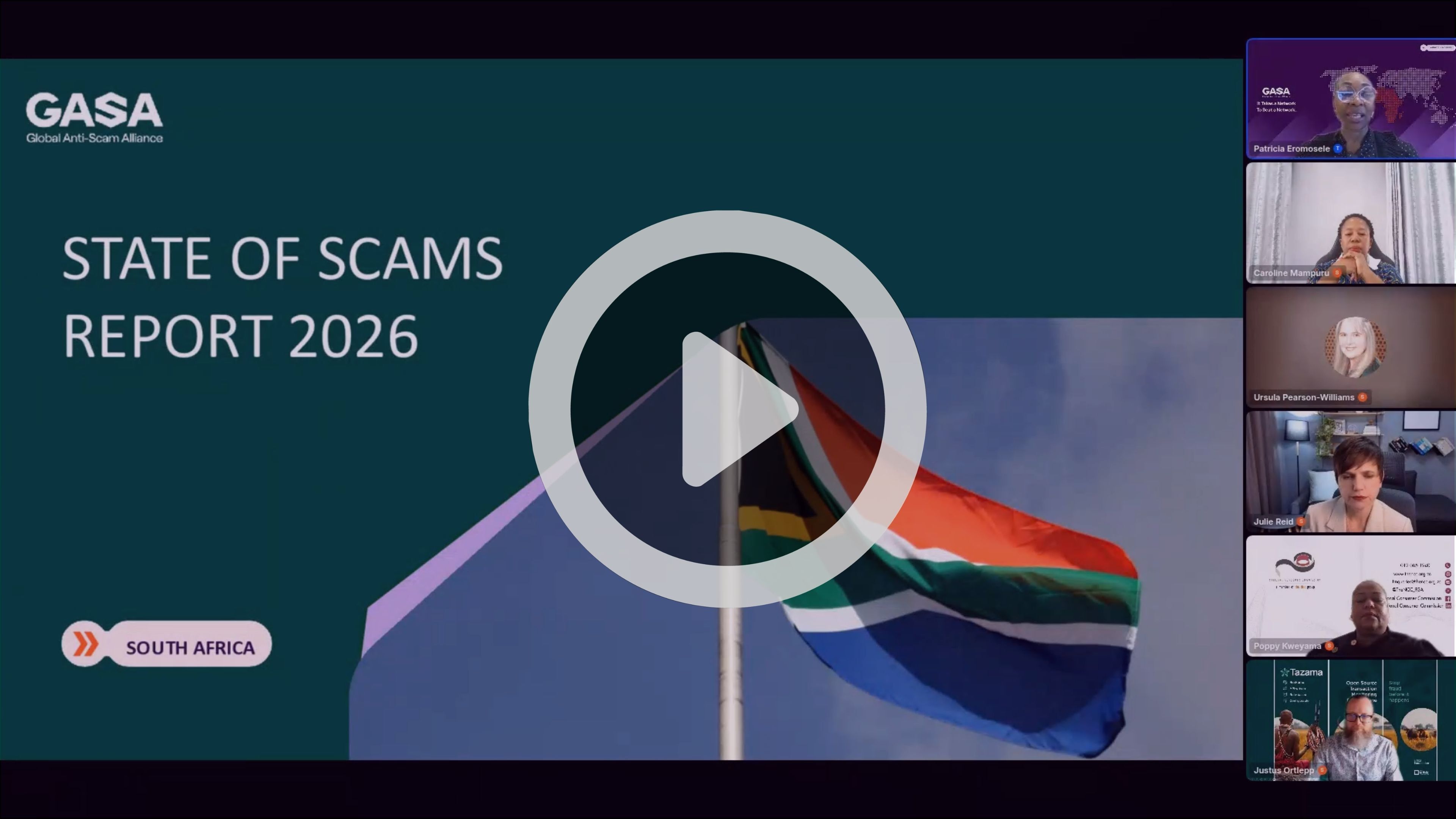
State of Scams in South Africa 2026: A Comparative Review Across Africa
South African experts examine scam trends, AI, consumer protection and the need for stronger cross-sector collaboration.
-3.jpg)
More than one in five adults in Japan encountered scams in the past year
New State of Scams Japan 2026 report examines how scams are reaching consumers and where stronger prevention and collaboration can make a difference