
A new study conducted among 6,000 adults across Southeast Asia reveals a sharp rise in scam exposure, with 63% of respondents claiming to have experienced a scam in the past 12 months. The findings highlight the growing speed, sophistication, and emotional toll of scams, especially in countries like Vietnam and Malaysia.
Fast-Acting Scams and Financial Losses
Scams are being executed rapidly, with two-thirds occurring within 24 hours of initial contact. While over one in five adults reported losing money, mainly through wire transfers (48%) and digital wallets (36%), only 22% were able to recover their losses even partially.
Alarmingly, 18% did not report the scam to anyone, particularly in Thailand (25%) and Malaysia (23%), citing reasons such as a perceived lack of importance or difficulty in reporting.
"Over the past decade, Southeast Asia has experienced remarkable economic growth, with a rising middle class and rapid urbanization fueling consumer affluence," BioCatch Global Advisory Director for Southeast Asia Subhashish Bose said.
"This consumer shift has triggered an aggressive expansion in digital banking and payments, offering consumers much-wanted accessibility, speed, and convenience. Unfortunately, it also increases their risk, as cybercriminals exploit the same connectivity and convenience that empowers retail customers."
Impact Beyond Finances
Scams are leaving more than just financial damage. Nearly two-thirds of victims reported high stress levels, and 44% said it impacted their mental wellbeing. However, over 50% claim to be more vigilant after the experience, suggesting increased awareness as a silver lining.
Widespread Exposure Across Communication Channels
The study found that 79% of adults were exposed to scams, with 11% encountering scams daily, a figure that climbs to nearly 20% in the Philippines. Scammers most commonly use phone calls (62%), SMS (56%), and instant messaging apps (49%). While 70% of those targeted reported the scams, only half recall any action being taken.
False Sense of Security and Ineffective Vigilance
Despite 78% expressing confidence in spotting scams, nearly two-thirds still fell victim, indicating a gap between confidence and effective vigilance. Most adults attempt to verify offers, but many rely on low-efficacy methods like the adage “if it seems too good to be true, it probably is” (32%) or checking for a phone number (30%).
Call to Action
“Scammers are evolving faster than our defences. With 63% of Southeast Asians falling victim in just one year, we’re facing a crisis that demands immediate, coordinated action. This is not just a personal issue, it’s a societal threat. Governments, tech companies, and financial institutions must come together to turn the tide, or we risk normalizing fraud as part of daily life,” said Jorij Abraham, CEO of the Global Anti Scam Alliance (GASA).
Boice Lin, Chief Business Officer of ScamAdviser shared, “In the past 12 months alone, scams have drained an estimated US$23.6 billion from Southeast Asians, with nearly one in four adults reporting financial losses. Scams are evolving rapidly, spanning calls, SMS, websites, and impersonation ads, and their impact on people’s lives is profound. Addressing these threats at the source is essential to strengthen protection for communities across Southeast Asia.”
The Global Anti Scam Alliance recognizes the important steps already being taken across the region and encourages continued collaboration to expand public awareness campaigns, strengthen fraud detection tools, and simplify reporting and recovery processes, ensuring better protection for all citizens.
Click here to access GASA’s complete The State of Scams in Southeast Asia 2025 report


BanCoppel joins the Global Anti-Scam Alliance to bolster fraud prevention and safeguard individuals entering the banking system.
BanCoppel has joined the Global Anti-Scam Alliance (GASA) as a Corporate Member of the GASA Mexico Chapter.
The emotions scammers exploit: how social engineering influences our decisions
How scammers use fear, urgency, excitement and trust to influence decisions, and how recognising these tactics can help people prevent fraud.

Global Anti-Scam Alliance Welcomes Mastercard as Founding Member of Its Mexico Chapter
The Global Anti-Scam Alliance (GASA) announces the membership of Mastercard as a Member of its Mexico Chapter.
What Uganda’s IVR Trial Shows About Practice-Based Scam Prevention
A Uganda IVR trial shows how practice-based fraud prevention helped mobile money users reduce losses and increase reporting.
FTC’s Never EVER Campaign Helps Prevent Elder Financial Abuse With Simple, Specific Scam Warnings
The FTC’s Never EVER campaign uses simple, specific imposter scam warnings to help prevent elder financial abuse and support coordinated consumer education.
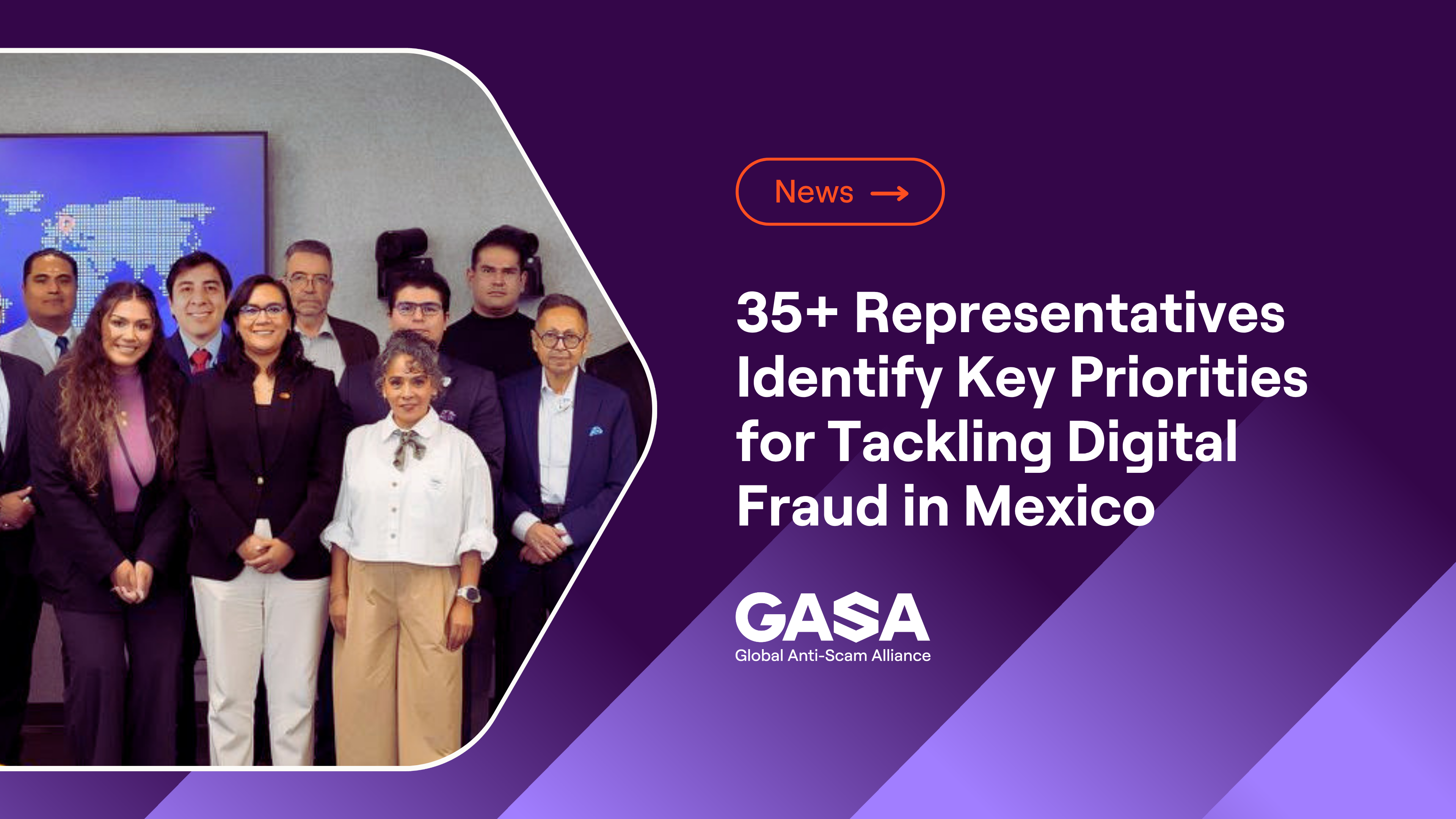
GASA Mexico's Second Roundtable Advances Coordinated Action Against Digital Fraud
GASA Mexico's second roundtable brought together more than 35 representatives to strengthen coordination across cybersecurity, fraud prevention and other sectors.

Cognyte Joins Global Anti-Scam Alliance to Fight Financial Fraud Threats
Cognyte, a global leader in investigative analytics software, today announced its membership in the Global Anti-Scam Alliance (GASA).
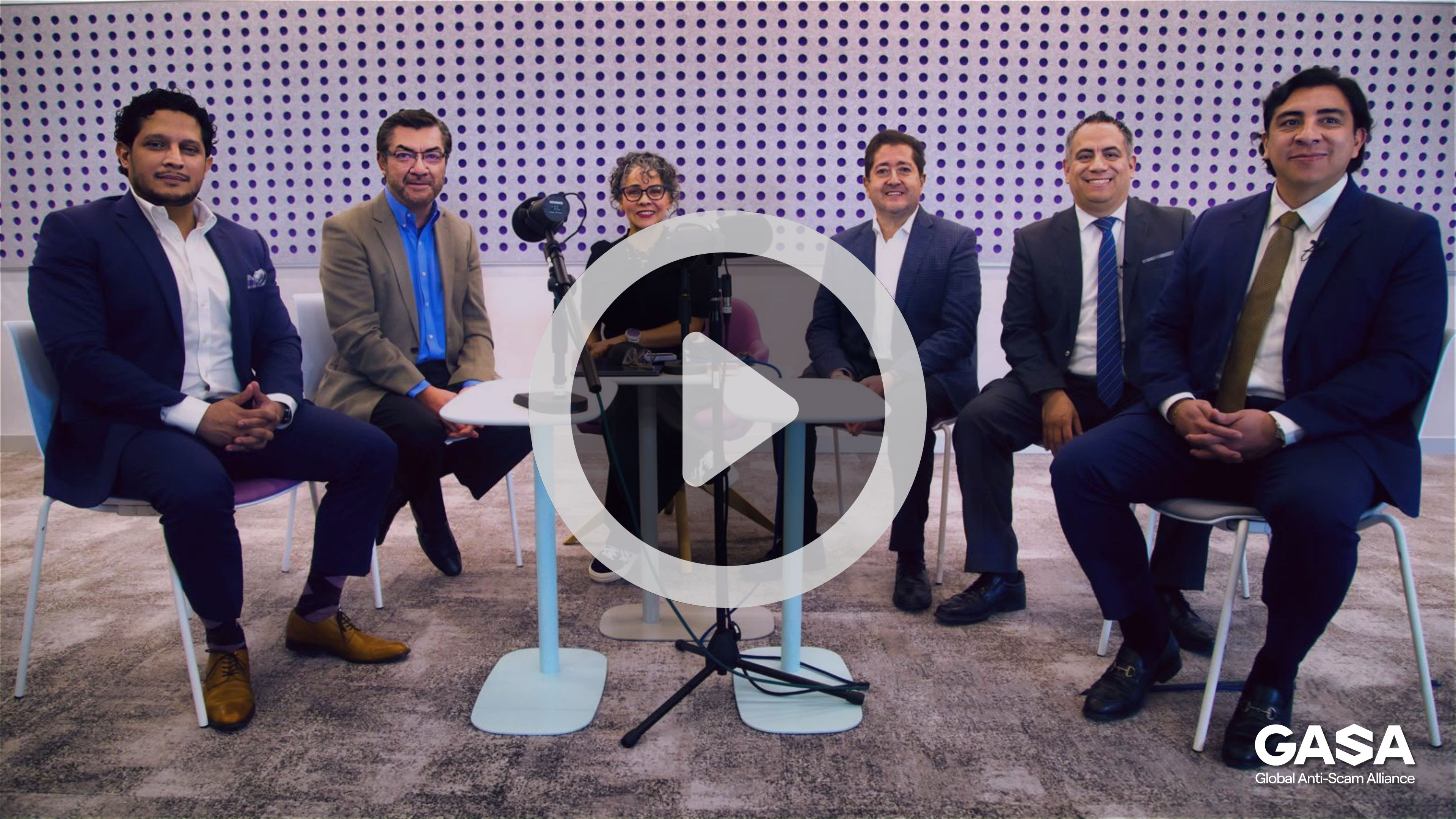
A network is beaten by a network: Mexico's banks move from remediation to prevention
GASA convened the ABM Fraud Committee and Mexican banks to advance the enriched agreement and strengthen coordinated fraud prevention across the sector.