

The U.S. Government has taken a significant step in addressing the growing threat of online fraud with the release of a new Executive Order titled Combating Cybercrime, Fraud, and Predatory Schemes Against American Citizens. The order formally recognises scams, referred to as “predatory schemes”, as a national priority and outlines a more coordinated, whole-of-government response.
Until now, federal anti-fraud efforts have been fragmented across agencies and focused primarily on financial crimes and cybersecurity. This Executive Order is the first to name scams, scam centres, and Transnational Criminal Organizations (TCOs) as a distinct national policy problem.
Senior officials across State, Treasury, Justice, Homeland Security, and Defense have been directed to submit an Action Plan outlining how the government will target transnational criminal organisations and improve coordination, including partnerships with the private sector.
The Attorney General has also been directed to prioritize the prosecution of cyber-enabled fraud, including scams and sextortion schemes. At the same time, the Department of Homeland Security, through CISA, will provide training and technical support to state and local partners.
The order also places emphasis on victim support and restitution. The Attorney General must provide recommendations for a Victims Restoration Program, enabling the return of seized or forfeited funds to victims.
Finally, the Executive Order introduces consequences for countries that tolerate or host scam operations targeting Americans, including potential diplomatic and economic measures.
While implementation details are still to be defined, the Executive Order establishes a clearer framework for coordination, enforcement, and victim support.
The GASA North America Chapter brings together several leading organizations across the region to address scams and fraud. Learn more about the chapter and membership.

FTC’s Never EVER Campaign Helps Prevent Elder Financial Abuse With Simple, Specific Scam Warnings
The FTC’s Never EVER campaign uses simple, specific imposter scam warnings to help prevent elder financial abuse and support coordinated consumer education.
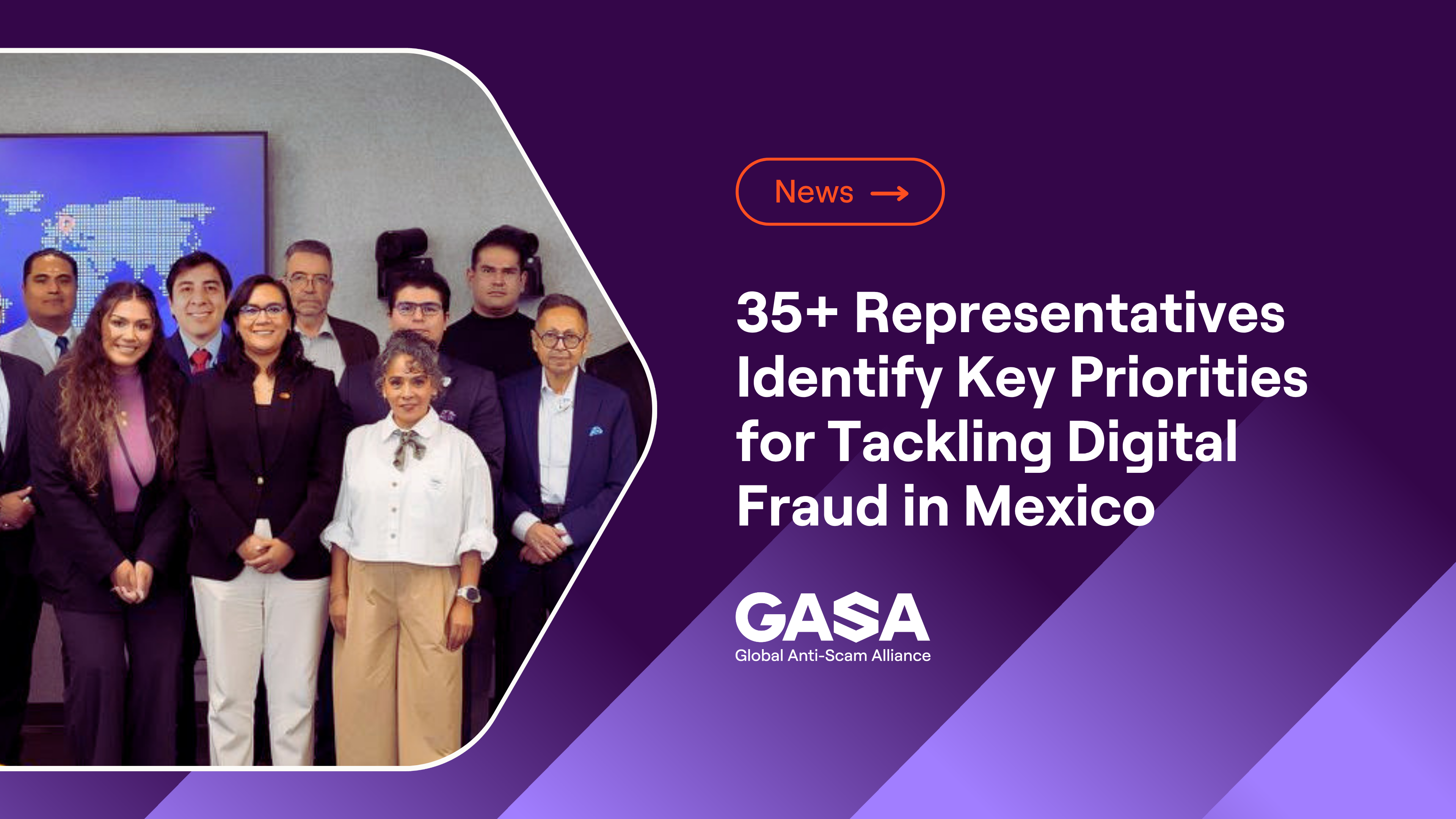
GASA Mexico's Second Roundtable Advances Coordinated Action Against Digital Fraud
GASA Mexico's second roundtable brought together more than 35 representatives to strengthen coordination across cybersecurity, fraud prevention and other sectors.

Cognyte Joins Global Anti-Scam Alliance to Fight Financial Fraud Threats
Cognyte, a global leader in investigative analytics software, today announced its membership in the Global Anti-Scam Alliance (GASA).
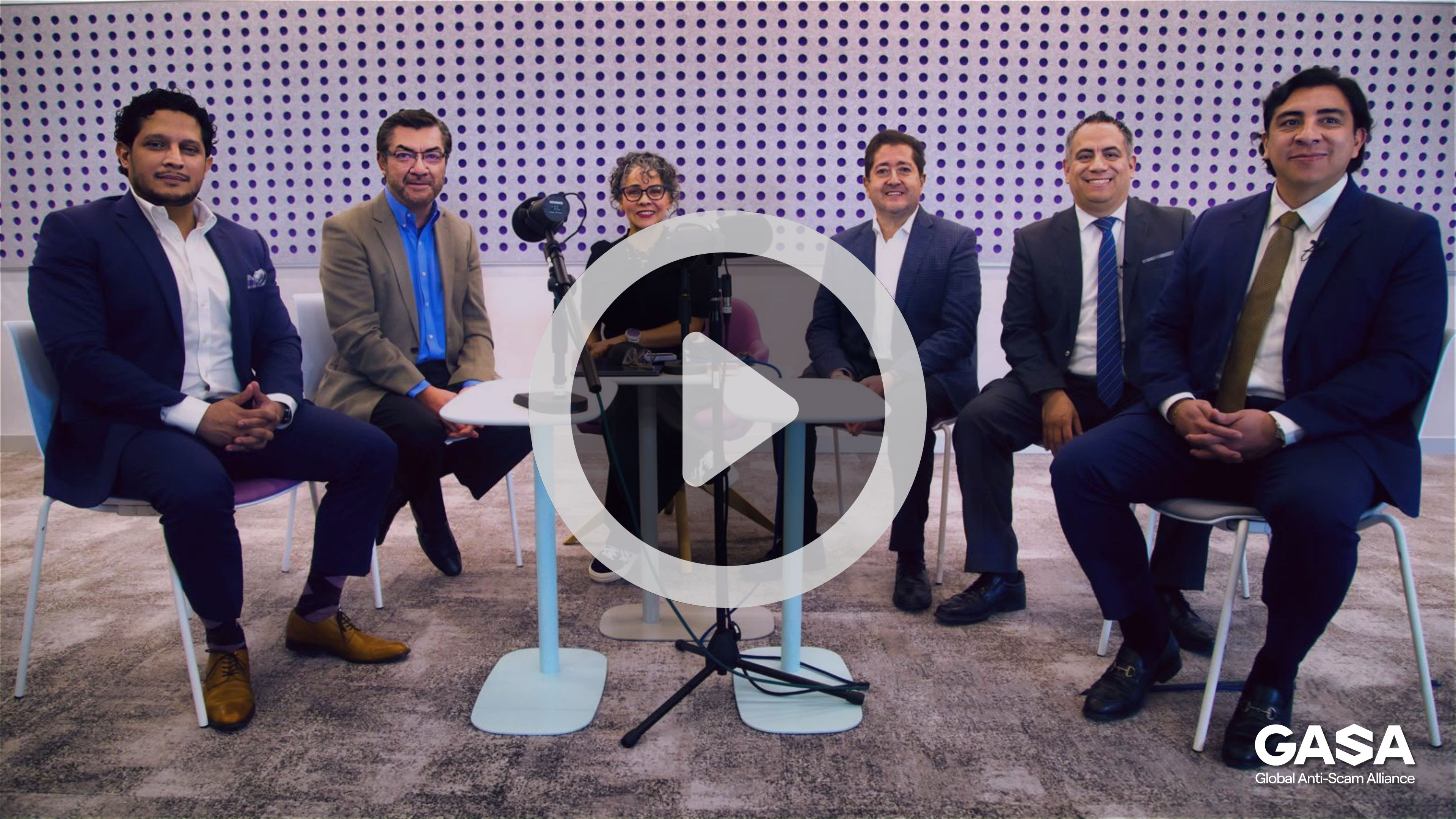
A network is beaten by a network: Mexico's banks move from remediation to prevention
GASA convened the ABM Fraud Committee and Mexican banks to advance the enriched agreement and strengthen coordinated fraud prevention across the sector.
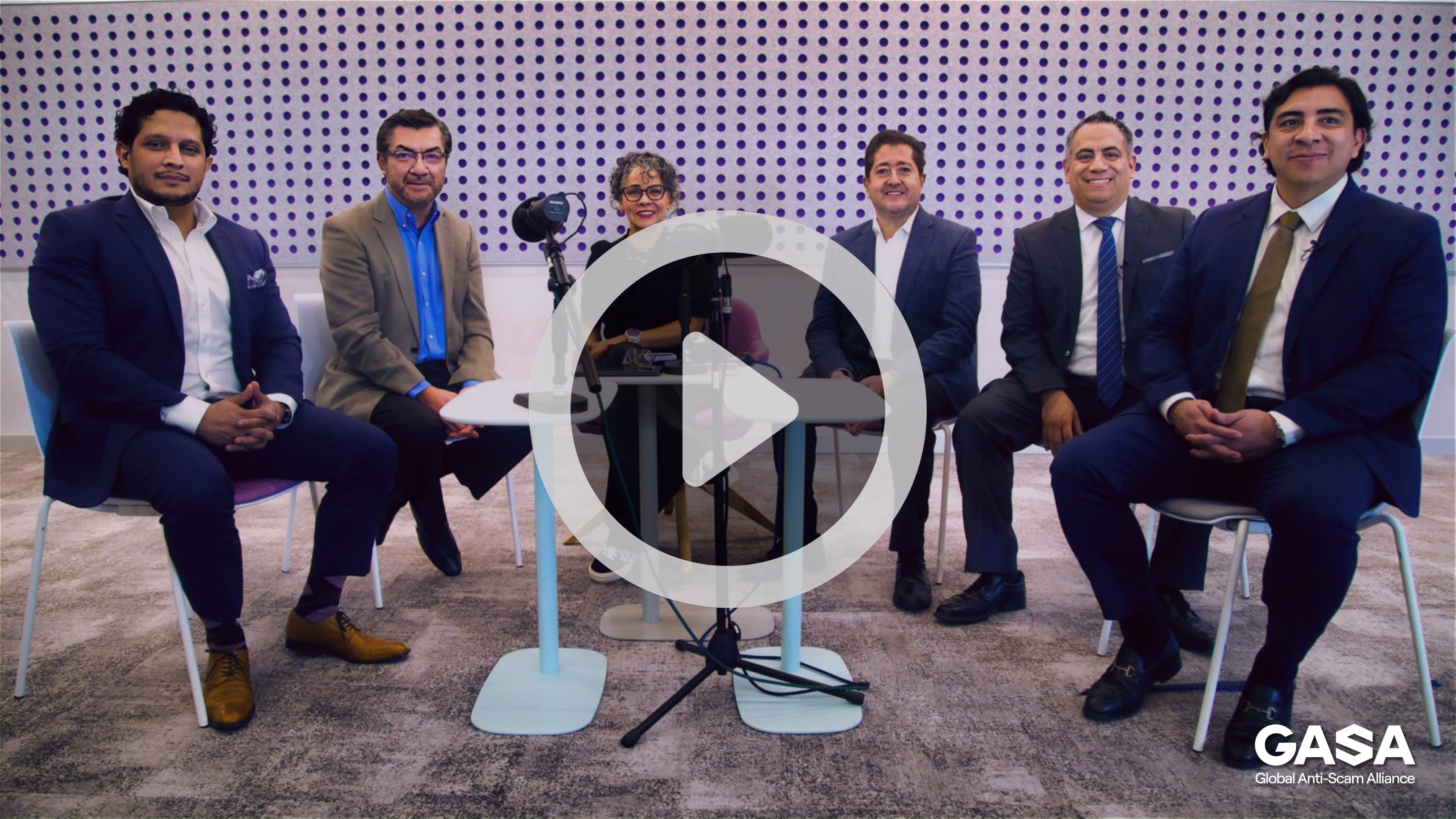
Una red se combate con una red: la banca mexicana avanza de la remediación a la prevención
GASA reunió al Comité de Fraudes de la ABM y a bancos mexicanos para avanzar el convenio enriquecido y fortalecer la prevención coordinada del fraude.
Appeals Centre Europe Report Points to Gaps in Social Media Scam Moderation
Appeals Centre Europe’s Transparency Report, covering April 2025 to March 2026, highlights early fraud and scam dispute findings relevant to social media moderation and scam prevention.
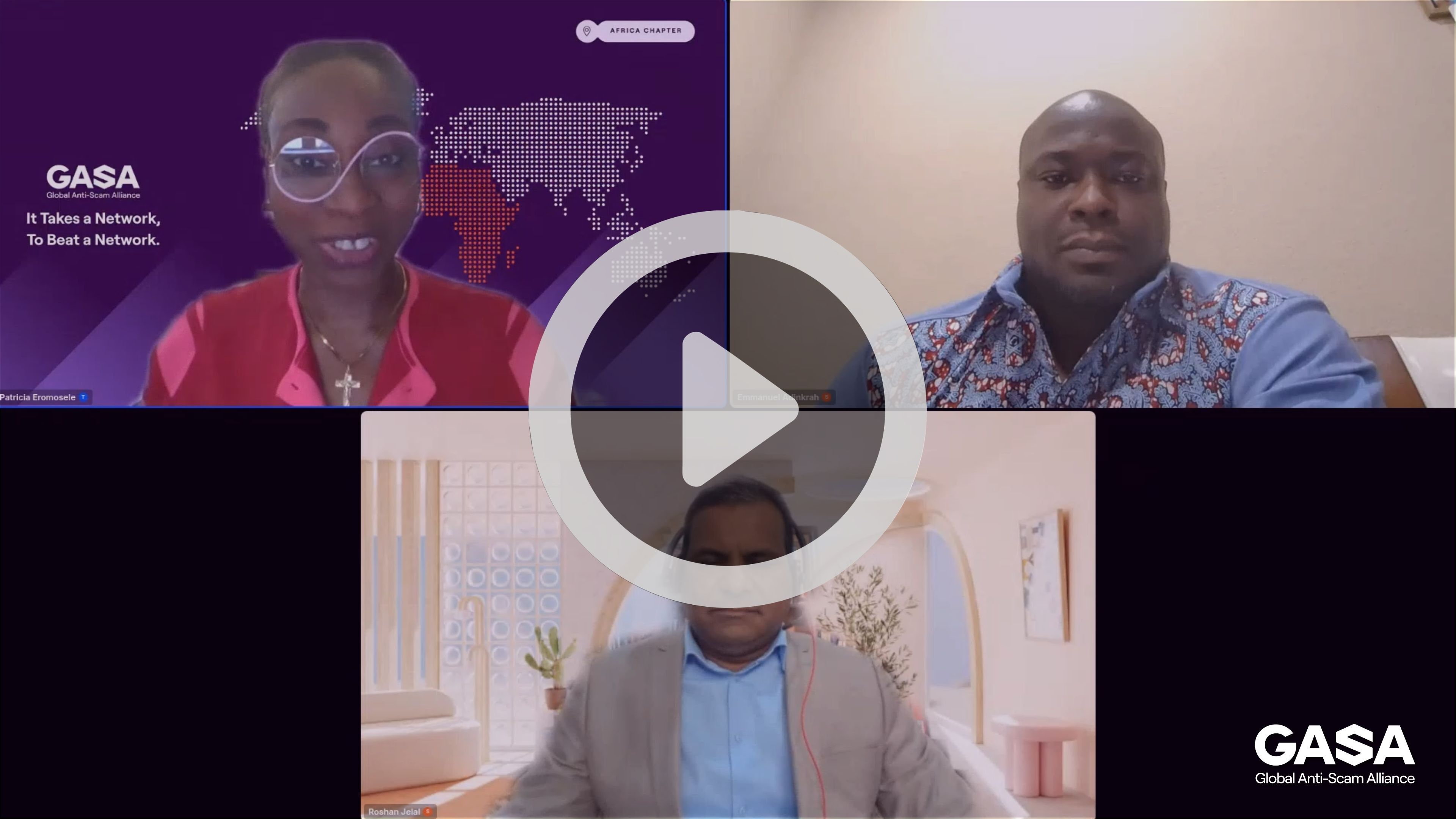
Protecting Seniors and Vulnerable Communities from Fraud
Experts from financial services, internet safety and policy explore how families, banks and communities can better protect vulnerable groups from fraud.
Fenasbac and GASA Report Outlines a Cross-Sector Response to Digital Scams in Brazil
Fenasbac and GASA’s Brazil Blueprint examines how finance, telecoms, technology and regulators can share intelligence to strengthen protection against digital scams.