

The U.S. Government has taken a significant step in addressing the growing threat of online fraud with the release of a new Executive Order titled Combating Cybercrime, Fraud, and Predatory Schemes Against American Citizens. The order formally recognises scams, referred to as “predatory schemes”, as a national priority and outlines a more coordinated, whole-of-government response.
Until now, federal anti-fraud efforts have been fragmented across agencies and focused primarily on financial crimes and cybersecurity. This Executive Order is the first to name scams, scam centres, and Transnational Criminal Organizations (TCOs) as a distinct national policy problem.
Senior officials across State, Treasury, Justice, Homeland Security, and Defense have been directed to submit an Action Plan outlining how the government will target transnational criminal organisations and improve coordination, including partnerships with the private sector.
The Attorney General has also been directed to prioritize the prosecution of cyber-enabled fraud, including scams and sextortion schemes. At the same time, the Department of Homeland Security, through CISA, will provide training and technical support to state and local partners.
The order also places emphasis on victim support and restitution. The Attorney General must provide recommendations for a Victims Restoration Program, enabling the return of seized or forfeited funds to victims.
Finally, the Executive Order introduces consequences for countries that tolerate or host scam operations targeting Americans, including potential diplomatic and economic measures.
While implementation details are still to be defined, the Executive Order establishes a clearer framework for coordination, enforcement, and victim support.
The GASA North America Chapter brings together several leading organizations across the region to address scams and fraud. Learn more about the chapter and membership.

Global Anti-Scam Summit America 2026: Highlights, Insights and Resources
Explore GASS America 2026 highlights and insights, with the Summit summary, photos, presentation slides, transcripts and session recordings from San Francisco.
State of Scams in Kenya 2026: A Comparative Review Across Africa
Kenyan experts examine scam trends, data sharing, digital trust and the need for stronger cross-sector prevention.
State of Scams in South Africa 2026: A Comparative Review Across Africa
South African experts examine scam trends, AI, consumer protection and the need for stronger cross-sector collaboration.
-3.jpg)
More than one in five adults in Japan encountered scams in the past year
New State of Scams Japan 2026 report examines how scams are reaching consumers and where stronger prevention and collaboration can make a difference
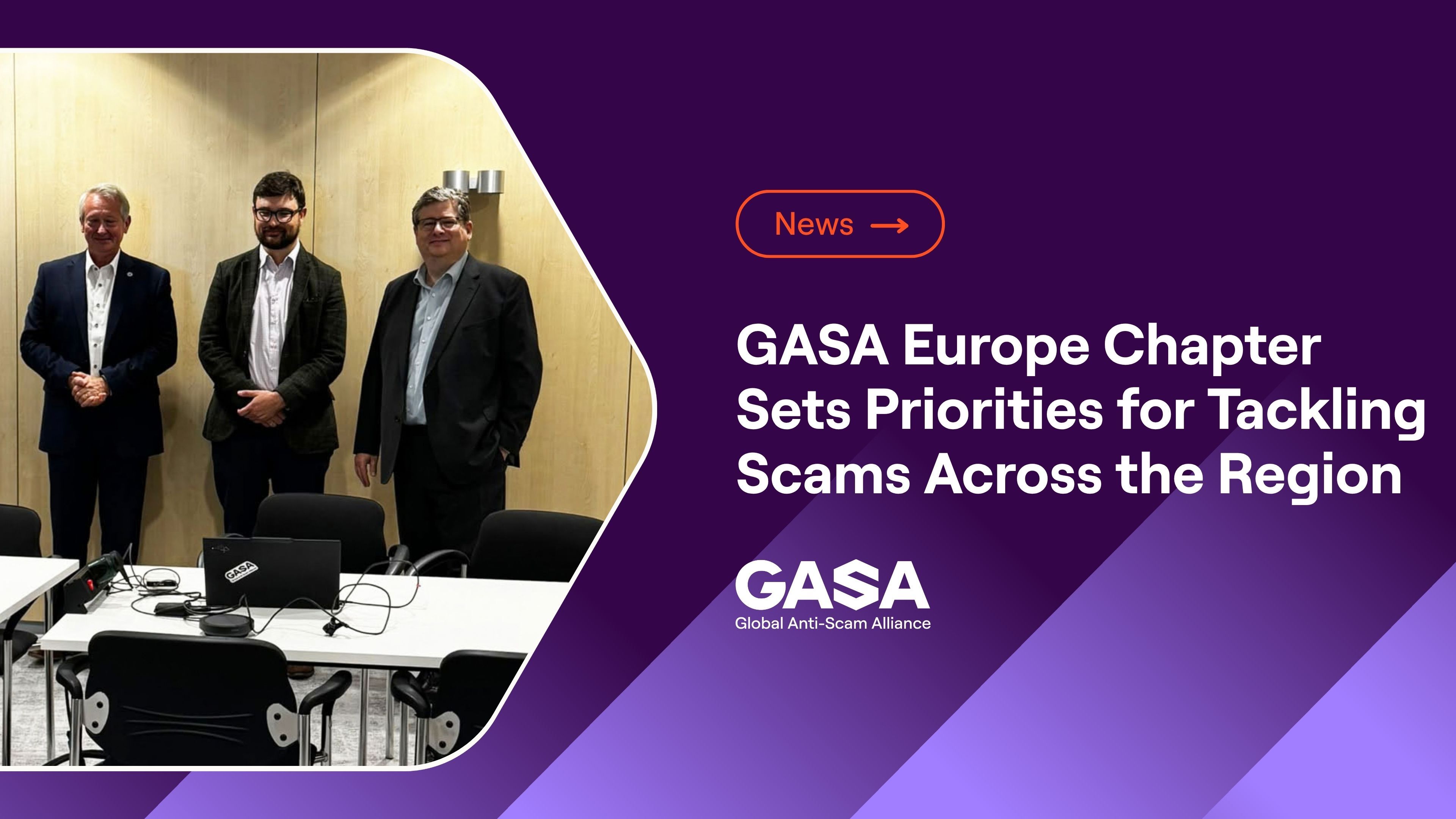
GASA Brings Stakeholders Together in Brussels for First Europe Chapter Meeting
GASA Europe brings 50+ stakeholders together in Brussels to discuss scam trends, data sharing and cross-sector priorities.
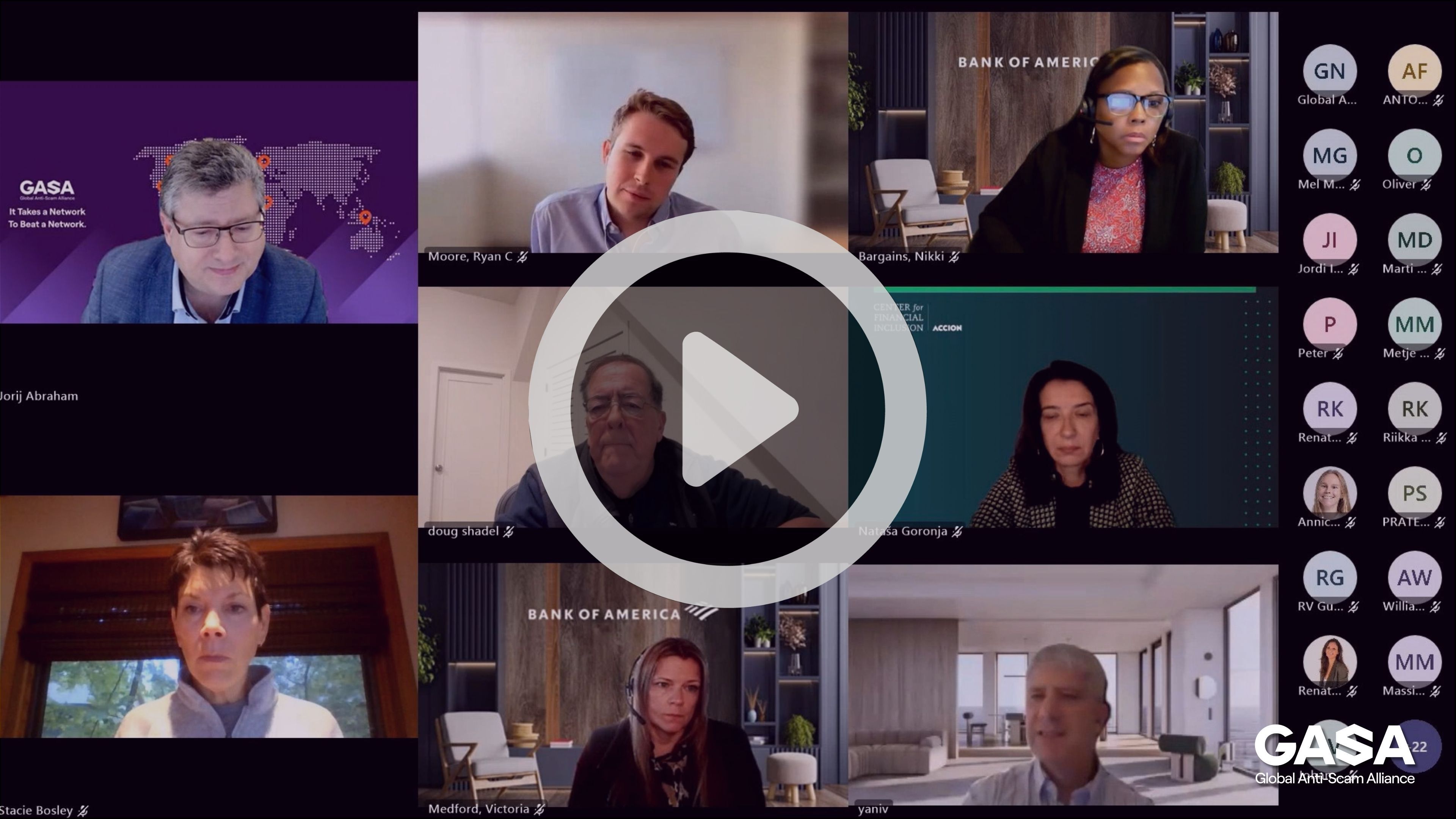
Research Working Group Meeting: Fraudulent Tickets and Robocall Scam Tactics
Research presented to GASA examines consumers’ ability to spot fraudulent tickets and tactics found across 4.49 million scam and spam robocalls.
-2.jpg)
Fighting Fraud Without Borders: Cross-Regional Collaboration in Latin America and Beyond
A roundtable at GASS America examined cross-regional collaboration in Latin America and beyond, focusing on fraud prevention, consumer protection and response.
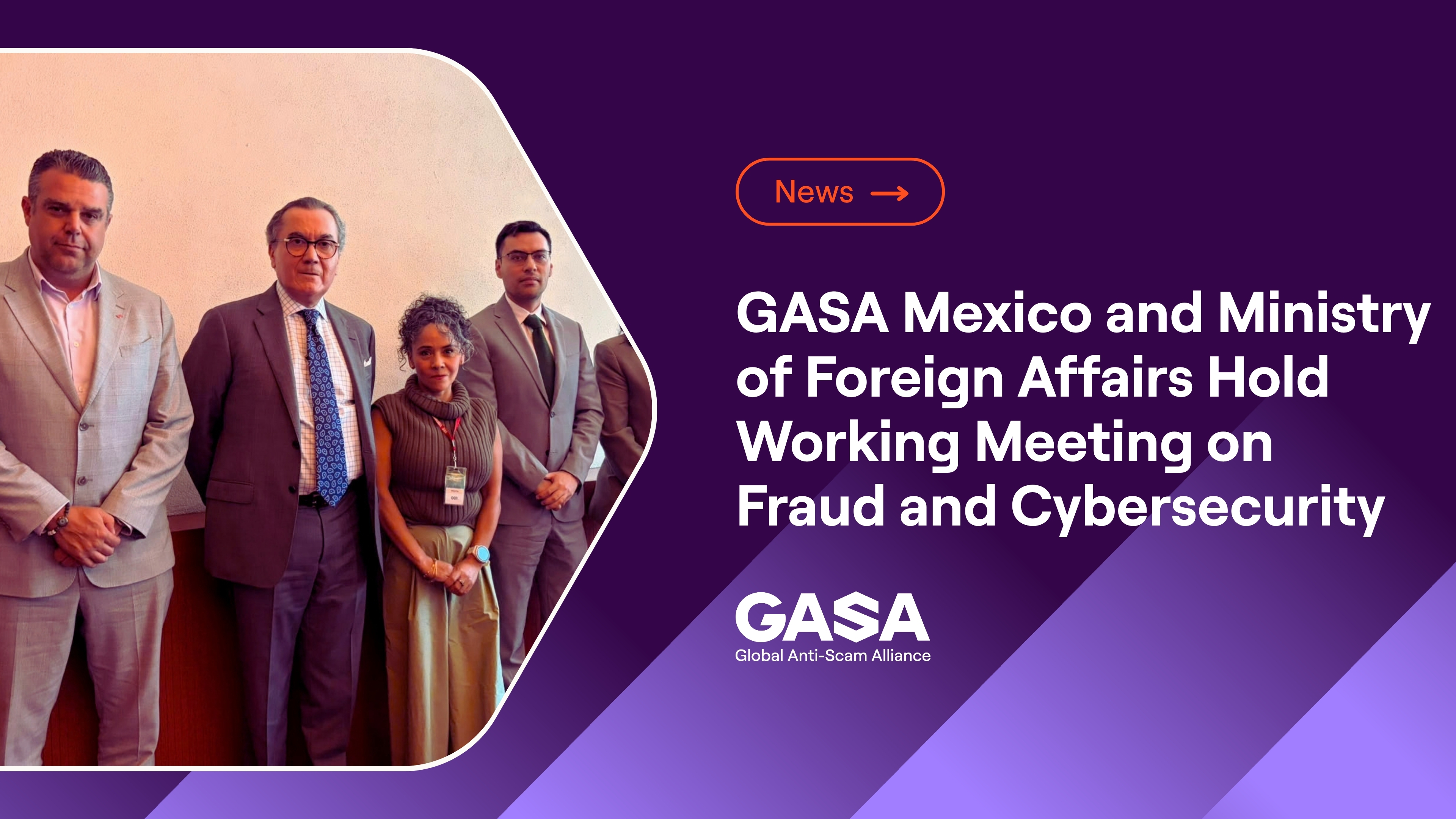
GASA Mexico and the Ministry of Foreign Affairs Hold Working Meeting Ahead of the Chapter’s Annual Forum, “From Coalition to Action”
GASA Mexico and the Ministry of Foreign Affairs convened Mastercard and Scotiabank to discuss fraud, cybersecurity, information sharing and emerging technologies.