
Mastercard has reaffirmed its commitment to combating online scams by upgrading its role within the Global Anti-Scam Alliance (GASA) to become a Foundation Member. This step follows Mastercard’s previous position as a supporting member and confirms the company’s dedication to leading the fight against the growing threat of online scams whilst protecting consumers.
“To tackle the growing problem of scams, collaboration is key. That's why as a foundation member of the Global Anti-Scam Alliance we will share knowledge, advance protections, and educate consumers, together, to further secure the digital ecosystem,” said Laura Quevedo, Executive Vice president, Financial Crimes & Resiliency at Mastercard.
Mastercard’s Valeriya Greene, Vice President, Security Solutions, will take a seat on the GASA Advisory Board and join forces with key players from tech, finance, and cybersecurity sectors, including Amazon, Bitdefender, Capital One, Feedzai, Gogolook, Google, Match Group, Meta, ScamAdviser, and Trend Micro.
Mastercard has been actively advancing its initiatives against fraud through its AI-powered Scam Protect suite of solutions, which are designed to help identify and prevent scams at all stages of a scam lifecycle. This includes from when a user opens an account, to when they log in or make account changes to when they make a purchase.
Mastercard’s role in the fight against scams has also been central in the formation of the GASA Singapore Chapter , the first national chapter of GASA. Serving as Chair of the executive committee, Mastercard has been instrumental in fostering collaboration between major stakeholders in Singapore. The GASA Singapore Chapter focuses on hosting in-person gatherings, launching national consumer protection initiatives, and conducting national fraud research to combat scams. Chapter members include Amazon, Google, Grab, TikTok, HSBC, and many others.
“Scammers are evolving rapidly, and so must our defenses,” said Jorij Abraham, Managing Director of GASA. “Mastercard’s decision to enhance its involvement marks a significant moment in the fight against scams. Their expertise in identity and AI solutions will be invaluable as we work towards setting new standards in fraud prevention.”
Mastercard collaborates with financial institutions, telecommunications companies, and other organizations to prevent scam-related payments and raise awareness about the latest scam tactics. Mastercard will also continue its partnership with GASA to advocate for consumer education and global collaboration in combating online scams. Both organizations are committed to fostering trust in the digital world by ensuring consumers are equipped with the knowledge and tools to recognize and avoid scams.
As GASA and its foundation members welcome Mastercard’s elevated involvement, the alliance is also looking ahead to the upcoming Global Anti-Scam Summit Asia 2024 , taking place on October 21–22 in Singapore . This key event will bring together stakeholders across sectors to discuss the latest trends in scam mitigation, with a particular focus on AI misuse and cross-sector collaboration.
BanCoppel joins the Global Anti-Scam Alliance to bolster fraud prevention and safeguard individuals entering the banking system.
BanCoppel has joined the Global Anti-Scam Alliance (GASA) as a Corporate Member of the GASA Mexico Chapter.
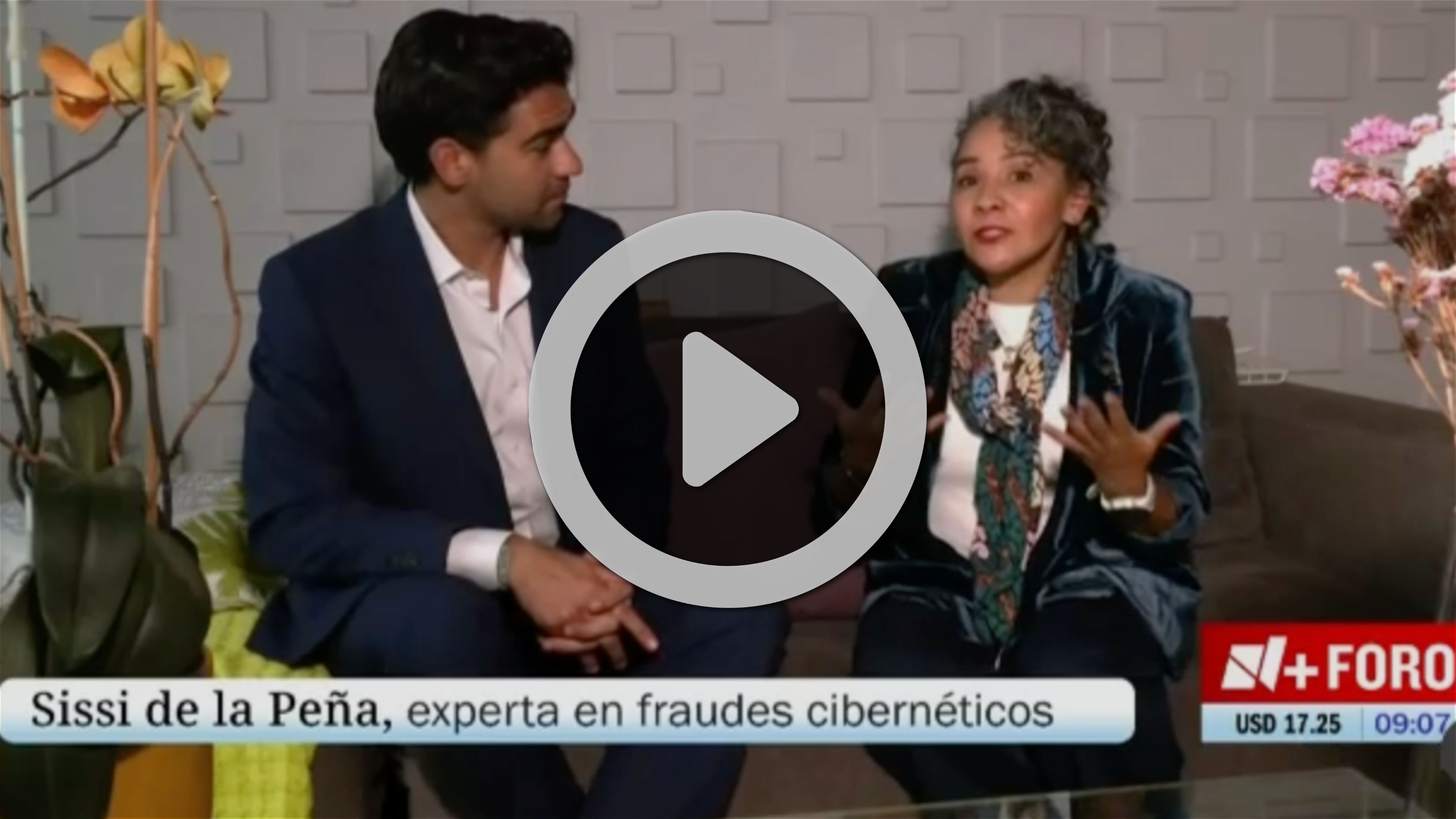
The emotions scammers exploit: how social engineering influences our decisions
How scammers use fear, urgency, excitement and trust to influence decisions, and how recognising these tactics can help people prevent fraud.

Global Anti-Scam Alliance Welcomes Mastercard as Founding Member of Its Mexico Chapter
The Global Anti-Scam Alliance (GASA) announces the membership of Mastercard as a Member of its Mexico Chapter.
What Uganda’s IVR Trial Shows About Practice-Based Scam Prevention
A Uganda IVR trial shows how practice-based fraud prevention helped mobile money users reduce losses and increase reporting.
FTC’s Never EVER Campaign Helps Prevent Elder Financial Abuse With Simple, Specific Scam Warnings
The FTC’s Never EVER campaign uses simple, specific imposter scam warnings to help prevent elder financial abuse and support coordinated consumer education.
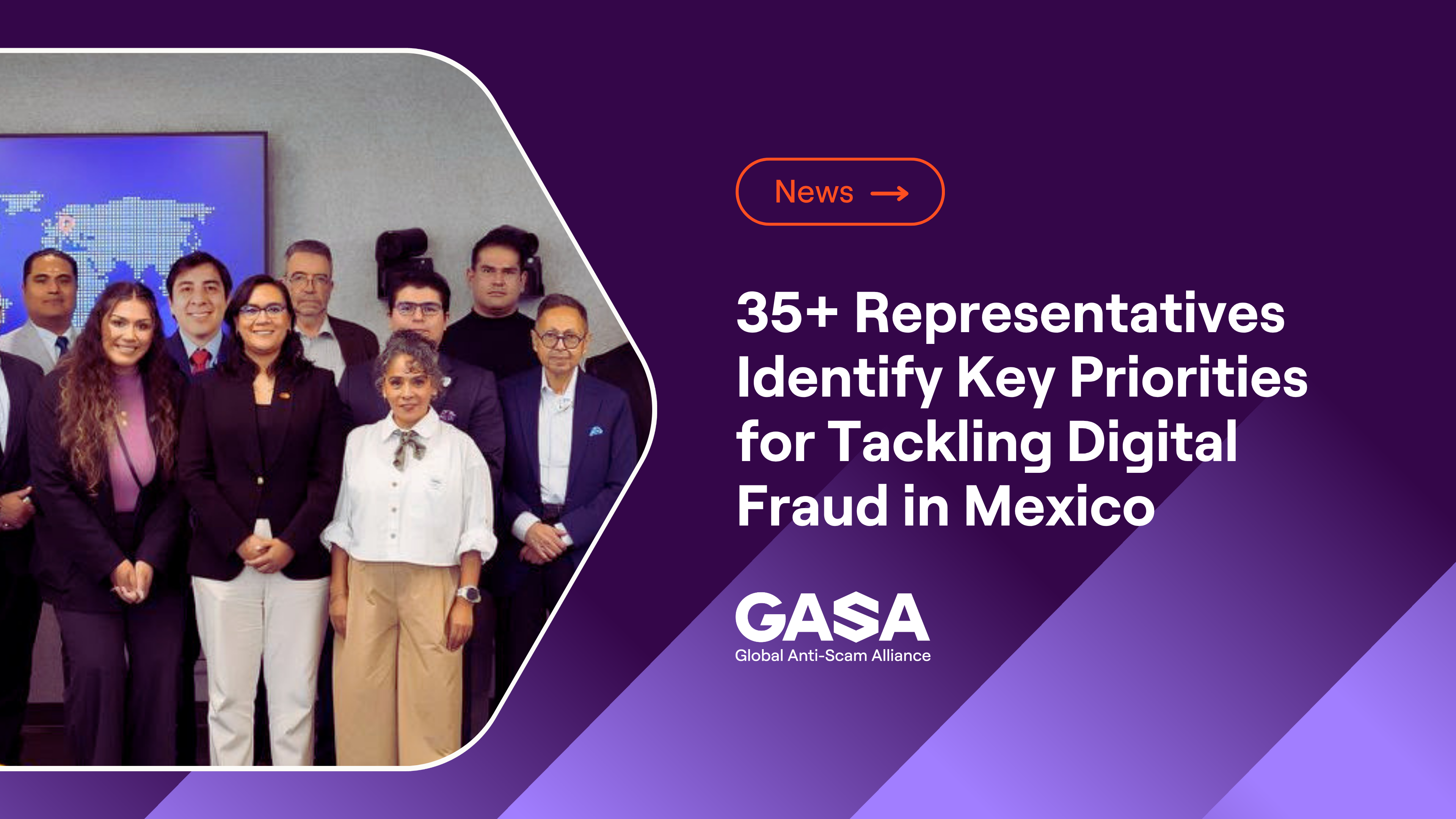
GASA Mexico's Second Roundtable Advances Coordinated Action Against Digital Fraud
GASA Mexico's second roundtable brought together more than 35 representatives to strengthen coordination across cybersecurity, fraud prevention and other sectors.
Cognyte Joins Global Anti-Scam Alliance to Fight Financial Fraud Threats
Cognyte, a global leader in investigative analytics software, today announced its membership in the Global Anti-Scam Alliance (GASA).
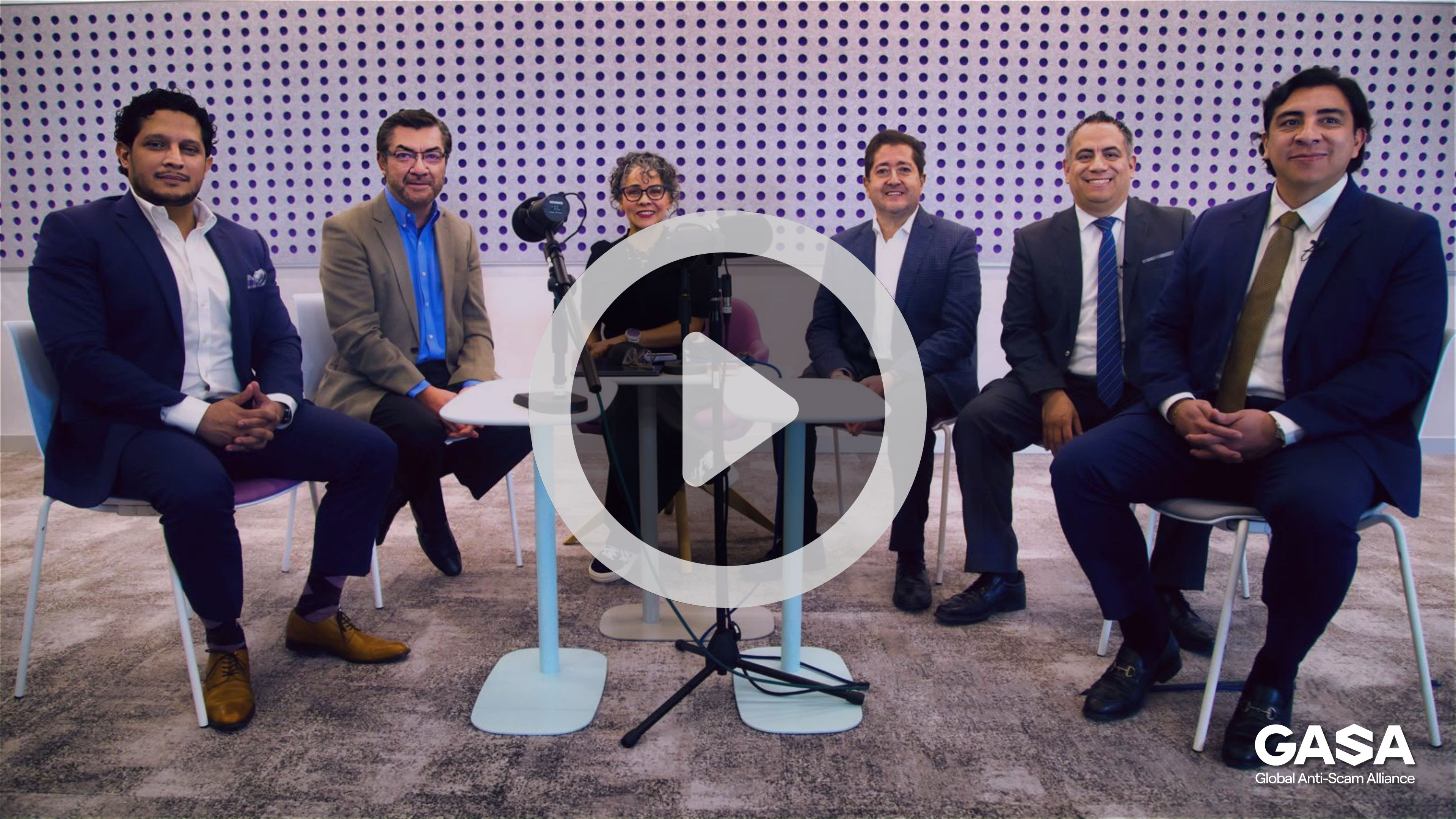
A network is beaten by a network: Mexico's banks move from remediation to prevention
GASA convened the ABM Fraud Committee and Mexican banks to advance the enriched agreement and strengthen coordinated fraud prevention across the sector.