
Date of Event: 25 March 2026
Event: GASA Meet-Up
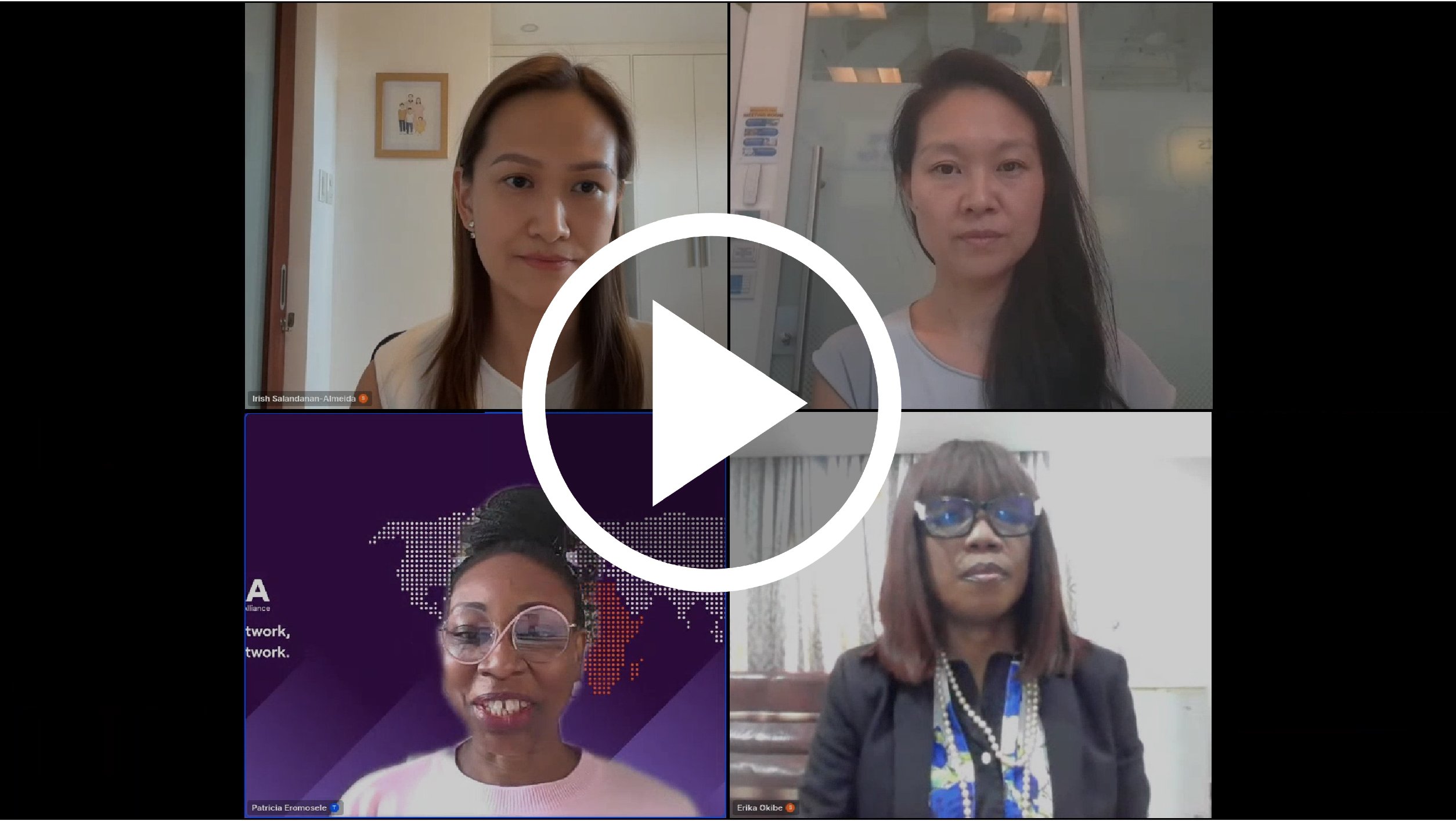
Scams are no longer isolated incidents. They are fast, organized, emotionally manipulative, and increasingly designed to exploit trust at scale. And for many women, the impact goes far beyond financial loss; affecting confidence, safety, and peace of mind.
That was the focus of League of Protectors: Women Fighting Against Scams, GASA’s International Women’s Month webinar, which brought together women leaders from telecom, payments, cybersecurity, policy, and civil society to examine how scams are targeting women, and what it will take to stop them.
Speakers:
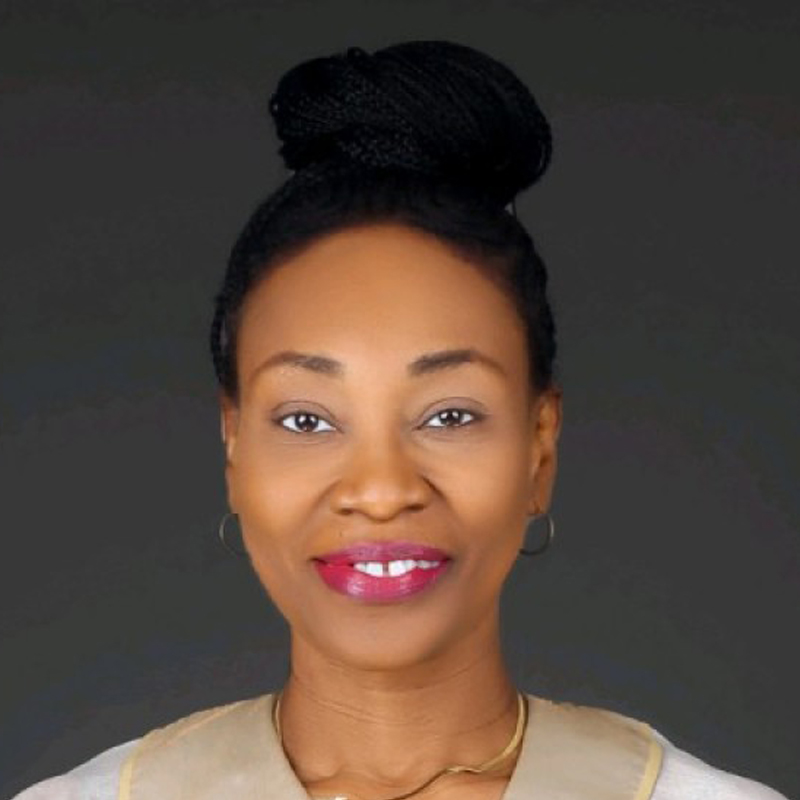
- Patricia Eromosele, Director – Africa Chapter, Global Anti-Scam Alliance (Moderator)
-
Erica Okibe, Executive Secretary – Ndukwe Kalu Foundation (NKF)
-
Irish Salandanan-Almeida, Chief Privacy Officer and Vice President for Digital Policy – Globe Telecom
-
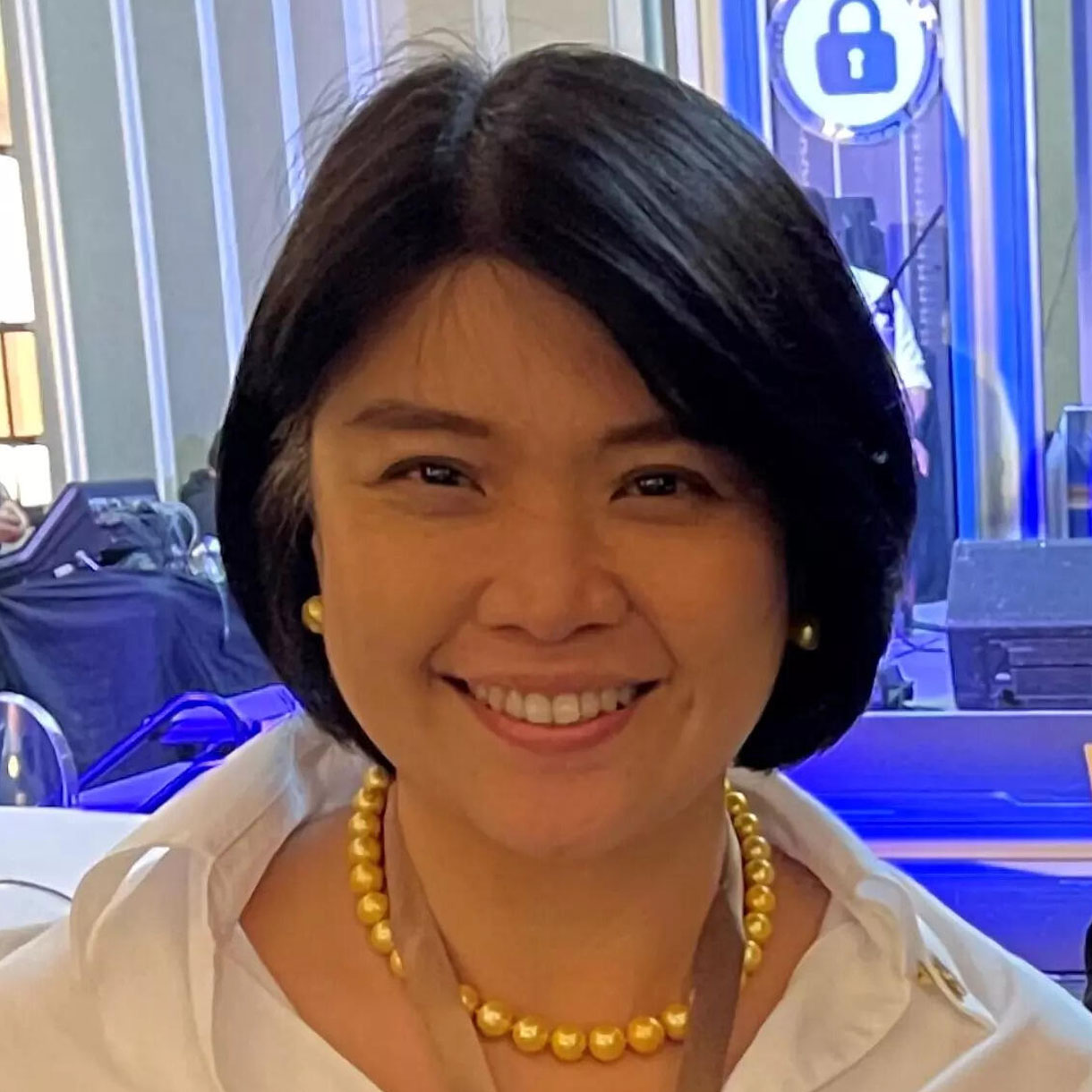
Mel Migrino, Country General Manager / Southeast Asia Regional Director – Information Security, Gogolook; Chairperson and President and Chief Executive Officer – WiSAP (Women in Security Alliance Philippines)
-
Reski Damayanti, Chief Legal & Regulatory Officer – Indosat Ooredoo Hutchison
-
Stella Uchenna, Vice President – Women in CyberSecurity (WiCyS) Nigeria Affiliate
-
Wanjing Ji, VP, AP Payment Ecosystem Risk – Visa
Women are already doing many of the right things
Patricia opened with insights from GASA’s 2025 gender data, which shows that women are more likely than men to adopt protective behaviors that reduce scam risk. Women are more likely to verify suspicious offers with friends and family and more likely to read reviews before acting. Those behaviors matter: women experience fewer scams overall than men and are less likely to lose money when targeted.
But the same data also reveals a troubling gap. Women report lower confidence in recognizing scams, higher stress after being targeted, and are less likely to report scams to authorities. In other words, women are often taking the right steps, yet still carrying a heavier emotional burden.
The same scam patterns are showing up across regions
From Indonesia, Reski Damayanti pointed to three major threats affecting women: romance scams, investment scams, and online shopping scams. She noted that in Indonesia, around 60% of love scam victims are women, while low financial literacy and economic pressure make fraudulent investment offers especially dangerous.
From the payments side, VISA’s Wanjing Ji described how romance and connection-based scams continue to surface across Visa’s network. She shared the example of a fake dating scam operation in which bots built emotional trust, encouraged small payments, and then stole payment details for repeated unauthorized charges. Her warning was clear: scam operations are becoming increasingly industrialized.
That same pattern was echoed by Uchenna Stella Emeka-Obi, who described how romance and investment scams exploit social pressure, emotional urgency, and silence. In her view, shame and victim-blaming still prevent too many women from speaking up, allowing scams to spread quietly through communities.
Behind every scam is a human story
Some of the strongest moments came from the speakers’ personal stories.
Irish Salandanan-Almeida shared how she almost became a victim herself after receiving alerts that her credit card was being used fraudulently. Because she acted quickly and reported it immediately, the bank was able to reverse the charges. Her story reinforced a simple but powerful lesson: awareness and fast action matter.
Mel Migriño recounted meeting a woman at a resort in the Philippines who had paid around 26,000 pesos for a fake hotel booking arranged through convincing brochures and false promotions. The financial loss was serious, but the emotional impact was even greater: the scam disrupted a family celebration, and drained money meant for essential needs.
Erika Okibe shared a similar story of nearly sending money to someone impersonating her uncle in a family WhatsApp group. The message created urgency around a sick relative, and only a pause to verify stopped the scam in time. Her takeaway was one many speakers repeated: scammers are highly effective at using emotion, urgency, and familiarity to lower people’s guard.
Why cross-border collaboration can’t wait
Again and again, the panel returned to the same conclusion: no single sector can solve scams alone.
Reski described a fragmented system in which responsibility is passed between telecoms, banks, and law enforcement while scammers move money and infrastructure across borders. Wanjing stressed that inconsistent rules around data sharing are creating dangerous visibility gaps. If suspicious domains, spoofed identities, fraudulent merchant patterns, and other impersonation signals were shared earlier across platforms, telecoms, financial institutions, and regulators, intervention could happen much faster.

That need for trusted, standardized cross-border intelligence sharing emerged as one of the clearest calls to action from the session.
Awareness must lead to action
The webinar also made clear that technology alone is not enough. Public education, community awareness, and practical digital literacy remain some of the strongest defenses.
Irish highlighted Globe’s work on digital literacy for both young people and seniors. Uchenna boiled her advice down to three simple words: pause, verify, report. Erika called for more advocacy and more spaces where women feel safe to speak openly about their experiences.
Closing the session, Intan Faradila reminded participants that scams are not just technical attacks, they exploit stress, trust, and moments of vulnerability. She also highlighted the ASEAN Foundation’s SCAM Ready program, supported by Google, which aims to equip 3 million people with the knowledge and confidence to recognize and respond to scams.
From discussion to collective action
The session ended with a series of pledges: stronger education, stronger partnerships, and stronger protections across the ecosystem. Together, they reflected the webinar’s core message: women are already leading in scam prevention, but systems must do more to support them.
Scams are evolving fast. Our response must evolve faster, and it must be collaborative, practical, and global.
When women are informed, supported, and heard, the impact extends far beyond the individual. It strengthens families, communities, and the wider fight against scams.
Watch the full discussion to learn how women leaders are driving global efforts to combat scams.

State of Scams in Nigeria 2026: A Comparative Review Across Africa
Nigerian experts examine scam trends, technology, consumer protection and the need for stronger cross-sector collaboration.
Nearly three in four Danish adults encountered scams as estimated losses reach DKK 10.1 billion
New State of Scams Denmark 2026 report finds scam exposure is rising, while victims face repeated financial and emotional harm.
Building a More Trusted Digital Philippines: New Report Underscores the Need for Collective Action as Scam Exposure Continues to Rise
GASA’s State of Scams in the Philippines 2026 Report, in collaboration with Mastercard and Gogolook, highlights the growing scale of the scam challenge in the Philippines.
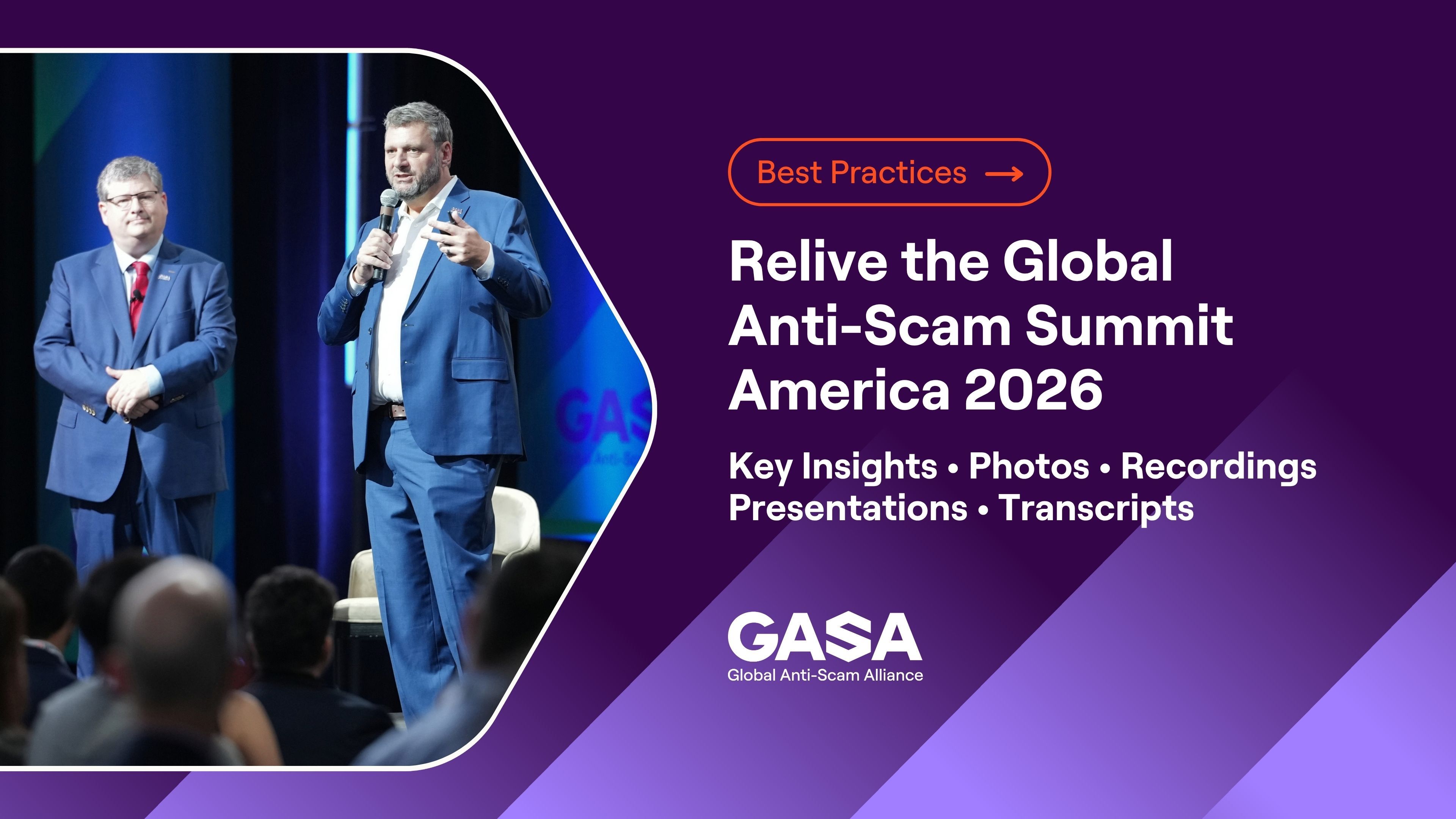
Global Anti-Scam Summit America 2026: Highlights, Insights and Resources
Explore GASS America 2026 highlights and insights, with the Summit summary, photos, presentation slides, transcripts and session recordings from San Francisco.
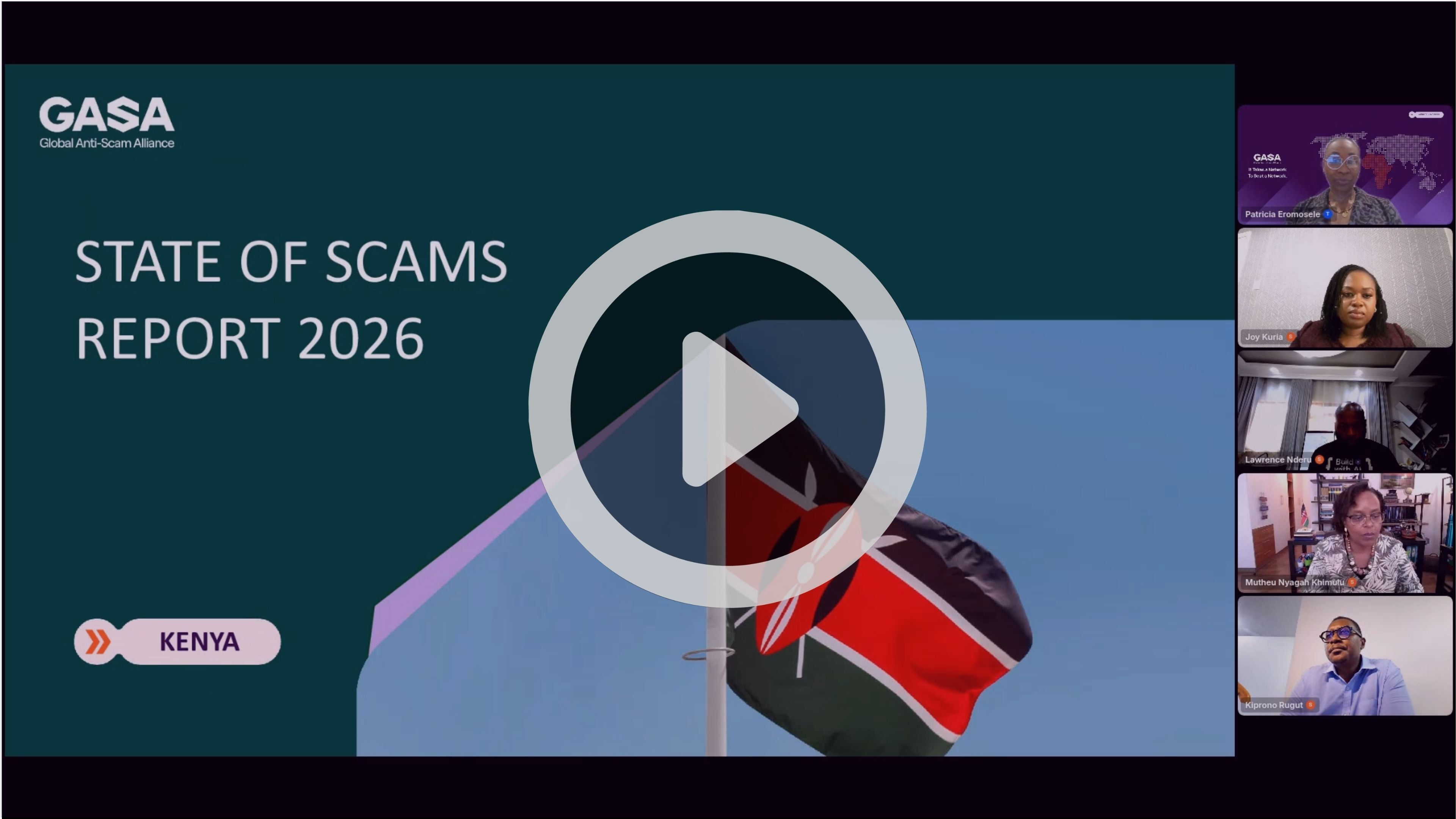
State of Scams in Kenya 2026: A Comparative Review Across Africa
Kenyan experts examine scam trends, data sharing, digital trust and the need for stronger cross-sector prevention.
State of Scams in South Africa 2026: A Comparative Review Across Africa
South African experts examine scam trends, AI, consumer protection and the need for stronger cross-sector collaboration.
-3.jpg)
More than one in five adults in Japan encountered scams in the past year
New State of Scams Japan 2026 report examines how scams are reaching consumers and where stronger prevention and collaboration can make a difference
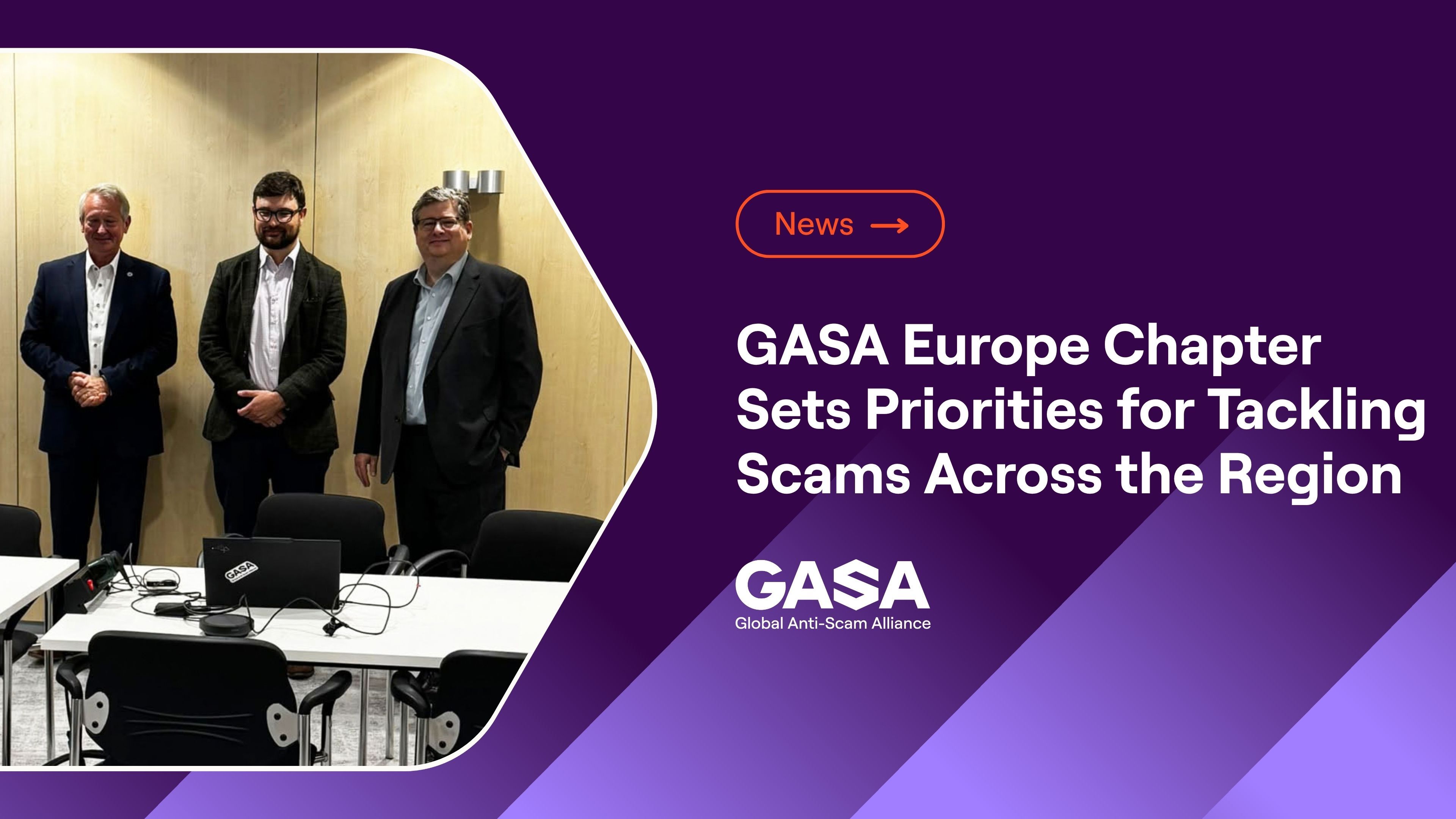
GASA Brings Stakeholders Together in Brussels for First Europe Chapter Meeting
GASA Europe brings 50+ stakeholders together in Brussels to discuss scam trends, data sharing and cross-sector priorities.