
Scam phone calls often impersonate government or financial institution callers, and to avoid being traced, these scam phone calls frequently use VOIP (Voice Over Internet Protocol) technology originating from overseas and display caller’s phone number with Taiwan's country code, +886.
To reduce the risk of the public falling victim to international phone call scams, Chunghwa Telecom (CHT) has introduced the "International Fraud Calls Alerting Service" (IFCAS). When an international phone call is received, the callee will hear a warning message reminding them that this call is international.
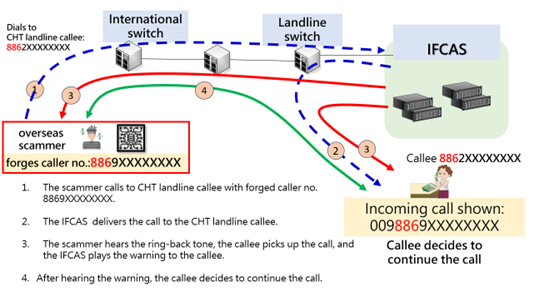
In Taiwan, incoming calls with caller’s number starting with +8862 to +8868 are recognized as local landline calls, while those with caller’s number starting with +8869 are seen as roaming mobile calls. International calls with caller’s number starting with +8862 to +8868 are blocked by international switches because Taiwan's landline calls do not originate from abroad. However, international calls with caller’s number starting with +8869 could be genuine international roaming mobile calls or potentially scam calls with spoofed caller number .
On July 17, 2023, IFCAS was launched, providing a voice warning for overseas incoming calls with caller’s number starting with +8869 to landline callee. This warning states, "This is an international call, please be cautious, beware of scams". Hearing the alert, callees can decide whether to terminate the call or continue. After the launching of the service, there has been a 90% drop in the daily amount of +8869 international incoming calls compared to the value before the service was launched , and effectively reduced the risk of international scam phone calls for the public.
Therefore, on September 15, 2023, the "International Fraud Calls Alerting Service" was expanded to provide voice warnings for all international calls to the landline provider's customers and international calls with caller’s number starting with +8869 to the firm’s mobile numbers.
The "International Fraud Calls Alerting Service" is a free service provided only to Chunghwa Telecom landline users, and offers two functions: "skip warning" and "disable warning". During the warning message playback, users can interrupt the alert and proceed with the call by pressing any number key (0-9) on the phone. Additionally, users can activate or deactivate the alert service by accessing the IVR (Interactive Voice Response) by dialing 12165.
Once the call is directed to the IFCAS service by the landline switch, it is connected to the callee 02XXXXXXXX. At this point, the caller hears a normal ring-back tone. Upon the callee answering the call, IFCAS plays a warning message to the callee 02XXXXXXXX. After the callee listens to the warning message, and does not hang up the call, they can proceed the conversation.
Due to the successful implementation of the international incoming call alerting service for Chunghwa Telecom's landline users, the warning service had been extended to their mobile users to screen international incoming calls with different country codes worldwide. Compared to the data before the warning service was launched, there was a significant 72% decrease in the number of international incoming calls. Thus, this service significantly reduces the probability of individuals falling victim to scams.


BanCoppel joins the Global Anti-Scam Alliance to bolster fraud prevention and safeguard individuals entering the banking system.
BanCoppel has joined the Global Anti-Scam Alliance (GASA) as a Corporate Member of the GASA Mexico Chapter.
The emotions scammers exploit: how social engineering influences our decisions
How scammers use fear, urgency, excitement and trust to influence decisions, and how recognising these tactics can help people prevent fraud.

Global Anti-Scam Alliance Welcomes Mastercard as Founding Member of Its Mexico Chapter
The Global Anti-Scam Alliance (GASA) announces the membership of Mastercard as a Member of its Mexico Chapter.
What Uganda’s IVR Trial Shows About Practice-Based Scam Prevention
A Uganda IVR trial shows how practice-based fraud prevention helped mobile money users reduce losses and increase reporting.
FTC’s Never EVER Campaign Helps Prevent Elder Financial Abuse With Simple, Specific Scam Warnings
The FTC’s Never EVER campaign uses simple, specific imposter scam warnings to help prevent elder financial abuse and support coordinated consumer education.
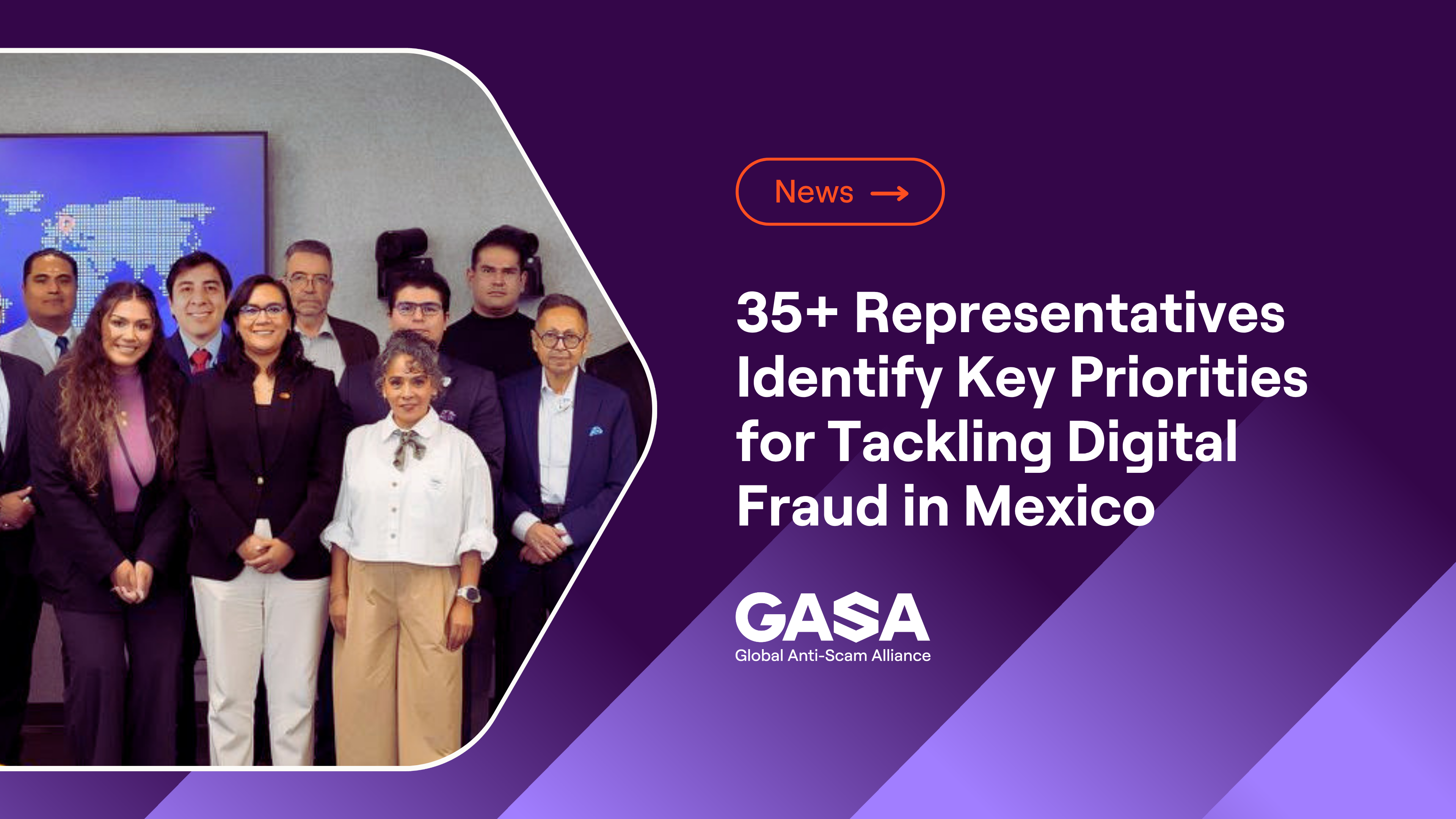
GASA Mexico's Second Roundtable Advances Coordinated Action Against Digital Fraud
GASA Mexico's second roundtable brought together more than 35 representatives to strengthen coordination across cybersecurity, fraud prevention and other sectors.
Cognyte Joins Global Anti-Scam Alliance to Fight Financial Fraud Threats
Cognyte, a global leader in investigative analytics software, today announced its membership in the Global Anti-Scam Alliance (GASA).
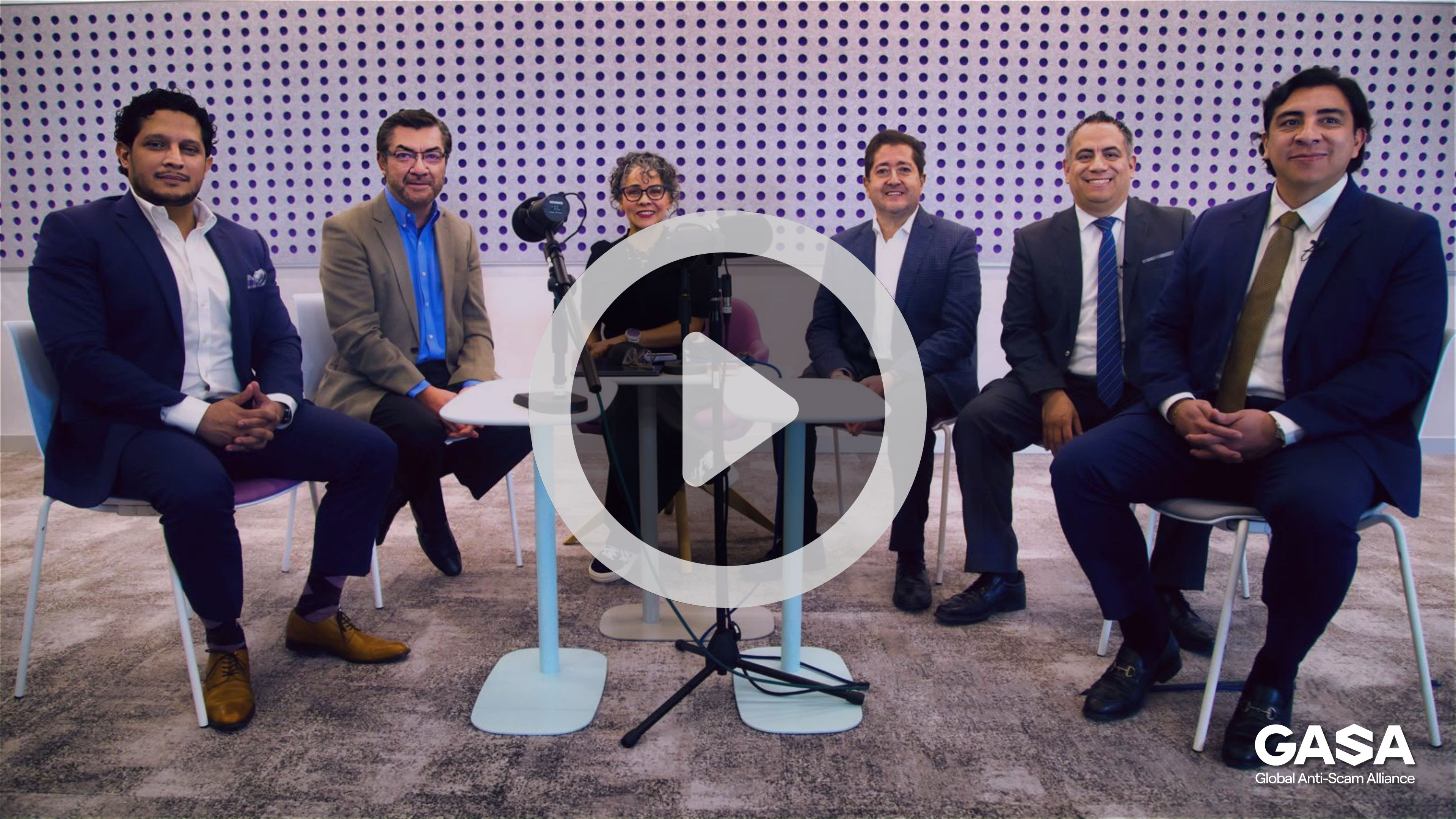
A network is beaten by a network: Mexico's banks move from remediation to prevention
GASA convened the ABM Fraud Committee and Mexican banks to advance the enriched agreement and strengthen coordinated fraud prevention across the sector.