
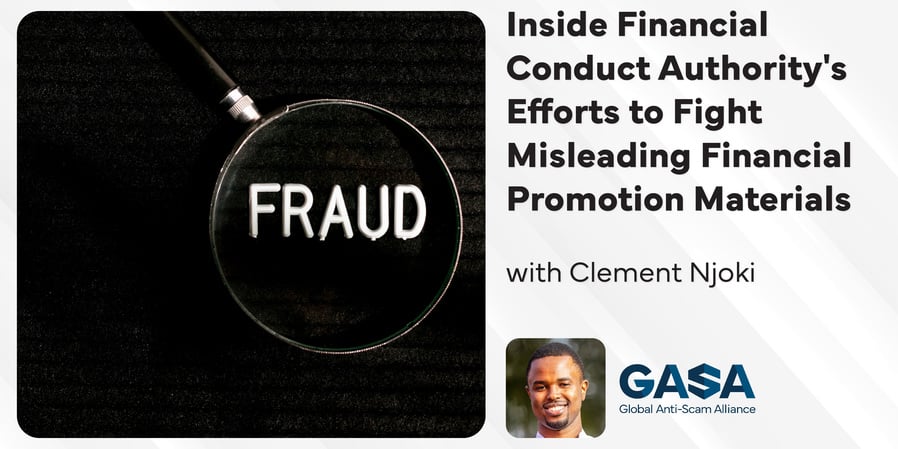
The humble meme, once considered a mere form of digital humor, has now become a tool with serious implications in the world of finance. Along with other promotion materials such as reels, they aren't just for laughs anymore—scammers are now using them to dupe people. Especially in the world of cryptocurrency, memes are being shared on places like Telegram and Reddit to hype up investments. This means that what you see online might not always be true or fair.
This is why Britain’s Financial Conduct Authority (FCA) has come up with regulations to help keep the cryptocurrency markets fair. The watchdog notes, that before financial social media influencers, or "finfluencers," publish any advertisements and memes about financial products and services, they must have the approval of an FCA-appointed representative.
FCA's New Rules: Keeping Financial Promotion Materials Honest
The Financial Conduct Authority (FCA), which also publishes a warning list , has set some new rules to ensure people aren't being tricked. If someone wants to post a meme or reel about money stuff, they have to get permission first. This is to make sure that the promotion materials are fair and honest.
The FCA wants all money-related advertising materials to be clear and easy to understand. This way, people will not be easily scammed as they will understand what they are getting into from the get-go. The Financial Conduct Authority is worried that these ads might not always give the right information, so they're keeping a close eye on them. By doing this, they hope to protect people from being misled by materials that aren't truthful.
Since the financial markets, and in particular the cryptocurrency industry aren’t easily understood, scammers and bad actors can easily lie to people. Using memes, reels, and banners which have become a common tool in our modern communication, scammers are likely to take advantage of people.
Lucy Castledine , Head of Department - Retail Lending at FCA notes, "Promotions aren't just about the likes, they're about the law. We will take action against those touting financial products illegally."
In 2023 alone, the FCA intervened where 10,000 financial adverts and other promotions were either changed or taken down. This represents a 17% jump from 2022 and highlights the heightened efforts by the financial watchdog to ensure consumers are only seeing the correct information.
Addressing Challenges in Promotion Platforms
Promoting complex financial products on platforms characterized by limited space and characters presents a unique set of challenges for financial influencers. Most have resulted in memes and pictures which, as they say, speak a thousand words.
Using memes and pictures can be a great way to explain complicated money and cryptocurrency ideas in a simple and fun way. But, some people are taking advantage of this. They might share wrong information or try to make money by tricking others.
Here are some problems this can cause:
Misleading Content
Some people might use memes to share information that's not true about money or cryptocurrencies. Memes are often made to be funny and short, so it's easy for false information to spread quickly. This could lead to people losing money if they believe the wrong things.
Market Manipulation
Memes and popular content can change how people feel about the market and even make prices go up or down, especially in the unpredictable cryptocurrency market. Some people might make memes on purpose to make a certain cryptocurrency seem more valuable or less valuable, just so they can make money. Since there aren't many rules in these digital spaces, it's easier for them to do this.
Trust Issues
When there are a lot of misleading memes going around, people might start to doubt the advice they get from financial influencers and the platforms they use. This can make it harder for the influencers who are honest and really want to help people understand money and cryptocurrencies.
Regulation
Regulators, like the FCA, are starting to pay more attention to how financial adverts are used to talk about money and cryptocurrencies. They might make new rules to stop people from using memes in a sneaky way to trick others. This could mean more rules for platforms like Reddit, X, and Telegram meaning even the honest influencers must exercise extra caution before promoting financial products.
Parting Shot
It's not always easy to explain complicated money stuff in just a few words or a picture. However, though memes and reels have made this easier, it also means that scammers can use them to dupe people. With the Financial Conduct Authority stepping in to stop and regulate this, it can only mean that Britain’s public can access legit and honest financial information.
This means that financial social media influencers, or "finfluencers" have to think carefully about how they're going to get their message across in a way that's easy to understand and not misleading.
BanCoppel joins the Global Anti-Scam Alliance to bolster fraud prevention and safeguard individuals entering the banking system.
BanCoppel has joined the Global Anti-Scam Alliance (GASA) as a Corporate Member of the GASA Mexico Chapter.
The emotions scammers exploit: how social engineering influences our decisions
How scammers use fear, urgency, excitement and trust to influence decisions, and how recognising these tactics can help people prevent fraud.

Global Anti-Scam Alliance Welcomes Mastercard as Founding Member of Its Mexico Chapter
The Global Anti-Scam Alliance (GASA) announces the membership of Mastercard as a Member of its Mexico Chapter.
What Uganda’s IVR Trial Shows About Practice-Based Scam Prevention
A Uganda IVR trial shows how practice-based fraud prevention helped mobile money users reduce losses and increase reporting.
FTC’s Never EVER Campaign Helps Prevent Elder Financial Abuse With Simple, Specific Scam Warnings
The FTC’s Never EVER campaign uses simple, specific imposter scam warnings to help prevent elder financial abuse and support coordinated consumer education.
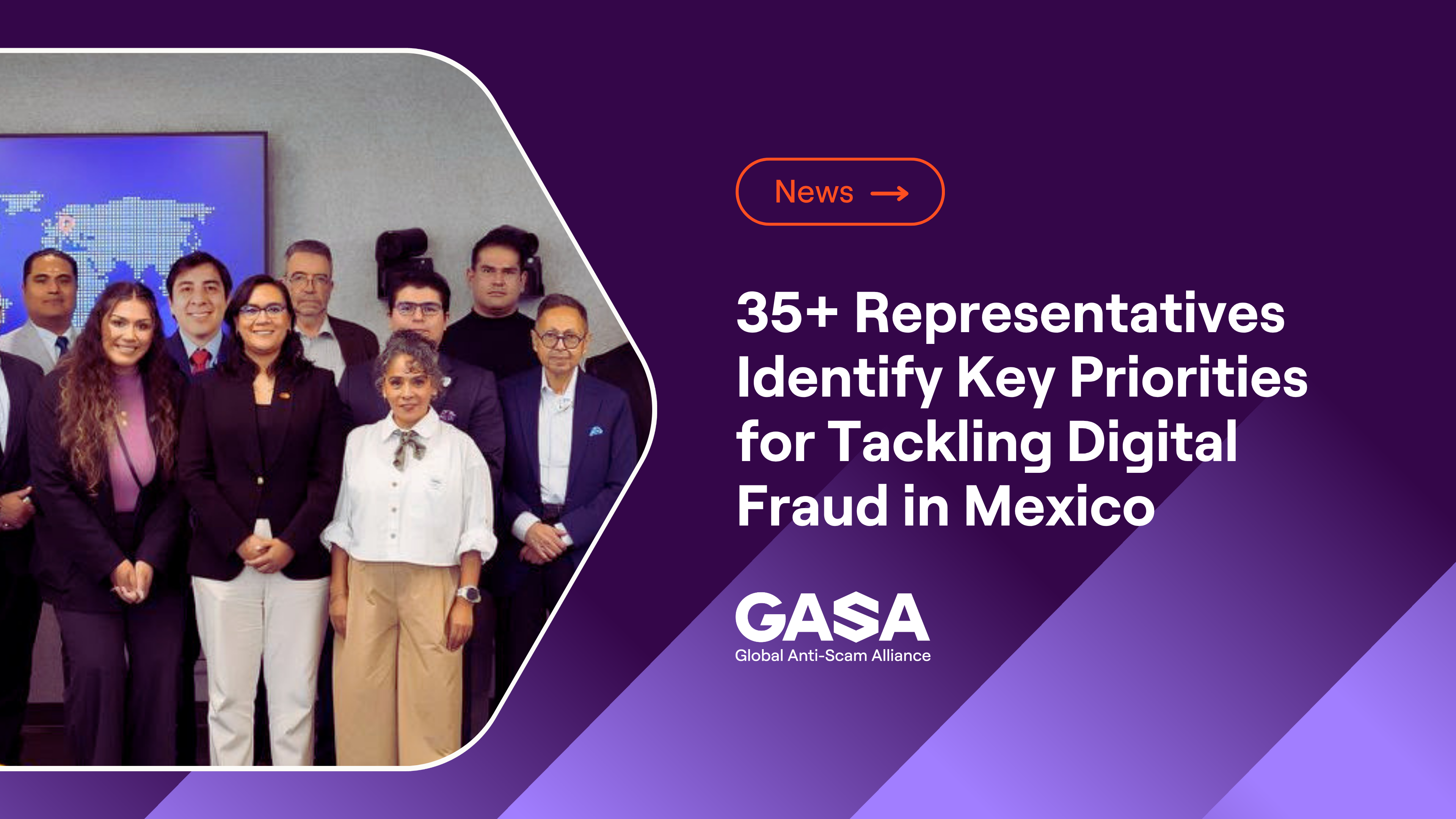
GASA Mexico's Second Roundtable Advances Coordinated Action Against Digital Fraud
GASA Mexico's second roundtable brought together more than 35 representatives to strengthen coordination across cybersecurity, fraud prevention and other sectors.
Cognyte Joins Global Anti-Scam Alliance to Fight Financial Fraud Threats
Cognyte, a global leader in investigative analytics software, today announced its membership in the Global Anti-Scam Alliance (GASA).
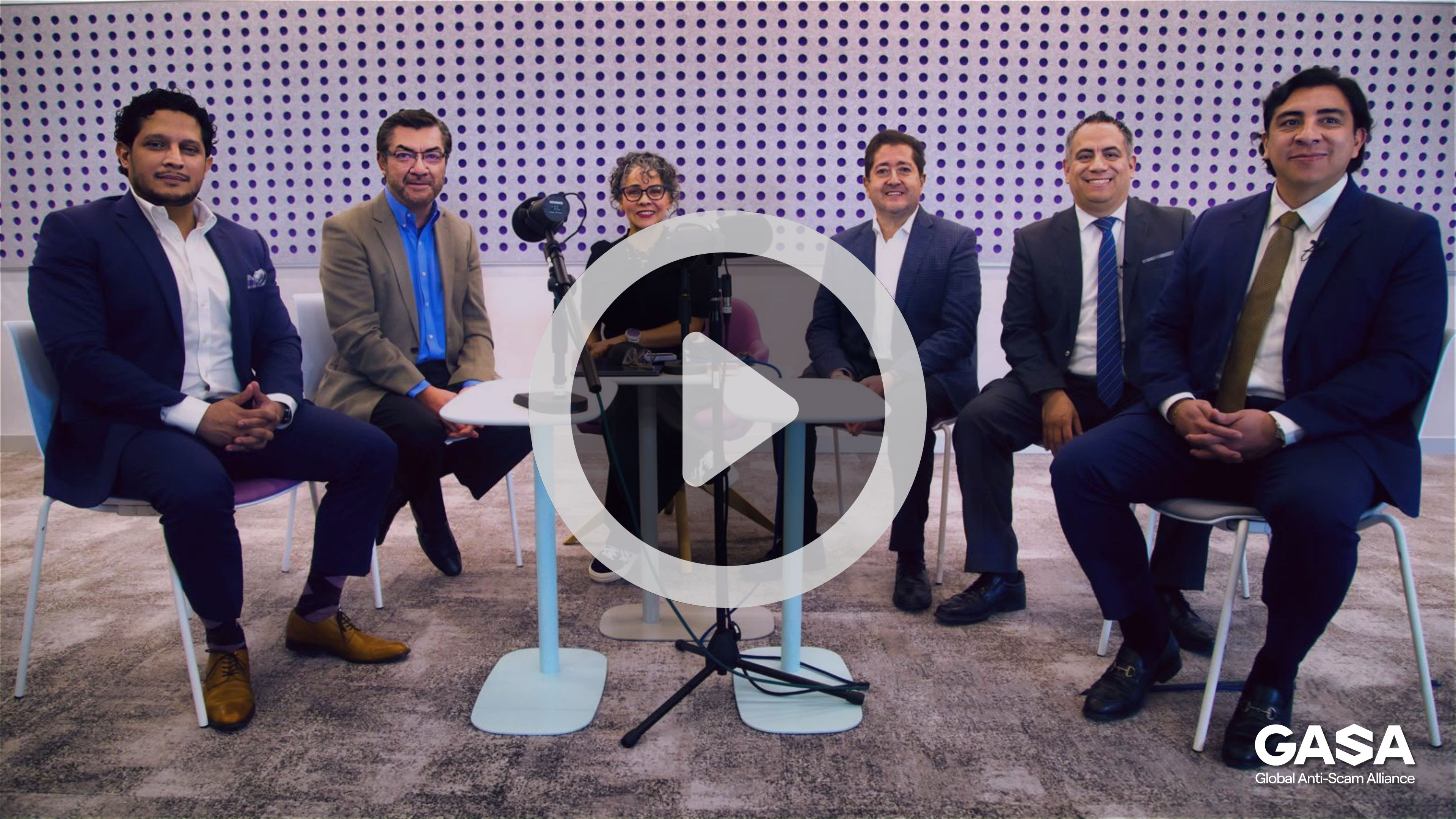
A network is beaten by a network: Mexico's banks move from remediation to prevention
GASA convened the ABM Fraud Committee and Mexican banks to advance the enriched agreement and strengthen coordinated fraud prevention across the sector.