
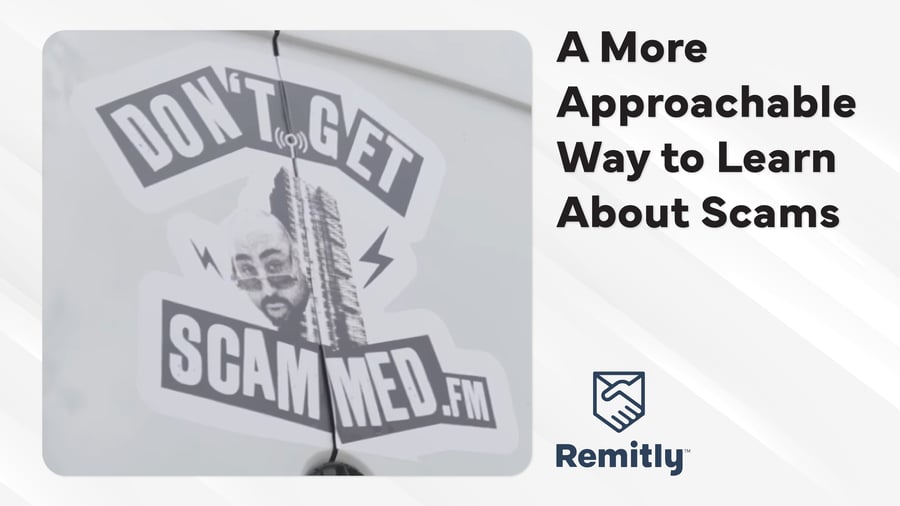
In a world where scams are becoming increasingly sophisticated, it’s never been more important to talk about financial safety. At Remitly, protecting our customers’ money is at the heart of what we do. For many, sending money abroad isn’t just a financial transaction - it’s an act of care. And that care deserves protection. That’s why we’re taking a fresh, unexpected approach to scam awareness.
The stakes are real. According to the Global Anti-Scam Alliance (GASA) Global State of Scams Report 2025 , nearly three fifths of adults globally have experienced a scam. Seven in ten adults have encountered a scam in the last 12 months, with 13% encountering a scam at least once a day. Our own research in the UK found that nearly a third of Brits (32%) have used or would consider using informal money transfer networks, leading to some losses exceeding £10,000.
Today’s money transfer customers encounter scams disguised as “too-good-to-be-true” deals, impersonations, fake job offers, and more, and it’s becoming harder to tell what to trust. At Remitly, we’re proud to offer a fast and fully regulated alternative to informal options like Hawala.
Introducing Don’t Get Scammed FM
This autumn, Remitly launched Don’t Get Scammed FM , co-hosted by Chabuddy G, a legendary hustler, and Bola Sol, a trusted personal finance expert.
Broadcasting from the back of a van (yes, really), the duo mix Bhangra beats, real customer stories, and practical fraud prevention tips to shine a light on the risks of unregulated money transfer systems like hawala. Their guests include Saema Somalya, Remitly’s Chief Legal and Corporate Affairs Officer, who shares the benefits of using a financial service like Remitly. The format? Fun. The message? Serious. The mix of entertainment and education helps listeners make safer choices.
The episodes are already getting enthusiastic reactions from social media commenters. Check out Don’t Get Scammed FM and learn more about the campaign on Remitly’s website .
Meet Scammy: The Face of Everyday Scams
Alongside the radio show, we introduced “Scammy,”a cheeky, fictional scammer - who shows up in short social media videos to reveal just how easy it is to fall for common tricks. From fake investments to impersonator texts, Scammy walks viewers through how scams work, and how to avoid them.
Each video ends with simple, practical tips to protect your money and spot red flags. Early reactions to the campaign have been overwhelmingly positive, with audiences praising its relatable humour and easy-to-understand messaging. As one commenter wrote, “brb, sharing this with my mom.”
Watch Scammy in action on Remitly’s Instagram or YouTube .
Why Humor Works
Scams are a serious issue, but humor can be a powerful tool to disrupt them. As Matt Abrahams, Lecturer in Organizational Behavior at Stanford University, notes in his podcast , “humor allows you to connect with your audience, diffuse tension, elevate status, and compel others to your point of view.”
In Remitly’s experience, authentic storytelling videos outperform more polished or corporate-style content across platforms. Humor helps people remember what matters. It makes for shareable content. It opens up conversations that might otherwise feel shameful or scary.
When we talk about financial scams in ways that feel human, not clinical, we meet audiences where they are, and we help them protect what matters most.
Building Trust Through Education
The Don’t Get Scammed FM and Scammy campaigns build on Remitly’s broader financial education work, including our Trust & Safety Center , Financial Terms Glossary , and targeted initiatives such as our Valentine’s Day romance scam campaign.
Our goal is simple: to empower customers with the knowledge to send money safely, securely, and with peace of mind.
And we’re just getting started. Our goal isn’t just to warn people about scams: it’s to shift the tone of the conversation. By bringing in voices people trust, like Chabuddy and Bola, and platforms they already use, like Instagram and YouTube, we’re making financial safety something you don’t scroll past.
We hope you’ll watch, laugh, and learn with us, because behind every safe transaction is someone who cares. Listen to Don’t Get Scammed FM and watch our latest Scammy video to learn how to stay one step ahead of scammers.

Allstate Identity Protection Joins the Global Anti-Scam Alliance to Strengthen the Fight Against Scams and Identity Theft
Allstate Identity Protection has joined the Global Anti-Scam Alliance (GASA) as a Corporate Member within the North America Chapter.
GASA and Whoscall Release 2026 Asia Scam Report – Taiwan
The 2026 Asia Scam Report – Taiwan, provides an in-depth look at scam exposure, channels, victim experiences, and scam awareness among people in Taiwan.
BanCoppel joins the Global Anti-Scam Alliance to bolster fraud prevention and safeguard individuals entering the banking system.
BanCoppel has joined the Global Anti-Scam Alliance (GASA) as a Corporate Member of the GASA Mexico Chapter.
The emotions scammers exploit: how social engineering influences our decisions
How scammers use fear, urgency, excitement and trust to influence decisions, and how recognising these tactics can help people prevent fraud.

Global Anti-Scam Alliance Welcomes Mastercard as Founding Member of Its Mexico Chapter
The Global Anti-Scam Alliance (GASA) announces the membership of Mastercard as a Member of its Mexico Chapter.
What Uganda’s IVR Trial Shows About Practice-Based Scam Prevention
A Uganda IVR trial shows how practice-based fraud prevention helped mobile money users reduce losses and increase reporting.
FTC’s Never EVER Campaign Helps Prevent Elder Financial Abuse With Simple, Specific Scam Warnings
The FTC’s Never EVER campaign uses simple, specific imposter scam warnings to help prevent elder financial abuse and support coordinated consumer education.
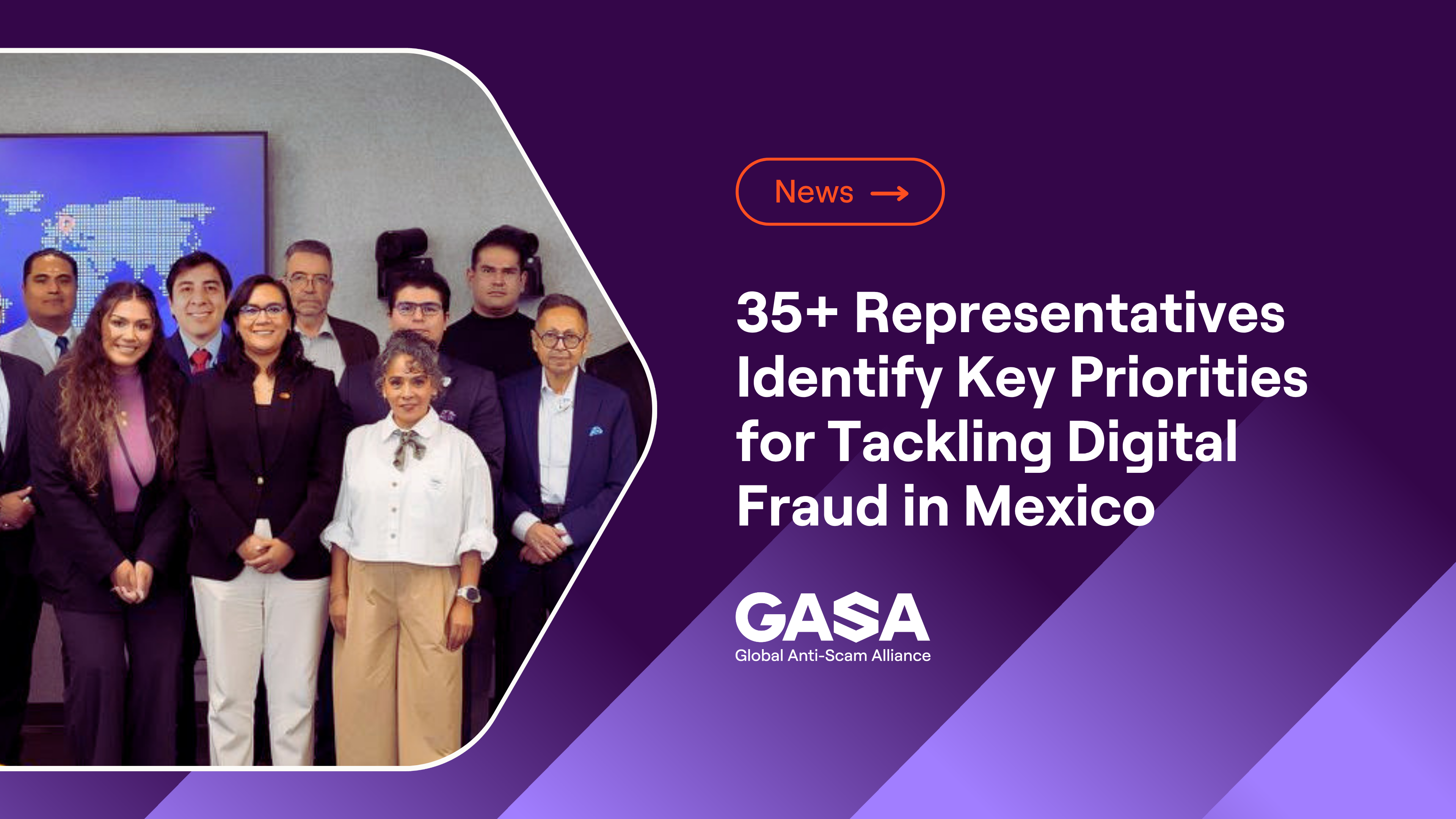
GASA Mexico's Second Roundtable Advances Coordinated Action Against Digital Fraud
GASA Mexico's second roundtable brought together more than 35 representatives to strengthen coordination across cybersecurity, fraud prevention and other sectors.