
As tax season approaches, UK taxpayers are once again being targeted by sophisticated scam operations designed to exploit the complexities of the HMRC (Her Majesty’s Revenue and Customs) correspondence system. These fraudulent schemes, similar to those observed in Portugal and other parts of the world, pose significant risks to individuals and businesses alike, with scammers going to great lengths to mimic official HMRC communications.
The Rise of Fake HMRC Letters
A recent report from Sajid Ghufoor, Head of Azets Tax Investigation & Dispute Resolution Services and a former HMRC Inspector, highlighted the alarming trend of fake HMRC letters being sent to unsuspecting taxpayers. These letters are meticulously crafted to resemble genuine HMRC correspondence, often using actual team names and details to enhance their authenticity. The situation is exacerbated by the fact that legitimate HMRC letters, particularly "nudge" letters and non-standard enquiry letters, often lack direct contact details for verification, making it even more challenging for recipients to discern the authenticity of the communication.
In a LinkedIn post , Ghufoor shared a letter received by a client that initially appeared to be from HMRC; however, upon closer inspection by his team, it was revealed to be a sophisticated scam. The scam letter in question uses the legitimate HMRC team name “Indv and Small Business Compliance” but does not contain the correct HMRC tax reference, requesting sensitive financial information from the recipient, including business bank statements, VAT returns, and personal identification documents. The letter uses a legitimate-looking format, complete with HMRC's logo, a government-style reference number, and formal language to deceive recipients.
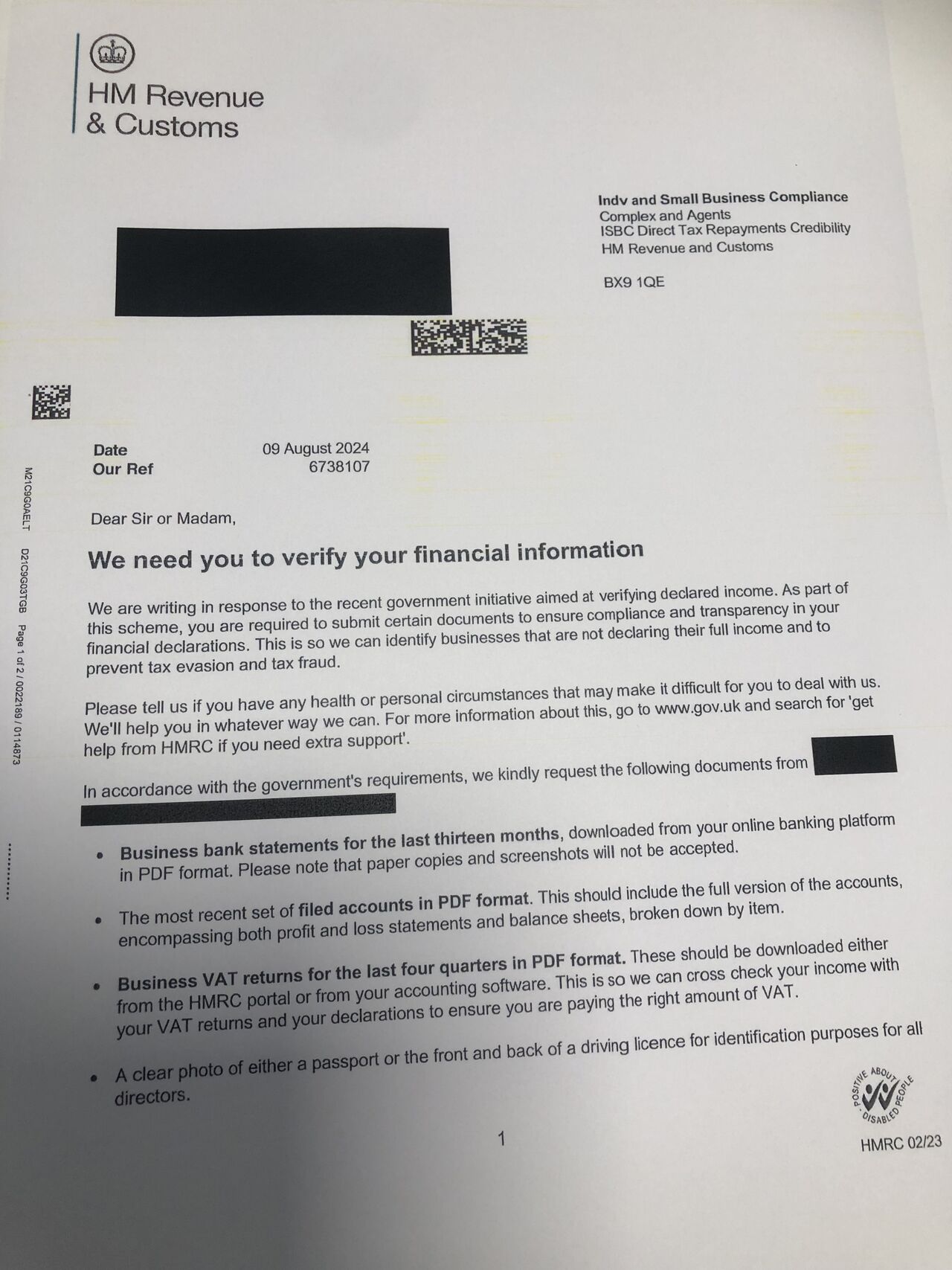
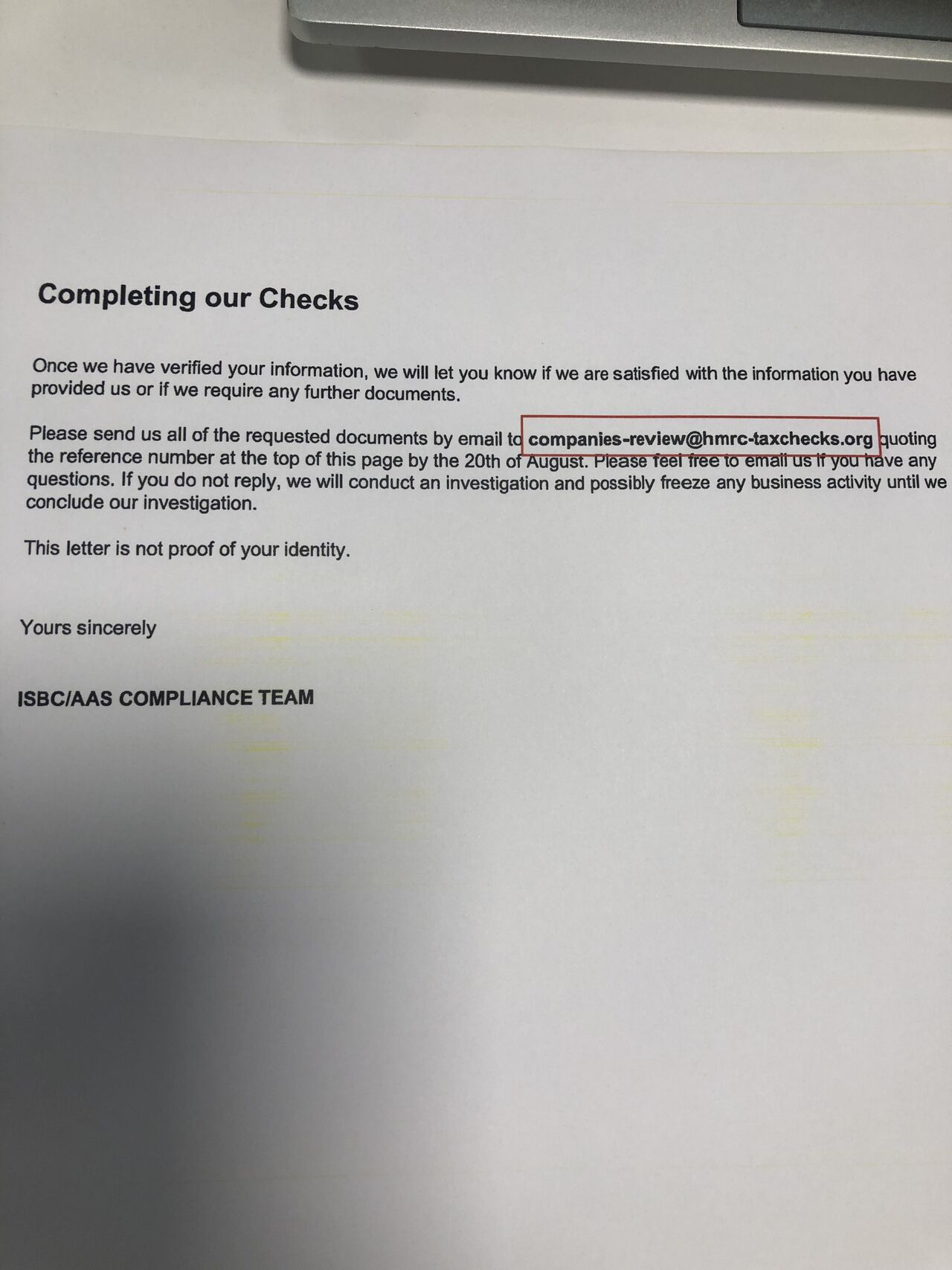
One glaring red flag in the letter is the email address provided for submitting the documents: companies-review@hmrc-taxchecks.org . This domain is not associated with HMRC, and its use is a clear indication of fraud. While the letter correctly references the legitimate HMRC team names 'Indv and Small Business Compliance' and 'Complex and Agents,' the incorrect tax reference within the letter is a clear red flag.

Scammers often employ such tactics, creating domains and using official-sounding but incorrect terminology to trick victims into believing the communication is genuine. The potential consequences of falling for such a scam are severe, including identity theft and financial fraud.
Scammers' Techniques: Sophistication and Precision
These scams are not limited to simple email phishing attempts. Scammers are now utilising a range of sophisticated techniques, including the creation of fake domains that closely resemble official HMRC domains. For instance, a fraudulent domain was registered via a popular domain provider and linked to a seemingly legitimate email service, further complicating the process of identifying the scam. The use of QR codes in these letters has also been reported, directing recipients to fraudulent websites designed to capture sensitive information.
The Need for Robust Countermeasures
In response to the increasing sophistication of these scams, Sajid Ghufoor emphasised the necessity for HMRC to improve the design of their letters to better protect the public from fraud. He stated, "If we are to avoid this potentially destructive situation, it is incumbent on HMRC to better design their letters to be ‘scammer proof’ given that it seems to prefer this approach to standard Compliance Enquiries."
To achieve this, Ghufoor suggests several enhancements to HMRC’s communication methods:
Incorporate Unique Identifiers: Each letter should include a unique identifier that can be cross-referenced with HMRC’s secure online portal. This would allow recipients to verify the authenticity of the communication directly, reducing the risk of falling victim to scams.
Regular Public Awareness Campaigns: Ghufoor also suggests that HMRC should engage in continuous public awareness campaigns, educating taxpayers about the latest scam tactics and the official communication methods used by HMRC. By keeping the public informed, HMRC can help taxpayers stay one step ahead of scammers.
Include Clear Contact Information: Every official letter should provide clear and direct contact details, such as a dedicated helpline or secure email address, where taxpayers can easily verify the letter's content. This would eliminate the ambiguity that scammers currently exploit.
Adopt Secure Communication Channels: HMRC could implement more secure channels for sensitive communications, such as encrypted email systems or secure online portals that require login credentials, further reducing the likelihood of successful phishing attempts.
Taxpayers must also take proactive steps to protect themselves. Always verify the authenticity of any communication claiming to be from HMRC. Here are some practical tips:
Check the Email Address: HMRC will never ask for sensitive information via non-secure email addresses like the one mentioned above. Legitimate HMRC email addresses typically end in @ hmrc.gov.uk .
Contact HMRC Directly: If you receive a letter or email that seems suspicious, do not use the contact information provided in the suspicious communication. Instead, use the official HMRC contact number listed on their website to verify the request.
Report Suspicious Activity: You can report phishing emails, suspicious letters, or scam calls directly to HMRC. Visit the official HMRC report page for more details.
Final Advice: Stay Vigilant
Whether it’s through an app, an email, or a letter in the mail, it’s essential to confirm the identity of the person you’re dealing with. If they’re not physically present in front of you, you can’t be certain who they truly are. Scammers are continually refining their methods, so it’s essential to remain cautious and sceptical of any unexpected requests for personal information.
For more insights into how scams operate and how to protect yourself, you can also read our article on the Portugal Tax Authority Scam .
About the Author
James Greening , operating under a pseudonym, brings a wealth of experience to his role. Formerly the sole driving force behind Fake Website Buster, James leverages his expertise to raise awareness about online scams. He currently serves as a Content Marketing & Design Specialist for the Global Anti-Scam Alliance (GASA).
James’s mission aligns with GASA’s mission to protect consumers worldwide from scams. He is committed to empowering professionals with the insights and tools necessary to detect and mitigate online scams, ensuring the security and integrity of their operations and digital ecosystems.

BanCoppel joins the Global Anti-Scam Alliance to bolster fraud prevention and safeguard individuals entering the banking system.
BanCoppel has joined the Global Anti-Scam Alliance (GASA) as a Corporate Member of the GASA Mexico Chapter.
The emotions scammers exploit: how social engineering influences our decisions
How scammers use fear, urgency, excitement and trust to influence decisions, and how recognising these tactics can help people prevent fraud.

Global Anti-Scam Alliance Welcomes Mastercard as Founding Member of Its Mexico Chapter
The Global Anti-Scam Alliance (GASA) announces the membership of Mastercard as a Member of its Mexico Chapter.

What Uganda’s IVR Trial Shows About Practice-Based Scam Prevention
A Uganda IVR trial shows how practice-based fraud prevention helped mobile money users reduce losses and increase reporting.
FTC’s Never EVER Campaign Helps Prevent Elder Financial Abuse With Simple, Specific Scam Warnings
The FTC’s Never EVER campaign uses simple, specific imposter scam warnings to help prevent elder financial abuse and support coordinated consumer education.
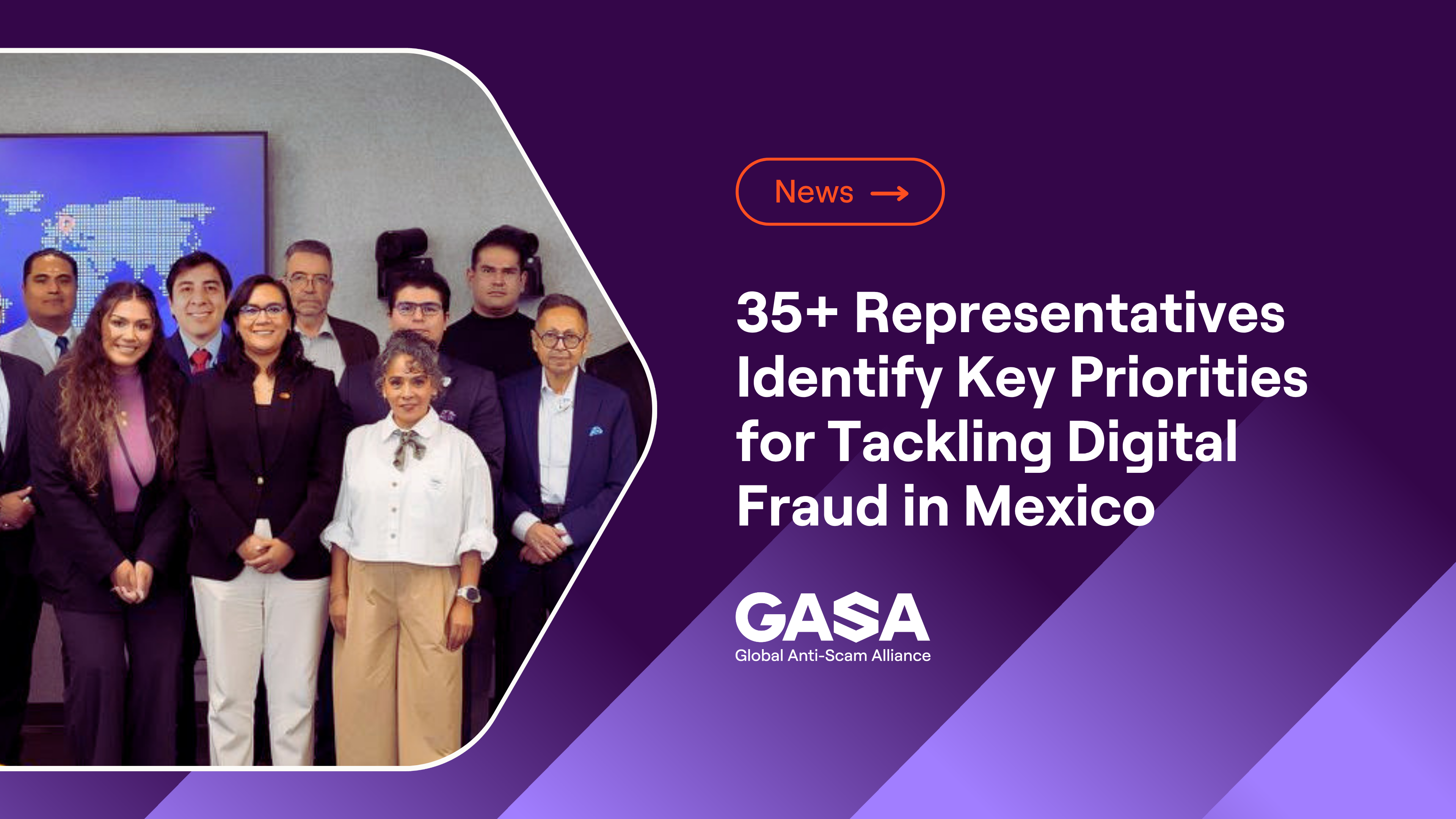
GASA Mexico's Second Roundtable Advances Coordinated Action Against Digital Fraud
GASA Mexico's second roundtable brought together more than 35 representatives to strengthen coordination across cybersecurity, fraud prevention and other sectors.

Cognyte Joins Global Anti-Scam Alliance to Fight Financial Fraud Threats
Cognyte, a global leader in investigative analytics software, today announced its membership in the Global Anti-Scam Alliance (GASA).
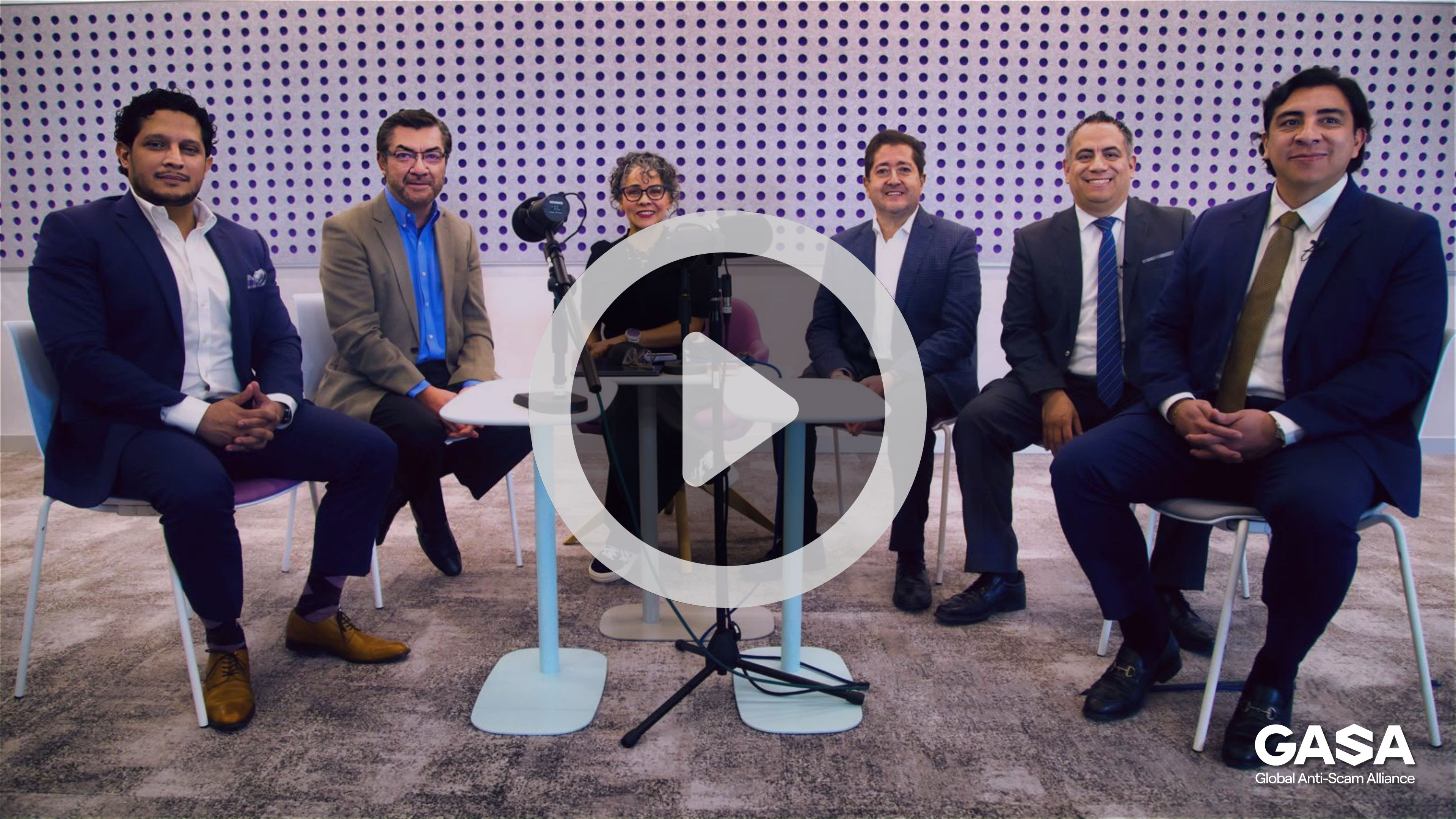
A network is beaten by a network: Mexico's banks move from remediation to prevention
GASA convened the ABM Fraud Committee and Mexican banks to advance the enriched agreement and strengthen coordinated fraud prevention across the sector.