
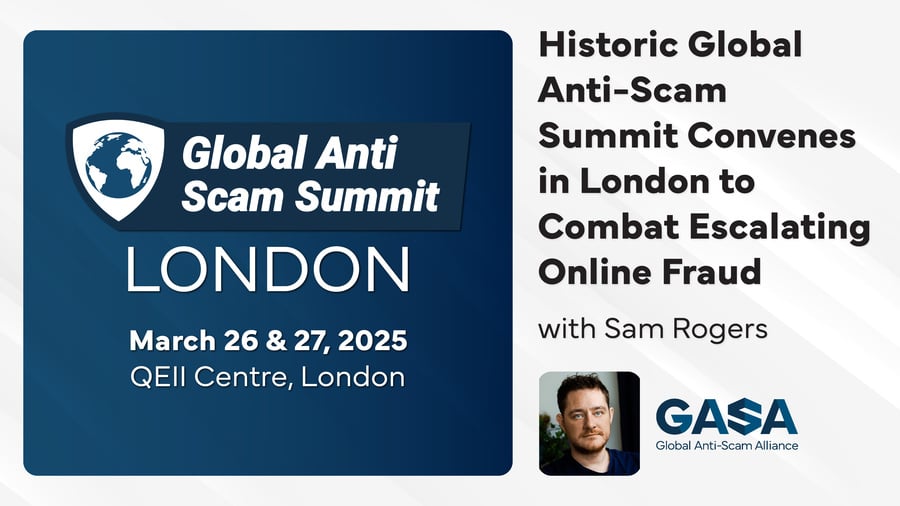
The World's largest gathering of international leaders, law enforcement, and industry experts aims to reshape the fight against global scams
In a landmark event, the United Kingdom will host the Global Anti-Scam Summit (GASS) London 2025, bringing together an unprecedented number of policymakers, industry leaders, and cybersecurity experts. This summit, organized by the UK Home Office , Global Anti-Scam Alliance (GASA) , Cifas , and Euroconsumers , is set to be the most significant anti-scam event to date, with a focus on forging global partnerships to address the rampant rise of online scams, which last year cost the global economy nearly US$1.03 trillion.
Unveiling Global Strategies Against Scams
The summit will kick off with keynote speeches from top international figures, including The Rt Hon Lord Hanson of Flint , who will outline the UK's initiatives and the collaborative efforts needed to combat this global menace. Discussions will focus on enhancing international cooperation, harmonizing scam prevention efforts, and leveraging technology to protect consumers worldwide.
Panel discussions on the first day will explore the urgent need for coordinated global action. Sessions will dive into the human cost of scams, share international lessons in scam prevention, and highlight the role of public-private partnerships in advancing fraud legislation and industry best practices. The main focus of the event is to foster cross-border and -sector collaborations.
Industry Leaders to Drive Technological Innovations
The summit will also feature contributions from tech giants and financial institutions, focusing on how cutting-edge technologies like AI can be utilized to thwart scammers effectively. Industry leaders will discuss the creation of the Global Signal Exchange, an innovative platform aimed at enhancing data sharing across borders to better track and prevent scams.
Day two of GASS London 2025 will be dedicated to solutions-focused workshops and breakout sessions. Experts will present the latest advancements in scam detection and prevention, from deepfake recognition to strategies for securing digital identities.
Interactive discussions will enable participants to share insights and develop actionable strategies for protecting consumers globally, such as the GASA recommendation that every country should have a dedicated national anti-scam centre.
The summit will look to solidify commitments from attending public and private organizations and set a roadmap for international cooperation through 2026 and beyond.
GASS London 2025 is a call to action for every stakeholder in the fight against online fraud. It offers a unique opportunity to join forces with global leaders and take a stand against the cyber threats that impact millions of lives each year.
Selected speakers include:
Aad Lensen, Jeroen Niessen, and Ruben van Well, Dutch Police
Andrei Skorobogatov, Home Office
Angelique Miet, European Commission
Ben Donaldson, UK Finance
Dr Elizabeth Carter, Kingston University London
Els Bruggeman, Euroconsumers
Hedwige Nuyens, International Banking Federation (IBFed)
Henriette Bongers, FraudeHelpdesk.nl
Jayde Richmond, Australian National Anti-Scam Centre
Jean-Jacques Sahel, Google
Jorij Abraham, GASA
Kate Griffin, Aspen Institute
Kitboga, YouTube Scambaiter
Laura Kankaala, F-Secure
Lucia Harris, Match Group
Luke Reynolds, Mastercard
Lynette Owens, Trend Micro
Mike Haley, Cifas
Natalie Black, OFCOM
Nathaniel Gleicher, Meta
The event agenda and attendance tickets are available here: https://www.gasa.org/gass-2025-london
BanCoppel joins the Global Anti-Scam Alliance to bolster fraud prevention and safeguard individuals entering the banking system.
BanCoppel has joined the Global Anti-Scam Alliance (GASA) as a Corporate Member of the GASA Mexico Chapter.
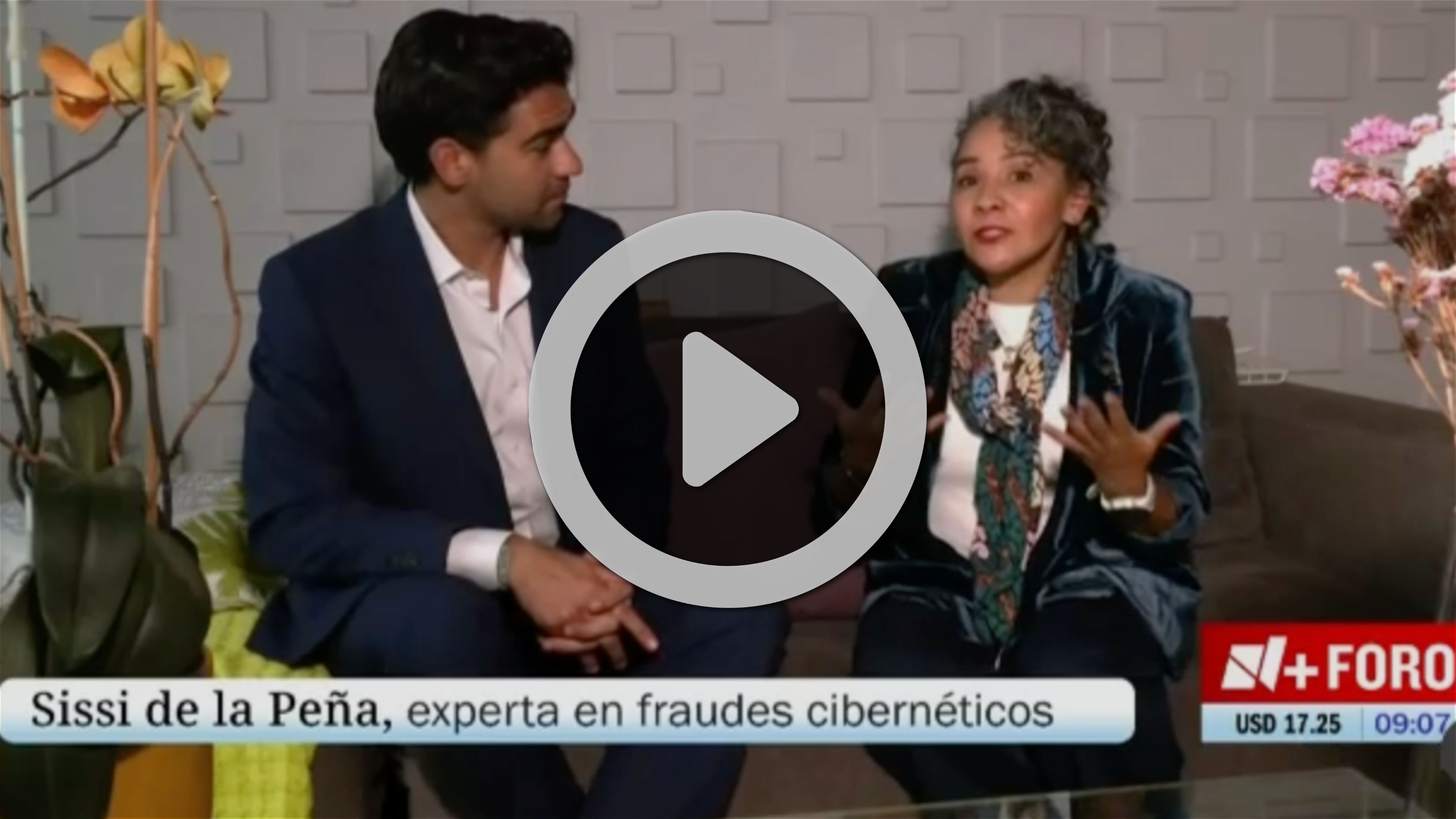
The emotions scammers exploit: how social engineering influences our decisions
How scammers use fear, urgency, excitement and trust to influence decisions, and how recognising these tactics can help people prevent fraud.

Global Anti-Scam Alliance Welcomes Mastercard as Founding Member of Its Mexico Chapter
The Global Anti-Scam Alliance (GASA) announces the membership of Mastercard as a Member of its Mexico Chapter.
What Uganda’s IVR Trial Shows About Practice-Based Scam Prevention
A Uganda IVR trial shows how practice-based fraud prevention helped mobile money users reduce losses and increase reporting.
FTC’s Never EVER Campaign Helps Prevent Elder Financial Abuse With Simple, Specific Scam Warnings
The FTC’s Never EVER campaign uses simple, specific imposter scam warnings to help prevent elder financial abuse and support coordinated consumer education.
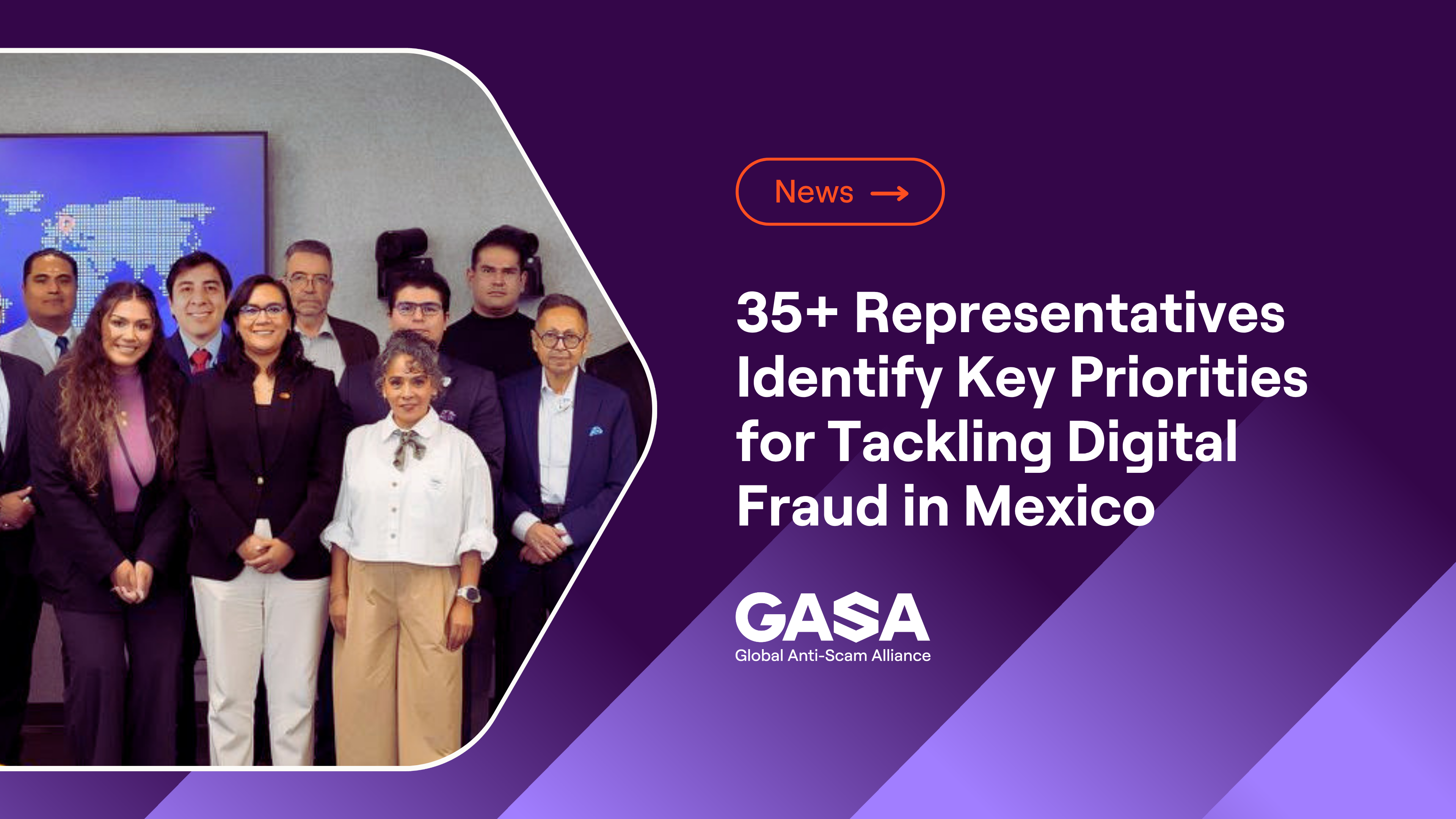
GASA Mexico's Second Roundtable Advances Coordinated Action Against Digital Fraud
GASA Mexico's second roundtable brought together more than 35 representatives to strengthen coordination across cybersecurity, fraud prevention and other sectors.
Cognyte Joins Global Anti-Scam Alliance to Fight Financial Fraud Threats
Cognyte, a global leader in investigative analytics software, today announced its membership in the Global Anti-Scam Alliance (GASA).
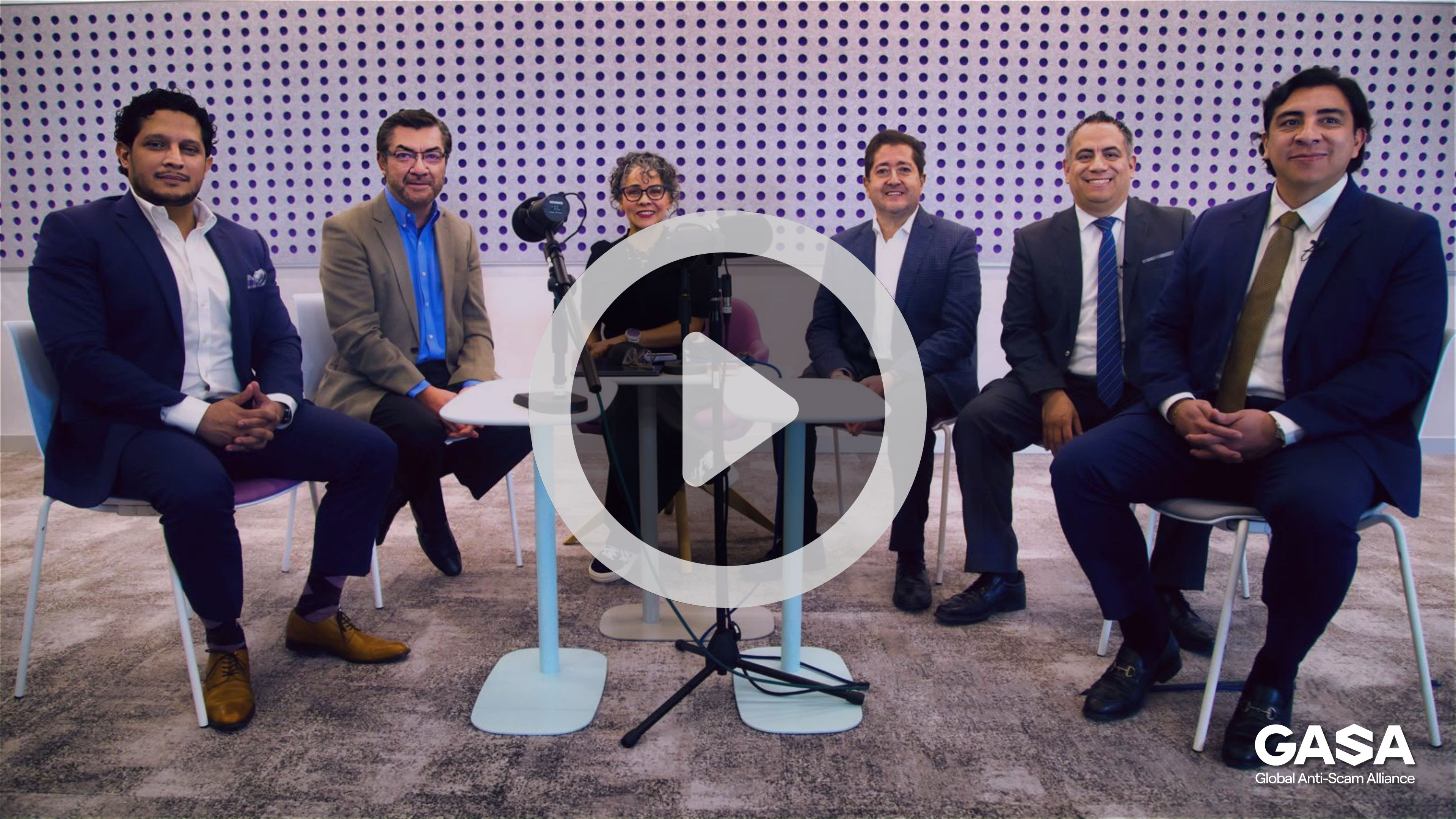
A network is beaten by a network: Mexico's banks move from remediation to prevention
GASA convened the ABM Fraud Committee and Mexican banks to advance the enriched agreement and strengthen coordinated fraud prevention across the sector.