
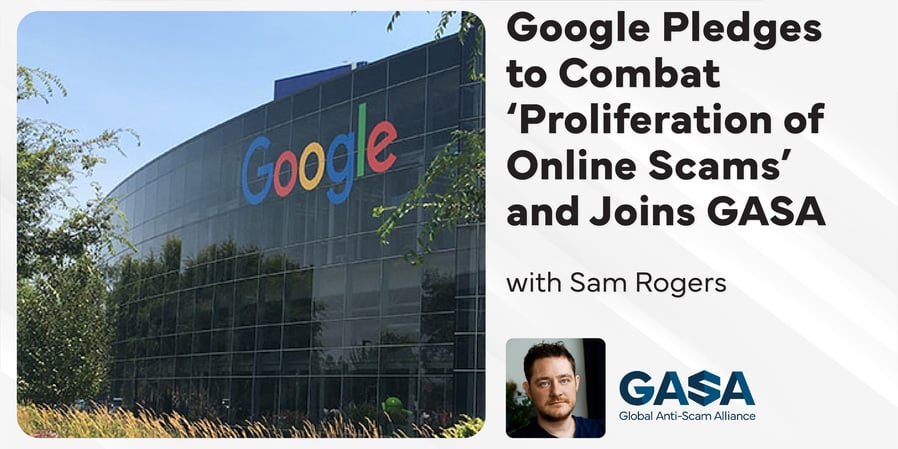
GASA’s fast-growing international network unites stakeholders against fraudsters
Google has formally joined the Global Anti-Scam Alliance (GASA) , a large network of organizations committed to protecting consumers from the activities of online fraudsters. The decision to sign as a foundation member of GASA signals the Internet heavyweight’s commitment to enhancing cybersecurity and consumer protection on a worldwide scale. Angela McKay , Google’s Director of Trust and Safety will take a place on the GASA advisory board, amid rising fears that the proliferation of fraud continues to spiral out of control. Ms. McKay will sit alongside GASA foundation member representatives, including Amazon , Feedzai , Gogolook , ScamAdviser , and Trend Micro .
Following its annual Global State of Scams report , which recently uncovered consumer losses of over $1 trillion, GASA is leading the formation of a cross-sector network to mitigate the online threats targeting consumers. Google joins Global Anti-Scam Alliance to link up with over 100 organizations within the alliance, including governments, law enforcement, consumer protection, financial authorities and services, social media, internet service providers and cybersecurity professionals.
Tech giant’s expertise bolsters GASA’s unified approach to scam mitigation strategies as Google joins Global Anti-Scam Alliance
Announcing the partnership in Singapore, Amanda Storey , Managing Director of Trust & Safety at Google, emphasized the collaborative nature of this initiative: "The proliferation of online scams fraud has become a pressing concern globally. To effectively address this intricate challenge, a collaborative approach is of paramount importance. Joining hands with the Global Anti-Scam Alliance and its members aligns with our vision in creating a safer internet for everyone. We can synergistically advance best practices and collectively combat scams and fraud together."
Jorij Abraham , Managing Director of GASA said, "The decision of Google to commit their support to the Global Anti-Scam Alliance marks a significant shift. Google’s involvement shows that tech companies are convinced of the critical need for cross-sector collaboration to address online scams effectively. Together, we aim to set new standards in the protection of consumers and businesses alike, making the digital world a safer place for everyone."
As it welcomes Google to the alliance, GASA will continue to focus on developing innovative strategies to address online fraud, sharing best practices, and enhancing consumer awareness about scams. The next Global Anti-Scam Summit will take place on June 24–25, in Brussels.
About the Global Anti-Scam Alliance (GASA)
The Global Anti-Scam Alliance is a non-profit organization dedicated to combating scams worldwide. By uniting cross-sector stakeholders, GASA fosters a collaborative environment to share insights, research, and solutions to protect consumers from fraud and scams.
PR Contact: Sam Rogers, Marketing Director, Global Anti-Scam Alliance. sam.rogers@gasa.org
BanCoppel joins the Global Anti-Scam Alliance to bolster fraud prevention and safeguard individuals entering the banking system.
BanCoppel has joined the Global Anti-Scam Alliance (GASA) as a Corporate Member of the GASA Mexico Chapter.
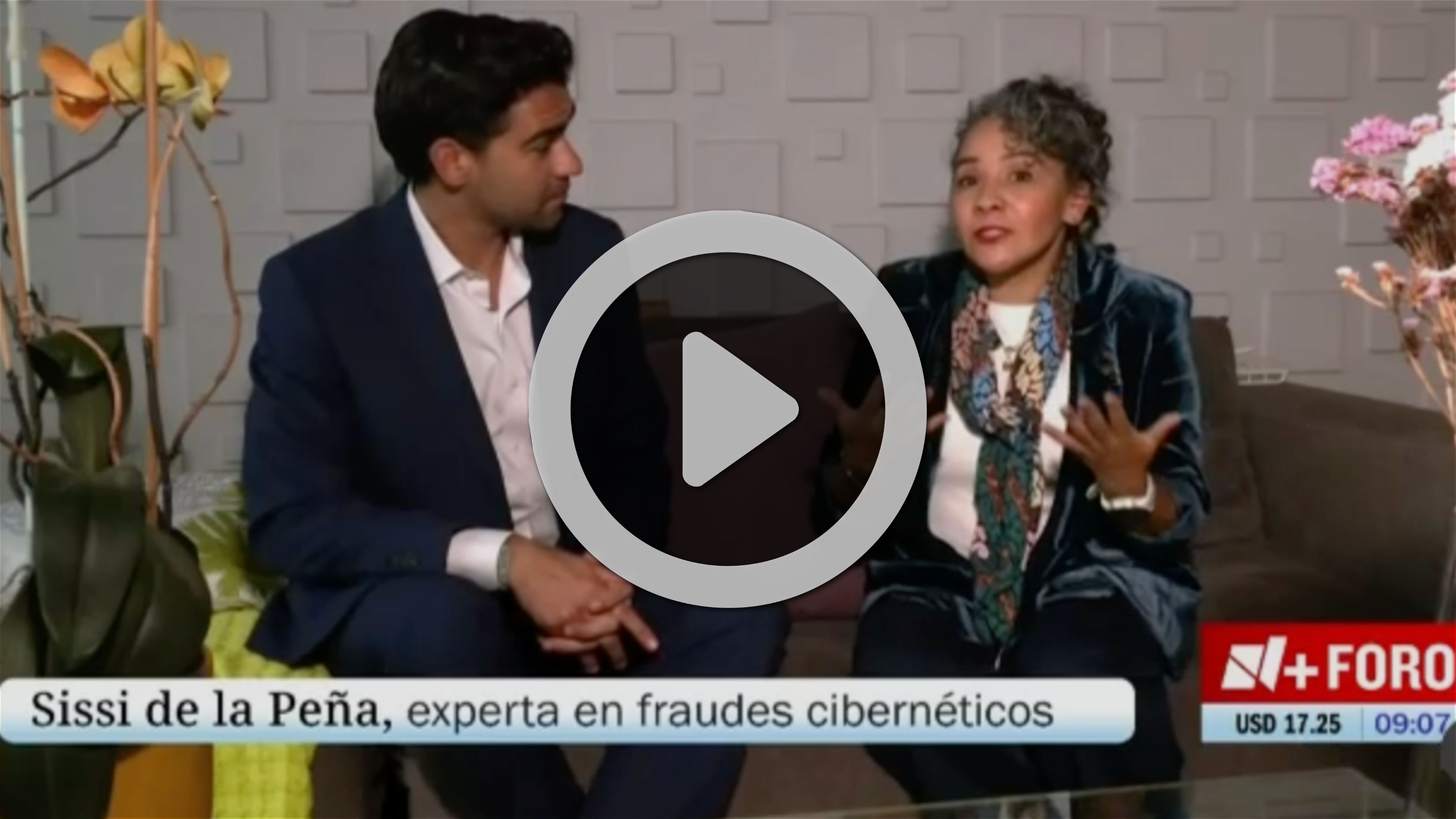
The emotions scammers exploit: how social engineering influences our decisions
How scammers use fear, urgency, excitement and trust to influence decisions, and how recognising these tactics can help people prevent fraud.

Global Anti-Scam Alliance Welcomes Mastercard as Founding Member of Its Mexico Chapter
The Global Anti-Scam Alliance (GASA) announces the membership of Mastercard as a Member of its Mexico Chapter.
What Uganda’s IVR Trial Shows About Practice-Based Scam Prevention
A Uganda IVR trial shows how practice-based fraud prevention helped mobile money users reduce losses and increase reporting.
FTC’s Never EVER Campaign Helps Prevent Elder Financial Abuse With Simple, Specific Scam Warnings
The FTC’s Never EVER campaign uses simple, specific imposter scam warnings to help prevent elder financial abuse and support coordinated consumer education.
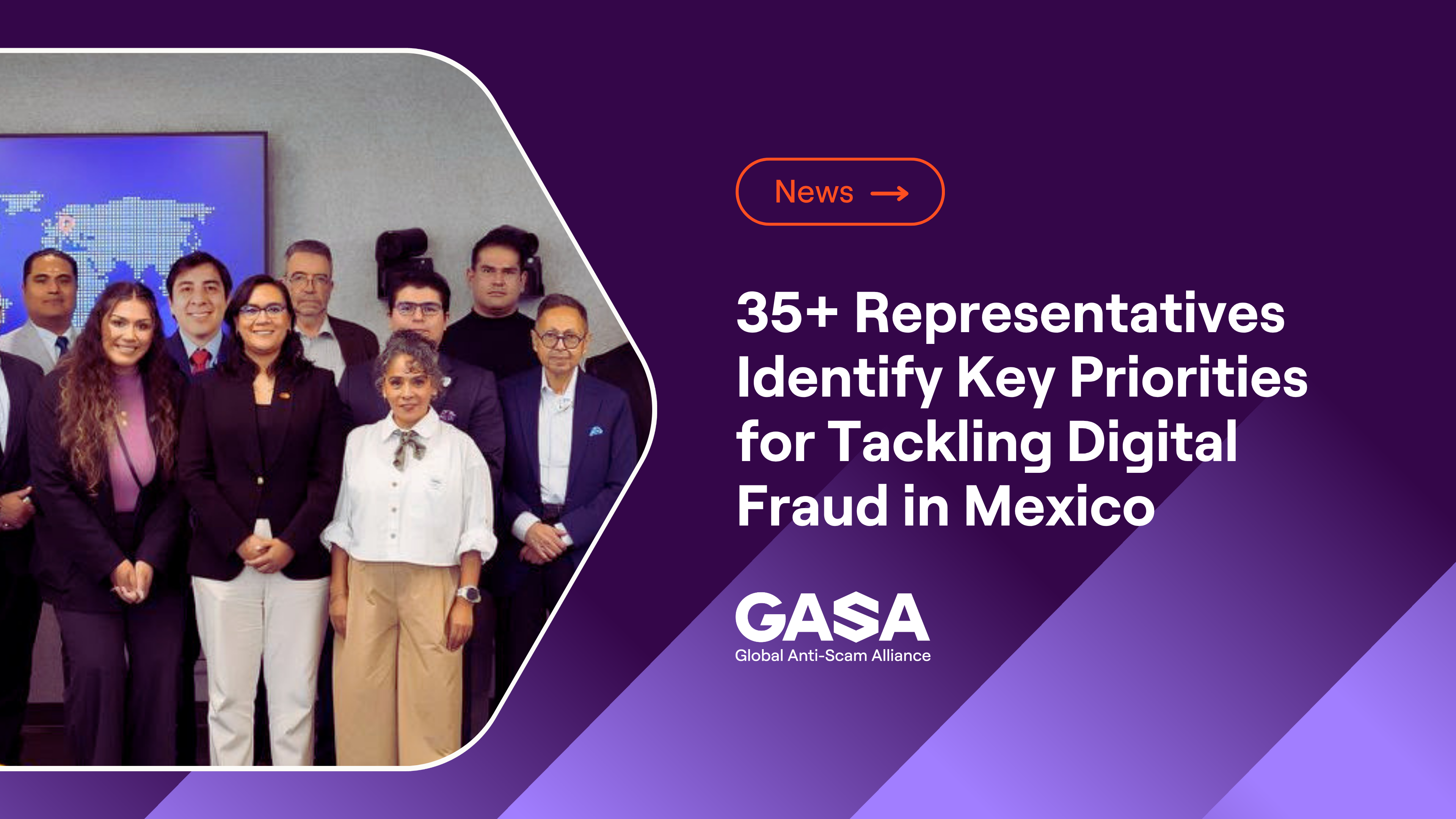
GASA Mexico's Second Roundtable Advances Coordinated Action Against Digital Fraud
GASA Mexico's second roundtable brought together more than 35 representatives to strengthen coordination across cybersecurity, fraud prevention and other sectors.
Cognyte Joins Global Anti-Scam Alliance to Fight Financial Fraud Threats
Cognyte, a global leader in investigative analytics software, today announced its membership in the Global Anti-Scam Alliance (GASA).
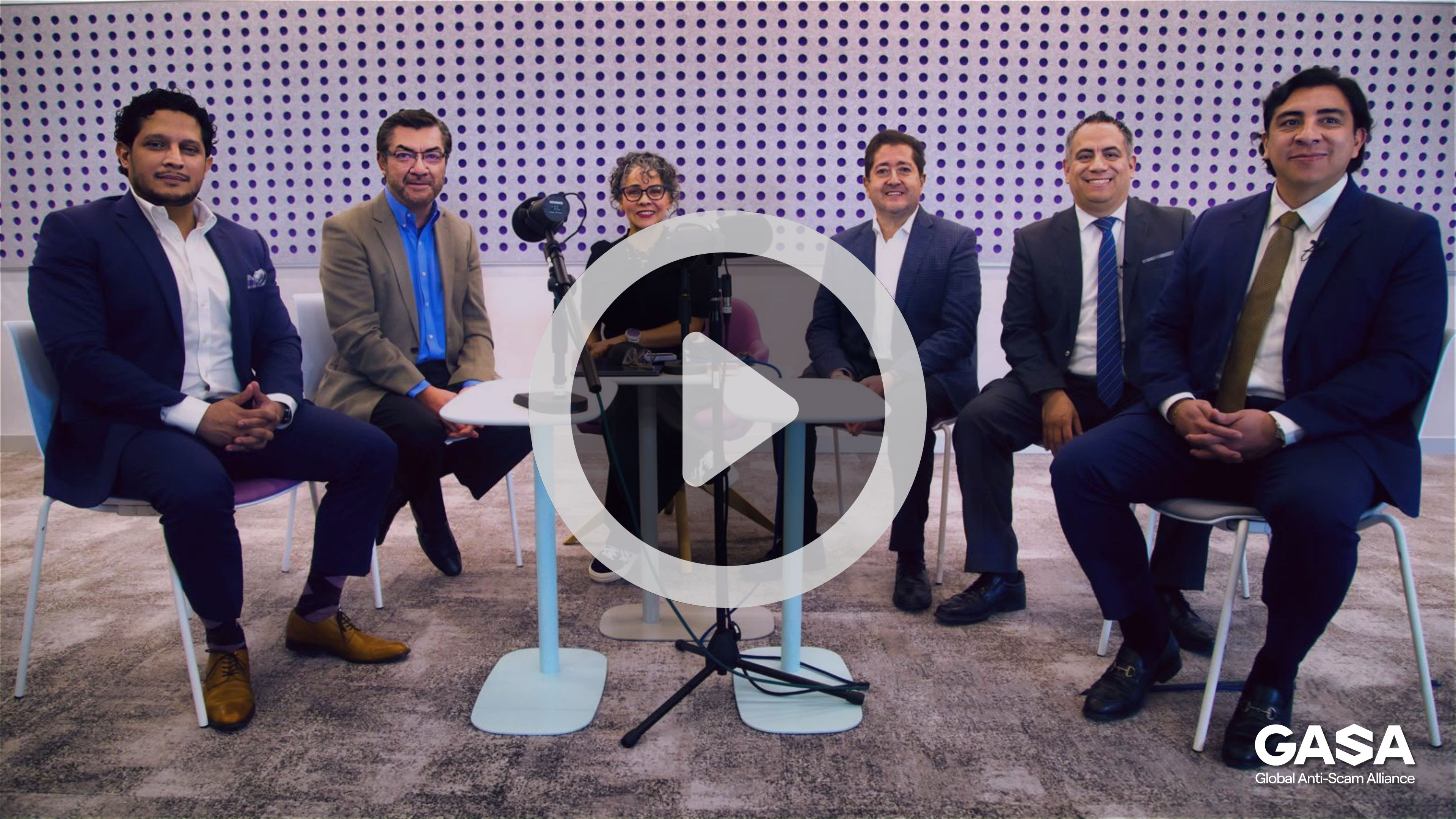
A network is beaten by a network: Mexico's banks move from remediation to prevention
GASA convened the ABM Fraud Committee and Mexican banks to advance the enriched agreement and strengthen coordinated fraud prevention across the sector.