
Date of Event: 26–27 March 2025
Event: Global Anti-Scam Summit London 2025
The Global Signal Exchange (GSE) session at the Global Anti-Scam Summit London 2025 showcased the powerful potential of global data collaboration in disrupting scam networks. With participation from major tech platforms, banking associations, law enforcement, and government representatives, this workshop demonstrated how sharing signals across sectors can significantly reduce coordination barriers and accelerate fraud prevention.
André Naumann of Google opened with a deep dive into the company’s support for the GSE, highlighting how the initiative streamlines internal processes, shrinks signal acquisition time, and enhances multi-sector intelligence sharing. He also shared details of a successful bilateral signal-sharing pilot between Google and Meta, where shared scam signals resulted in rapid enforcement actions.
Emily Taylor of DNS Research Federation myth-busted the notion that privacy laws obstruct fraud prevention. Instead, she emphasised how privacy and data sharing can co-exist within legal frameworks, with appropriate controls and clear governance.
Lucien Taylor followed with a technical walkthrough of the GSE’s capabilities, including real-time threat ingestion, league tables, and feedback mechanisms. He noted that the GSE now ingests up to one million new threat signals daily, with a growing partner base and over 135 million signals shared to date. He stressed the importance of data quality, velocity, and shared intelligence in stopping scams faster and more effectively.
The panel discussion brought in perspectives from Meta, Spamhaus, the UK Home Office, the American Bankers Association, 5OH Consulting, and others. Speakers underscored the need for industry-wide participation, creative use cases, and brave leadership to tackle cross-border fraud threats. The workshop ended with a call to action: “It takes a network to defeat a network.”

BanCoppel joins the Global Anti-Scam Alliance to bolster fraud prevention and safeguard individuals entering the banking system.
BanCoppel has joined the Global Anti-Scam Alliance (GASA) as a Corporate Member of the GASA Mexico Chapter.
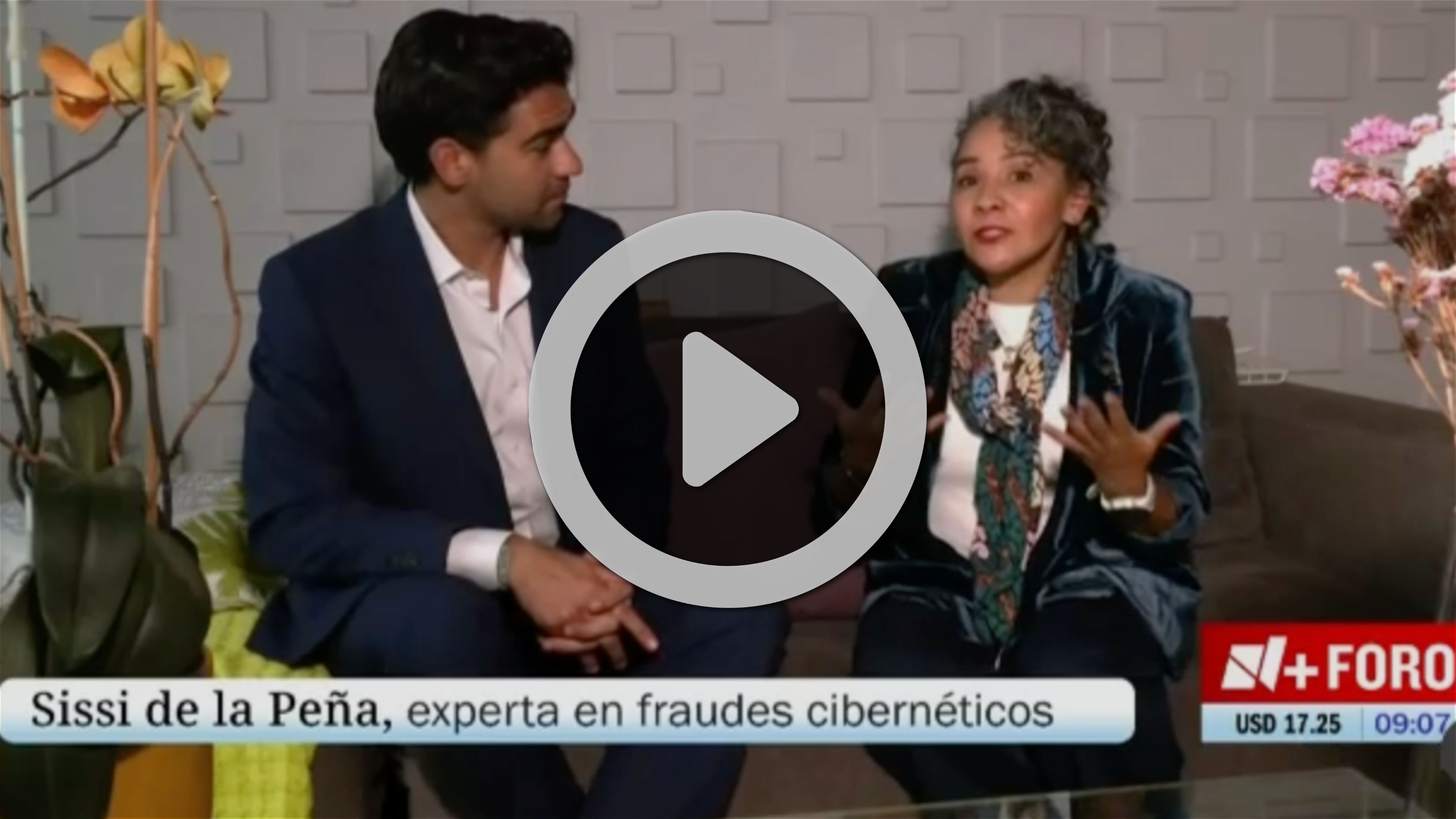
The emotions scammers exploit: how social engineering influences our decisions
How scammers use fear, urgency, excitement and trust to influence decisions, and how recognising these tactics can help people prevent fraud.

Global Anti-Scam Alliance Welcomes Mastercard as Founding Member of Its Mexico Chapter
The Global Anti-Scam Alliance (GASA) announces the membership of Mastercard as a Member of its Mexico Chapter.
What Uganda’s IVR Trial Shows About Practice-Based Scam Prevention
A Uganda IVR trial shows how practice-based fraud prevention helped mobile money users reduce losses and increase reporting.
FTC’s Never EVER Campaign Helps Prevent Elder Financial Abuse With Simple, Specific Scam Warnings
The FTC’s Never EVER campaign uses simple, specific imposter scam warnings to help prevent elder financial abuse and support coordinated consumer education.
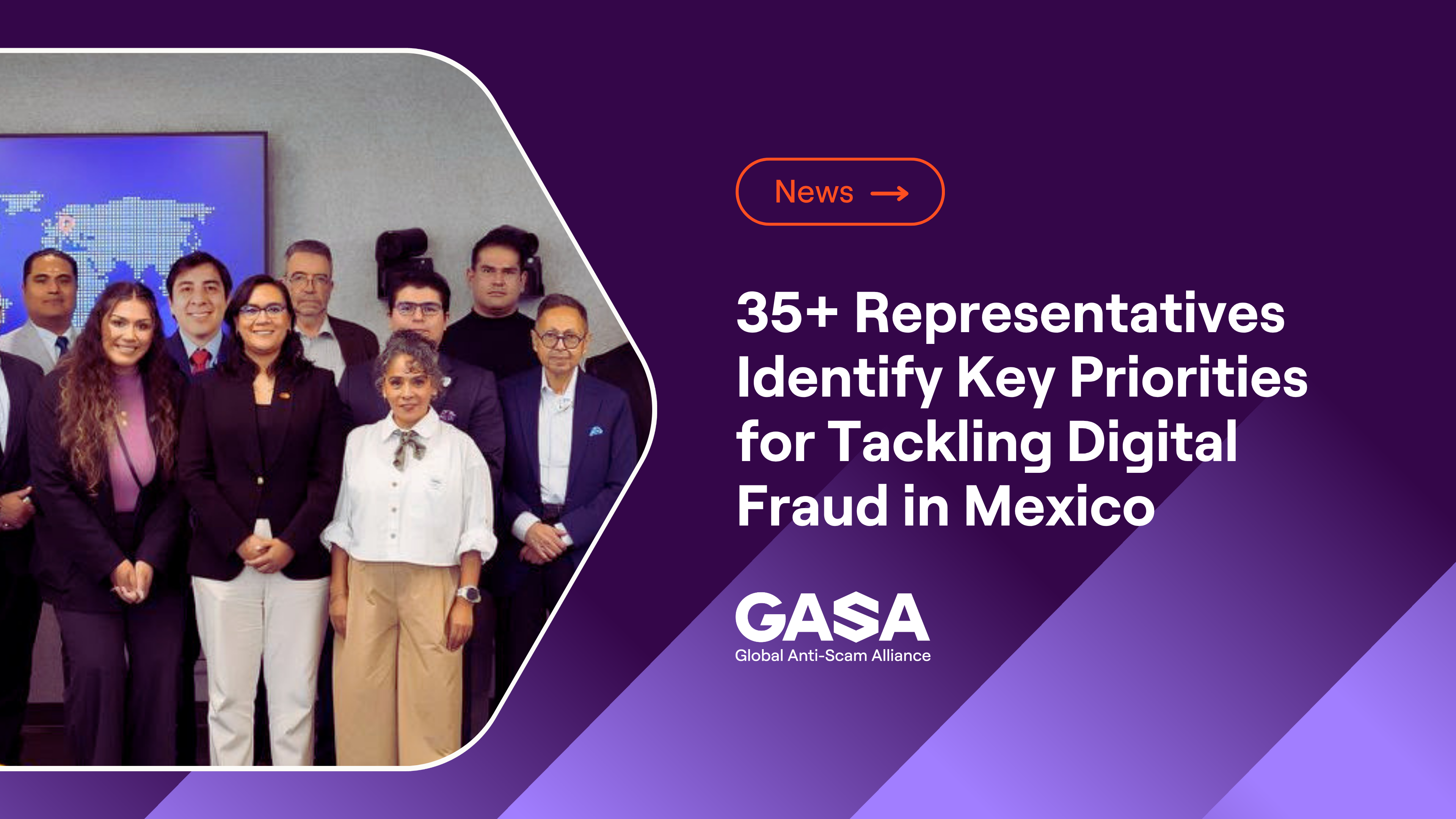
GASA Mexico's Second Roundtable Advances Coordinated Action Against Digital Fraud
GASA Mexico's second roundtable brought together more than 35 representatives to strengthen coordination across cybersecurity, fraud prevention and other sectors.
Cognyte Joins Global Anti-Scam Alliance to Fight Financial Fraud Threats
Cognyte, a global leader in investigative analytics software, today announced its membership in the Global Anti-Scam Alliance (GASA).
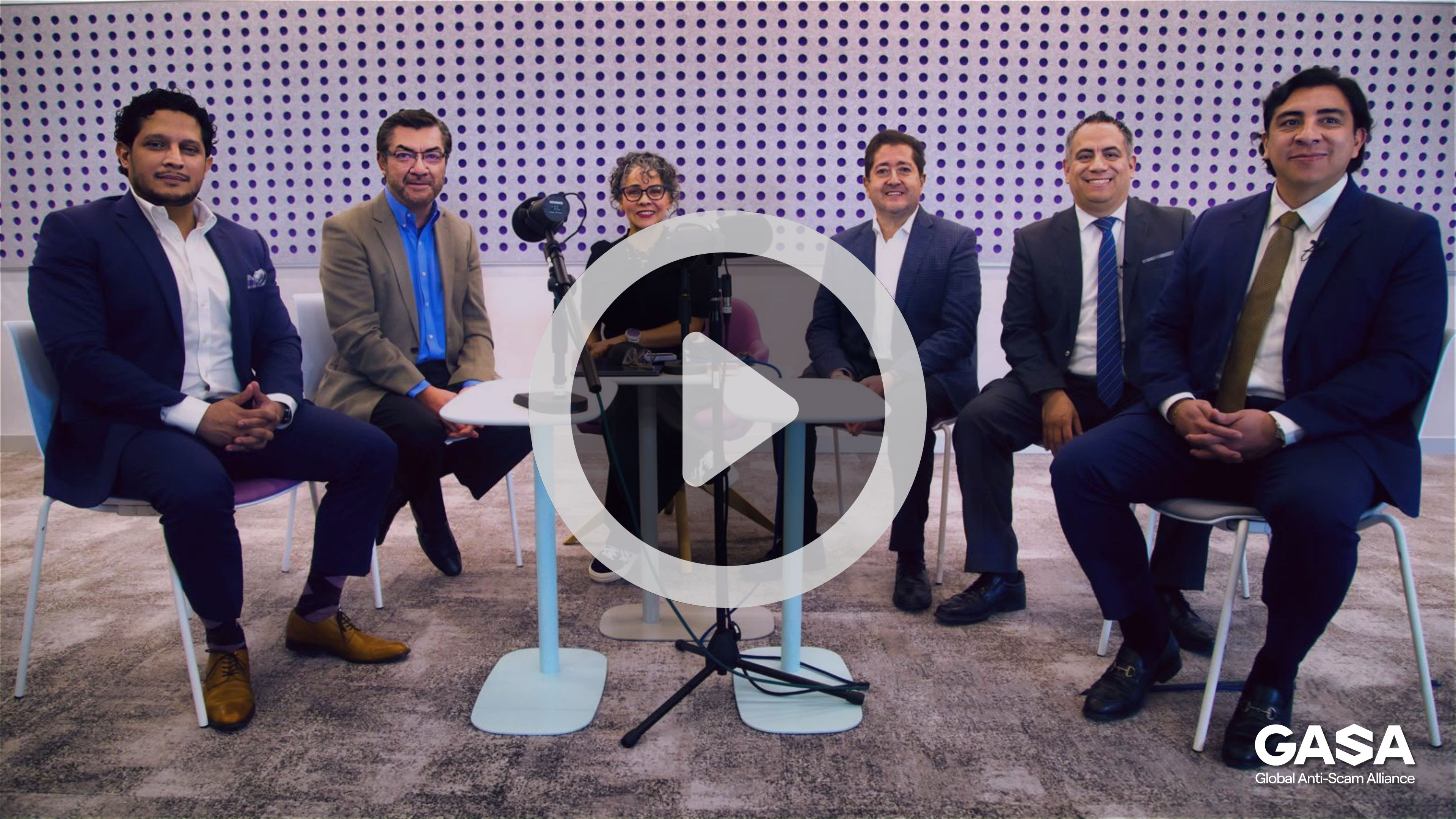
A network is beaten by a network: Mexico's banks move from remediation to prevention
GASA convened the ABM Fraud Committee and Mexican banks to advance the enriched agreement and strengthen coordinated fraud prevention across the sector.