
Global Anti-Scam Alliance and Feedzai Release Global State of Scams 2025
The Netherlands, 7 October 2025 – The Global Anti-Scam Alliance (GASA), in partnership with Feedzai, has released the Global State of Scams 2025 Report . Based on a survey of 46,000 adults across 42 markets, the report provides a comprehensive analysis of the prevalence, impact, and policy challenges of scams worldwide.
In the past 12 months, 57 percent of adults worldwide experienced a scam and 23 percent lost money. Shopping scams affected 54 percent of victims, while investment scams and unexpected money scams each impacted 48 percent. Scam encounters were most frequent in South America, Africa, and Oceania, where up to one in four adults lost money in the last year.
The research also highlights the emotional toll of scams. 69 percent of victims reported (huge) stress as a result, while 17 percent reported a loss of confidence and 14 percent said scams created heightened tension within their family unit. Despite this, many scams remain unreported, with uncertainty over where to report being the main barrier.
93% of adults globally claim to take at least one step to verify if an offer is legitimate or not.
However, many often rely on methods that are less effective such as checking for spelling and grammar errors (27%); looking for reviews on the same website (24%) and checking if the company is on social media (21%).
Despite nearly three quarters of adults globally feeling confident in their ability to recognise a scam, scams remain prevalent, with many scam victims losing money and a significant proportion never reporting their encounters.
Jorij Abraham, Managing Director of GASA, comments: “We have a huge challenge, 73 percent of people worldwide feel confident they can recognize scams, however, nearly a quarter still lost money in the past year. Scams are not only draining finances but also eroding trust and creating significant stress within families. We are learning that scam awareness campaigns alone are not enough. We need to continuously educate consumers, build better solutions to recognize and block (AI) scams and work internationally closer to get to catch the scammers.
“Fraud isn’t just about transactions anymore. It’s about intent. Criminals are exploiting trust, behavior, and technology in real time. Stopping them takes more than spotting anomalies; it takes understanding human patterns. No single bank or payment provider can do that alone. The only way forward is collaboration across financial institutions and cybersecurity teams. That’s how we protect consumers everywhere.” — Nuno Sebastião, CEO, Feedzai The Global State of Scams 2025 Report emphasizes that scams are no longer isolated crimes but a global threat to consumer safety, financial stability, and trust in digital economies. GASA and Feedzai call for stronger international collaboration, better scam prevention tools, and accountability across platforms, governments, and industries.
Download the full Global State of Scams 2025 Report
About GASA
The Global Anti-Scam Alliance (GASA) is a non-profit organization whose mission is to protect consumers worldwide from scams. GASA brings together policymakers, law enforcement, consumer authorities, NGOs, the financial sector, telecom operators, internet platforms, service providers, and cybersecurity organizations to share insights and knowledge. Learn more at https://www.gasa.org .
About Feedzai
Feedzai is the world’s first end-to-end financial crime prevention platform, protecting people and payments with AI-native solutions that stop fraud and financial crime. Leading financial institutions trust Feedzai to manage critical risk and compliance processes, safeguarding trillions of dollars of transactions while improving the customer experience and protecting the privacy of everyday users. For more information, visit feedzai.com .
For media inquiries, interviews, or access to the full dataset, please contact:
Metje van der Meer
Marketing Director

71% of Adults Surveyed Across 13 Asian Markets Encountered Scams, with Estimated Losses of US$136.5 Billion
This study of 17,460 adults across 13 Asian markets shows that scam exposure is widespread, with 71% of participants encountering a scam in the past year. While 66% say they are confident in recognizing scams, 62% of those exposed went on to interact with a scammer. Ultimately, 9% lost money or personal information that led to financial loss, while only 4% reported a scam to the authorities. The findings highlight a significant gap between perceived scam awareness and real-world resilience.
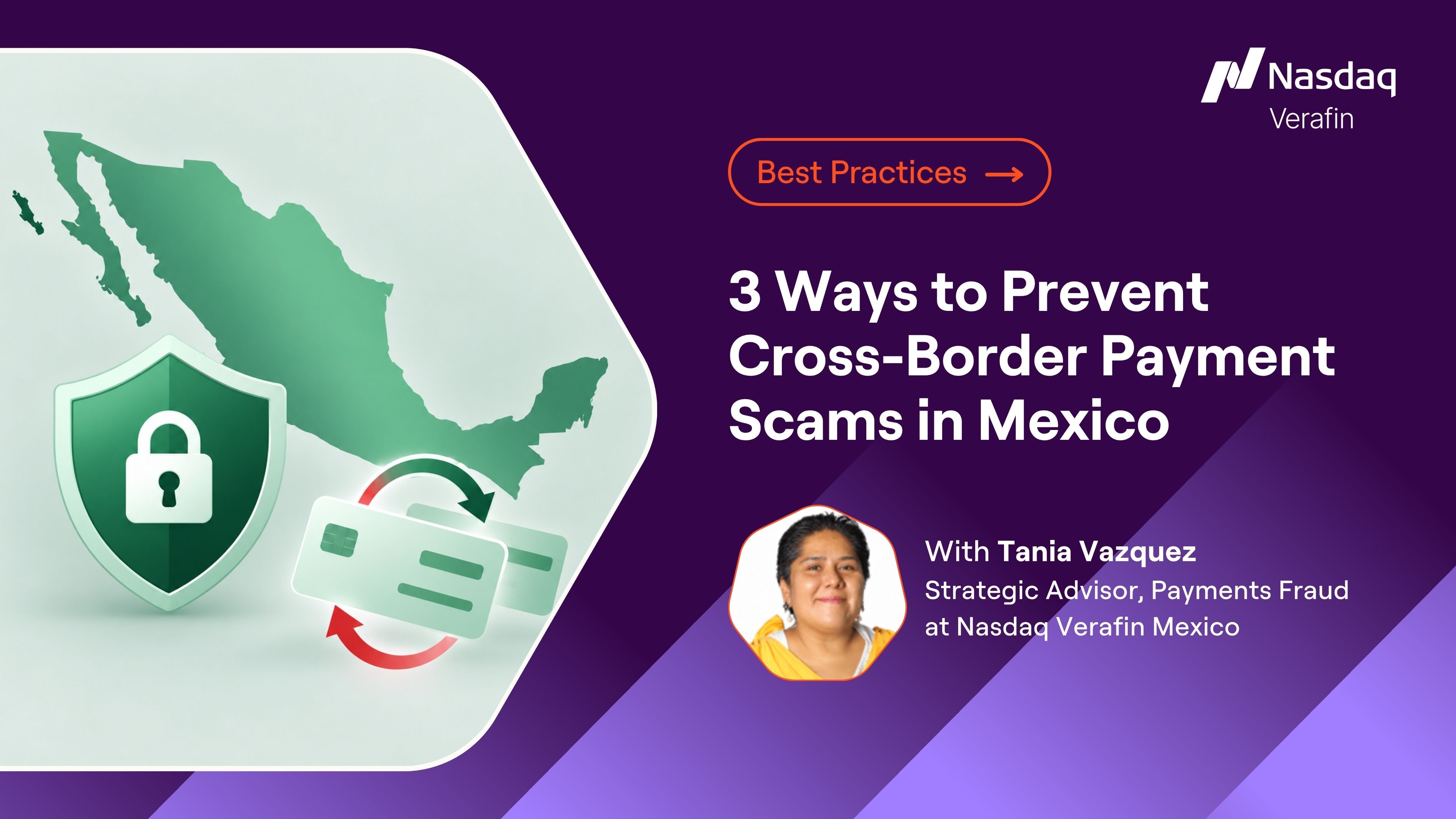
3 Ways to Prevent Cross-Border Payment Scams in Mexico
Learn three ways financial institutions can prevent cross-border payment scams in Mexico through intelligence sharing, payee transparency and real-time analysis.
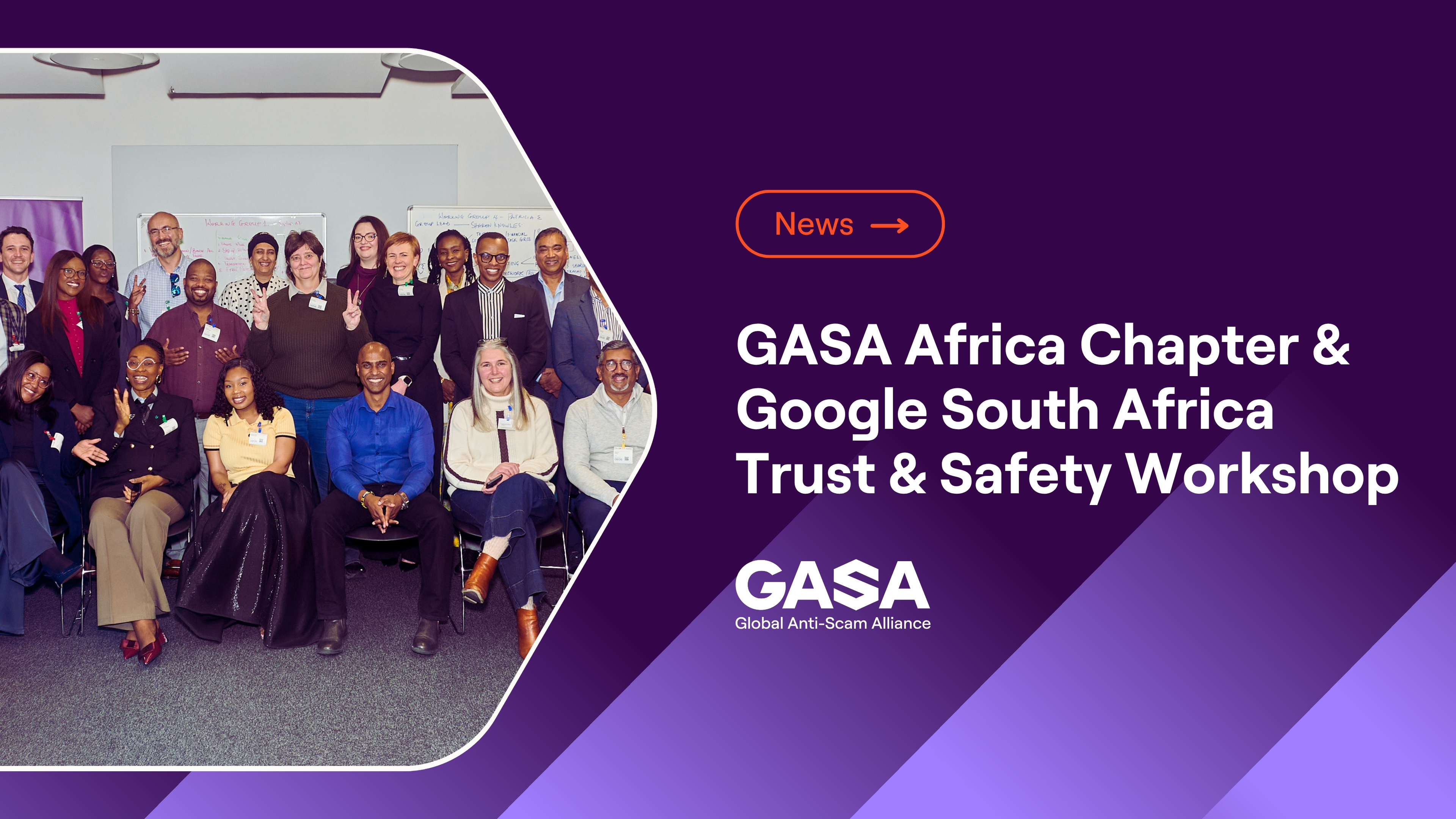
Accra Trust & Safety Workshop Turns Collaboration into Action Against Scams and Fraud in West Africa
GASA Africa Chapter and Google South Africa brought anti-fraud leaders together to strengthen cross-border cooperation and scam prevention.
State of Scams in Nigeria 2026: A Comparative Review Across Africa
Nigerian experts examine scam trends, technology, consumer protection and the need for stronger cross-sector collaboration.
Nearly three in four Danish adults encountered scams as estimated losses reach DKK 10.1 billion
New State of Scams Denmark 2026 report finds scam exposure is rising, while victims face repeated financial and emotional harm.
Building a More Trusted Digital Philippines: New Report Underscores the Need for Collective Action as Scam Exposure Continues to Rise
GASA’s State of Scams in the Philippines 2026 Report, in collaboration with Mastercard and Gogolook, highlights the growing scale of the scam challenge in the Philippines.
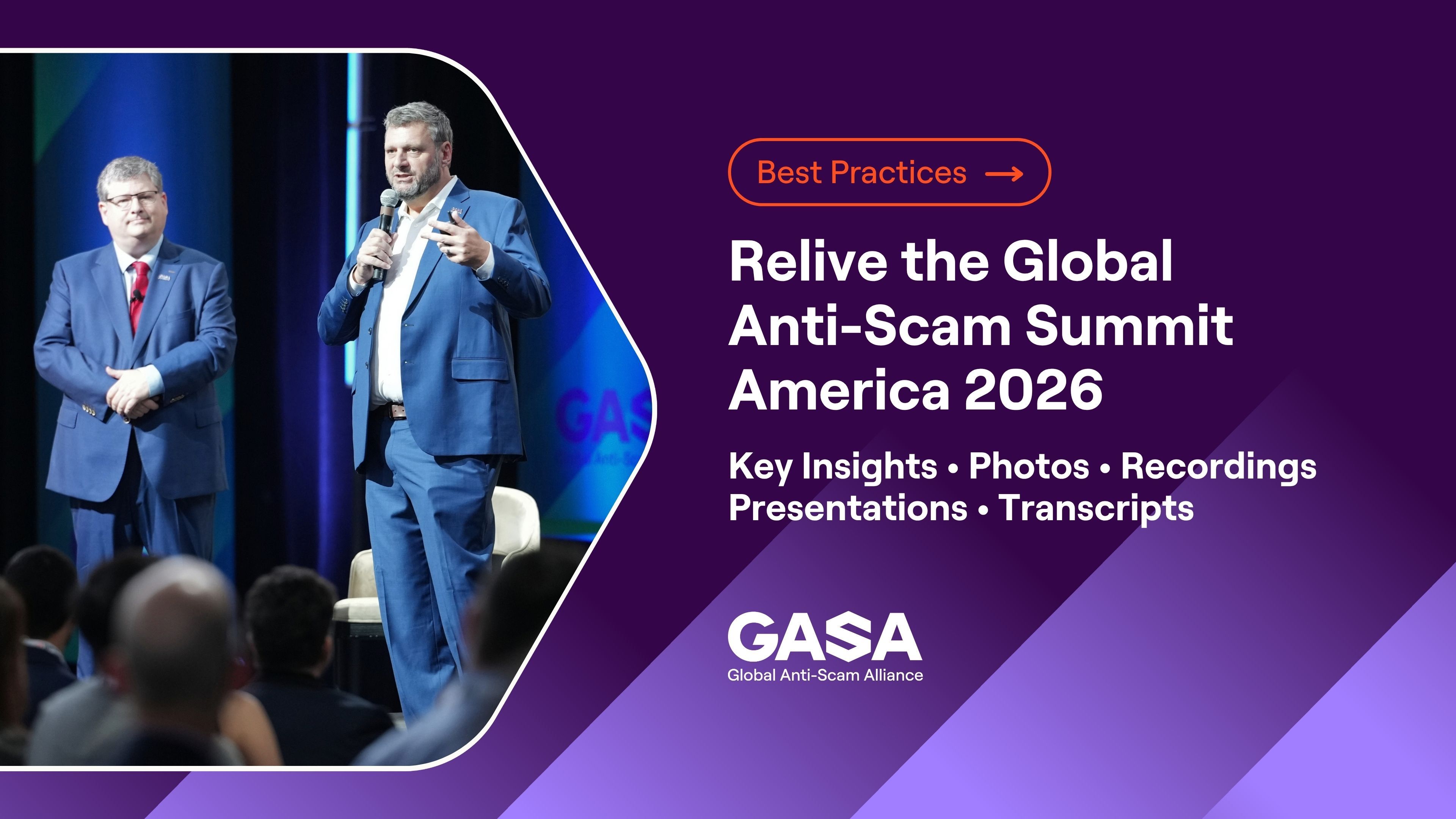
Global Anti-Scam Summit America 2026: Highlights, Insights and Resources
Explore GASS America 2026 highlights and insights, with the Summit summary, photos, presentation slides, transcripts and session recordings from San Francisco.
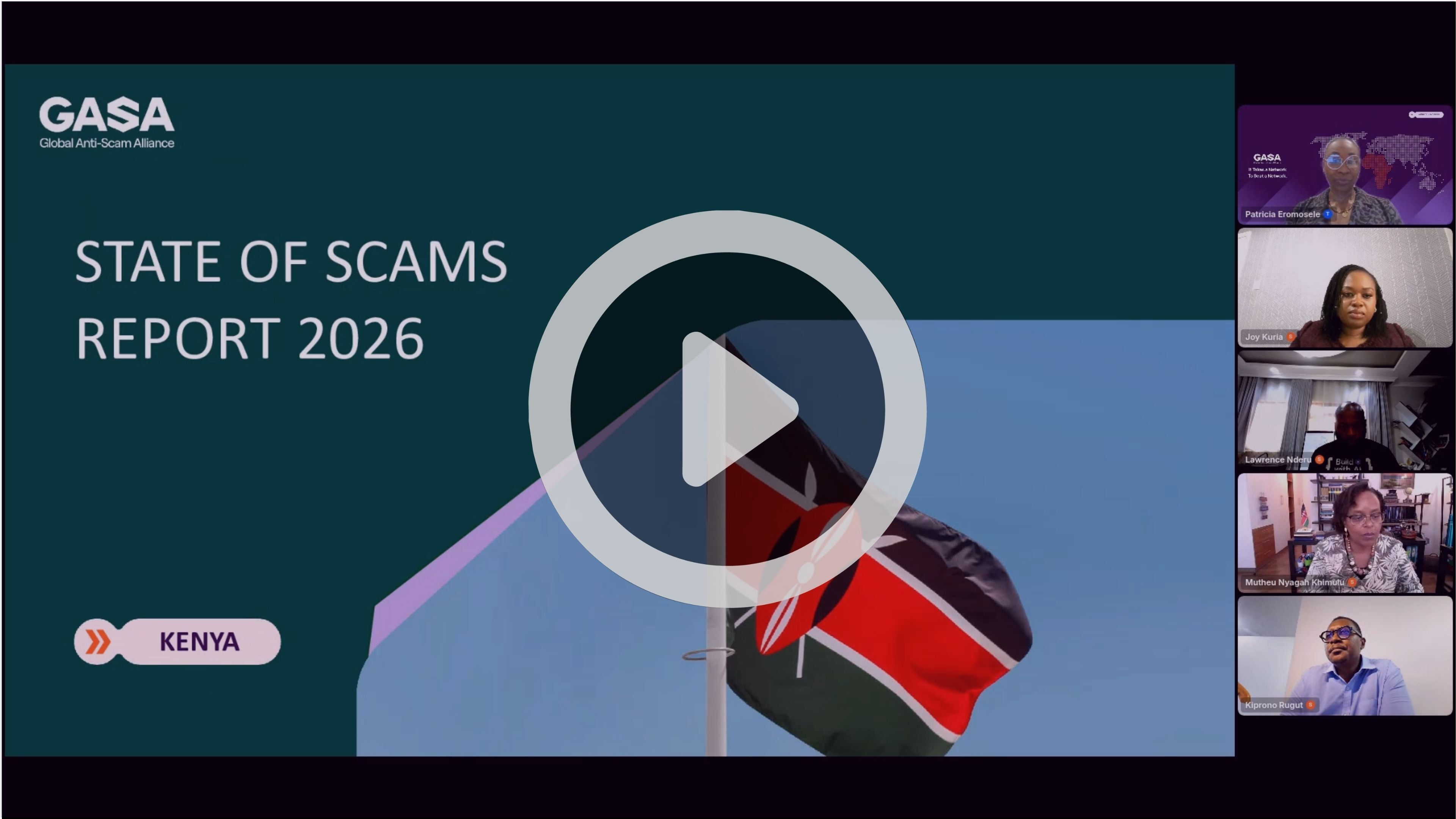
State of Scams in Kenya 2026: A Comparative Review Across Africa
Kenyan experts examine scam trends, data sharing, digital trust and the need for stronger cross-sector prevention.