
As digital scams proliferate globally, Norway is taking a strong stand against this growing threat with a leading role in the Global Informal Regulatory Antifraud Forum (GIRAF) that was initiated by the i3Forum, as part of its Restore Trust initiative. This innovative initiative by the not-for-profit organisation of the international telecom industry currently unites 25+ nations on 4 continents, fostering collaboration among regulators and with the industry to effectively combat the rising tide of phone and messaging scams. These scams often impersonate government agencies or financial institutions, and severely damage public trust in communications.
Norway's Leadership and Impact
Under the guidance of John-Eivind Velure, Acting Director of the Norwegian Communications Authority (Nkom) , Norway has emerged as a leader in this initiative by creating a national multi-stakeholder initiative to reduce fraud in 2023, and thereafter in 2024 to actively participate in and encourage the establishment of a global initiative GIRAF. National measures in Norway, carried out by mobile network operators (MNOs) under the cooperation and nudging of Nkom, have significantly reduced the number of fraudulent calls and messages reaching consumers. The initiatives in Norway block over 100 million scam calls annually, showcasing the effectiveness of collaboration in tackling this issue. With its leading participation in GIRAF, Norway seeks to transfer its experiences to the international non-regulated telecoms scene. Due to the lack of global regulation, cooperation and exchange of best practices is paramount.
GIRAF is an independent informal regulatory forum. It operates as an ad-hoc, informal framework that encourages cooperation among national regulatory authorities (NRAs) globally. It focuses on producing non-binding, harmonised best practices and guidelines for the telecommunications industry, making it easier for countries to work together in their fight against fraud and cooperate with the international telecoms industry. Currently, GIRAF's scope includes unwanted and fraudulent voice and messaging services, with potential expansion into other telecommunications and internet-based services in the future.
GIRAF is rooted as the second pillar of i3forum's Restore Trust initiative , interacting with the industry pillar of One Consortium. It plans to leverage the work of the Europe-centric CEPT's Working Group on Numbering and Network and in particular its subgroup NaN2 , as well as contributions from other regional or global organisations, studying harmonised regulatory approaches to increase the trust in public numbering resources and communications.
International Collaboration
The first discussions about GIRAF started in NaN2 in Lillesand, Norway, in March 2024. Following these discussions, the cooperation was elaborated further, and the name Global Informal Regulatory Antifraud Forum (GIRAF) emerged. GIRAF went live on 3rd June 2024 , and within a few months, it grew to include 25+ countries on 4 continents - and that number keeps growing .
Mr. Velure emphasises the importance of sharing best practices among member countries, highlighting that scammers are quick to adapt to new technologies. He notes that no single country or industry can solve this problem alone, making international cooperation essential. GIRAF's collaborative framework includes participation from NRAs in Norway, Belgium, Bulgaria, Croatia, Cyprus, Greece, Ireland, Italy, Latvia, Luxembourg, the Netherlands, Slovakia, Slovenia, Spain, Sweden, Switzerland, and the United Kingdom. Authorities from the US, the UAE, Singapore and Brazil are also in talks to join this vital initiative.
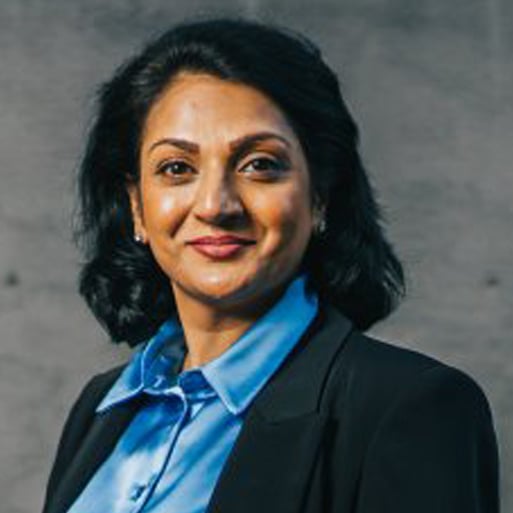
Kamilla Sharma, Department Director for Marketing and Services at Nkom , provided valuable insights on the significance of the GIRAF initiative:
“In Norway, we have been systematically working to combat digital fraud for some time. In May of this year alone, authorities, in collaboration with the telecom industry, managed to stop 10 million fraudulent calls targeting Norwegian citizens. This effort is the result of a national collaboration in Norway, led jointly by Nkom and the National Authority for Investigation and Prosecution of Economic and Environmental Crime (Økokrim).
Simultaneously, as we work within Norway, we recognise the need for a collective international effort to address the increasing scope of digital fraud that extends far beyond our own borders. This is the motivation behind our involvement in the GIRAF initiative. To succeed in the fight against the criminals behind these activities, international cooperation is crucial.
Different countries are at varying stages in their digital anti-fraud efforts, and the collaboration we are establishing will provide a comprehensive overview of the entire value chain. It will also enable actors to collectively block fraudulent calls and SMS messages.
Fraudsters constantly adapt, using new technologies and changing strategies and channels. No single authority or telecom company can solve this problem alone. While blocking results are currently positive in Norway, we anticipate new challenges. International interdisciplinary efforts will be essential going forward, and I look forward to seeing the results we can achieve together.”
Strategies and Technical Measures
A defining exercise is under consideration in CEPT and will be studied by GIRAF. The national systems involve several measures best described as digital shields protecting end users from fraudulent communications. At every second meeting, participants provide a tour de table of domestic measures, which provides significant value. i3forum, as the initial secretariat for the group, provides crucial information on the international industry. The challenge lies in not revealing too much while still providing valuable information.
Looking Ahead
Looking ahead, GIRAF plans to strengthen its network, engage with the industry and expand its reach through greater collaboration among law enforcement, telecommunications providers, regulatory bodies and major organisations such as the ITU or the UNODC. A key aspect of the Restore Trust initiative is to enable global cooperation between regulatory authorities and the telecom industry, leading to an harmonised approach especially for international communications. As scams continue to evolve, it is crucial for initiatives like GIRAF to remain dynamic and adaptable. The initiative's success will depend on ongoing evaluation and adjustment to its strategies, ensuring that measurable positive effects are achieved by an initial milestone set in June 2026.
While the GIRAF initiative is very new and its operational impact thus far is limited, it seeks to be a positive element in the fight against fraud. The initiative has given itself two years, until June 2026, to provide measurable results. The goal is ambitious, but the current global situation in fraud demands both ambition and cooperation.
Future initiatives for GIRAF include providing a network of relevant contacts in the various member organisations, compiling and sharing information on the situation in various countries and existing/planned regulatory approaches and best practices, enabling cross-education between industry and NRAs, and agreeing on common objectives and harmonised guidelines for NRAs to enhance measures to combat illegal/unwanted communications originating from abroad. Additionally, GIRAF aims to encourage and mandate international carriers to participate in international traceback mechanisms, enhance regulatory frameworks to fight illegitimate spoofing, and develop best practices for sub-assignment of number ranges and number hosting, among other goals.
Conclusion
GIRAF represents a significant step forward in the fight against international phone scams. By helping to unite countries in this collaborative effort, Norway is setting a precedent for global cooperation in cybersecurity. As scams continue to escalate, initiatives like GIRAF are critical in safeguarding consumers and maintaining trust in digital communications. By leveraging global expertise, GIRAF is positioned to make a lasting impact in turning the tide against digital scams.
About the Author
James Greening , operating under a pseudonym, brings a wealth of experience to his role. Formerly the sole driving force behind Fake Website Buster, James leverages his expertise to raise awareness about online scams. He currently serves as a Content Marketing & Design Specialist for the Global Anti-Scam Alliance (GASA), and contributes to ScamAdviser.com .
James’s mission aligns with GASA’s mission to protect consumers worldwide from scams. He is committed to empowering professionals with the insights and tools necessary to detect and mitigate online scams, ensuring the security and integrity of their operations and digital ecosystems.
BanCoppel joins the Global Anti-Scam Alliance to bolster fraud prevention and safeguard individuals entering the banking system.
BanCoppel has joined the Global Anti-Scam Alliance (GASA) as a Corporate Member of the GASA Mexico Chapter.
The emotions scammers exploit: how social engineering influences our decisions
How scammers use fear, urgency, excitement and trust to influence decisions, and how recognising these tactics can help people prevent fraud.

Global Anti-Scam Alliance Welcomes Mastercard as Founding Member of Its Mexico Chapter
The Global Anti-Scam Alliance (GASA) announces the membership of Mastercard as a Member of its Mexico Chapter.
What Uganda’s IVR Trial Shows About Practice-Based Scam Prevention
A Uganda IVR trial shows how practice-based fraud prevention helped mobile money users reduce losses and increase reporting.
FTC’s Never EVER Campaign Helps Prevent Elder Financial Abuse With Simple, Specific Scam Warnings
The FTC’s Never EVER campaign uses simple, specific imposter scam warnings to help prevent elder financial abuse and support coordinated consumer education.
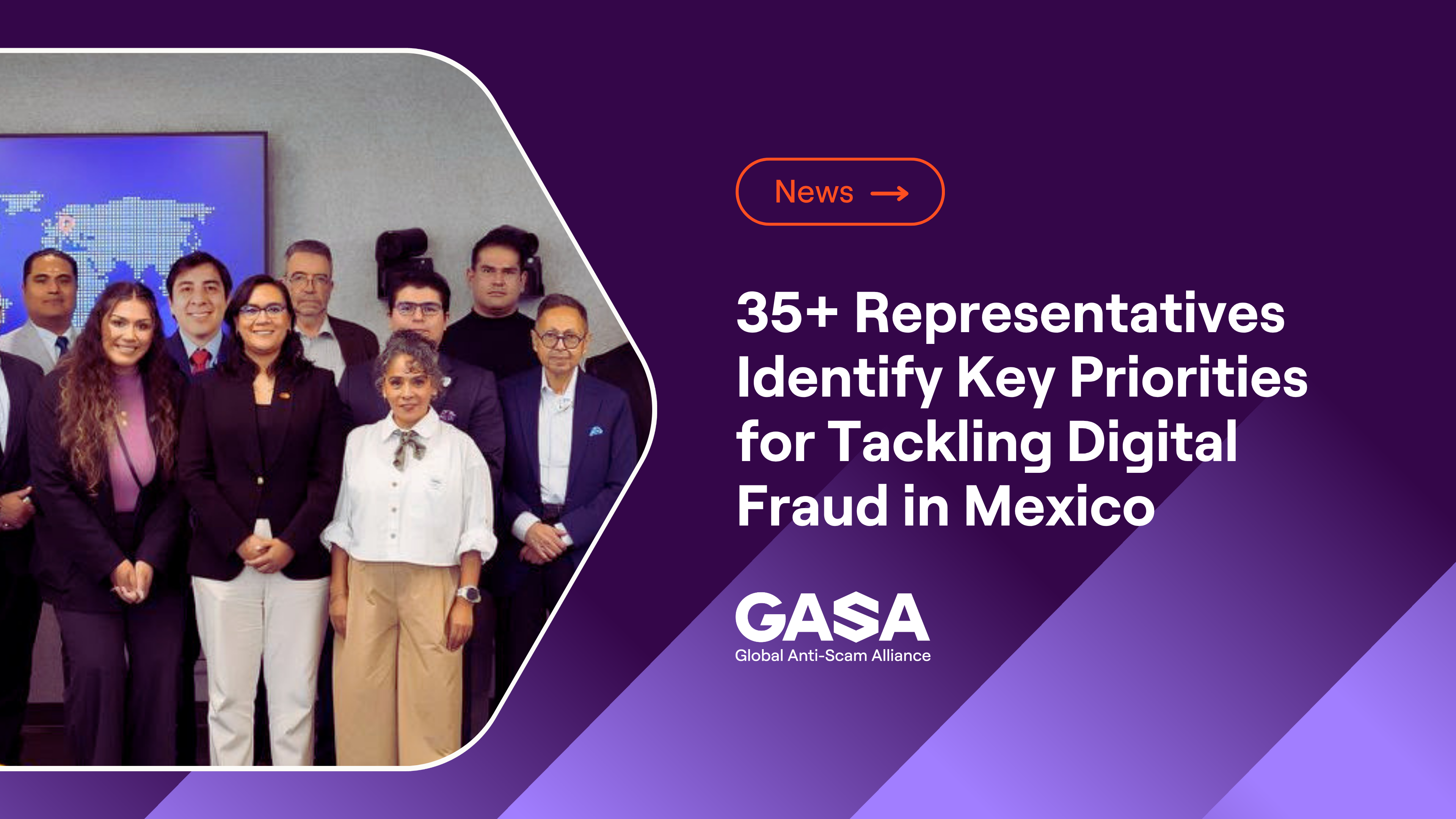
GASA Mexico's Second Roundtable Advances Coordinated Action Against Digital Fraud
GASA Mexico's second roundtable brought together more than 35 representatives to strengthen coordination across cybersecurity, fraud prevention and other sectors.
Cognyte Joins Global Anti-Scam Alliance to Fight Financial Fraud Threats
Cognyte, a global leader in investigative analytics software, today announced its membership in the Global Anti-Scam Alliance (GASA).
A network is beaten by a network: Mexico's banks move from remediation to prevention
GASA convened the ABM Fraud Committee and Mexican banks to advance the enriched agreement and strengthen coordinated fraud prevention across the sector.