
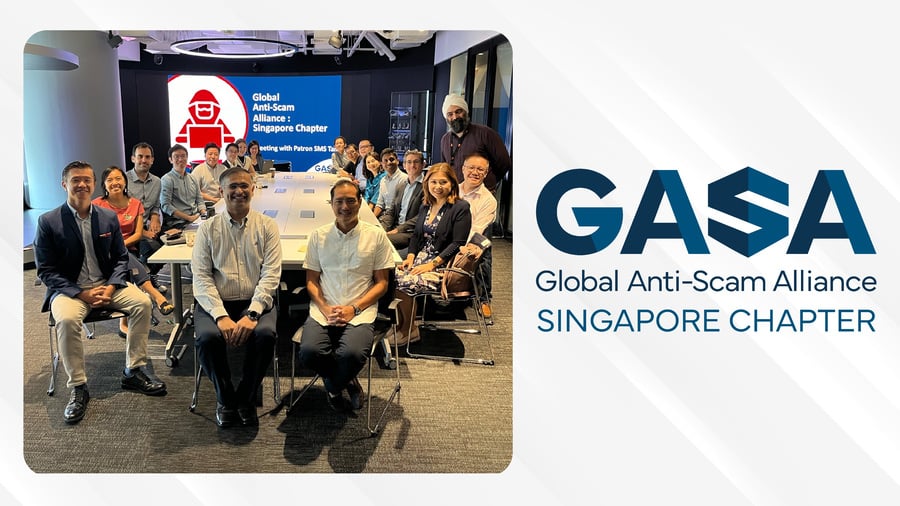
Singapore, 13 June 2024 – Today, the Global Anti-Scam Alliance (GASA) , an international network of organisations, expanded its commitment to protecting consumers from harmful activities of online fraudsters, with the launch of its first Asia chapter in Singapore. Leveraging Singapore’s role as a regional hub and solidifying a local network of stakeholders across key sectors such as technology, finance, and academia, the GASA Singapore Chapter will support GASA’s global objectives while extending its reach to Asia Pacific.
Establishment of the GASA Singapore Chapter
The GASA Singapore Chapter is led by Mastercard (Chair) and Amazon (Vice-Chair). It comprises members including TikTok, Feedzai, Google, Grab, HSBC, Mediacorp, Meta, NTU, NUS, OCBC, Rajah & Tann Technologies, Standard Chartered, ST Engineering and Trend Micro. Recognising that the proliferation of online scams can only be effectively addressed through a collaborative approach, members will bring together their expertise and advance best practices to collectively combat scams and fraud.
Rajat Maheshwari, chairman of the GASA Singapore Chapter and vice president, Cyber & Intelligence, Mastercard, said, “Cybercrime continues to grow aggressively around the world, and a unified approach is key to fighting scams and protecting consumers. The formation of the first Asia chapter of GASA in Singapore not only demonstrates the industry’s willingness to collaborate against cyber fraud but also showcases Singapore’s success in fostering public-private cooperation to advance national initiatives. Mastercard is honored to serve as the inaugural Chair of GASA Singapore Chapter, a commitment that underscores the company’s unwavering focus on strengthening the collective resilience against frauds and scams, and safeguarding trust in the digital ecosystem for everyone’s benefit.”
The creation of the Singapore chapter is timely and is aligned with GASA’s global plans. According to the 2023 Asia Scam Report published by GASA and Gogolook , scams have emerged as a new normal in the region, as more than 60% of Asians now face at least one scam each week. In Singapore, according to the Singapore Police Force, the total number of scam cases increased by 46.8 percent from 31,728 in 2022 to 46,563 in 2023. This highlights the urgent need for continuous efforts to drive consumer education via public awareness campaigns that can help the population – especially the more vulnerable consumers – to recognise scams, thereby enhancing collective protection against evolving and increasingly sophisticated scam tactics.
Singapore's Senior Minister of State for Communications and Information, Mr Tan Kiat How, who is GASA Singapore’s patron said “Tackling scams requires a Whole-of-Society approach and the involvement of industry stakeholders is crucial. Through a deeper public-private collaboration, we can improve the sharing of information on trends and emerging scam techniques, and test out new ideas that can better safeguard consumers. In this respect, we welcome the establishment of the Singapore chapter of GASA and look forward to this partnership and what we can achieve together.”
Jorij Abraham, Managing Director of GASA said, “It's essential that we continue to grow our network globally through new chapters and partnerships. This allows us to share insights, foster solutions, and ultimately, build a more resilient ecosystem against scams. I encourage organizations worldwide to join us in this vital mission. Together, we can make a substantial impact in protecting consumers everywhere."
GASA Singapore Chapter Activities
Activities planned by GASA Singapore include the Global Anti-Scam Summit Asia later this year, as well as initiatives to promote national consumer protection such as consumer education and awareness outreach, and national fraud research.
The GASA Singapore Chapter is also gearing towards the 2nd Anti-Scam Asia Summit in Singapore to be held in the first week of October 2024. The summit will bring together regional stakeholders from government, law enforcement, industry, and academia to examine the latest trends in digital scams, identify the behavioral and psychological characteristics making consumers vulnerable to scams, exchange best practices, and formulate strategies to combat these evolving threats. Innovations and strategies developed by the Singapore Chapter can serve as valuable models for other local chapters in the future, fostering a spirit of collaboration and shared progress across the network.
Shze Min Yah, vice chair of the GASA Singapore chapter and public policy manager at Amazon, said, “Last year’s Anti-Scam Asia Summit in Taipei was a success and this year’s edition in Singapore will be another great opportunity for further collaboration in order to tackle rising scams across Asia. Scams are a cross-industry issue, which is why knowledge sharing and partnerships between stakeholders in the public and private sectors are key to protecting consumers."
About the Global Anti-Scam Alliance
The Global Anti-Scam Alliance’s (GASA) mission is to protect consumers worldwide from scams by raising awareness, enabling hands-on tools, facilitating knowledge sharing, organizing research, and offering training and education. Organisation interested in joining GASA Singapore can visit, https://www.gasa.org/singapore-chapter
For more information on the flagship GASA Summit to be held in Brussels on 24 – 25 June 2024, please refer to: https://www.gasa.org/global-anti-scam-summit-europe-2024 .


BanCoppel joins the Global Anti-Scam Alliance to bolster fraud prevention and safeguard individuals entering the banking system.
BanCoppel has joined the Global Anti-Scam Alliance (GASA) as a Corporate Member of the GASA Mexico Chapter.
The emotions scammers exploit: how social engineering influences our decisions
How scammers use fear, urgency, excitement and trust to influence decisions, and how recognising these tactics can help people prevent fraud.

Global Anti-Scam Alliance Welcomes Mastercard as Founding Member of Its Mexico Chapter
The Global Anti-Scam Alliance (GASA) announces the membership of Mastercard as a Member of its Mexico Chapter.
What Uganda’s IVR Trial Shows About Practice-Based Scam Prevention
A Uganda IVR trial shows how practice-based fraud prevention helped mobile money users reduce losses and increase reporting.
FTC’s Never EVER Campaign Helps Prevent Elder Financial Abuse With Simple, Specific Scam Warnings
The FTC’s Never EVER campaign uses simple, specific imposter scam warnings to help prevent elder financial abuse and support coordinated consumer education.
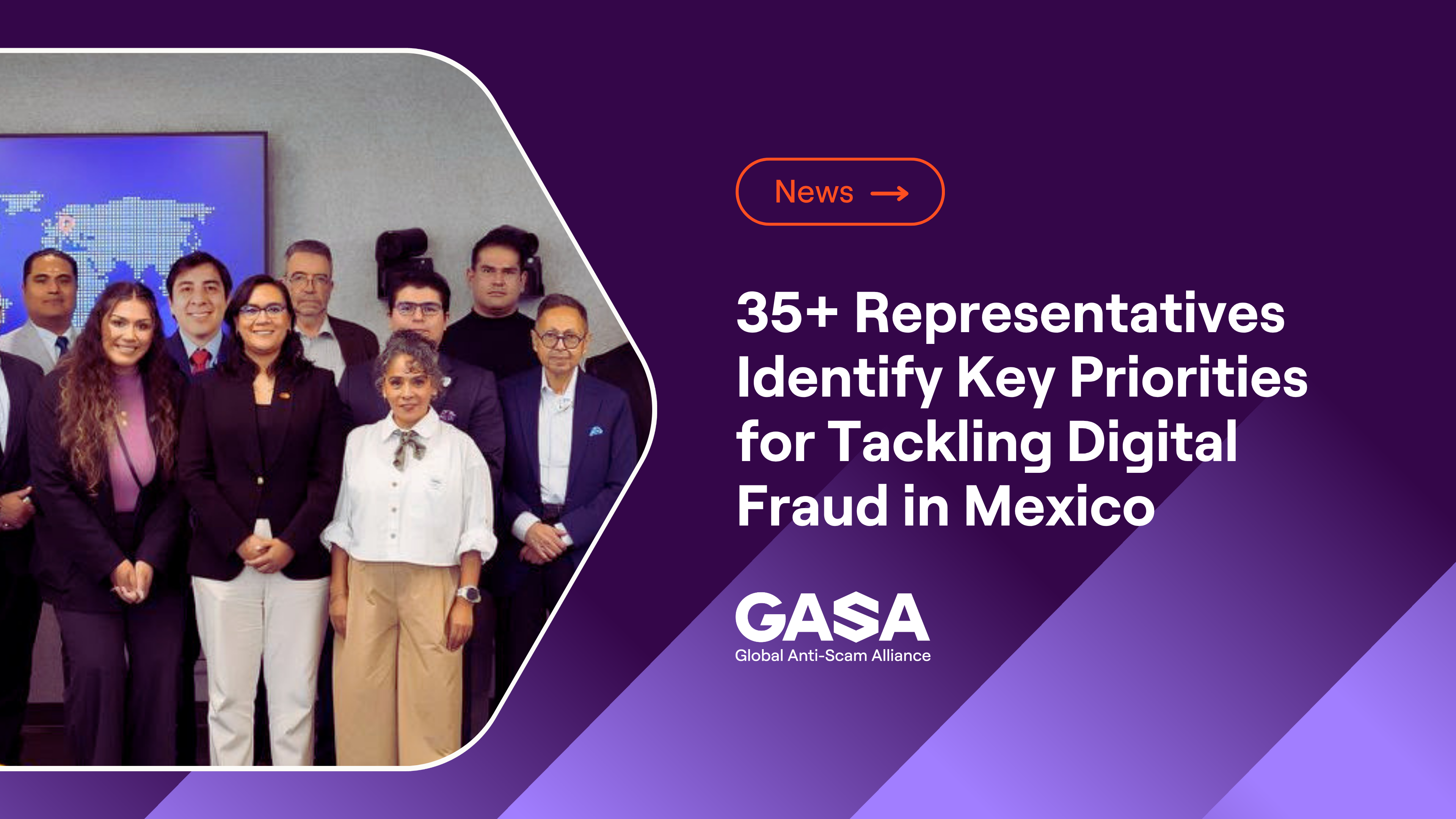
GASA Mexico's Second Roundtable Advances Coordinated Action Against Digital Fraud
GASA Mexico's second roundtable brought together more than 35 representatives to strengthen coordination across cybersecurity, fraud prevention and other sectors.

Cognyte Joins Global Anti-Scam Alliance to Fight Financial Fraud Threats
Cognyte, a global leader in investigative analytics software, today announced its membership in the Global Anti-Scam Alliance (GASA).
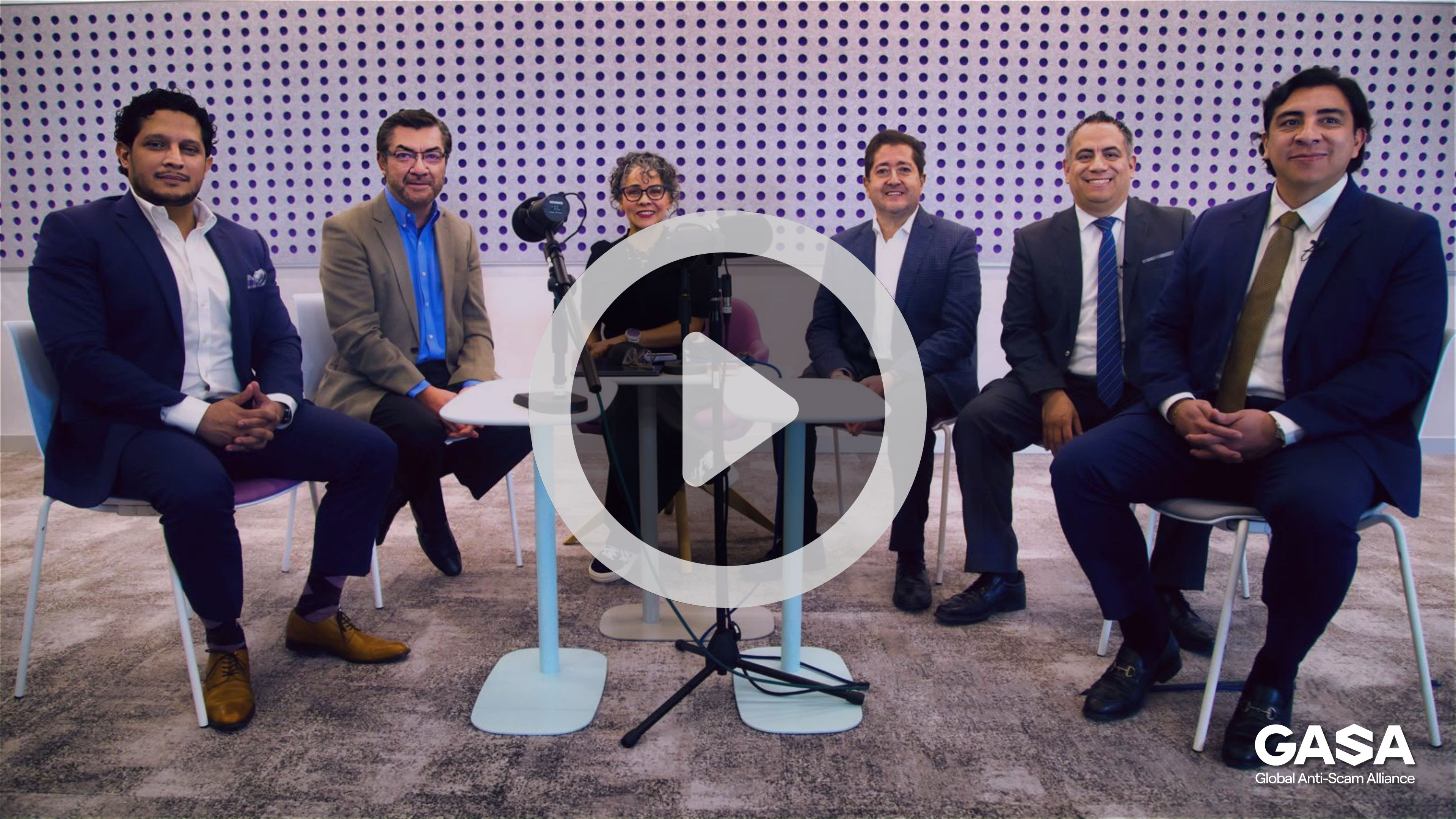
A network is beaten by a network: Mexico's banks move from remediation to prevention
GASA convened the ABM Fraud Committee and Mexican banks to advance the enriched agreement and strengthen coordinated fraud prevention across the sector.