
Scams are reshaping digital trust across Africa. What was once seen as isolated fraud incidents has evolved into a high-frequency, fast-moving ecosystem that affects millions of people across borders, industries, and communication channels.
According to the State of Scams in Africa 2025 Report , 68% of African adults report having a scam experience in the last 12 months. More than three fifths of these scams take place within a day of first contact, underscoring the speed at which fraud networks operate. Beyond financial losses, the impact is deeply human, with 83% of victims reporting the experience as very or somewhat stressful.
Against this backdrop, strengthening coordinated action across the region becomes essential. Scams operate through organized networks, and effective prevention cannot rely on fragmented responses.
To address this growing challenge, the Global Anti-Scam Alliance (GASA) launched its Africa Chapter, creating a dedicated platform for public and private sector collaboration across the continent. The chapter will serve as a regional hub to connect financial institutions, technology companies, telecommunications providers, regulators, and law enforcement in a more structured and coordinated effort to disrupt scam networks.
Leadership and Regional Coordination
The Africa Chapter will be led by Patricia Eromosele , an award-winning cybersecurity leader with more than 18 years of experience across technology, digital transformation, governance, and large-scale program delivery.
As Director of the GASA Africa Chapter, Patricia will focus on strengthening cooperation between governments, industry leaders, financial institutions, telecommunications providers, and civil society to build more resilient defenses against scams.
“GASA has successfully launched local chapters in high-priority regions such as Brazil, Indonesia, Korea, Mexico, North America, Oceania, Philippines, Singapore, and now the Africa Chapter, to bring our global mission closer to key national markets. Our shared commitment is to enhance digital trust, protect users from online fraud/scam, and strengthen cybersecurity within the digital economy. We can only do this through consistent and coordinated collaboration,” said Patricia Eromosele, Director of the GASA Africa Chapter.
Supporting the chapter’s regional growth and partnership development is Rens Grim, Partnership Manager for the GASA Africa Chapter . He will focus on strengthening member engagement, expanding cross-sector collaboration, and building the institutional network required to support coordinated scam prevention efforts across the continent. “By the end of 2027, more than one billion Africans are expected to be online, with several hundred million joining over the next two years. Some will be digitally experienced, while others will still be learning. What they all share is exposure to increasingly sophisticated tactics used by criminals to exploit trust and steal money,” added Rens Grim, Partnership Manager for the GASA Africa Chapter.
With AI making it harder to distinguish between genuine interactions and fraud, the risks are rising quickly.
The mission of the Global Anti-Scam Alliance is clear. We focus on protecting consumers from fraud and scams and strengthening trust across the digital ecosystem.
Founding and Supporting Members
The Africa Chapter launched with the support of key organizations committed to strengthening regional scam prevention efforts.
Founding member: Google
Supporting member: Southern African Fraud Prevention Service (SAFPS)
Associated organizations: The Ndukwe Kalu Foundation and Africa Cyber Defense Forum
These organizations bring cross-sector expertise to the chapter, reinforcing the collaborative approach required to address scams across the continent.
Official Launch at the State of Scams in Africa 2025 Webinar
The official launch of the GASA Africa Chapter took place on March 3, 2026 at 11:00 CET , during a dedicated regional webinar built around the findings of the State of Scams in Africa 2025 report.
The session brought together leaders from financial services, government, technology platforms, and civil society to examine the patterns driving scam growth across the continent. Discussions focused on the speed and psychology behind modern scams, the rise of organized networks, reporting and recovery gaps, and the practical steps institutions can take immediately to reduce risk.
With participation from:
-
Nazia Karim, Head of Product Development, Southern African Fraud Prevention Service (SAFPS)
-
Philip Irode, Deputy Director Information Security, ICT Authority, Kenya
-
Sipho Mtombeni, Government Affairs and Public Policy Manager, Google South Africa
-
Isaac Obour, Executive Director, Anti-Fraud Ghana
-
Usman Ahmed Imam, Deputy Commissioner of Police, Independent Corrupt Practices & Other Related Offences Commission (ICPC)
The session was moderated by Patricia Eromosele, Director of the GASA Africa Chapter.
More than a presentation of research, this event marked the formal activation of the Africa Chapter and the beginning of structured regional coordination.
As scams continue to evolve in scale, speed, and sophistication, coordinated action becomes critical. It takes a network to beat a network.
The Africa Chapter is now open to institutions committed to strengthening scam prevention through collaboration and shared intelligence.
Learn more about the GASA Africa Chapter and how to become a member:
Register to watch the State of Scams in Africa 2025 webinar replay here: Register Now


Brazil Anti-Scam Forum 2026: Key Takeaways on Strengthening Scam Prevention in Brazil
Key insights from the Brazil Anti-Scam Forum 2026 on scam trends, prevention, intelligence sharing and cross-sector collaboration.

GASA Consumer Education Working Group Develops 5-Step Response Plan for Scam Victims
GASA’s Consumer Education Working Group sets out a five-step response plan that organisations can use and share to support people affected by scams.
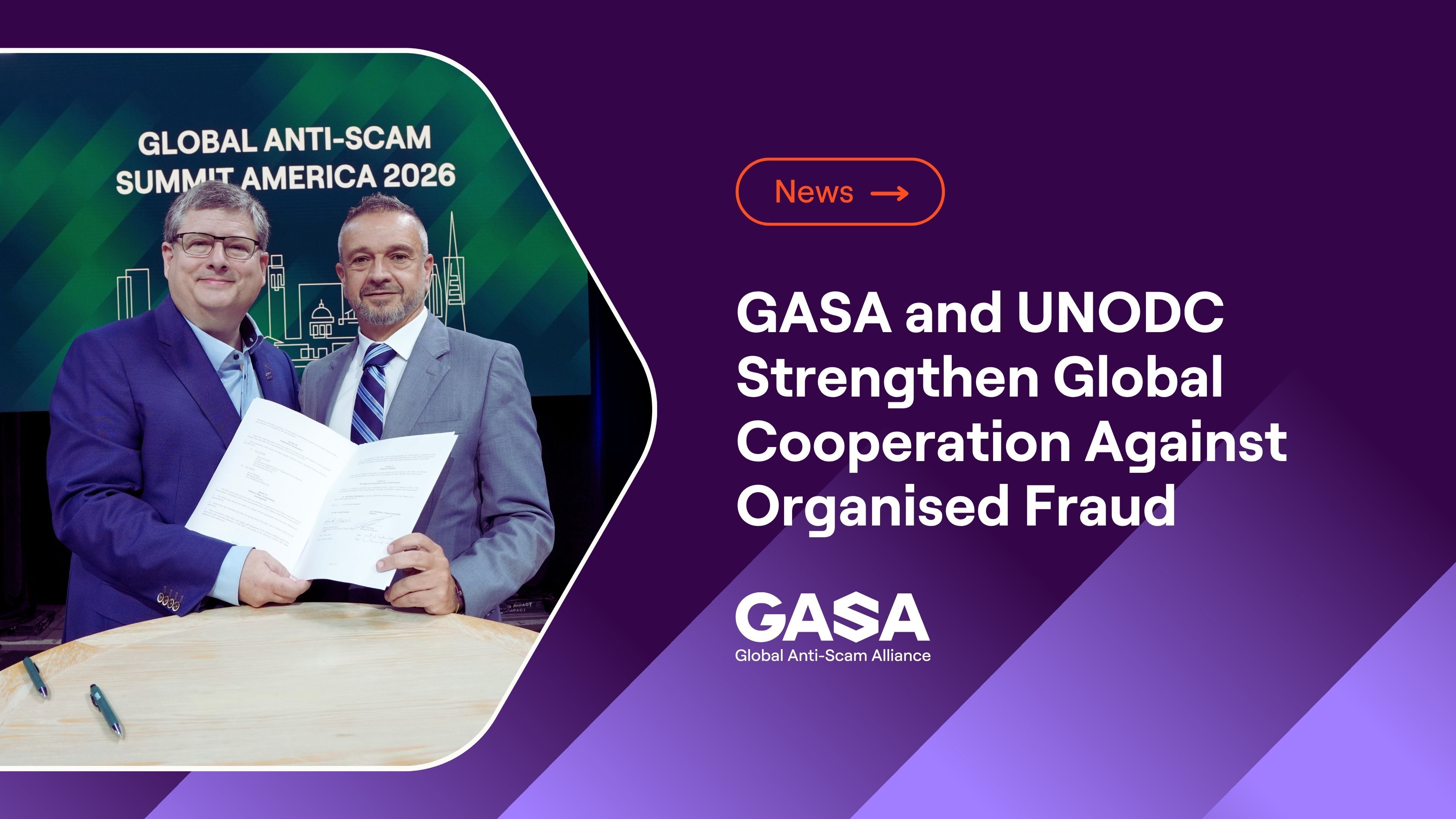
GASA and UNODC Partner to Strengthen Global Response to Organised Fraud
GASA and UNODC sign an MoU to strengthen international cooperation on fraud prevention, research, criminal justice responses and awareness.
Meet the Winners – Scam Fighter Awards at the Global Anti-Scam Summit America 2026
Meet the winners of the Scam Fighter Awards at the Global Anti-Scam Summit America 2026 and learn about their work in education, research, collaboration and technology.

Global Anti-Scam Alliance Partners with TruthScan to Integrate Deepfake Detection on scam.org
Users of scam.org will now be able to upload an image to the website for analysis to determine whether the image is authentic, edited, or generated by artificial intelligence.

From Information Sharing to Intelligence Production: GASA Mexico in Forbes
Sissi de la Peña, Director of the GASA Mexico Chapter, examines in Forbes México what the U.S. memorandum on cyber operations against fraud networks means for the country.
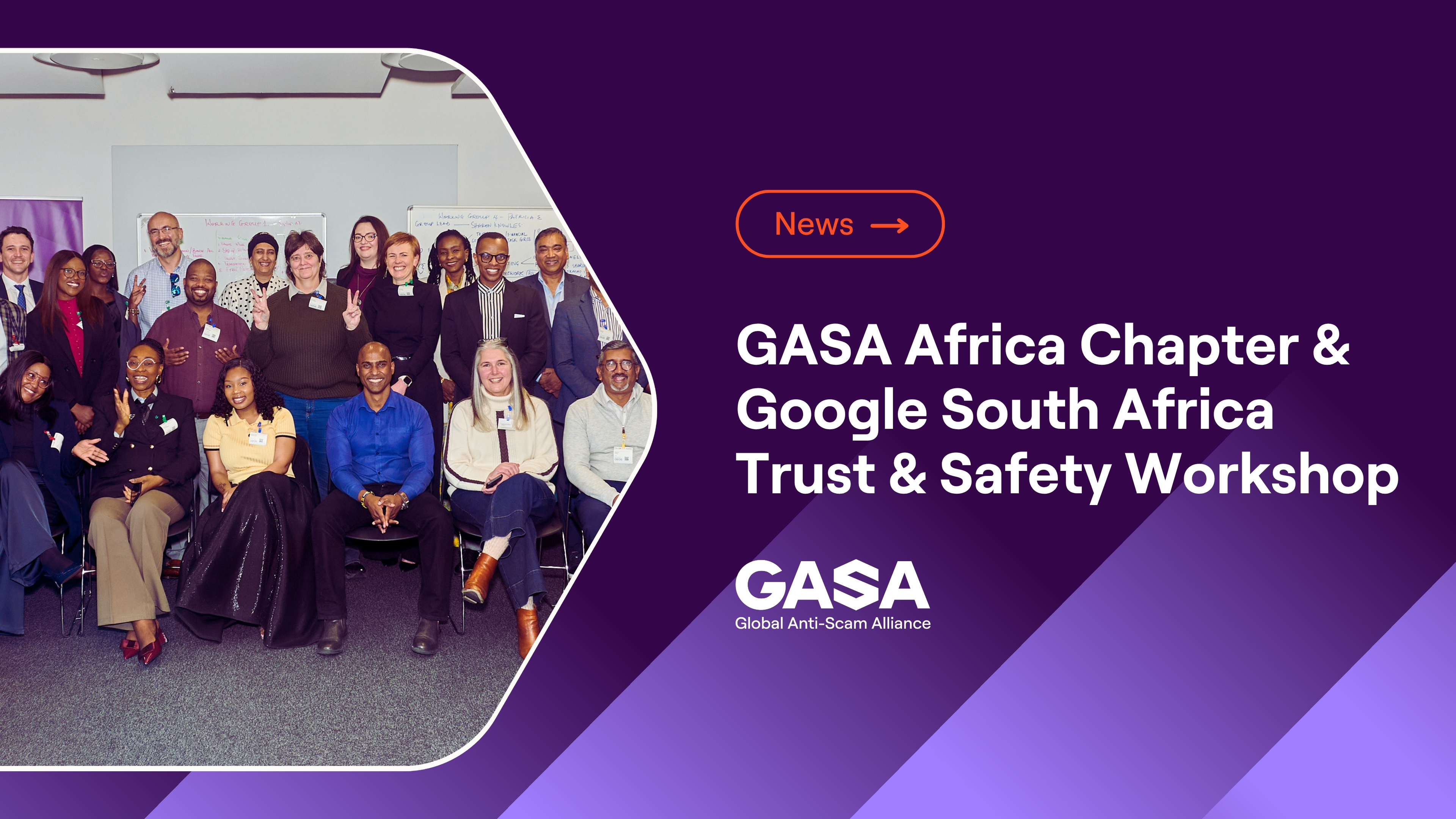
GASA and Google Trust & Safety Workshop Sets Priorities for Anti-Scam Cooperation Across Africa
GASA Africa Chapter and Google South Africa brought anti-fraud leaders together to strengthen cross-border cooperation and scam prevention.
Allstate Identity Protection Joins the Global Anti-Scam Alliance to Strengthen the Fight Against Scams and Identity Theft
Allstate Identity Protection has joined the Global Anti-Scam Alliance (GASA) as a Corporate Member within the North America Chapter.