
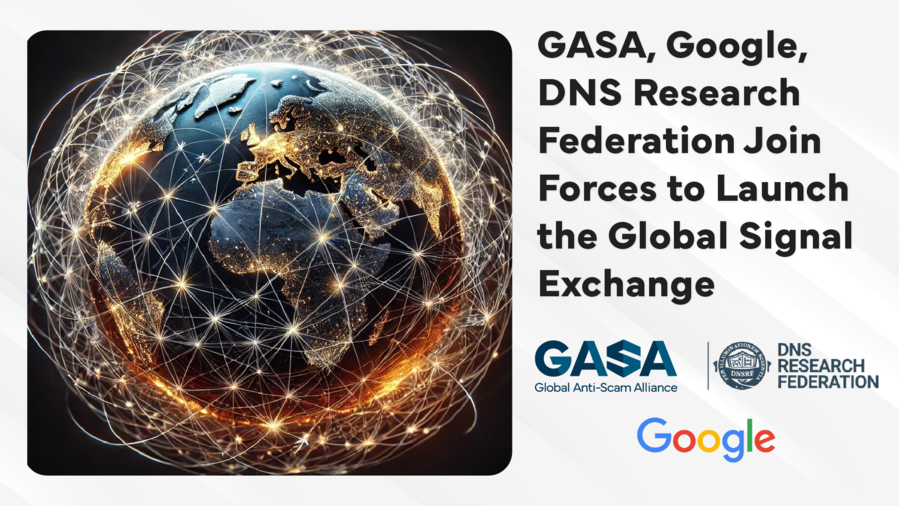
The Global Anti-Scam Alliance (GASA), Google, and the DNS Research Federation (DNSRF) are proud to announce the launch of the Global Signal Exchange (GSE) – a collaborative initiative designed to fight the growing problem of online scams, fraud, and DNS abuse through data sharing. Together, this partnership aims to empower the global community in combating scams more effectively and significantly reduce their impact on society.
A Joint Effort for an International Problem
Online scams are a critical and growing threat worldwide. In recent years, scams have impacted over three-quarters of consumers globally, with more than $1 trillion lost to fraudulent activities each year, according to GASA’s 2023 Global State of Scams report . With online fraud expanding due to increased digital adoption, the Global Signal Exchange is positioned as a powerful countermeasure to address this problem.
The initiative will leverage DNSRF’s DAP.live platform , a globally available, rapidly scalable infrastructure built on Google Cloud, which currently processes over 43.5 million scam reports in real-time, serving 250 accredited users.
Google, for the first time, will start contributing and ingesting scam signals to and from GSE, in addition to funding and offering AI capabilities.
GASA brings its unmatched global network of stakeholders from governments, businesses, and NGOs, determined to fight scams and protect consumers.
Each Partner's Unique Contribution to the Global Signal Exchange
GASA, established to unite efforts against the growing surge in scams, will provide the organizational center of the Global Signal Exchange, utilizing its extensive global network of stakeholders.
DNSRF, through the DAP.live platform, which powers the data infrastructure, is a mature, robust, secure signals sharing platform, facilitating open and transparent data sharing with its robust analytics gateway.
Google, as the first founding partner, is providing abuse data, starting with over 100,000 URLs from bad Shopping merchants.
Jorij Abraham, Managing Director of GASA, said: “Fighting scams is not something any organization can do alone. This collaboration brings together Google’s data, funding and AI capabilities, DNSRF’s cutting-edge technology, and GASA’s global network of stakeholders. We expect many more organizations to join soon. Together, we aim to turn the tide on scams by sharing data openly and taking swift action.”
Emily Taylor, Co-Founder of DNSRF, stated: “The Global Signal Exchange exemplifies what true partnership looks like – equal contributions from GASA, Google, and DNS RF to tackle a shared challenge. Google’s willingness to share its valuable threat signals combined with our DAP.live platform and GASA’s leadership means we can address scams more comprehensively than ever before.”
Amanda Storey, Managing Director, Trust & Safety, Google, added: “Google has considerable experience in fighting scams across its platforms and services and will not only be sharing and consuming bad actor signals, starting with Shopping, but also providing funding and AI capabilities to GSE.”
An Ambitious Vision to Slash Online Fraud by Half
The Global Signal Exchange’s ultimate goal is ambitious: to slash online fraud by half within the next decade. With each partner bringing their expertise and resources, the initiative is poised to make real-time, actionable data on scams accessible to all. This open collaboration is designed not just to spotlight where scams are happening but to empower stakeholders to take rapid and coordinated action.
The exchange is open to any organization with a legitimate interest in fighting scams, allowing them to access and contribute to the collective effort. Partners will gain customized dashboards, providing the most relevant data for their operations. By encouraging participants to contribute their own abuse feeds, the Global Signal Exchange fosters a collaborative environment that benefits the entire Internet ecosystem.
Join the Fight Against Online Fraud with the Global Signal Exchange
The Global Signal Exchange is a step towards ensuring that scams are identified and disrupted quickly, ultimately making fraudulent activities less effective and less profitable. Fighting scams requires cooperation between businesses, civil society, and governments. The Global Signal Exchange is our answer to that call – a collaboration between three key players that aims to protect users and create a safer online environment.
For more information on the Global Signal Exchange, please visit globalsignalexchange.org .
Who Are the Founding Members of the Global Signal Exchange?
About Global Anti-Scam Alliance
The Global Anti-Scam Alliance is a non-profit organization based in the Netherlands, committed to fighting online scams by bringing together key stakeholders from around the globe. GASA’s mission is to create a scam-free world by sharing insights, defining joint actions, and empowering consumers. With over $1 trillion lost by consumers annually, GASA is dedicated to reversing this alarming trend and ensuring people are safe from the harm caused by online scams.
About DNS Research Federation
The DNS Research Federation is a UK-based non-profit dedicated to providing evidence-based policy recommendations for the Internet industry. With a focus on transparency and data sharing, DNS RF operates the DAP.live platform, which powers the Global Signal Exchange by aggregating over 100 data feeds and sharing signals with hundreds of users. Hosted on Google Cloud Platform, the service offers the scalability and resilience required for secure and effective data sharing.
About Google
Google is a Foundation Member of the Global Anti-Scam Alliance and a trusted partner to the DNS Research Federation. Google is supporting the Global Signal Exchange through both data sharing and technical infrastructure, working to protect billions of users against scams and online fraud.
BanCoppel joins the Global Anti-Scam Alliance to bolster fraud prevention and safeguard individuals entering the banking system.
BanCoppel has joined the Global Anti-Scam Alliance (GASA) as a Corporate Member of the GASA Mexico Chapter.
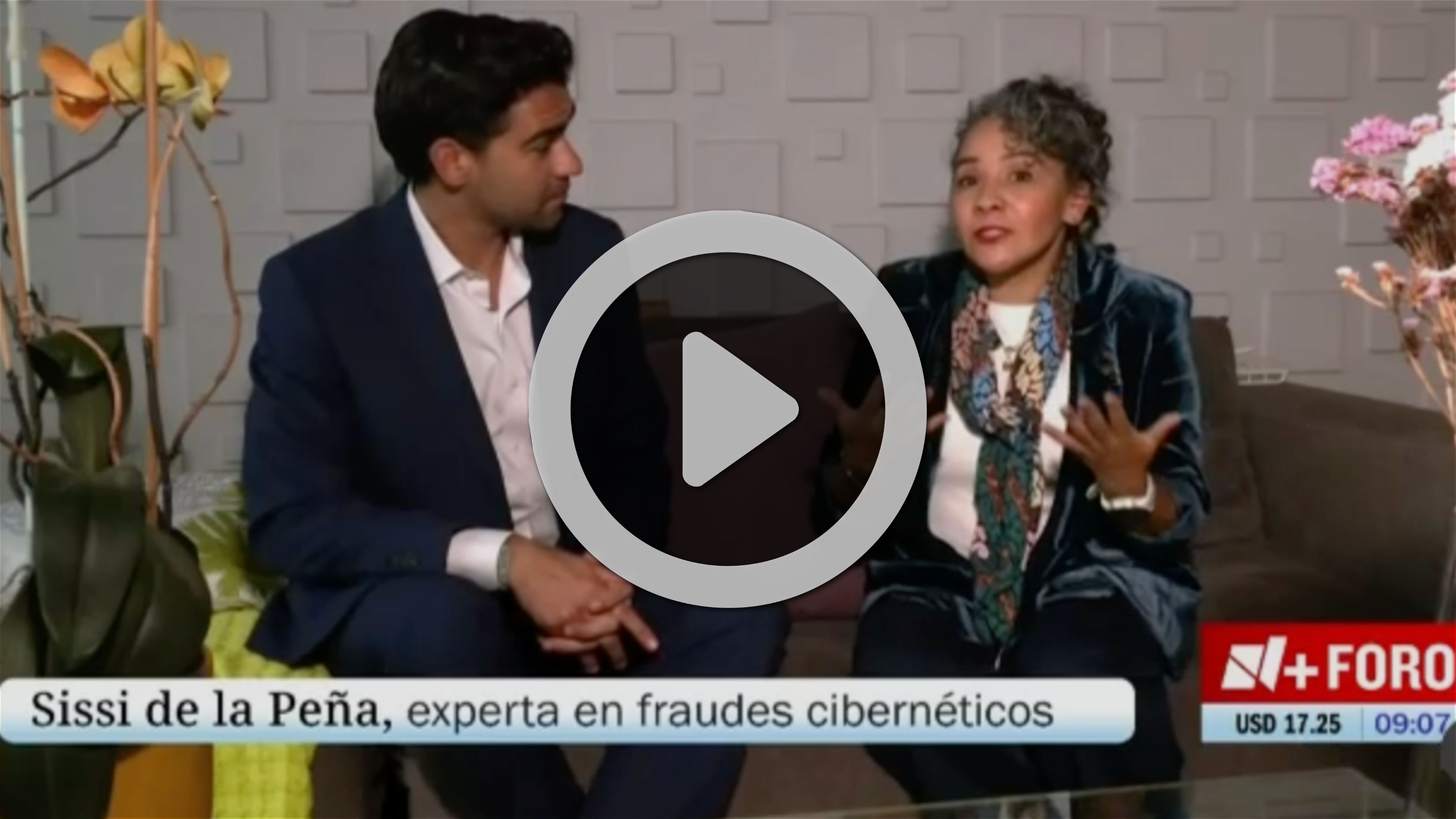
The emotions scammers exploit: how social engineering influences our decisions
How scammers use fear, urgency, excitement and trust to influence decisions, and how recognising these tactics can help people prevent fraud.

Global Anti-Scam Alliance Welcomes Mastercard as Founding Member of Its Mexico Chapter
The Global Anti-Scam Alliance (GASA) announces the membership of Mastercard as a Member of its Mexico Chapter.
What Uganda’s IVR Trial Shows About Practice-Based Scam Prevention
A Uganda IVR trial shows how practice-based fraud prevention helped mobile money users reduce losses and increase reporting.
FTC’s Never EVER Campaign Helps Prevent Elder Financial Abuse With Simple, Specific Scam Warnings
The FTC’s Never EVER campaign uses simple, specific imposter scam warnings to help prevent elder financial abuse and support coordinated consumer education.
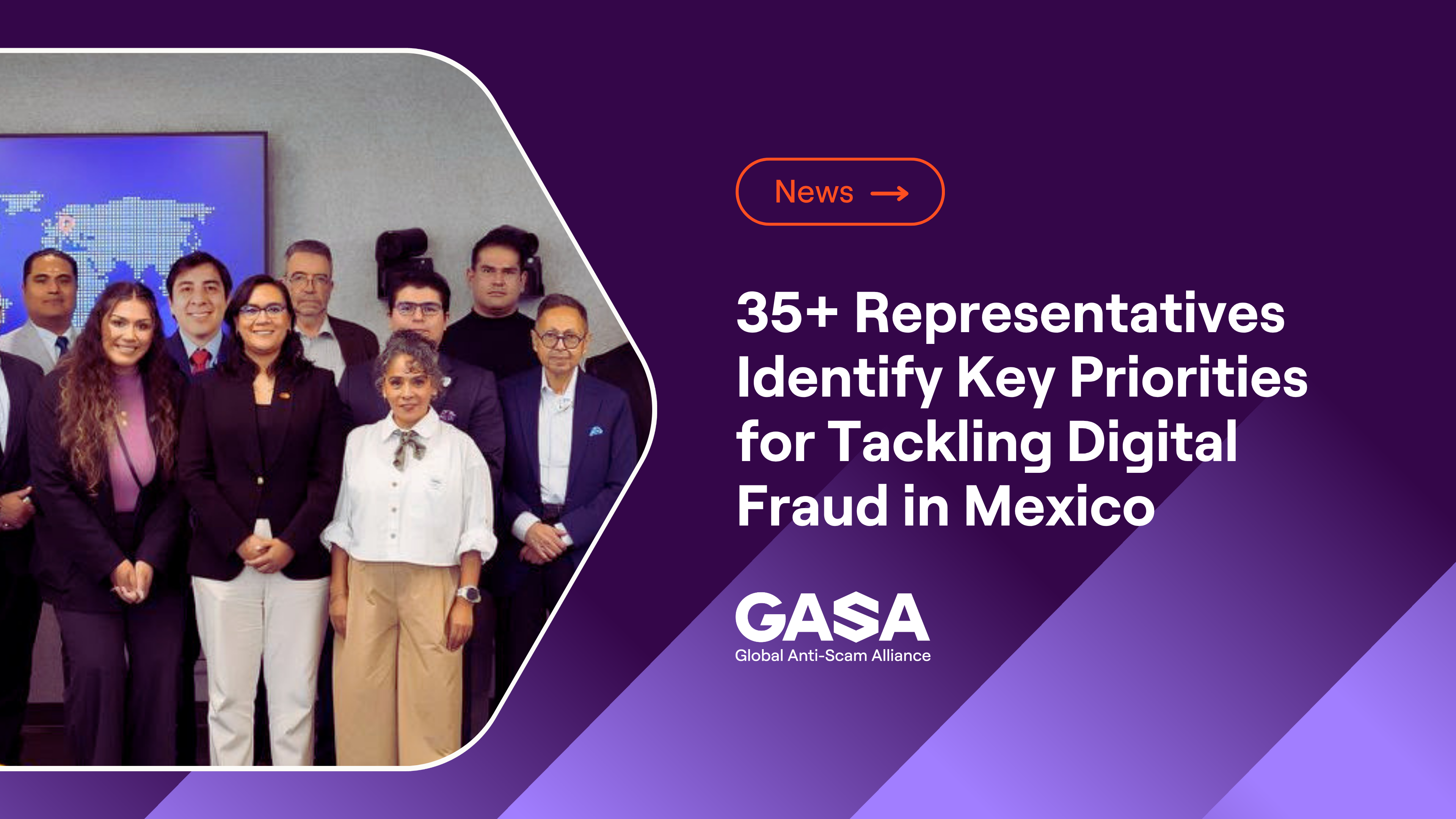
GASA Mexico's Second Roundtable Advances Coordinated Action Against Digital Fraud
GASA Mexico's second roundtable brought together more than 35 representatives to strengthen coordination across cybersecurity, fraud prevention and other sectors.
Cognyte Joins Global Anti-Scam Alliance to Fight Financial Fraud Threats
Cognyte, a global leader in investigative analytics software, today announced its membership in the Global Anti-Scam Alliance (GASA).
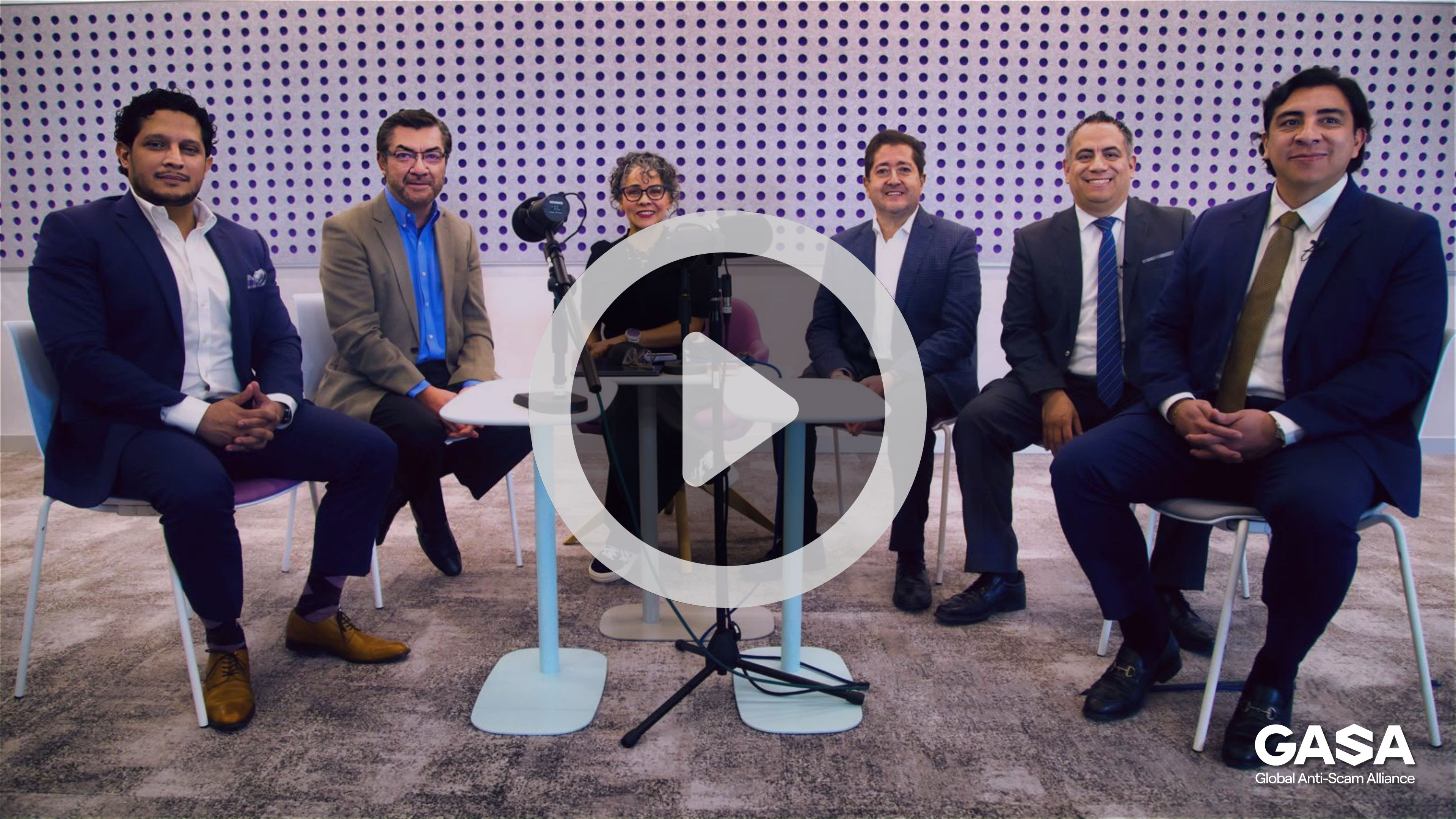
A network is beaten by a network: Mexico's banks move from remediation to prevention
GASA convened the ABM Fraud Committee and Mexican banks to advance the enriched agreement and strengthen coordinated fraud prevention across the sector.