
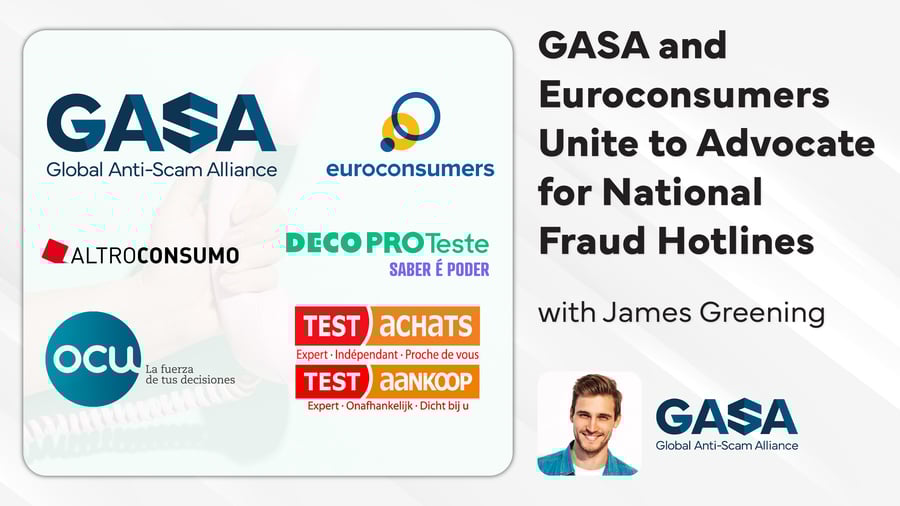
In a groundbreaking initiative, the Global Anti-Scam Alliance (GASA) and Euroconsumers ’ member organizations – Altroconsumo (Italy) , Deco Proteste (Portugal), OCU (Spain), and Testachats / Testaankoop (Belgium) – are calling on national governments to establish dedicated fraud hotlines for scam victims. This collective appeal, announced at Euroconsumers’ International Forum in Brussels on December 5, 2024, emphasizes the urgent need for centralized solutions to provide victims with the support, guidance, and resources they require after falling victim to cybercrime.
A United Front Against Scams
This collaboration between GASA and Euroconsumers’ member organizations marks a major step forward in the global fight against scams. Together, they are advocating for national fraud hotlines as a single point of contact for scam victims, streamlining the recovery process and offering critical emotional and financial support.
Els Bruggeman , Head of Policy and Enforcement at Euroconsumers , highlighted the need for a more unified approach, “Instead of sending scam victims on a lonely journey through police, banks, platforms,... in pursuit of help and redress, a single fraud hotline could at least take that burden of their shoulders. It also allows for the specialized approach scam survivors require to address the shame and emotional impact that comes with a scam.”
The Scale of the Problem: Key Findings from Euroconsumers and GASA
Insights from Euroconsumers
The findings from Euroconsumers’ “ Caught in the Web: Navigating the Digital Maze of Scams ” reveal the urgent need for better victim support systems:
92% of respondents experienced fraud or scams in the last two years, with 78% occurring in the past 12 months .
Over half of scam victims did not seek support, while only 47% felt they had access to clearly defined procedures for dealing with cybercrime.
Among those who sought help, one in four cases reported to the police were closed without follow-up, and one in five victims received no response at all.
Just 3% of scam victims managed to recover their stolen money.
These figures highlight the frustration and helplessness many victims face due to fragmented systems and insufficient enforcement.
Insights from GASA
GASA’s " Global State of Scams Report 2024 " paints a similarly troubling picture on a global scale:
Over $1 trillion stolen globally by scammers in the past year, highlighting the immense financial impact of scams.
Nearly 50% of global consumers report being targeted by scams at least once a week, with regions like Brazil, Hong Kong, and South Korea experiencing near-daily exposure.
Only 4% of global scam victims were able to fully recover their money.
These insights demonstrate the global nature of the scam epidemic and the necessity of coordinated, large-scale responses.
Coordinated Efforts to Combat Scams
GASA and Euroconsumers stress that better collaboration between stakeholders – including law enforcement, victim support networks, banks, telecom providers, and online platforms – is essential to help victims and improve the ability to track and prosecute scammers.
Jorij Abraham , Managing Director of GASA , explained, “A better coordination between stakeholders in support of scam survivors will facilitate better coordination among different stakeholders to pursue scammers and bring them to justice.”
National fraud hotlines could help restore trust in the digital ecosystem by addressing enforcement gaps and providing victims with clear and effective support systems. By simplifying the process for victims and facilitating collaboration among stakeholders, these hotlines would serve as a crucial tool in combating scams.
About GASA and Euroconsumers
The Global Anti-Scam Alliance (GASA) is an international organization committed to uniting stakeholders in the fight against scams and supporting victims worldwide.
Euroconsumers represents five national consumer organizations and over 1.5 million members across Italy, Belgium, Spain, Portugal, and Brazil, advocating for consumer rights and innovative solutions to address digital fraud.
Together, GASA and Euroconsumers are paving the way for a more victim-focused and effective approach to combating scams.
BanCoppel joins the Global Anti-Scam Alliance to bolster fraud prevention and safeguard individuals entering the banking system.
BanCoppel has joined the Global Anti-Scam Alliance (GASA) as a Corporate Member of the GASA Mexico Chapter.
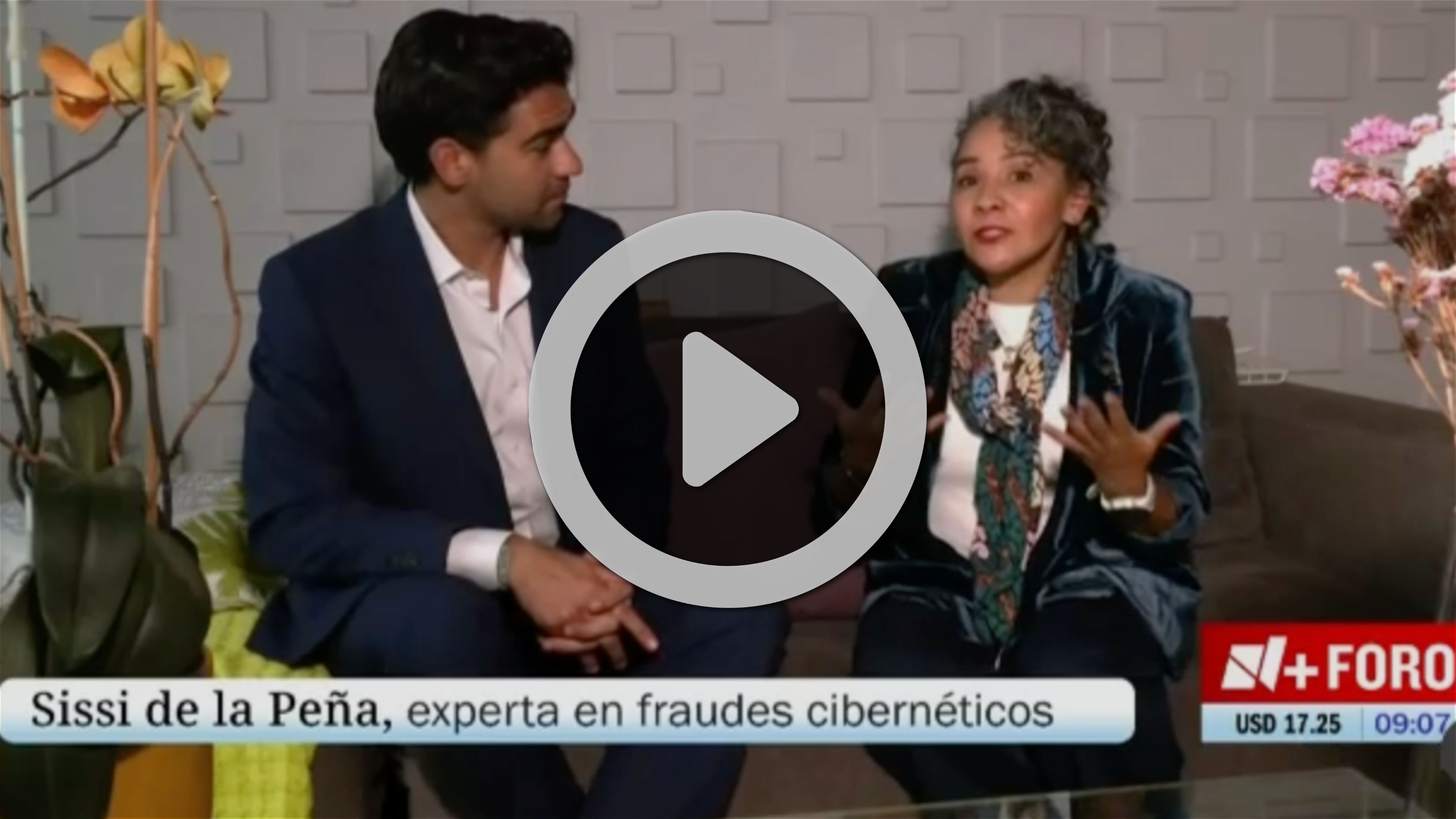
The emotions scammers exploit: how social engineering influences our decisions
How scammers use fear, urgency, excitement and trust to influence decisions, and how recognising these tactics can help people prevent fraud.

Global Anti-Scam Alliance Welcomes Mastercard as Founding Member of Its Mexico Chapter
The Global Anti-Scam Alliance (GASA) announces the membership of Mastercard as a Member of its Mexico Chapter.
What Uganda’s IVR Trial Shows About Practice-Based Scam Prevention
A Uganda IVR trial shows how practice-based fraud prevention helped mobile money users reduce losses and increase reporting.
FTC’s Never EVER Campaign Helps Prevent Elder Financial Abuse With Simple, Specific Scam Warnings
The FTC’s Never EVER campaign uses simple, specific imposter scam warnings to help prevent elder financial abuse and support coordinated consumer education.
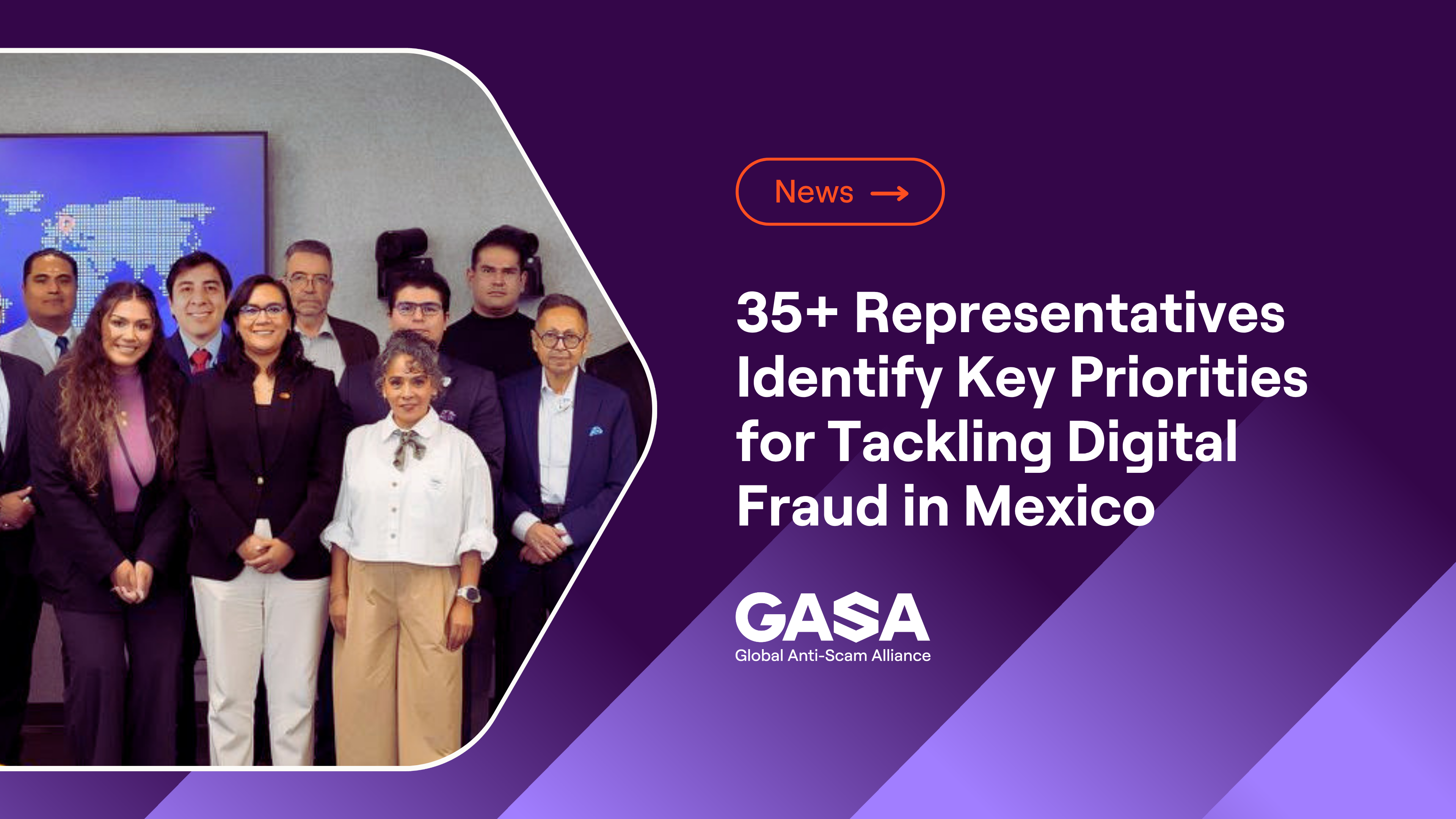
GASA Mexico's Second Roundtable Advances Coordinated Action Against Digital Fraud
GASA Mexico's second roundtable brought together more than 35 representatives to strengthen coordination across cybersecurity, fraud prevention and other sectors.
Cognyte Joins Global Anti-Scam Alliance to Fight Financial Fraud Threats
Cognyte, a global leader in investigative analytics software, today announced its membership in the Global Anti-Scam Alliance (GASA).
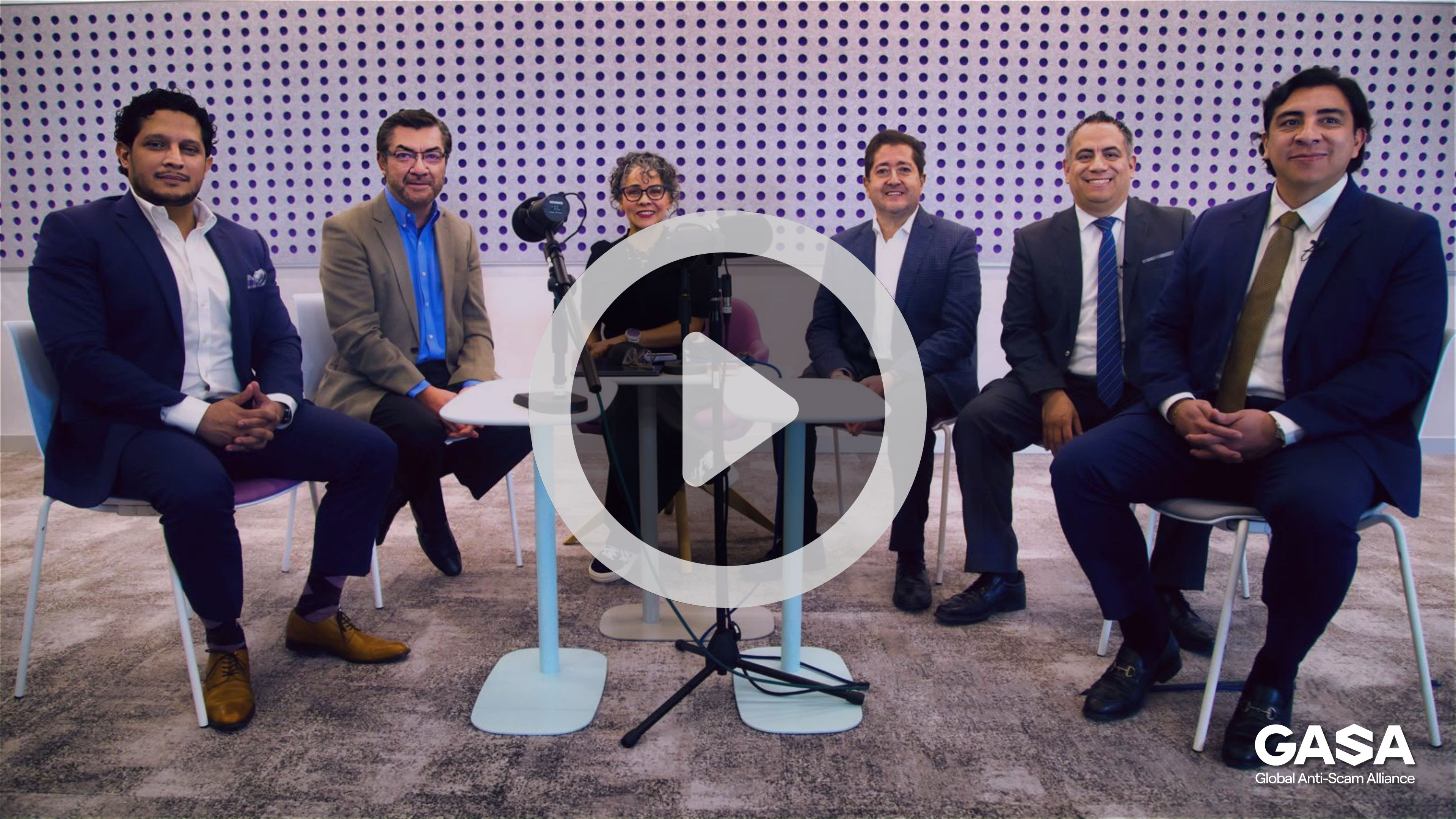
A network is beaten by a network: Mexico's banks move from remediation to prevention
GASA convened the ABM Fraud Committee and Mexican banks to advance the enriched agreement and strengthen coordinated fraud prevention across the sector.