

Online scams are evolving rapidly, exploiting user behaviour, platform vulnerabilities and communication channels in increasingly sophisticated ways. In response, Google has implemented a series of AI-powered protections across Search, Chrome and Android .
These system-wide updates are designed to detect and block scam activity at every touchpoint, from fake customer service listings to fraudulent SMS links. For the anti-scam community, this offers a valuable example of how layered defences can be applied at scale.
These efforts offer important lessons for others working to reduce online fraud. By embedding real-time protection into each layer of its ecosystem and sharing threat intelligence with external partners, Google is helping raise the standard for proactive scam defence.
In 2024 alone, it was estimated that scammers stole $1 trillion globally , based on findings from the Global State of Scams Report . Against this backdrop, scalable, AI-driven solutions have become essential. They not only protect users but also shift the burden away from individuals and towards platforms that can intervene earlier.
Smarter Defences in Search
Google’s AI systems now block 20 times more scammy web pages than before. This includes search results that impersonate legitimate services, such as airline customer support numbers. According to Google, this specific scam tactic has been reduced by over 80 percent. In addition, new protections rolled out in 2024 led to a more than 70 percent drop in scams impersonating official websites, such as visa portals and government service pages. Overall, Google currently prevents hundreds of millions of harmful and scam-related results from reaching users every day, providing critical protection at scale.
These improvements are driven by new detection methods that go beyond individual sites. AI models analyse behavioural patterns and linguistic cues to identify large-scale scam campaigns. This allows Google to stay ahead of emerging threats and protect users searching for help online.
These defences now extend across multiple languages . With the help of large language models, Google has trained its systems to identify scams in one language and apply that intelligence across others, helping limit exposure to scams worldwide.
On-Device Protection in Chrome
Google Chrome’s Enhanced Protection mode is now powered by Gemini Nano, an on-device language model that evaluates the risk of websites in real time. This allows Chrome to warn users about potential scams even if the threat has not yet been reported or included in a database.
Because the model runs locally on the device, it can respond immediately. This is especially valuable against fast-moving threats like phishing sites and fake technical support pages, which often appear and disappear within hours.
Speed matters in scam prevention. Many scams operate in narrow time windows, appearing briefly, targeting users with urgency, then vanishing. By embedding AI directly into products, Google is able to detect and respond to scam signals as they emerge, rather than relying on retrospective reports. This kind of early intervention is essential to limiting user exposure at scale.
Keeping Android Users Safe from Calls and Messages
Many scams begin with an unexpected phone call or text message. Google has introduced on-device scam detection in both Google Messages and Phone by Google, using AI to identify suspicious calls and messages that may appear harmless at first but evolve into scams.
In addition, Chrome on Android now provides smarter controls over website notifications. When a site tries to send spammy or misleading alerts, users receive a warning and can choose whether to block or review the content.
Google’s AI models are also being deployed against scams that fall outside traditional browsing or messaging environments. From malvertising and fake travel websites to toll road and package tracking scams, Google has observed bad actors targeting users through increasingly diverse and adaptive channels. Each of these vectors presents a slightly different risk profile, but they share a common response: layered, real-time detection powered by AI.
A Model for Industry Action
Google’s latest updates show how platforms can move beyond traditional security models to deliver faster and more adaptive protections. Instead of waiting for reports to surface or relying on static blacklists, AI tools can detect risk patterns at scale and respond instantly.
These efforts are not limited to product innovation. Google is also collaborating with external stakeholders to advance systemic responses to online fraud. As a founding partner of the Global Signal Exchange , developed with GASA and DNS Research Federation, Google is helping to enable faster cross-border sharing of scam intelligence.
In parallel with these technical measures, Google is also contributing to global policy discussions on scam prevention. In 2024, Google published a report outlining policy recommendations for improving information sharing, incentivising proactive action by platforms, and increasing public investment in fraud education.These proposals align closely with GASA’s approach and reinforce the need for coordinated public and private strategies.
At GASA, we bring together organisations to share strategies and strengthen collective scam prevention efforts. Google’s AI-driven initiatives highlight what is possible when technology is deployed with safety in mind.
About the Author
James Greening , operating under a pseudonym, brings a wealth of experience to his role. Formerly the sole driving force behind Fake Website Buster, James leverages his expertise to raise awareness about online scams. He currently serves as a Content Marketing & Design Specialist for the Global Anti-Scam Alliance (GASA).
James’s mission aligns with GASA’s mission to protect consumers worldwide from scams. He is committed to empowering professionals with the insights necessary to detect and mitigate online scams, ensuring the security and integrity of their operations and digital ecosystems.


3 Ways to Prevent Cross-Border Payment Scams in Mexico
Learn three ways financial institutions can prevent cross-border payment scams in Mexico through intelligence sharing, payee transparency and real-time analysis.

Accra Trust & Safety Workshop Turns Collaboration into Action Against Scams and Fraud in West Africa
GASA Africa Chapter and Google South Africa brought anti-fraud leaders together to strengthen cross-border cooperation and scam prevention.
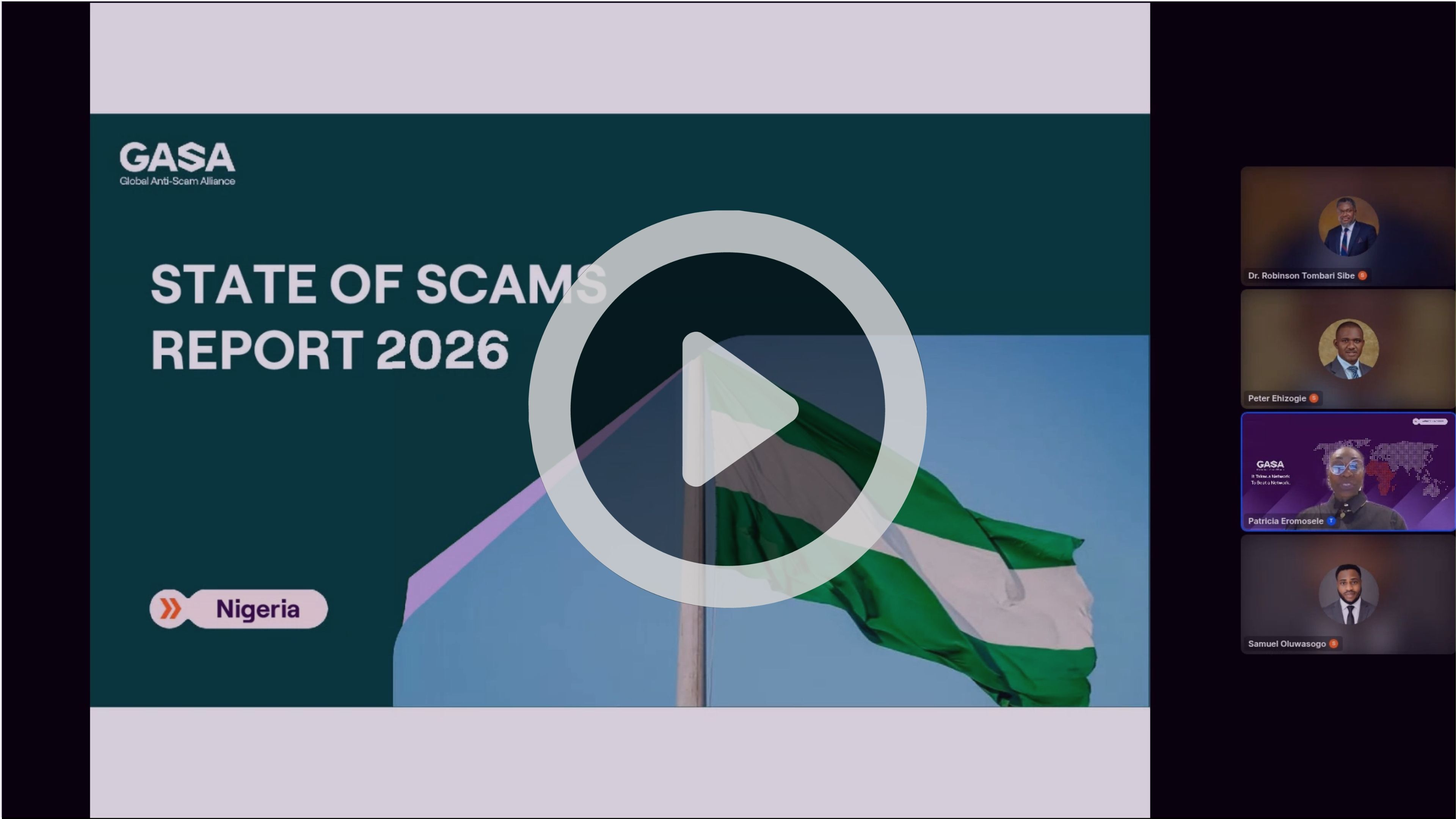
State of Scams in Nigeria 2026: A Comparative Review Across Africa
Nigerian experts examine scam trends, technology, consumer protection and the need for stronger cross-sector collaboration.
Nearly three in four Danish adults encountered scams as estimated losses reach DKK 10.1 billion
New State of Scams Denmark 2026 report finds scam exposure is rising, while victims face repeated financial and emotional harm.

Building a More Trusted Digital Philippines: New Report Underscores the Need for Collective Action as Scam Exposure Continues to Rise
GASA’s State of Scams in the Philippines 2026 Report, in collaboration with Mastercard and Gogolook, highlights the growing scale of the scam challenge in the Philippines.
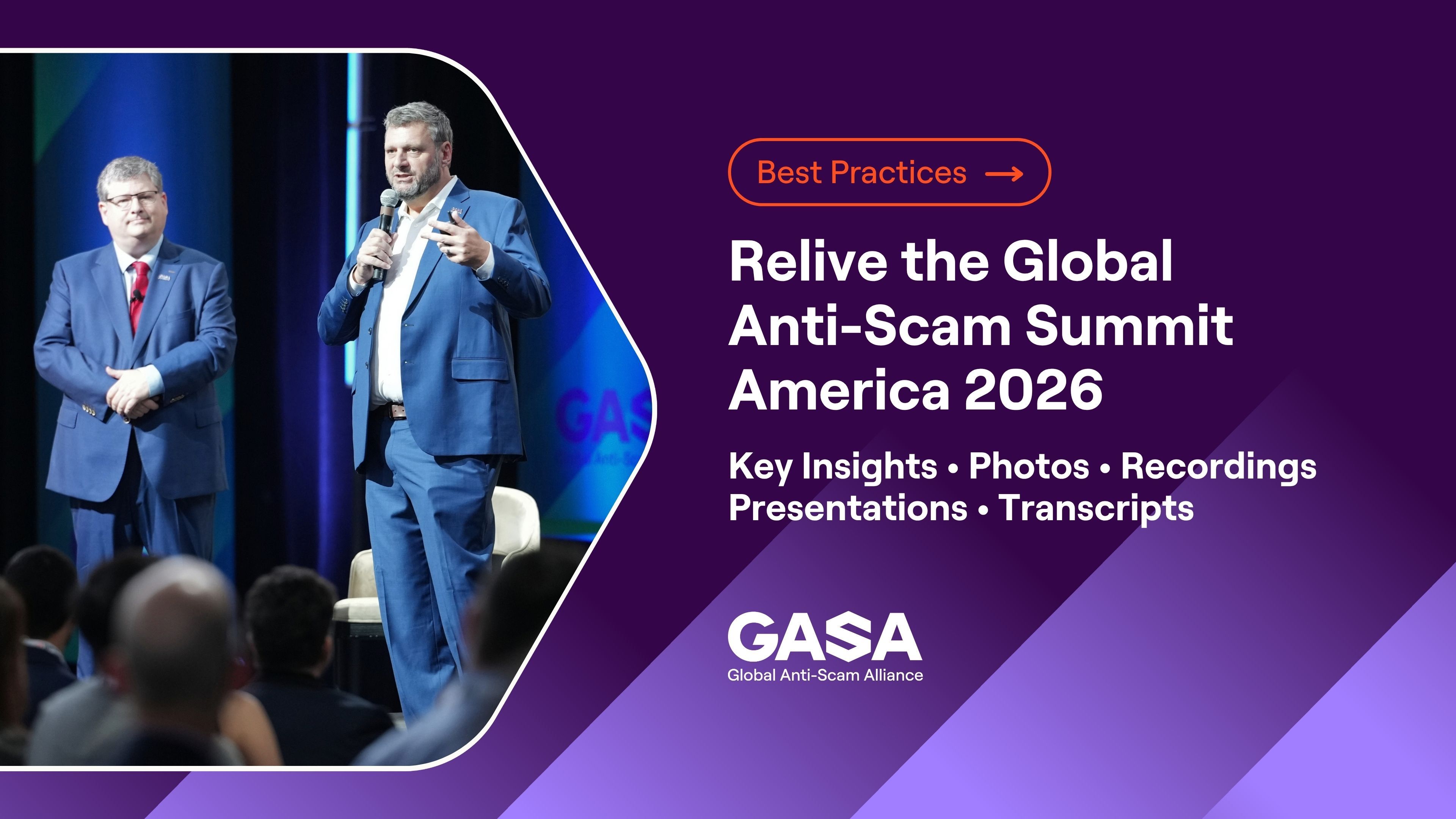
Global Anti-Scam Summit America 2026: Highlights, Insights and Resources
Explore GASS America 2026 highlights and insights, with the Summit summary, photos, presentation slides, transcripts and session recordings from San Francisco.
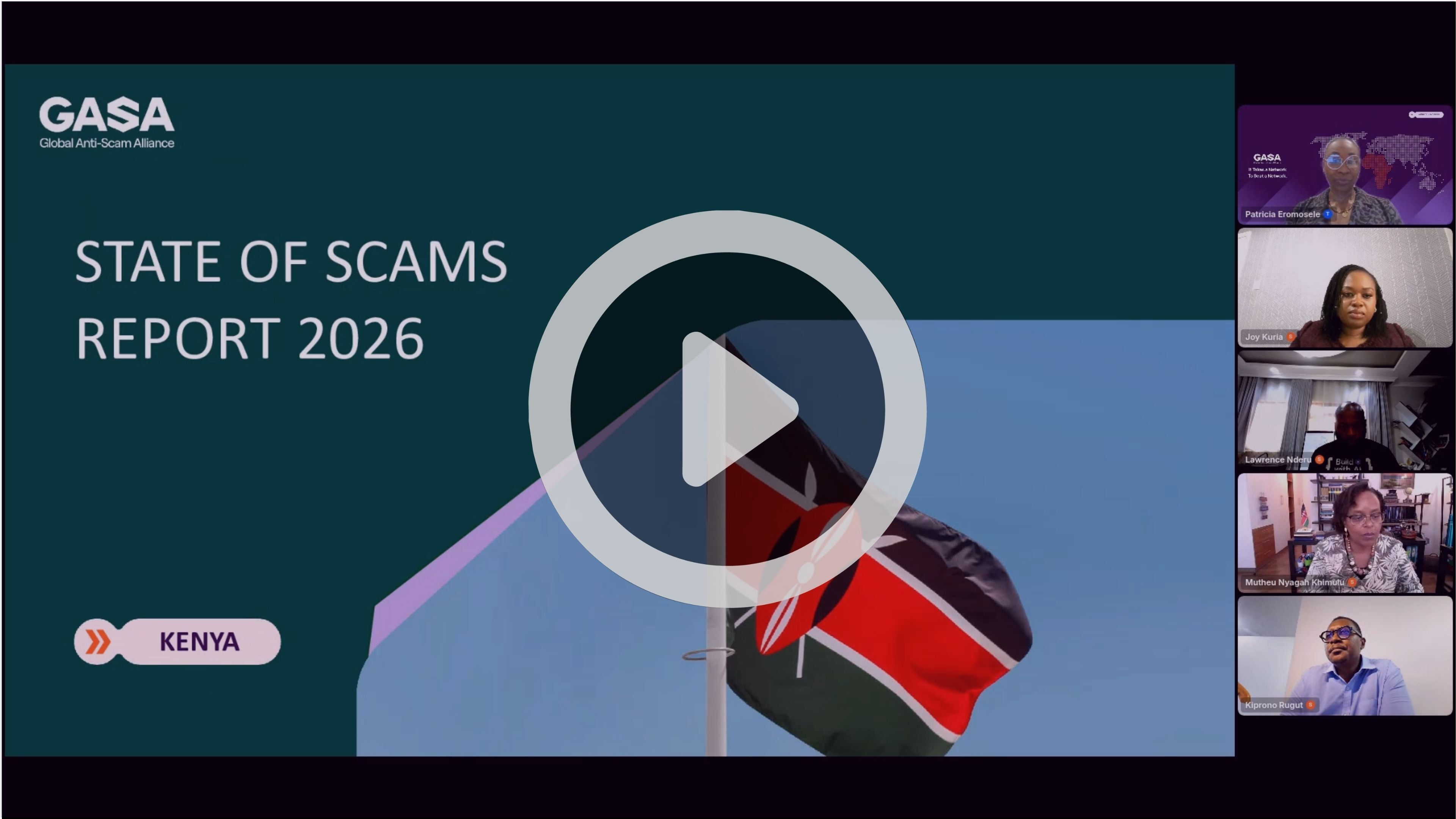
State of Scams in Kenya 2026: A Comparative Review Across Africa
Kenyan experts examine scam trends, data sharing, digital trust and the need for stronger cross-sector prevention.
State of Scams in South Africa 2026: A Comparative Review Across Africa
South African experts examine scam trends, AI, consumer protection and the need for stronger cross-sector collaboration.