
GASA & BioCatch research finds ”scammers are enhancing their methods” against Denmark
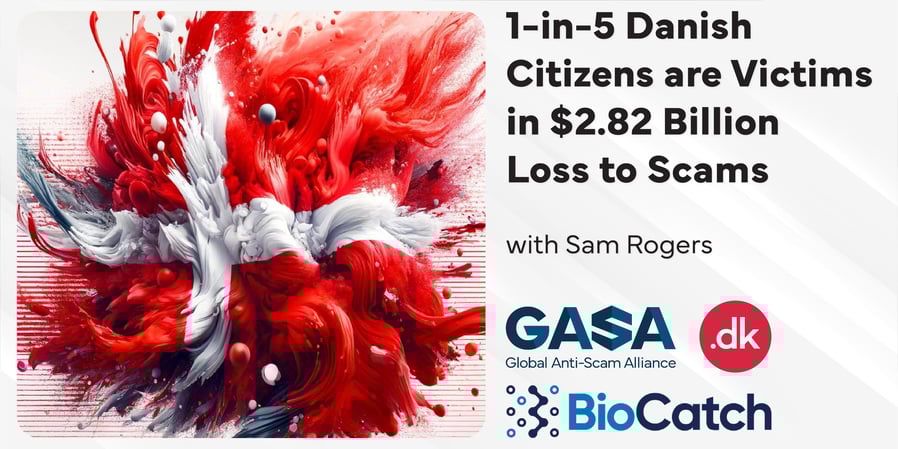
In a joint initiative by the Global Anti-Scam Alliance (GASA) , BioCatch , and Punktum dk , the annual State of Scams in Denmark 2024 report has been unveiled, shedding light on the persistence and evolution of scam activities affecting Danish citizens. The economic repercussions are startling, with scams siphoning off US$2.82 billion—equivalent to 0.7% of the nation's GDP. This represents a significant 62% leap from the previous year, prompting an urgent reassessment of anti-scam strategies. "When we examine the financial loss coupled with an 86% rate of non-reporting, the urgency for comprehensive solutions becomes crystal clear," said GASA Managing Director, Jorij Abraham.
Frequency of scams experiences drops, but overall fraud is up
The GASA research team of Jorij Abraham , Sam Rogers , Clement Njoki , and James Greening , with support from academics from the University of Twente, have again analyzed the complex nature of the scamming world in Denmark. This time the scope of the survey has expanded to cover new emerging threats, such as AI and money mules. Of increasing concern, the team discovered a decline in the Danish population's confidence in recognizing scams.
"A 3% dip in confidence is more than a statistic; it's a signal that scammers are enhancing their methods," says Abraham. Despite this, there's a silver lining with a 23% decrease in the frequency of scam encounters on a monthly basis. However, the broader perspective reveals an overall 41% increase in scam encounters over the last year, indicative of a deep-rooted issue.
Emails and texts/SMS messages remain the favored channels for scam attempts, exploiting trusted platforms like Facebook and Gmail. The prevalence of such platforms calls for heightened vigilance and a push for advanced cybersecurity measures. Not to be overlooked is the profound emotional impact of scams, with 38% of Danish victims reporting significant emotional distress, underscoring the need for victim support systems alongside preventative measures.
Anti-fraud tech takes the frontline in the defense of Danish citizens
Gareth Williams of BioCatch highlights the role of cutting-edge technology in fraud detection. "Analyzing over 3,000 different behavior patterns and cognitive signals allows us to pinpoint anomalies indicative of fraudulent activity," explains Williams. He advocates for a "risk-based approach using modern technology," which balances security with convenience, thereby empowering consumers to stay a step ahead of scammers.
Jakob Bring Truelsen and Kristian Hansen of Punktum dk share their mission's evolution from operational functionality to enhancing user safety within the .dk domain. The launch of Tjekpånettet.dk in August 2023, developed with GASA, stands as a testament to successful collaborations and the importance of digital literacy. "Our platform has conducted 280,000 checks by March 2024, which illuminates the effectiveness of proactive digital defense tools in empowering users against the scourge of scams," Truelsen states.
Shaping the Future: A Call for Coordinated Action
The report concludes with a strong call to action for individuals, government bodies, law enforcement, financial institutions, and cybersecurity experts. For individuals, embracing skepticism and leveraging digital literacy can dramatically reduce susceptibility to scams. Law enforcement and government agencies are encouraged to amplify their joint efforts on a domestic and international scale to dismantle scam networks.
Financial institutions and cybersecurity entities are called upon to innovate with AI and machine learning for real-time fraud detection, while visible reporting channels and public campaigns are essential to bolster reporting rates and underscore their role in combating scams.
Conclusion and Forward Outlook
The State of Scams in Denmark 2024 report is a rallying cry for a united front against scamming activities. With a multifaceted approach, the synergy of education, technological advancement, and robust reporting infrastructure, Denmark seeks to not only mitigate the current challenges but also set a global benchmark in anti-scam strategies.
Download The State of Scams in Denmark 2024, and other GASA research here: https://www.gasa.org/research

BanCoppel joins the Global Anti-Scam Alliance to bolster fraud prevention and safeguard individuals entering the banking system.
BanCoppel has joined the Global Anti-Scam Alliance (GASA) as a Corporate Member of the GASA Mexico Chapter.
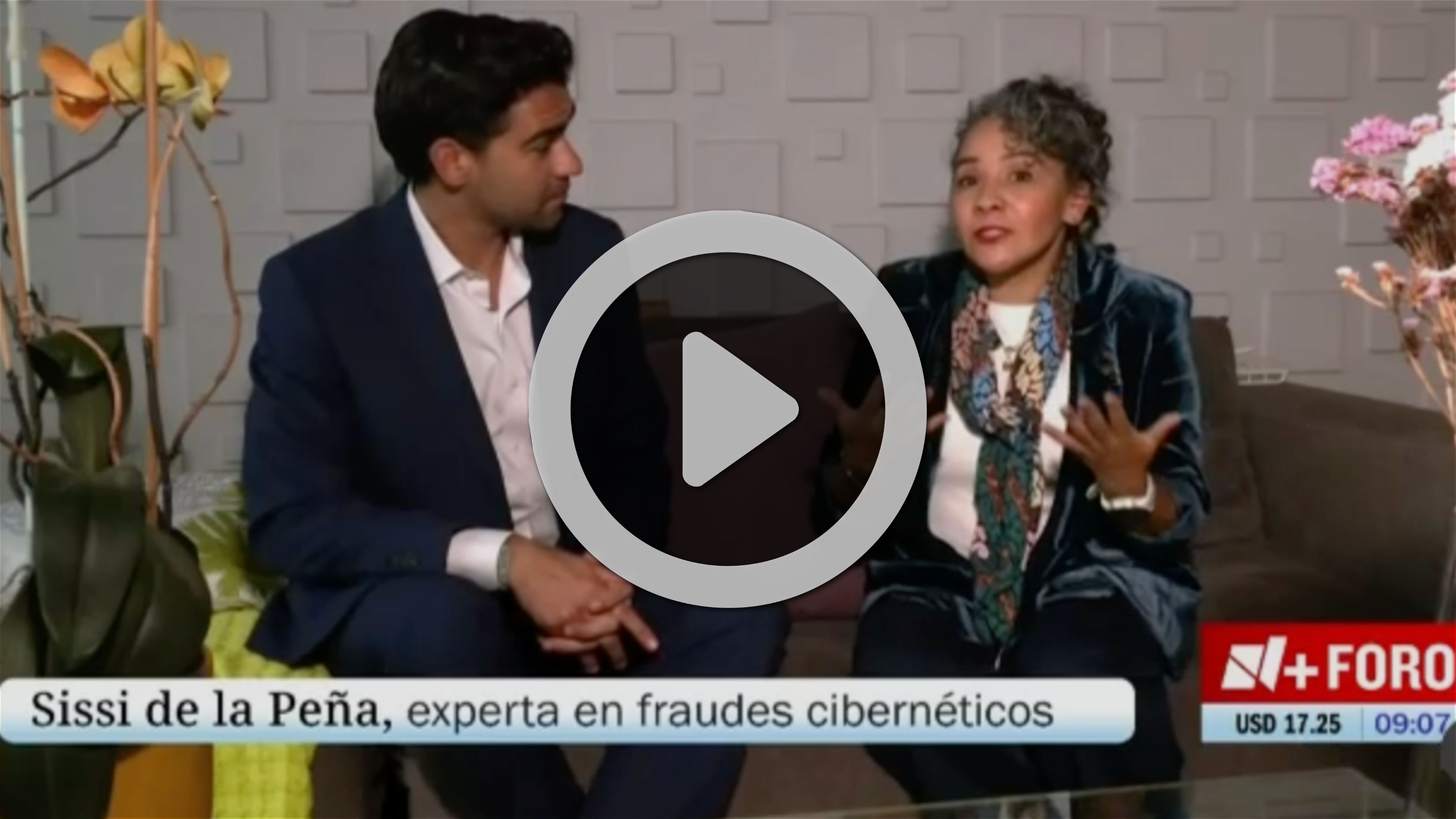
The emotions scammers exploit: how social engineering influences our decisions
How scammers use fear, urgency, excitement and trust to influence decisions, and how recognising these tactics can help people prevent fraud.

Global Anti-Scam Alliance Welcomes Mastercard as Founding Member of Its Mexico Chapter
The Global Anti-Scam Alliance (GASA) announces the membership of Mastercard as a Member of its Mexico Chapter.

What Uganda’s IVR Trial Shows About Practice-Based Scam Prevention
A Uganda IVR trial shows how practice-based fraud prevention helped mobile money users reduce losses and increase reporting.

FTC’s Never EVER Campaign Helps Prevent Elder Financial Abuse With Simple, Specific Scam Warnings
The FTC’s Never EVER campaign uses simple, specific imposter scam warnings to help prevent elder financial abuse and support coordinated consumer education.
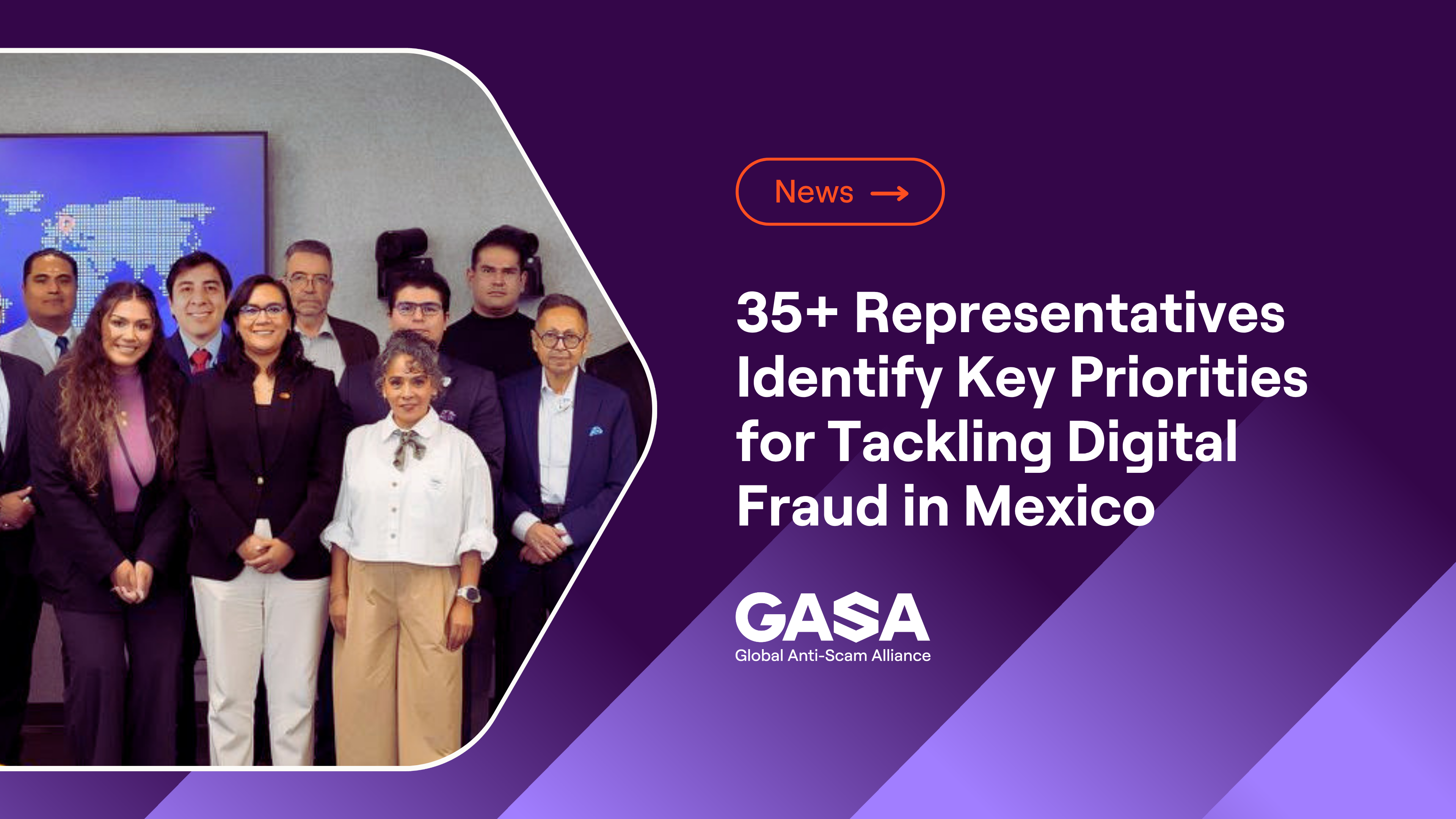
GASA Mexico's Second Roundtable Advances Coordinated Action Against Digital Fraud
GASA Mexico's second roundtable brought together more than 35 representatives to strengthen coordination across cybersecurity, fraud prevention and other sectors.

Cognyte Joins Global Anti-Scam Alliance to Fight Financial Fraud Threats
Cognyte, a global leader in investigative analytics software, today announced its membership in the Global Anti-Scam Alliance (GASA).
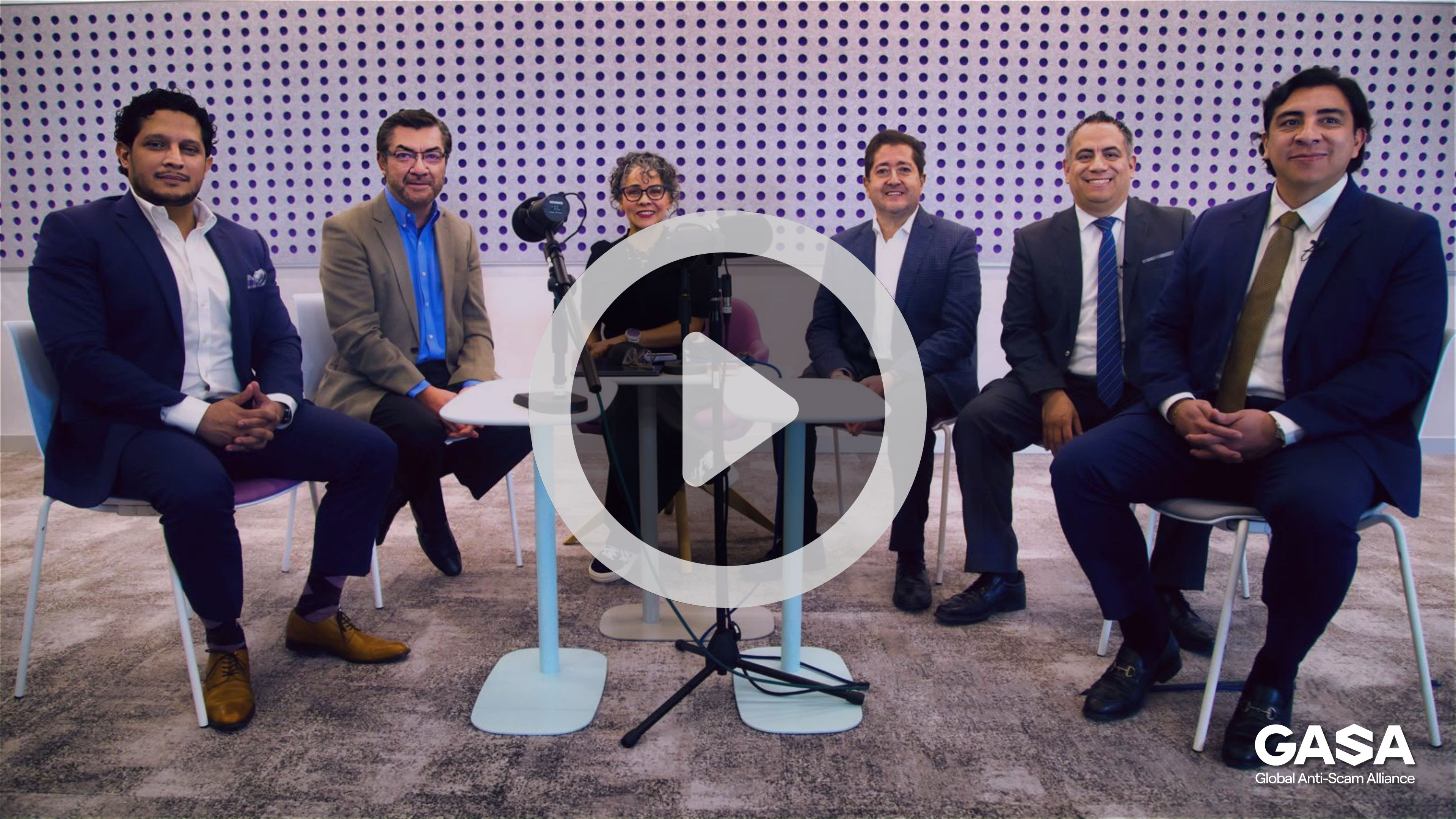
A network is beaten by a network: Mexico's banks move from remediation to prevention
GASA convened the ABM Fraud Committee and Mexican banks to advance the enriched agreement and strengthen coordinated fraud prevention across the sector.