
Nearly half of Danish adults say they were scammed in the last year
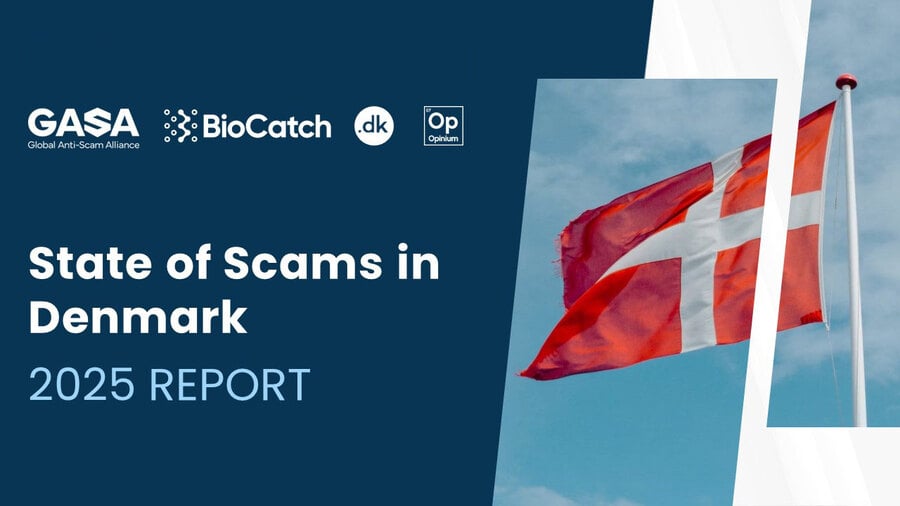
COPENHAGEN, DENMARK (April 15, 2025) — A new survey of 1,000 Danes conducted by the Global Anti-Scam Alliance (GASA) and BioCatch , which prevents financial crime by recognizing patterns in human behavior, found total scam losses in Denmark exceeded 6.9 billion Danish Krone (DKK) (US$1 billion) in the last 12 months, with every person in the country losing an average of 5,731 DKK (US$831). Nearly 90% of scam attempts in Denmark transpire via platforms with a direct message capability, with Facebook (53%) and Gmail (45%) accounting for much of the fraudster’s outreach.
“While we see Gen-Z (81%) and male (79%) Danes feeling most confident in their ability to recognize scam messages,” BioCatch Nordics Senior Manager Gareth Williams said, “it’s members of those same demographics who, in practice, take longer to identify scam messages. This is in line with trends we’ve observed in both Germany and France, where younger generations perceived to be more digitally savvy are falling victim to scams more frequently than their elders.”
The survey, which was conducted with leading strategic insight agency Opinium , found that of the 48% of those surveyed who said they’d fallen victim to a scam in the last 12 months, 73% said they reported the scam to the payment service they used for the transaction, and 40% of those said they were able to recover at least part of the money they lost.
Shopping scams are the most prevalent in Denmark, with 65% of Danish adults who were scammed encountering this type. The average scam victim in Denmark was scammed 2.4 times in the last year, with each scam encounter typically occurring on a weekly basis, equating to around 110 encounters per person per year.
“For me the biggest insight is that the perception that older generations are scammed more and easier, is clearly no longer true. I think the younger ‘tech savvy’ generations are more confident moving online and this in fact makes them a more worthwhile target for scammers,” said Jorij Abraham, Managing Director of GASA.
“We see this in many of the countries we have researched. Scammers even target the younger generations with specific kinds of scams on gaming platform like Roblox and Fortnite but also with specific kinds of scams like ‘student loans’ and ‘get your drivers license online’. It proves that scam awareness campaigns are needed from kindergarten up to the elderly home to make sure that everybody remains aware, as scammers also target every person, independent of education level, age, or social background.”
Other Key Report Findings
Over-confidence creates more victims: On average, Gen X tend to have more stolen (9,502 DKK) than Millennials (1,993 DKK). Those who believe they ‘can always recognise a scam’ had an average of 13,569 DKK stolen from them in the last year, in Denmark.
Danish children also under threat: Nearly 30% of Danish parents with children between the ages of seven and 17 said at least one of their children had been scammed at least once in the last 12 months.
Split responsibility: Danes differed on whom they felt ought to protect them from scams, with 33% placing the onus on commercial organizations, 31% believing it was their own responsibility, and 29% expecting public service organizations to keep them safe.
Reimbursement demanded: Almost half of Danish adults (46%) believe banks should always be responsible for reimbursing scam victims.
Click here to access GASA’s complete The State of Scams in Denmark – 2025 Report
About GASA
The Global Anti-Scam Alliance (GASA) is a non-profit organization dedicated to protecting worldwide consumers from scams. GASA unites governments, law enforcement, consumer protection organizations, financial authorities & providers, brand protection agencies, social media, Internet service providers, and cybersecurity companies in a collaborative environment to share insights, research, and solutions to protect consumers from fraud and scams. Additional information can be found at www.gasa.org .
About BioCatch
BioCatch prevents financial crime by recognizing patterns in human behavior, continuously collecting more than 3,000 anonymized data points – keystroke and mouse activity, touch screen behavior, physical device attributes, and more – as people interact with their digital banking platforms. With these inputs, BioCatch's machine-learning models reveal patterns in user behavior and provide device intelligence that, together, distinguish the criminal from the legitimate.
About Opinium
Opinium is an award-winning strategic insight agency that utilises robust methodologies to deliver insights with impact for organisations across the private, public and third sectors.
GASA have partnered with Opinium to lead the 2025 Global State of Scams research programme.
For press queries: gasa@opinium.com
BanCoppel joins the Global Anti-Scam Alliance to bolster fraud prevention and safeguard individuals entering the banking system.
BanCoppel has joined the Global Anti-Scam Alliance (GASA) as a Corporate Member of the GASA Mexico Chapter.
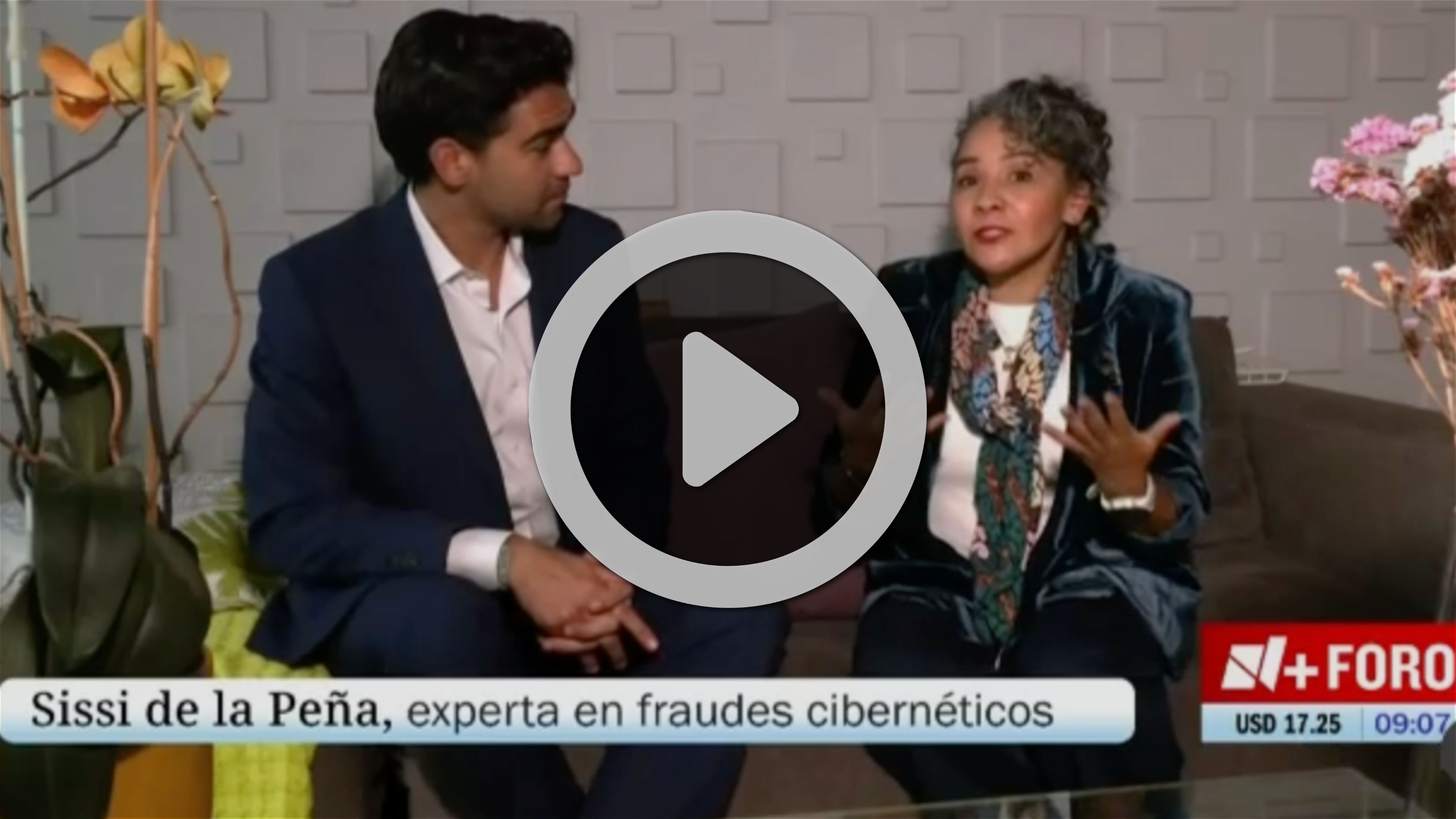
The emotions scammers exploit: how social engineering influences our decisions
How scammers use fear, urgency, excitement and trust to influence decisions, and how recognising these tactics can help people prevent fraud.

Global Anti-Scam Alliance Welcomes Mastercard as Founding Member of Its Mexico Chapter
The Global Anti-Scam Alliance (GASA) announces the membership of Mastercard as a Member of its Mexico Chapter.
What Uganda’s IVR Trial Shows About Practice-Based Scam Prevention
A Uganda IVR trial shows how practice-based fraud prevention helped mobile money users reduce losses and increase reporting.
FTC’s Never EVER Campaign Helps Prevent Elder Financial Abuse With Simple, Specific Scam Warnings
The FTC’s Never EVER campaign uses simple, specific imposter scam warnings to help prevent elder financial abuse and support coordinated consumer education.
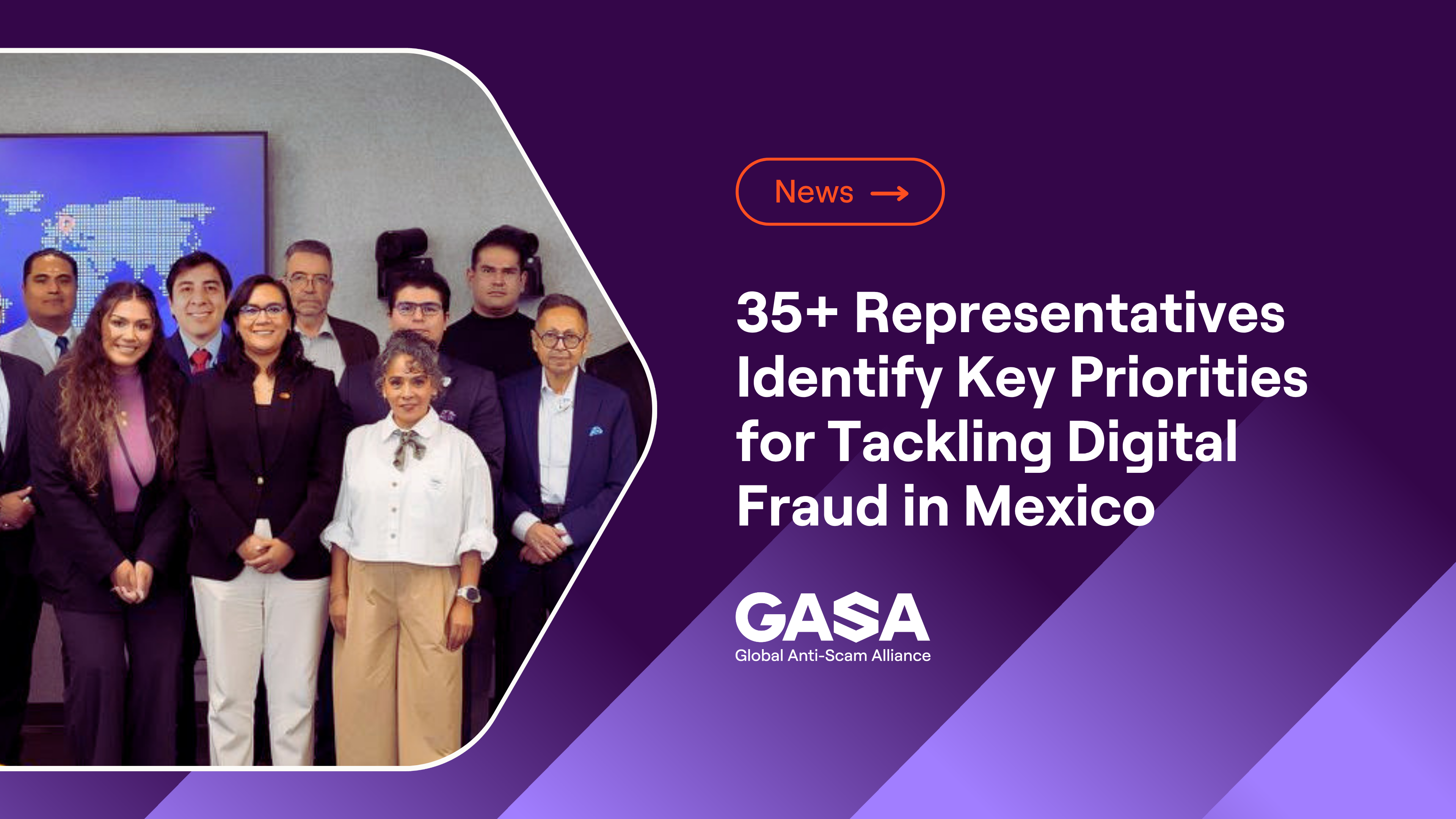
GASA Mexico's Second Roundtable Advances Coordinated Action Against Digital Fraud
GASA Mexico's second roundtable brought together more than 35 representatives to strengthen coordination across cybersecurity, fraud prevention and other sectors.
Cognyte Joins Global Anti-Scam Alliance to Fight Financial Fraud Threats
Cognyte, a global leader in investigative analytics software, today announced its membership in the Global Anti-Scam Alliance (GASA).
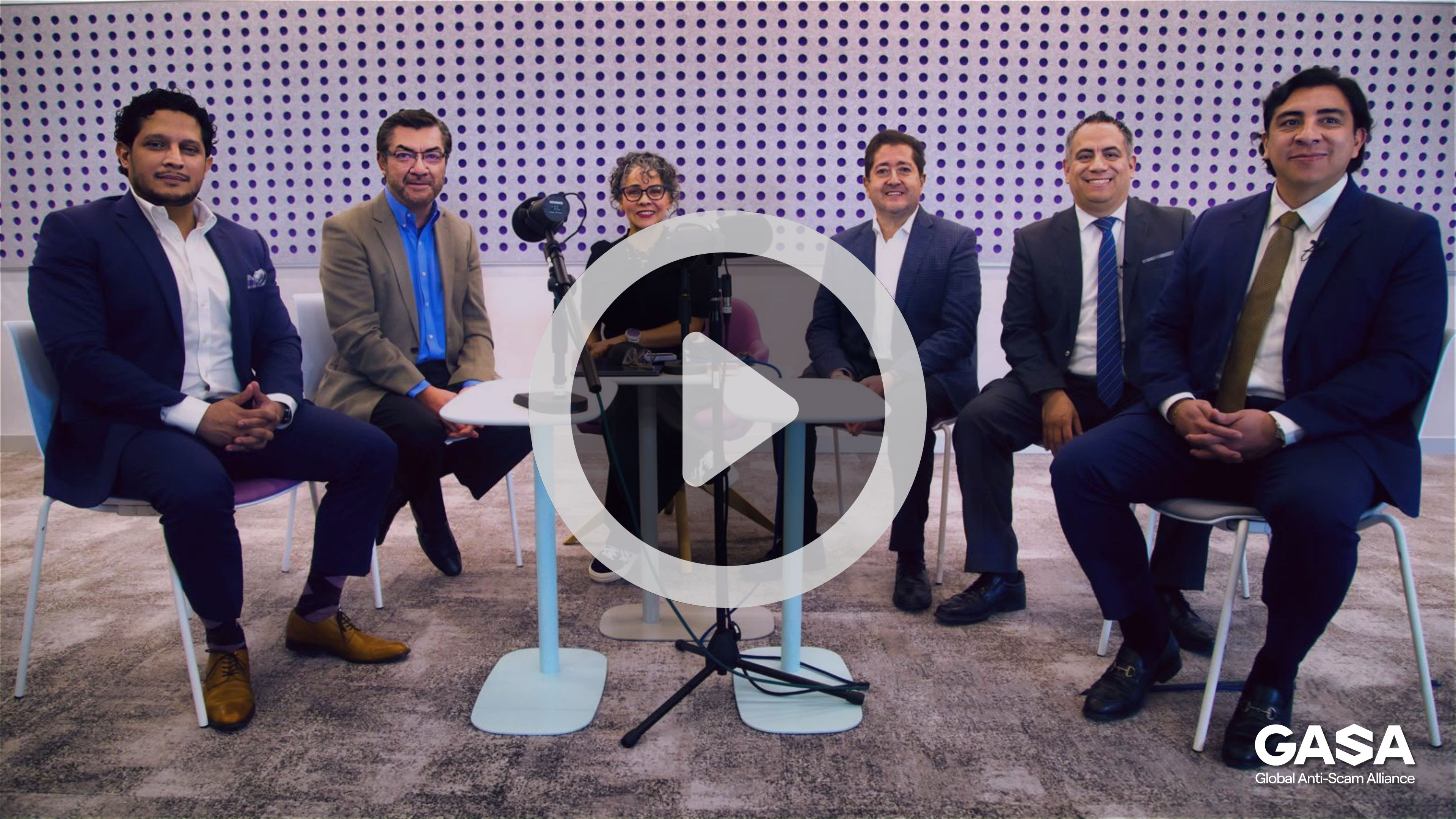
A network is beaten by a network: Mexico's banks move from remediation to prevention
GASA convened the ABM Fraud Committee and Mexican banks to advance the enriched agreement and strengthen coordinated fraud prevention across the sector.