
On 27th January, Donna Gregory, Unit Chief at the FBI’s Internet Crime Complaint Center (IC3) was honored as Scam Fighter Person of the Year 2022. ScamWatch , an initiative of the Australian Competition and Consumer Commission (ACCC), received the Scam Fighter Award for best scam-fighting organization.
Fighting Scams for 20+ Years
The Scam Fighter Awards are organized annually by the Global Anti-Scam Alliance (GASA) together with ScamAdviser , to bring more attention to the importance of fighting online fraud worldwide. According to GASA, last year nearly $ 50 billion was lost by consumers worldwide in online scams. The number of reported scams increased from 139 million to 266 million.
The independent Jury, consisting of Peter Depuydt (former Europol), Mitchel Chang (Trend Micro) and Cindy Liebes (Cybercrime Support Network), selected Donna Gregory, based on several dozens of nominations from the law enforcement and scam-fighting community, as Scam Fighter Person of the Year 2022.
Donna is Unit Chief at the FBI’s Internet Crime Complaint Center (IC3) and leads a team of cyber and criminal division specialists. She has been with the IC3 since its inception in 2000. Her primary focus is working with both the private and public sectors to develop effective alliances, define growing trends, and ensure IC3-filed information is processed for law enforcement and public awareness.
Peter Depuydt elaborated the decision of the jury: “Donna has been an asset to the law enforcement and scam fighting community by building bridges between law enforcement agencies globally as well as with the private sector. In addition, the annual IC3 reports have been extremely supportive to gain more global attention towards the need to fight online fraud.”
Fighting Fraud from Down Under
ScamWatch has received the Scam Fighter Award 2022 for the Organizations category. The initiative is managed by the Australian Competition and Consumer Commission (ACCC). ScamWatch provides information to consumers and small businesses about how to recognize, avoid and report scams. In 2021, ScamWatch received 272 thousand scam reports, reporting a total loss of AU$ 280 million.
Jury member Cindy Liebes commented: “After consideration of many excellent organizations, we selected ScamWatch for its role in providing excellent and comprehensive information about how to recognize, avoid and report scams." Mitchel Chang added: “ScamWatch also has taken on a central role in coordinating scam fighting, not only in Australia, but also internationally. As a result, Australia is taking a leading role in the combat against online fraud globally.”

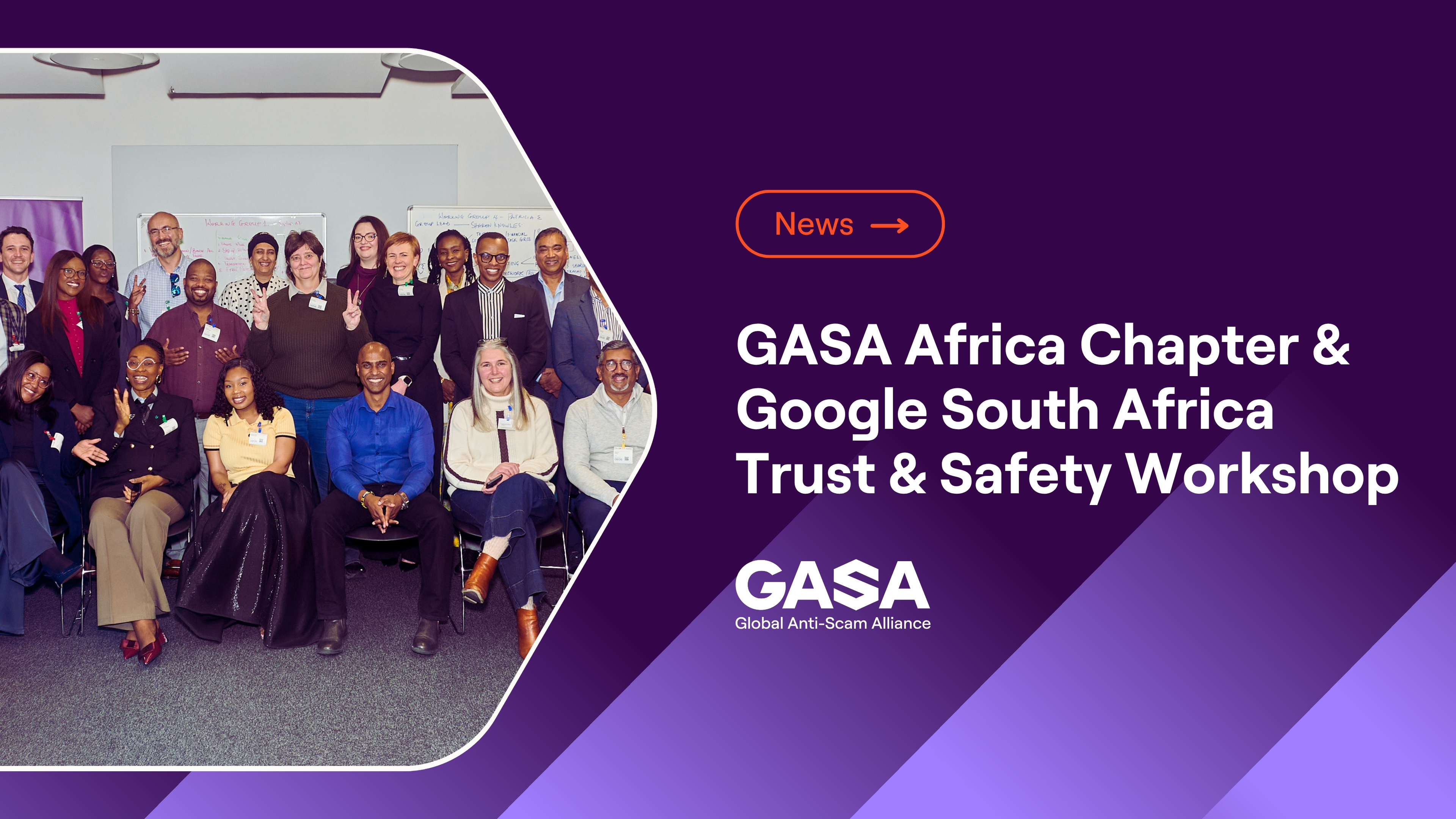
Accra Trust & Safety Workshop Turns Collaboration into Action Against Scams and Fraud in West Africa
GASA Africa Chapter and Google South Africa brought anti-fraud leaders together to strengthen cross-border cooperation and scam prevention.
State of Scams in Nigeria 2026: A Comparative Review Across Africa
Nigerian experts examine scam trends, technology, consumer protection and the need for stronger cross-sector collaboration.
Nearly three in four Danish adults encountered scams as estimated losses reach DKK 10.1 billion
New State of Scams Denmark 2026 report finds scam exposure is rising, while victims face repeated financial and emotional harm.
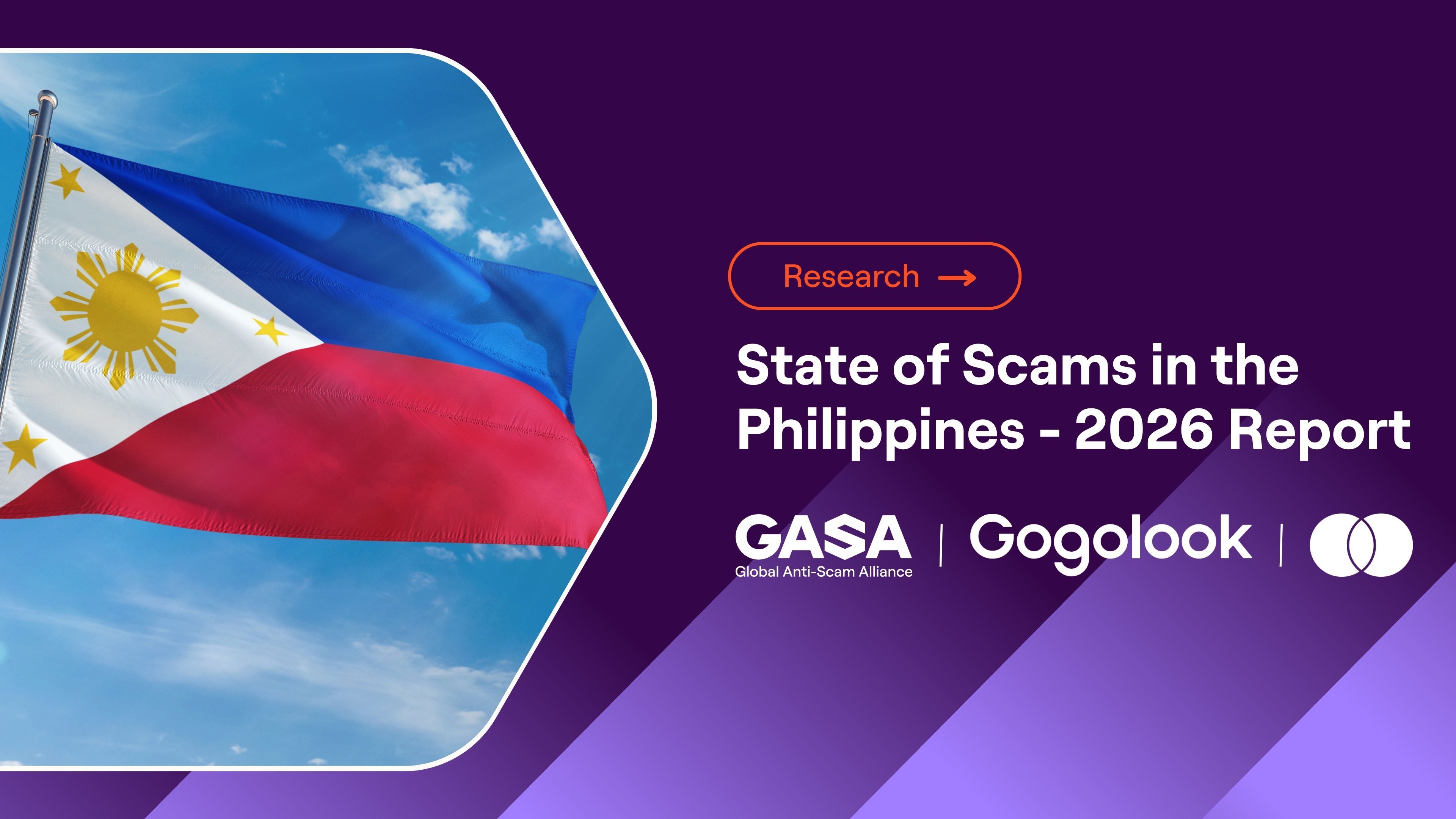
Building a More Trusted Digital Philippines: New Report Underscores the Need for Collective Action as Scam Exposure Continues to Rise
GASA’s State of Scams in the Philippines 2026 Report, in collaboration with Mastercard and Gogolook, highlights the growing scale of the scam challenge in the Philippines.
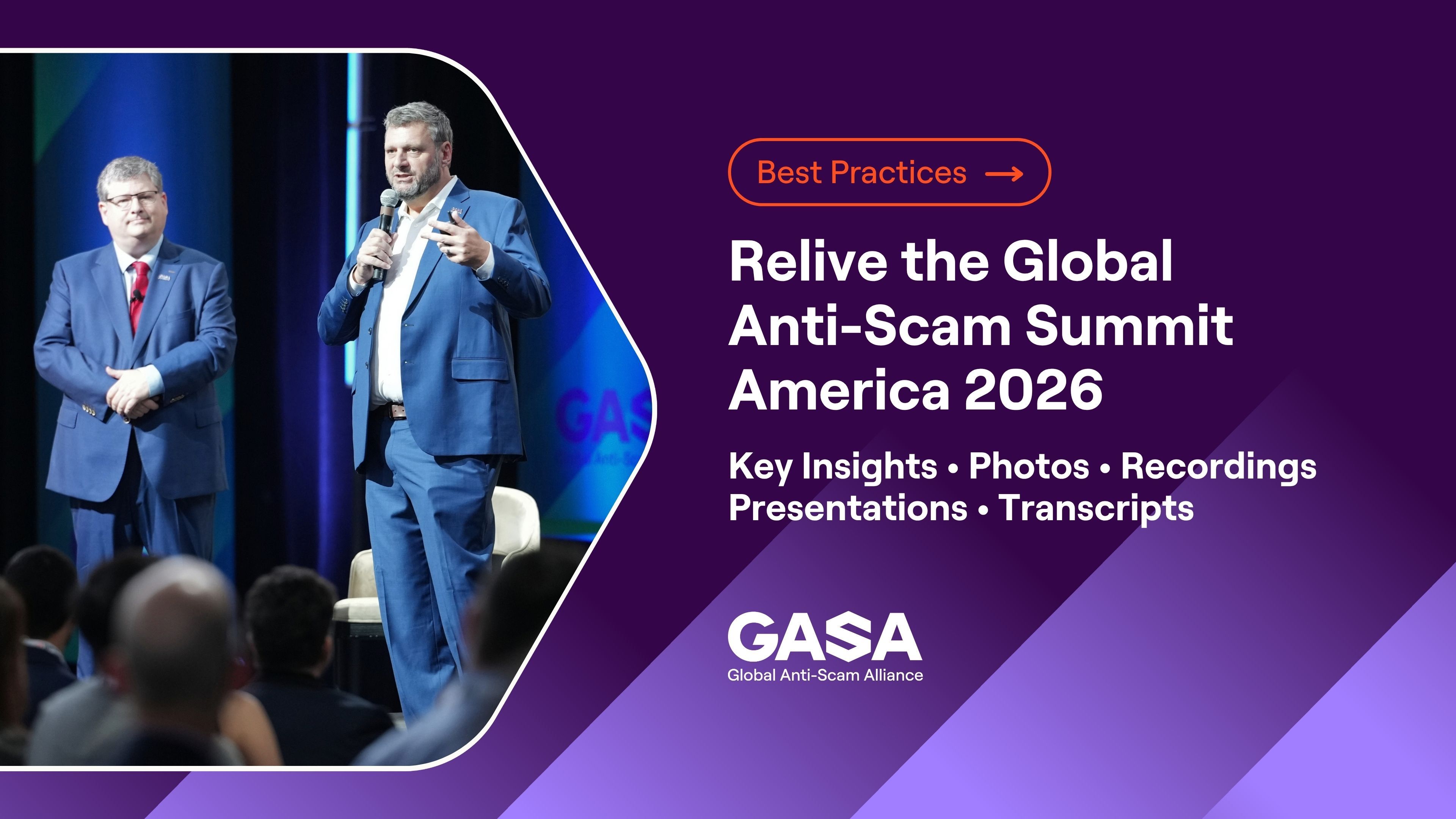
Global Anti-Scam Summit America 2026: Highlights, Insights and Resources
Explore GASS America 2026 highlights and insights, with the Summit summary, photos, presentation slides, transcripts and session recordings from San Francisco.
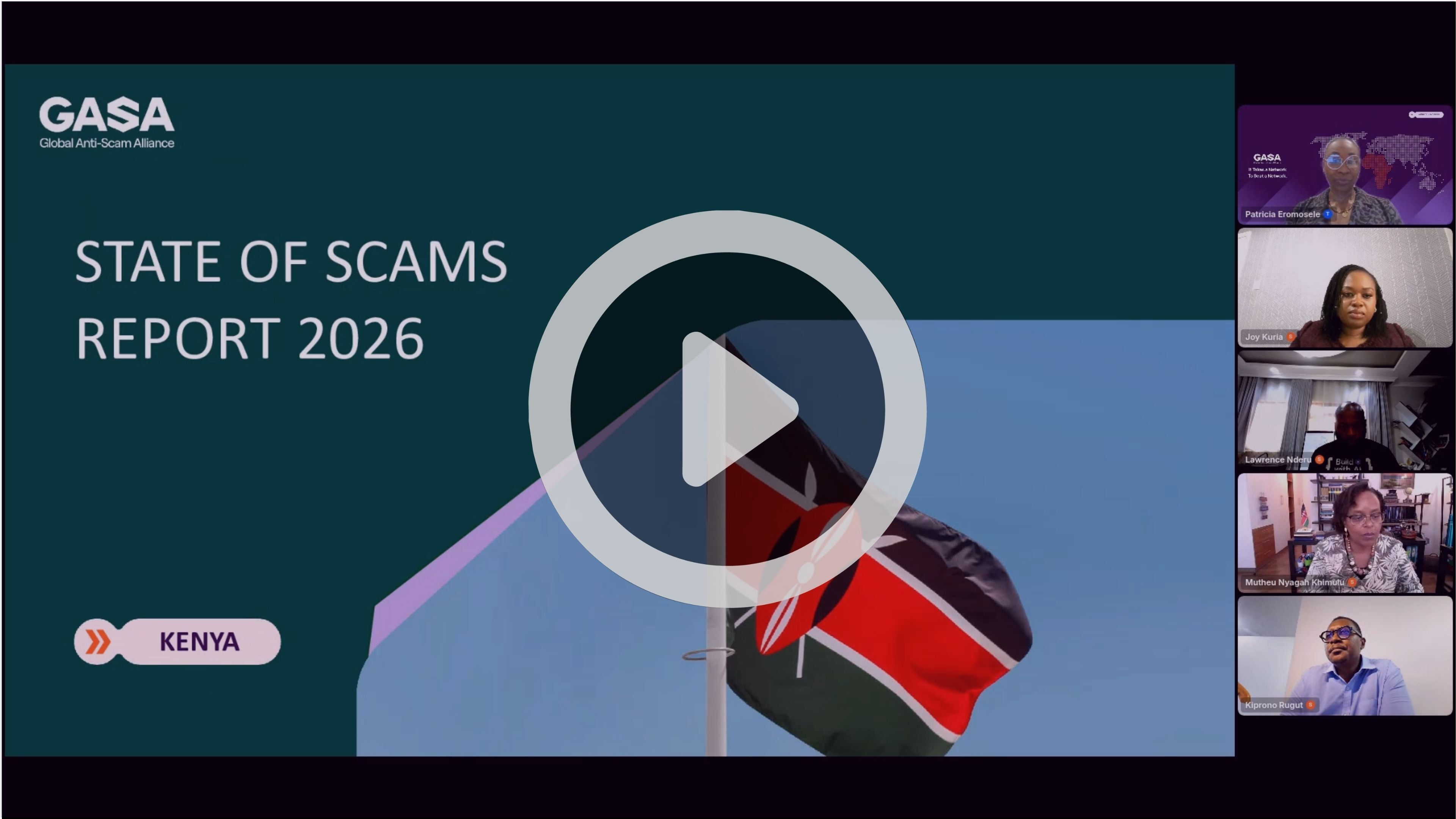
State of Scams in Kenya 2026: A Comparative Review Across Africa
Kenyan experts examine scam trends, data sharing, digital trust and the need for stronger cross-sector prevention.
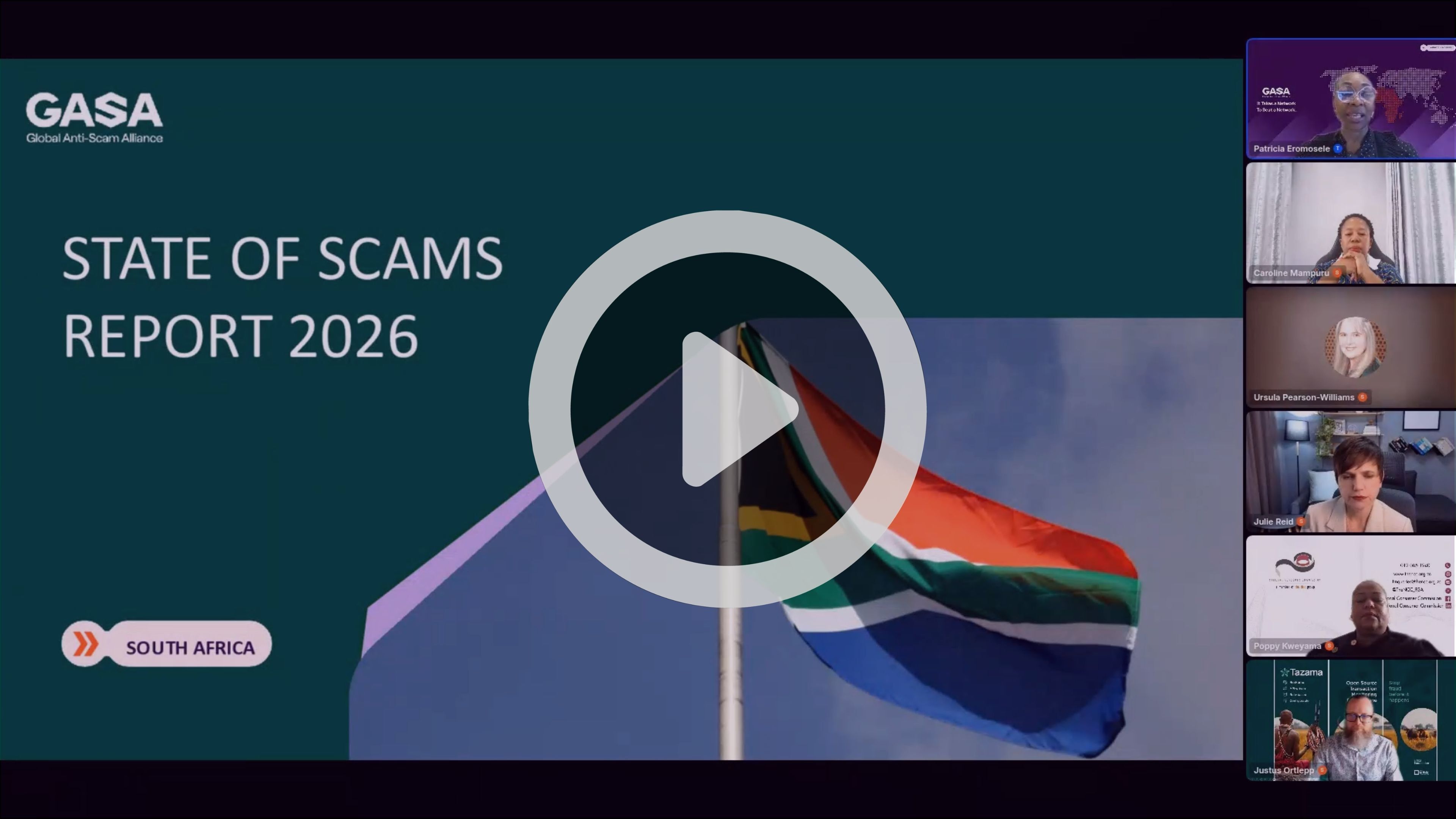
State of Scams in South Africa 2026: A Comparative Review Across Africa
South African experts examine scam trends, AI, consumer protection and the need for stronger cross-sector collaboration.
-3.jpg)
More than one in five adults in Japan encountered scams in the past year
New State of Scams Japan 2026 report examines how scams are reaching consumers and where stronger prevention and collaboration can make a difference