
Date of Event: 26–27 March 2025
Event: Global Anti-Scam Summit London 2025
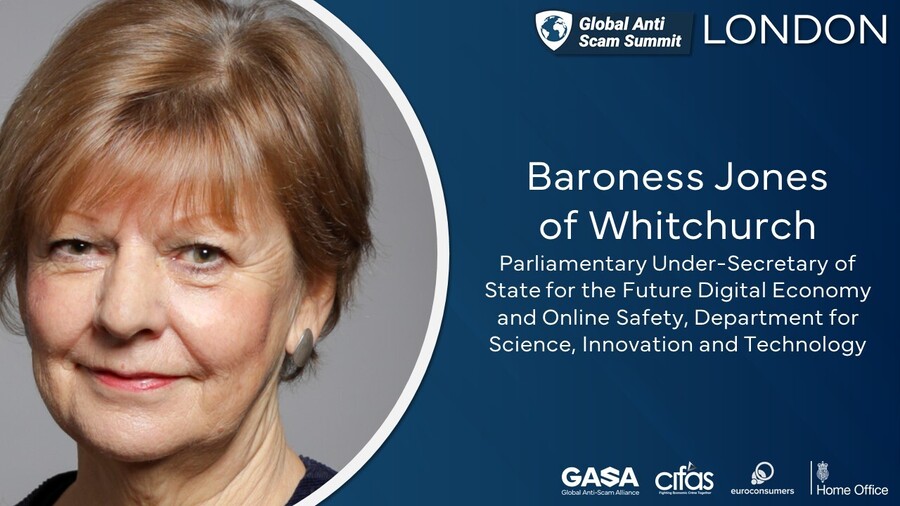
In her closing address for Day 1 of the Global Anti-Scam Summit London 2025, Baroness Jones of Whitchurch, Parliamentary Under-Secretary of State for the Future Digital Economy and Online Safety at the UK Department for Science, Innovation and Technology, delivered a powerful message on the government’s fraud prevention agenda.
The minister began by sharing the story of a 17-year-old scam victim who was first targeted on Roblox at age 11—emphasising that online scams are a threat to people of all ages and must be addressed with urgency.
Reaffirming fraud as a top priority for the UK government, she spoke about the expanded national fraud strategy, the Online Safety Act, and the new obligations placed on platforms to tackle illegal content. From this summer, sites accessed by children will face additional duties, and by next year, major platforms will be expected to address fraudulent adverts more proactively. She also noted that Ofcom's new duties to enforce platform accountability had recently come into force.
Baroness Jones also highlighted the dual nature of emerging technologies—as both a threat and a solution—and called for continued innovation, citing the deepfake detection challenge and the UK’s close work with telecoms on proactive scam blocking as examples of successful public-private collaboration.
She underscored the need for cross-border data sharing, highlighting the importance of initiatives like the Global Signal Exchange to connect intelligence sources and expose scam supply chains.
She closed with a call to action: “It cannot be the norm for our citizens to be preyed on by scammers as they go about their lives. We cannot—we will not—let them get away with it.”
Watch the full message below to hear the UK government’s commitment to protecting consumers and fostering international collaboration.

BanCoppel joins the Global Anti-Scam Alliance to bolster fraud prevention and safeguard individuals entering the banking system.
BanCoppel has joined the Global Anti-Scam Alliance (GASA) as a Corporate Member of the GASA Mexico Chapter.
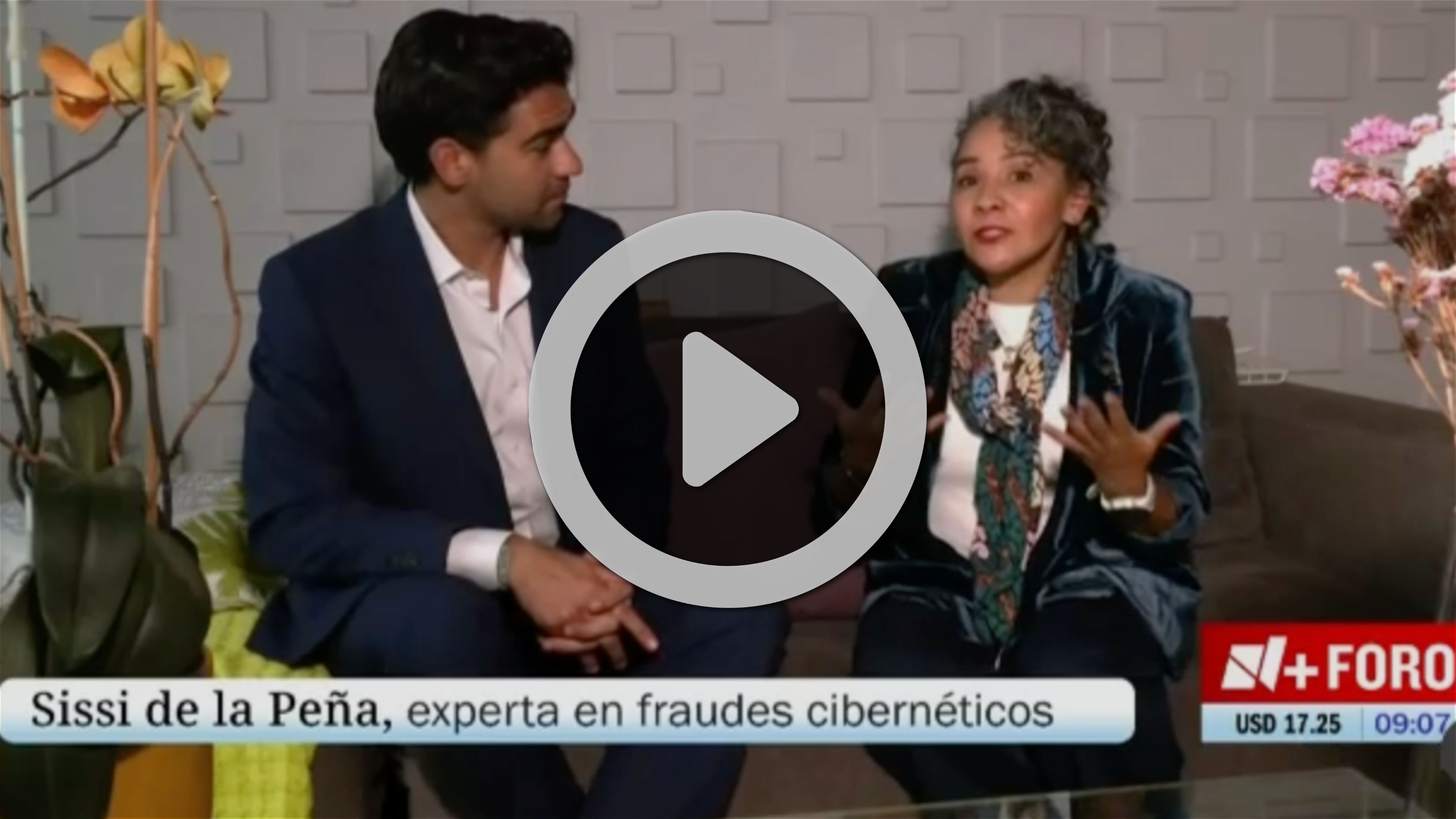
The emotions scammers exploit: how social engineering influences our decisions
How scammers use fear, urgency, excitement and trust to influence decisions, and how recognising these tactics can help people prevent fraud.

Global Anti-Scam Alliance Welcomes Mastercard as Founding Member of Its Mexico Chapter
The Global Anti-Scam Alliance (GASA) announces the membership of Mastercard as a Member of its Mexico Chapter.
What Uganda’s IVR Trial Shows About Practice-Based Scam Prevention
A Uganda IVR trial shows how practice-based fraud prevention helped mobile money users reduce losses and increase reporting.
FTC’s Never EVER Campaign Helps Prevent Elder Financial Abuse With Simple, Specific Scam Warnings
The FTC’s Never EVER campaign uses simple, specific imposter scam warnings to help prevent elder financial abuse and support coordinated consumer education.
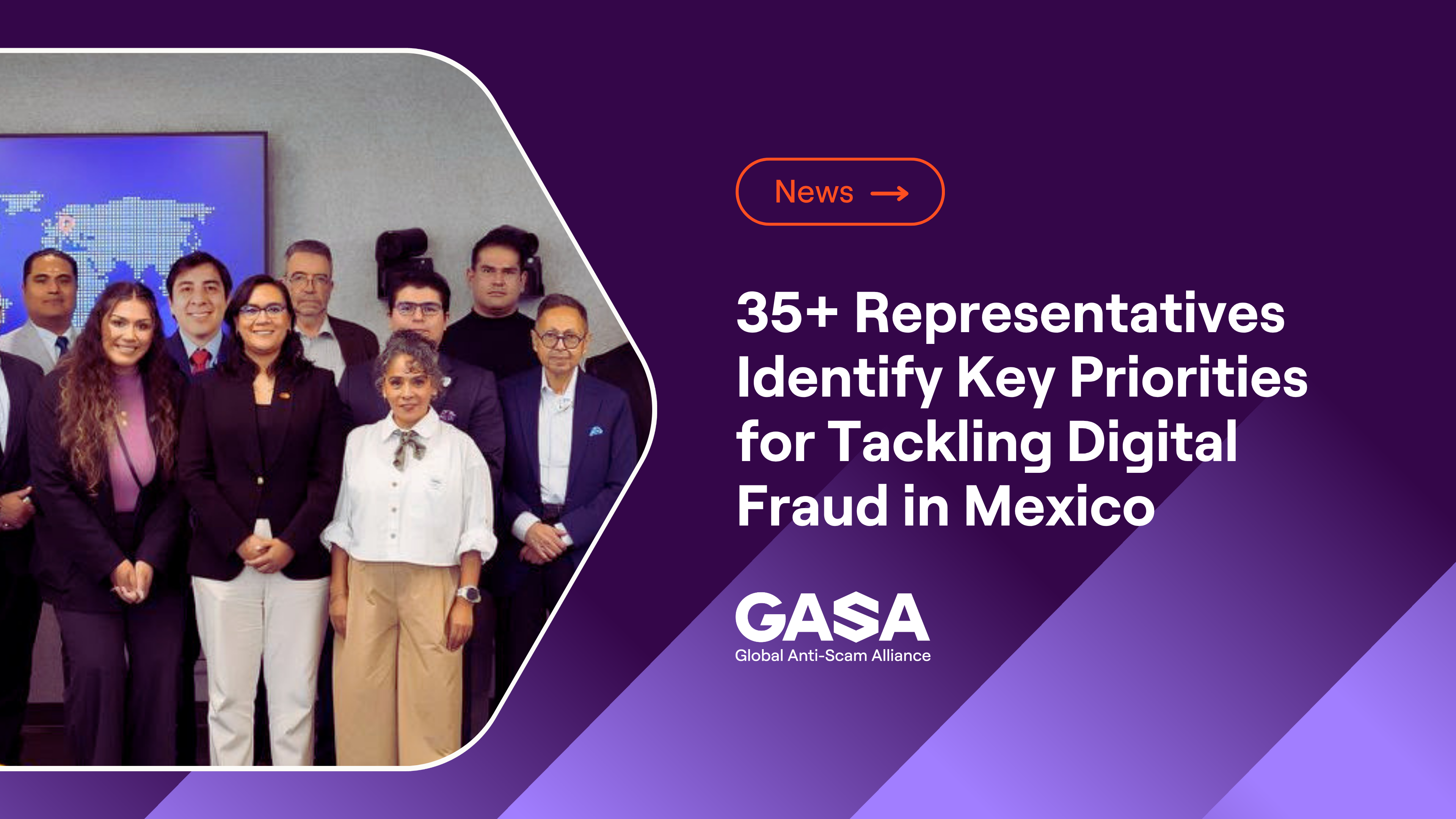
GASA Mexico's Second Roundtable Advances Coordinated Action Against Digital Fraud
GASA Mexico's second roundtable brought together more than 35 representatives to strengthen coordination across cybersecurity, fraud prevention and other sectors.
Cognyte Joins Global Anti-Scam Alliance to Fight Financial Fraud Threats
Cognyte, a global leader in investigative analytics software, today announced its membership in the Global Anti-Scam Alliance (GASA).
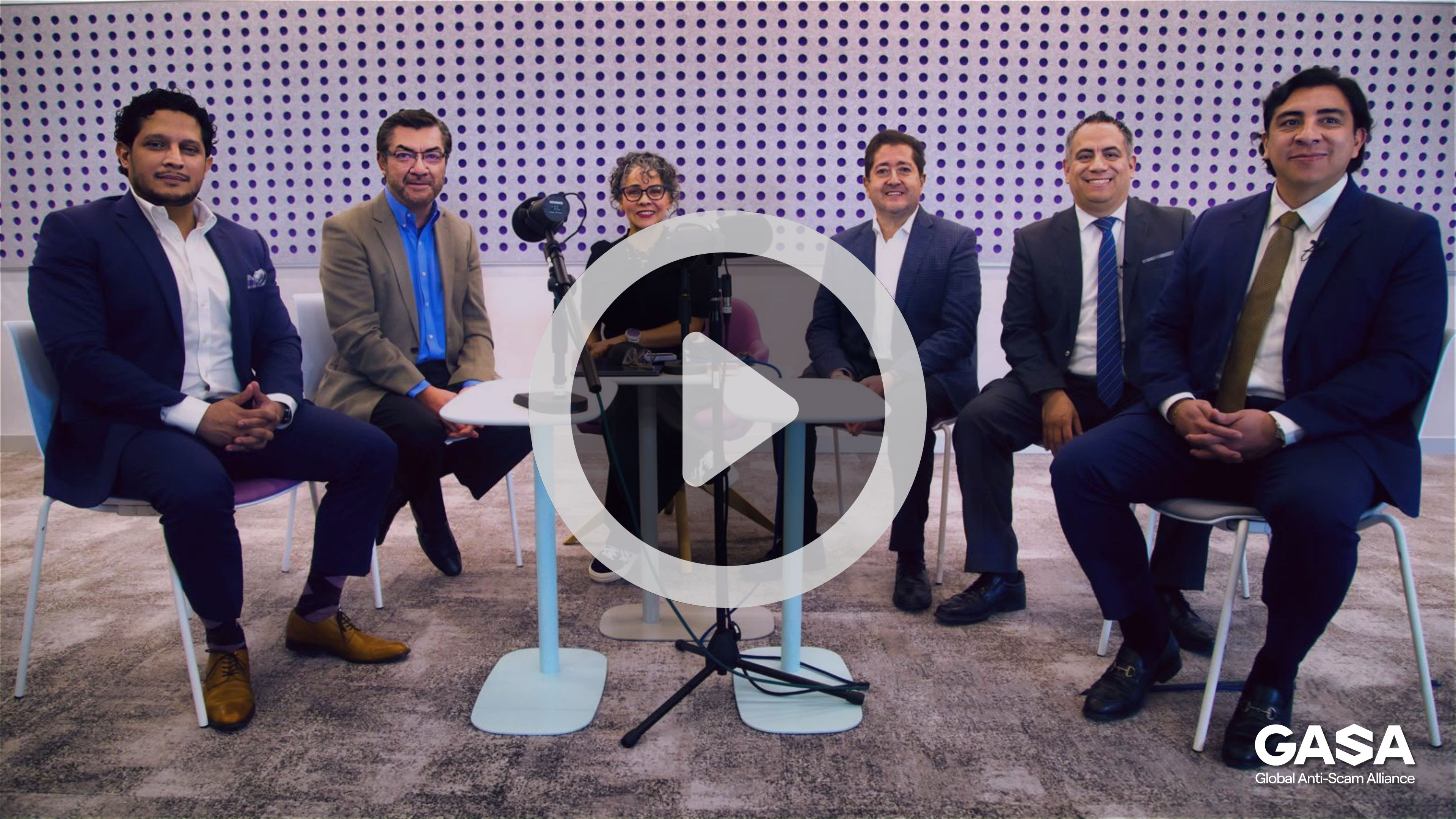
A network is beaten by a network: Mexico's banks move from remediation to prevention
GASA convened the ABM Fraud Committee and Mexican banks to advance the enriched agreement and strengthen coordinated fraud prevention across the sector.