

Mention the word "scam call center" and the first place you would think of is somewhere in Asia. However, scammers are turning their focus to Africa if recent events in Zambia are anything to go by. Before law enforcement authorities swooped in on the Chinese-run company in Lusaka, Zambia, the call center was used to defraud people as far away as Peru and Singapore.
In what has been a huge win in the fight against online scams, a Zambian court has sentenced 22 Chinese nationals for their involvement in this complex network of cybercrimes. These individuals were found guilty of committing internet fraud and online scams, which targeted victims not only in Zambia but also across continents in Singapore, Peru, and the United Arab Emirates. This case highlights a disturbing trend of cybercriminals expanding their operations beyond traditional hotspots, taking advantage of global connectivity to conduct their schemes.
Long Jail Terms for the Mastermind
The Magistrates Court handed Li Xianlin, who is believed to be the mastermind a 11-year jail term, the highest among the accused. Others, including Gu Tianjiao, the only female convict, were handed 7 years behind bars. Ms. Tianjiao was heard crying out "Papa, papa" as the judge handed her a lengthy jail term. All the convicts had early pleaded guilty to three counts of computer-related misrepresentation, identity fraud, and illegal operation of a network or service.
Additionally, the court imposed fines between $1,500 and $3,000 on the offenders. Alongside the Chinese nationals, a Cameroonian man was also sentenced and fined for similar charges.
The 22 were part of 77 individuals, mostly young Zambians, who were arrested in April following a public outcry on increased online scams. Nason Banda, Director-General of the Drug Enforcement Commission (DEC), disclosed that investigations stemmed from a noticeable increase in cyber-related fraud cases and reports of unexplained financial losses.
In April, authorities raided a Chinese-run business in Lusaka, resulting in the arrest of 77 individuals , including those recently sentenced. Seized items included over 13,000 mobile phone SIM cards, firearms, and ammunition. Banda revealed that the business, Golden Top Support Services, employed young Zambians to engage in deceptive conversations using scripted dialogues across platforms like WhatsApp and Telegram.
While handing the judgment, Principal Resident Magistrate Sylvia Munyinya noted that there is a rise in computer-related offenses which has seen innocent people lose money to scammers through computer systems. “Considering the nature of the offenses committed, imprisonment is justified,” the magistrate said.
How the Scammers Operated
Investigations into the scam revealed a highly organized and technologically adept operation. The scammers utilized a modified version of WhatsApp Web, which enabled them to create and manage multiple WhatsApp accounts on a single device making it easy to pretend to be different people and companies. The phone numbers linked to these accounts were not in the scammers' names or their company’s name, Golden Top Limited. Instead, they used phone numbers registered under the names of unsuspecting individuals who were unaware that their identities had been stolen.
The scammers employed a pre-written script file known as "Script.txt" to communicate with their victims. This script contained detailed instructions and information to be shared during interactions, enabling the scammers to maintain a consistent and convincing narrative. Posing as employees of well-known multinational companies such as Google and Gemini, they would initiate chats with their targets, assigning them various tasks like marketing places on Google locations.
Upon completing these tasks, the victims were redirected to Telegram, where they were promised payment. Here, the scammers used fabricated proof of payment documents created with graphic editing software like Photoshop. These documents were meticulously crafted to appear genuine, convincing the victims that the payments were legitimate.
Convinced that this was legit, the victims would invest further believing they would receive significant returns on their investments.
What the Sentencing Means in the War Against Online Fraud
The successful prosecution and sentencing of these cybercriminals highlight several important points:
International Collaboration
The case underscores the importance of international cooperation in tackling cybercrime. The involvement of victims from multiple countries including China, Cameron, and Zambia shows how easily scammers can collaborate cross-border. This means that international collaboration is key between various international law enforcement agencies, which necessitates a coordinated effort if we are to win against scammers.
Judicial Response
The Zambian judiciary's firm stance, as demonstrated by the substantial prison sentences and fines, sends a strong message about the seriousness of cybercrime. It reflects a commitment to protecting citizens and maintaining the integrity of digital spaces.
Technological Vigilance
The nature of the crimes points to the need for heightened vigilance in monitoring and regulating internet use. It also highlights the evolving tactics of cybercriminals who exploit technological advancements to defraud unsuspecting people.
Bottom Line: A Win in the War Against Cybercrime
The jailing of 22 Chinese nationals in Zambia for cybercrime represents a significant victory in the global fight against online fraud. However, it also serves as a reminder of the ongoing challenges posed by cybercriminals. Their elaborate scheme, spanning continents and targeting victims worldwide, highlights the changing nature of cybercriminal activity in today's interconnected world. The substantial prison terms handed down by the Zambian judiciary underscore a firm response to cybercrime, sending a clear message about the severity of such offenses and the consequences scammers will face.
Moreover, this case emphasizes the critical need for international collaboration in combating cybercrime. With victims hailing from diverse countries, including China, Cameroon, and Zambia, coordinated efforts among international law enforcement agencies are essential to effectively tackle cross-border cybercriminal networks.
As the theme of Global Anti-Scam Summit Europe 2024 goes, it takes a network to defeat a network. We can build a safer and more secure digital world by implementing stronger cybersecurity measures.

BanCoppel joins the Global Anti-Scam Alliance to bolster fraud prevention and safeguard individuals entering the banking system.
BanCoppel has joined the Global Anti-Scam Alliance (GASA) as a Corporate Member of the GASA Mexico Chapter.

The emotions scammers exploit: how social engineering influences our decisions
How scammers use fear, urgency, excitement and trust to influence decisions, and how recognising these tactics can help people prevent fraud.

Global Anti-Scam Alliance Welcomes Mastercard as Founding Member of Its Mexico Chapter
The Global Anti-Scam Alliance (GASA) announces the membership of Mastercard as a Member of its Mexico Chapter.

What Uganda’s IVR Trial Shows About Practice-Based Scam Prevention
A Uganda IVR trial shows how practice-based fraud prevention helped mobile money users reduce losses and increase reporting.
FTC’s Never EVER Campaign Helps Prevent Elder Financial Abuse With Simple, Specific Scam Warnings
The FTC’s Never EVER campaign uses simple, specific imposter scam warnings to help prevent elder financial abuse and support coordinated consumer education.
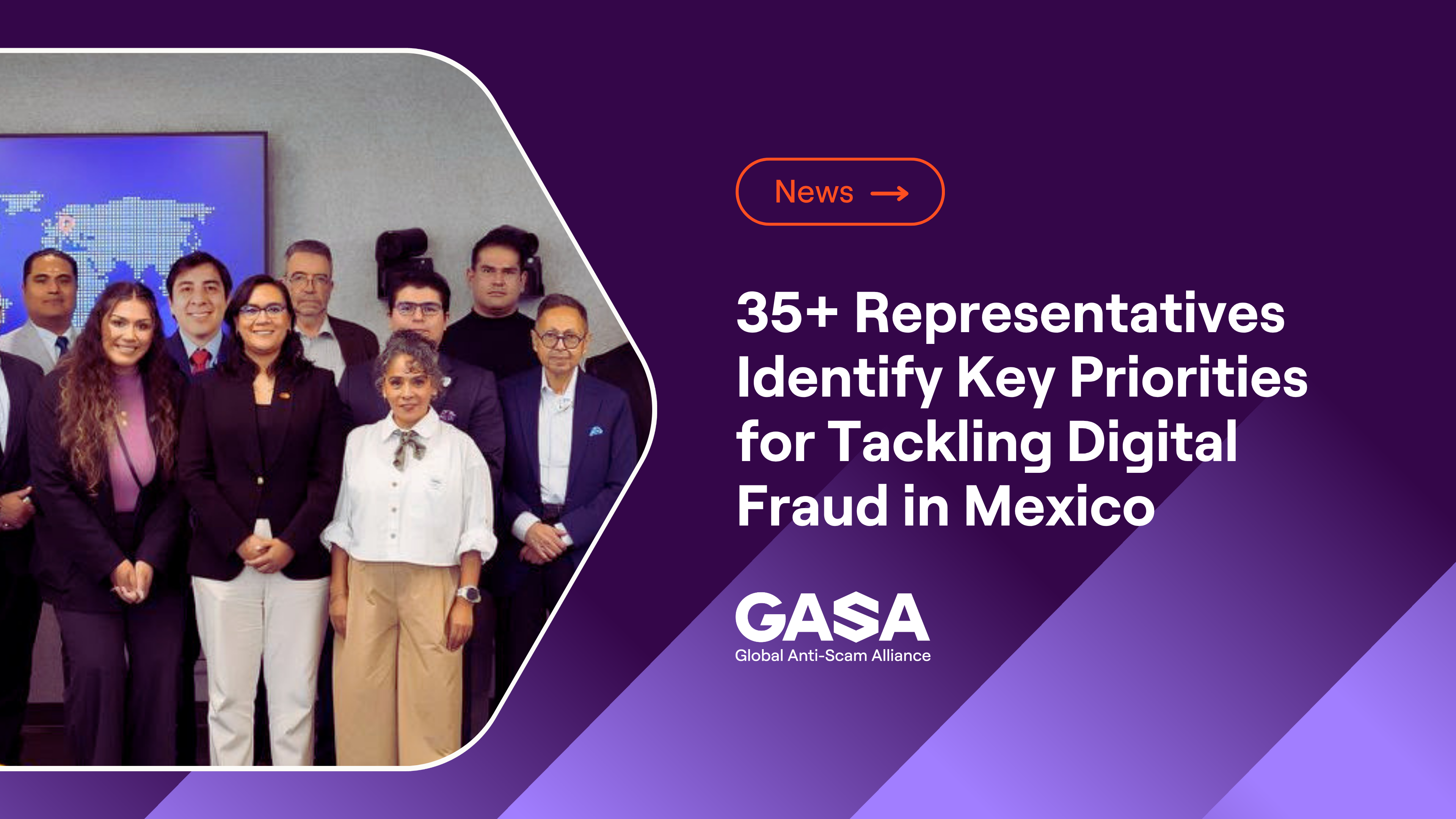
GASA Mexico's Second Roundtable Advances Coordinated Action Against Digital Fraud
GASA Mexico's second roundtable brought together more than 35 representatives to strengthen coordination across cybersecurity, fraud prevention and other sectors.

Cognyte Joins Global Anti-Scam Alliance to Fight Financial Fraud Threats
Cognyte, a global leader in investigative analytics software, today announced its membership in the Global Anti-Scam Alliance (GASA).
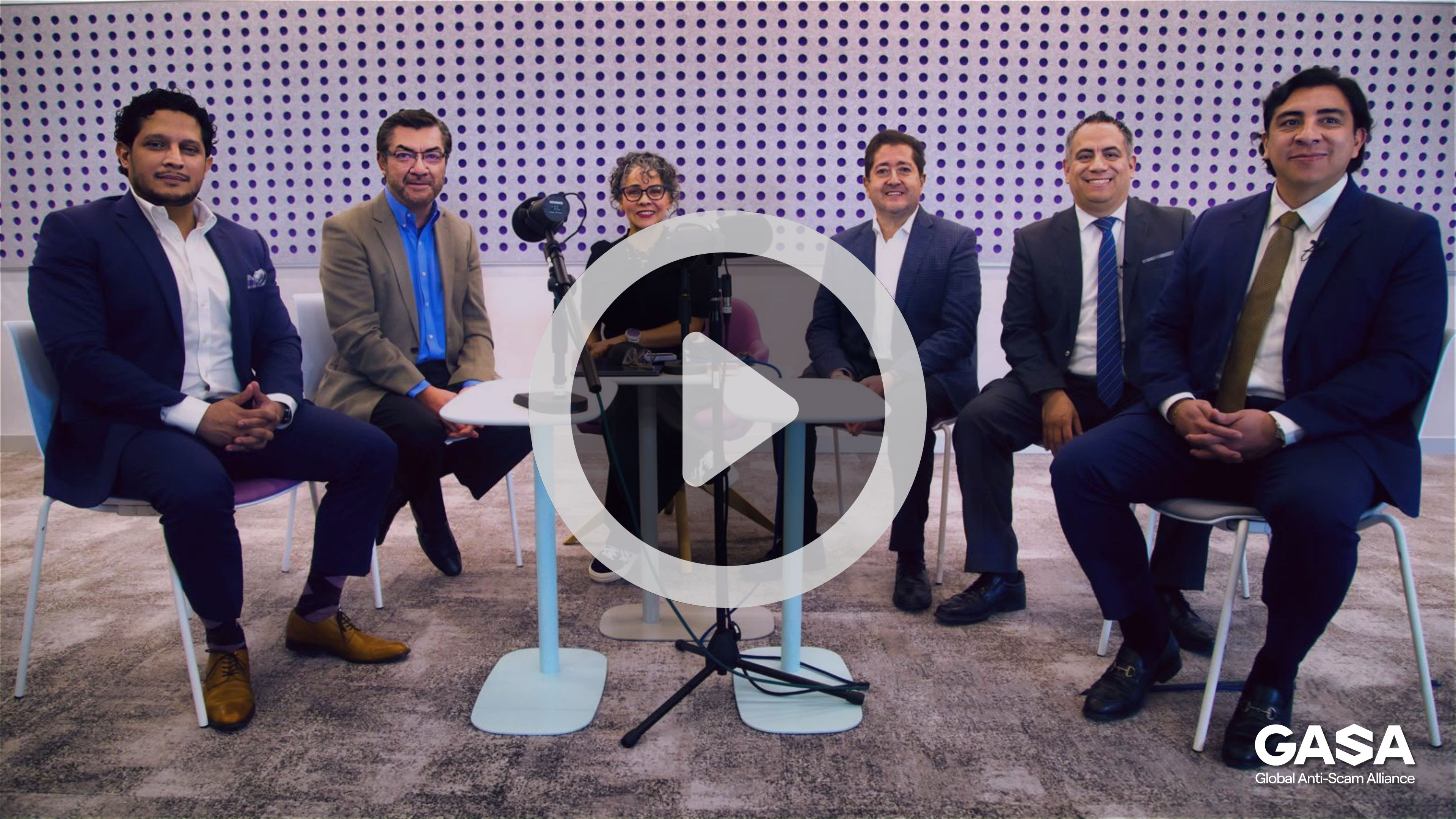
A network is beaten by a network: Mexico's banks move from remediation to prevention
GASA convened the ABM Fraud Committee and Mexican banks to advance the enriched agreement and strengthen coordinated fraud prevention across the sector.