
Partnership bolsters cross-industry collaboration in combatting scams and protecting consumers

Washington, D.C. – Global Anti-Scam Alliance (GASA) proudly announces Capital One has joined the Advisory Board of the North America Chapter and our Global Advisory Board. Capital One joins peers from the financial services sector, social media platforms, tech companies and leading think tanks to collaboratively take action against online scams.
“We are honored to partner with GASA to protect consumers across the world from scams. GASA plays an integral role in bringing together key stakeholders from across industries to develop best practices, share knowledge and work together to detect and disrupt scam activity. Capital One is proud to join this illustrious group and looks forward to working towards this important mission,” said Hunter Roberts, Head of Fraud Ecosystem Partnerships at Capital One.
Capital One’s dual role on both of GASA’s global and regional advisory boards strengthens GASA’s ability to unite national insights with global strategy – fueling more effective collaboration in our mission to dismantle scam networks worldwide. This addition to our community brings invaluable knowledge and unwavering commitment to protecting consumers. Capital One is dedicated to fighting scams through cutting-edge technology, education, and cross-industry partnerships.
Jorij Abraham, Managing Director of GASA, added: “We’re proud to welcome Hunter Roberts and Capital One to the GASA community, celebrating their deep expertise and unwavering commitment to collaboration. Their contributions will be invaluable as we join forces to strengthen fraud prevention and protect consumers worldwide.”
GASA Chapter North America stands at the forefront of fostering collaboration and innovation to combat scams worldwide.
About GASA
The Global Anti-Scam Alliance (GASA) is a non-profit organization dedicated to protecting consumers worldwide from online scams. GASA unites governments, law enforcement, telecommunication providers, tech leaders, consumer protection agencies, and cybersecurity experts to share knowledge, foster cross-sector and cross-border collaboration, and promote effective solutions in the fight against online fraud. Through research, advocacy, education, and global events, GASA works to build a safer digital world for everyone. Learn more about GASA at https://www.gasa.org/ .
Media Contact - GASA
Annick de Haas
Marketing Manager
About Capital One
Capital One Financial Corporation ( www.capitalone.com ) is a financial holding company which, along with its subsidiaries, had $468.1 billion in deposits and $659.0 billion in total assets as of June 30, 2025. Headquartered in McLean, Virginia, Capital One offers a broad spectrum of financial products and services to consumers, small businesses and commercial clients through a variety of channels. Capital One, N.A. has branches and Cafés located primarily in New York, Louisiana, Texas, Maryland, Virginia and the District of Columbia. A Fortune 500 company, Capital One trades on the New York Stock Exchange under the symbol “COF” and is included in the S&P 100 index. Additional information about Capital One can be found at Capital One About at www.capitalone.com/about .
Media Contact - Capital One
Samantha Heyrich
Policy Communications Manager
BanCoppel joins the Global Anti-Scam Alliance to bolster fraud prevention and safeguard individuals entering the banking system.
BanCoppel has joined the Global Anti-Scam Alliance (GASA) as a Corporate Member of the GASA Mexico Chapter.
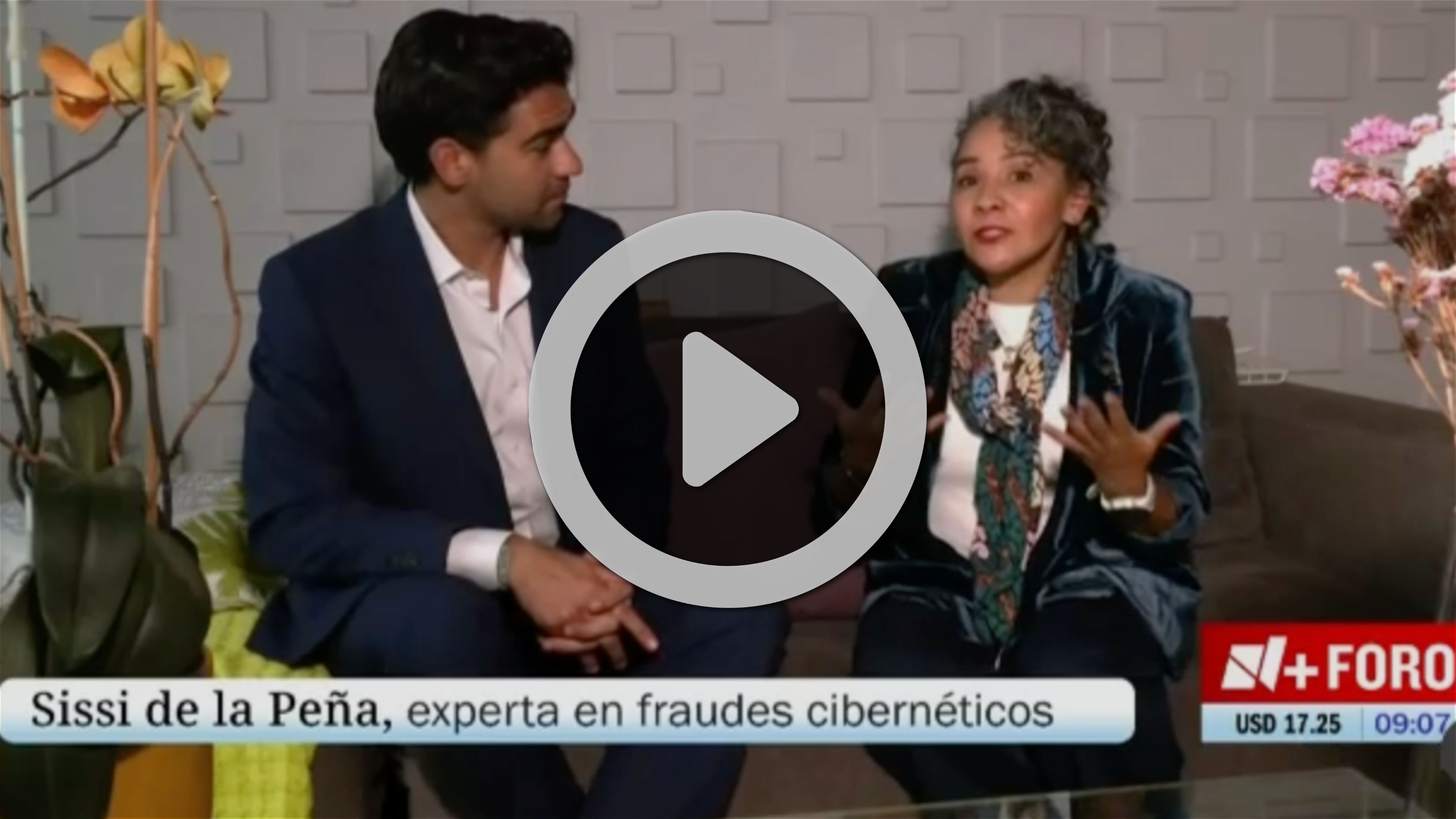
The emotions scammers exploit: how social engineering influences our decisions
How scammers use fear, urgency, excitement and trust to influence decisions, and how recognising these tactics can help people prevent fraud.

Global Anti-Scam Alliance Welcomes Mastercard as Founding Member of Its Mexico Chapter
The Global Anti-Scam Alliance (GASA) announces the membership of Mastercard as a Member of its Mexico Chapter.
What Uganda’s IVR Trial Shows About Practice-Based Scam Prevention
A Uganda IVR trial shows how practice-based fraud prevention helped mobile money users reduce losses and increase reporting.
FTC’s Never EVER Campaign Helps Prevent Elder Financial Abuse With Simple, Specific Scam Warnings
The FTC’s Never EVER campaign uses simple, specific imposter scam warnings to help prevent elder financial abuse and support coordinated consumer education.
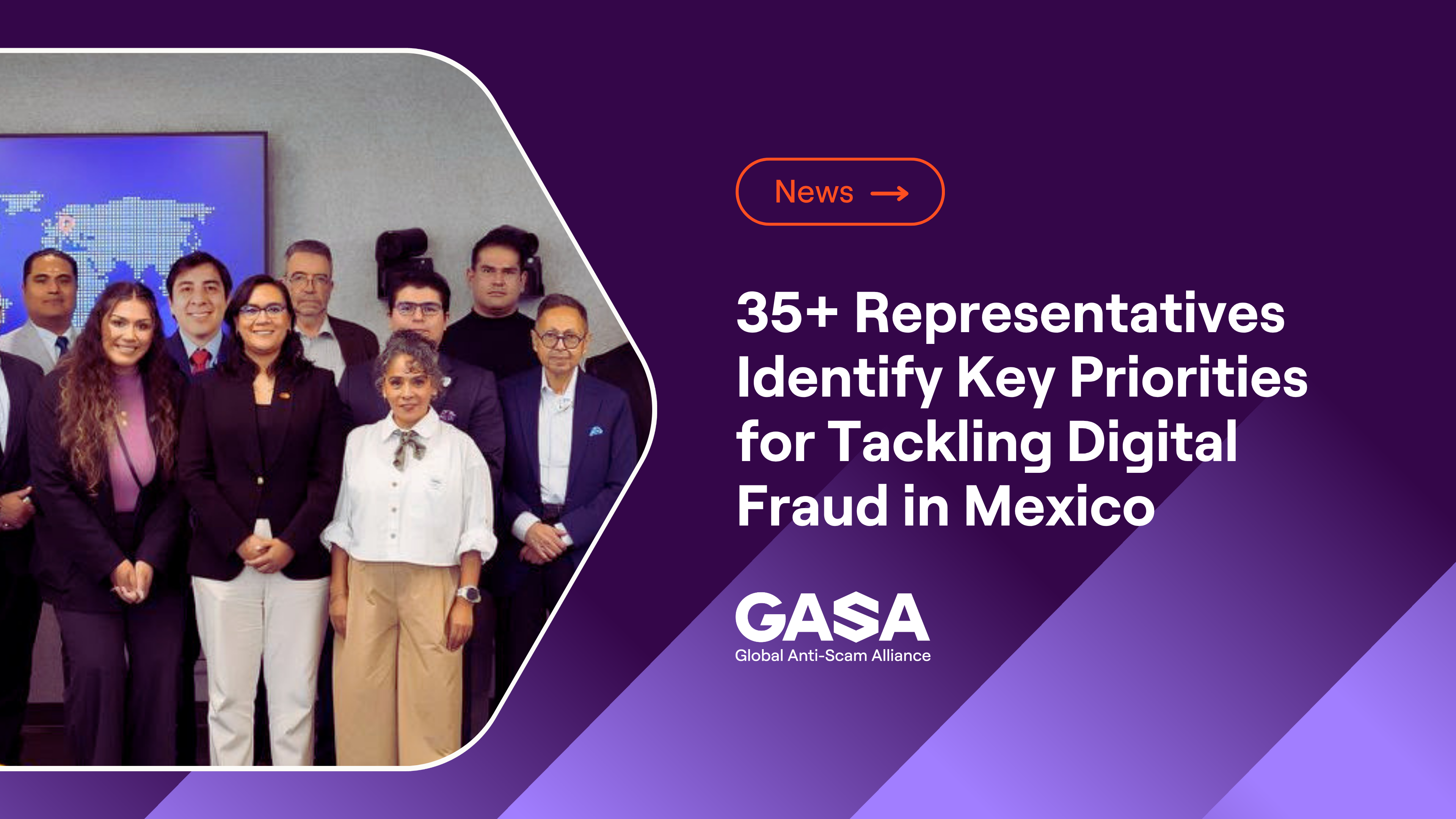
GASA Mexico's Second Roundtable Advances Coordinated Action Against Digital Fraud
GASA Mexico's second roundtable brought together more than 35 representatives to strengthen coordination across cybersecurity, fraud prevention and other sectors.
Cognyte Joins Global Anti-Scam Alliance to Fight Financial Fraud Threats
Cognyte, a global leader in investigative analytics software, today announced its membership in the Global Anti-Scam Alliance (GASA).
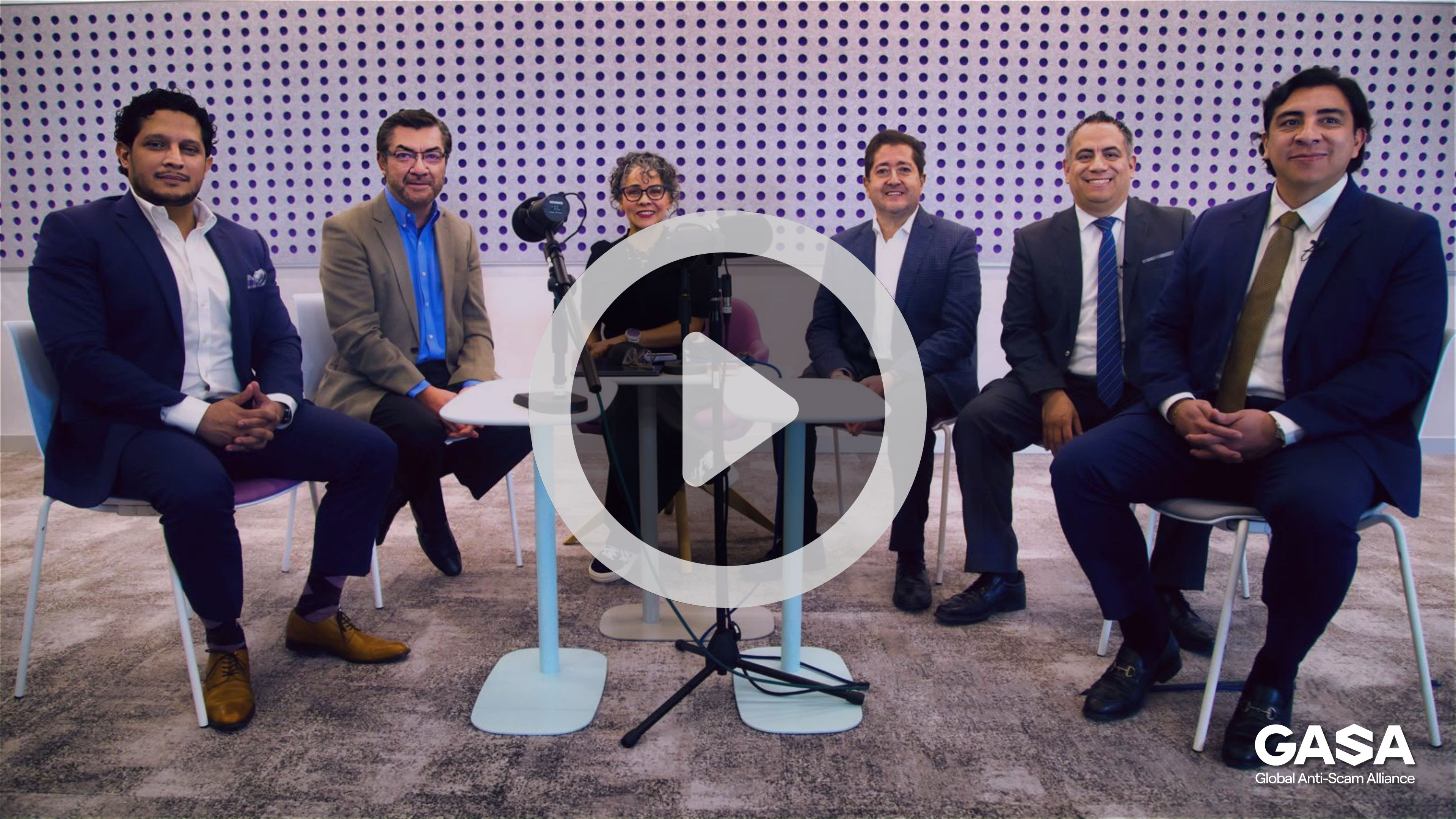
A network is beaten by a network: Mexico's banks move from remediation to prevention
GASA convened the ABM Fraud Committee and Mexican banks to advance the enriched agreement and strengthen coordinated fraud prevention across the sector.