
Date of Event: 26-27 March 2025
Event: Global Anti-Scam Summit London 2025
At the Global Anti-Scam Summit London 2025 , the Bank Collaboration workshop brought together industry leaders to examine how financial institutions can work collectively to combat fraud and scams more effectively.
The session opened with a panel chaired by Christine Farrow, Principal - Payment Scheme Fraud Prevention Lead at UK Finance. Richard Luff, Vice President of Business Development at Mastercard, Daniel Holmes, Director of Banking Fraud, Identity and Market Strategy at Feedzai, Dan Standish, Head of Fraud Technology, Design and Change at Santander UK, Adam Speakman, Head of Fraud Systems and Controls at Lloyds Banking Group, Kamlesh Harry, Director of Fraud Risk, Payments and Digital at Standard Chartered Bank, and Ravi Govindaraju, Managing Director, Head of Trust and Security at JPMorgan Chase & Co., explored fraud trends and how banks are changing their approach.
Speakers discussed the impact of new reimbursement rules in the UK, the focus on prevention, and the growing use of tools like payment pauses to help customers take time before completing transactions. They also talked about the shift towards identifying and stopping scams earlier in the payment process, with particular attention on the role of money mules.
The second panel, chaired by Brian Gorman, Technology Director and Fintech Lead at GSMA, turned to the growing collaboration between banks and telecom providers. Duncan Sturdy, Lead Data Partnerships Manager EMEA at Telesign, Glyn Povah, Founder and Director of Global Product Development at Smart Digits (Telefónica), Chris Sheehan, General Manager Group Investigations at NAB, Dianne Doodnath, Principal - Remote Payment Channels at UK Finance, and Nicholas Giurietto, Head of Future Policy at the Australian Banking Association, shared examples of joint initiatives to disrupt fraud attempts across industries.
They explained how telecom data is helping banks to better understand risks, detect scam activity faster, and respond in real time. Discussions covered the importance of shared responsibility and how data sharing between banks, telcos, and other sectors is becoming essential to reduce scam losses.
Speakers agreed that collaboration must continue to evolve. As scam tactics shift, industry cooperation, better use of data, and clear accountability will play a key role in stopping scams before they reach customers.
Watch the full session below to learn how banking and telecom sectors are working together to prevent scams.

BanCoppel joins the Global Anti-Scam Alliance to bolster fraud prevention and safeguard individuals entering the banking system.
BanCoppel has joined the Global Anti-Scam Alliance (GASA) as a Corporate Member of the GASA Mexico Chapter.
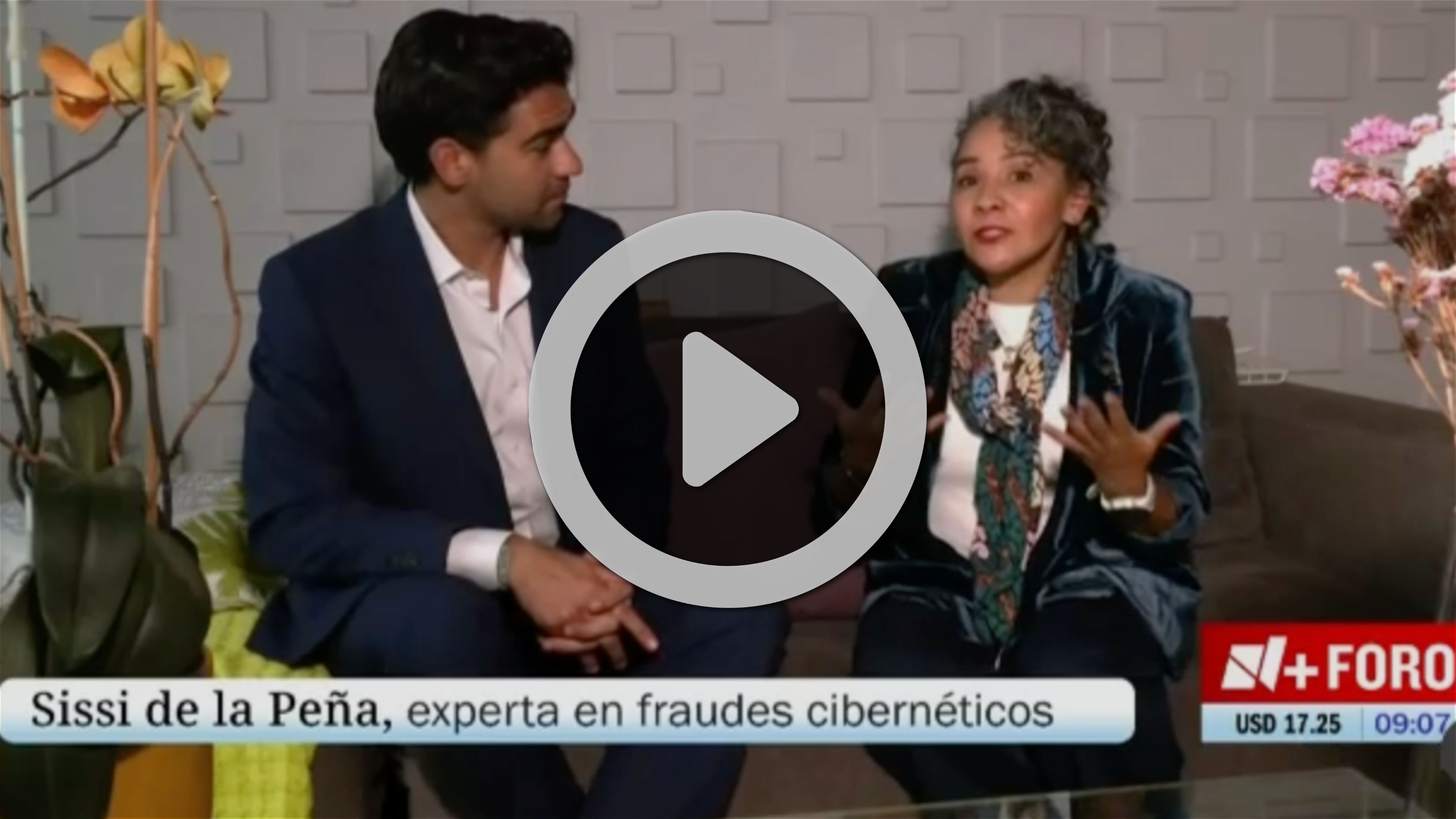
The emotions scammers exploit: how social engineering influences our decisions
How scammers use fear, urgency, excitement and trust to influence decisions, and how recognising these tactics can help people prevent fraud.

Global Anti-Scam Alliance Welcomes Mastercard as Founding Member of Its Mexico Chapter
The Global Anti-Scam Alliance (GASA) announces the membership of Mastercard as a Member of its Mexico Chapter.
What Uganda’s IVR Trial Shows About Practice-Based Scam Prevention
A Uganda IVR trial shows how practice-based fraud prevention helped mobile money users reduce losses and increase reporting.
FTC’s Never EVER Campaign Helps Prevent Elder Financial Abuse With Simple, Specific Scam Warnings
The FTC’s Never EVER campaign uses simple, specific imposter scam warnings to help prevent elder financial abuse and support coordinated consumer education.
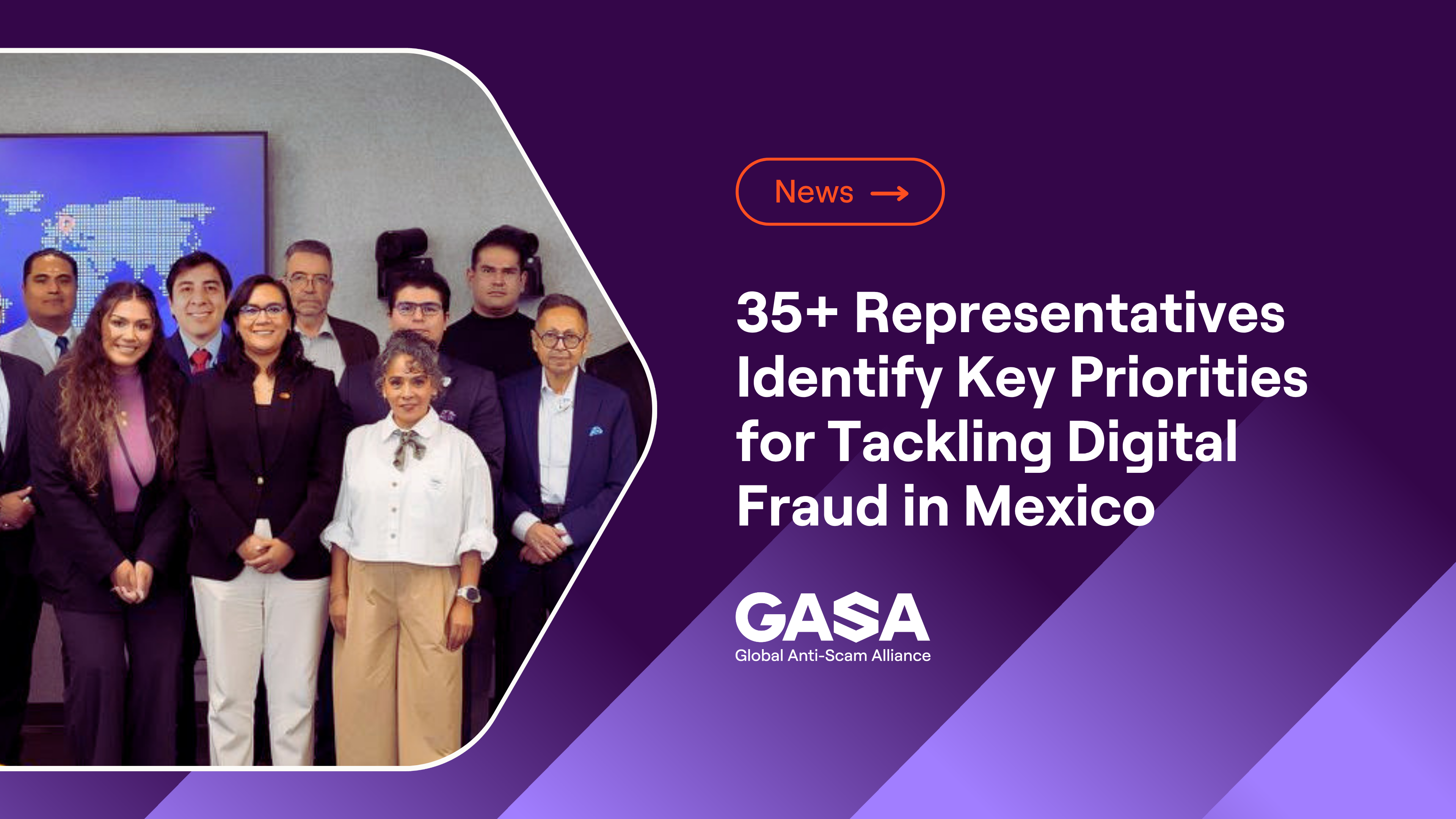
GASA Mexico's Second Roundtable Advances Coordinated Action Against Digital Fraud
GASA Mexico's second roundtable brought together more than 35 representatives to strengthen coordination across cybersecurity, fraud prevention and other sectors.
Cognyte Joins Global Anti-Scam Alliance to Fight Financial Fraud Threats
Cognyte, a global leader in investigative analytics software, today announced its membership in the Global Anti-Scam Alliance (GASA).
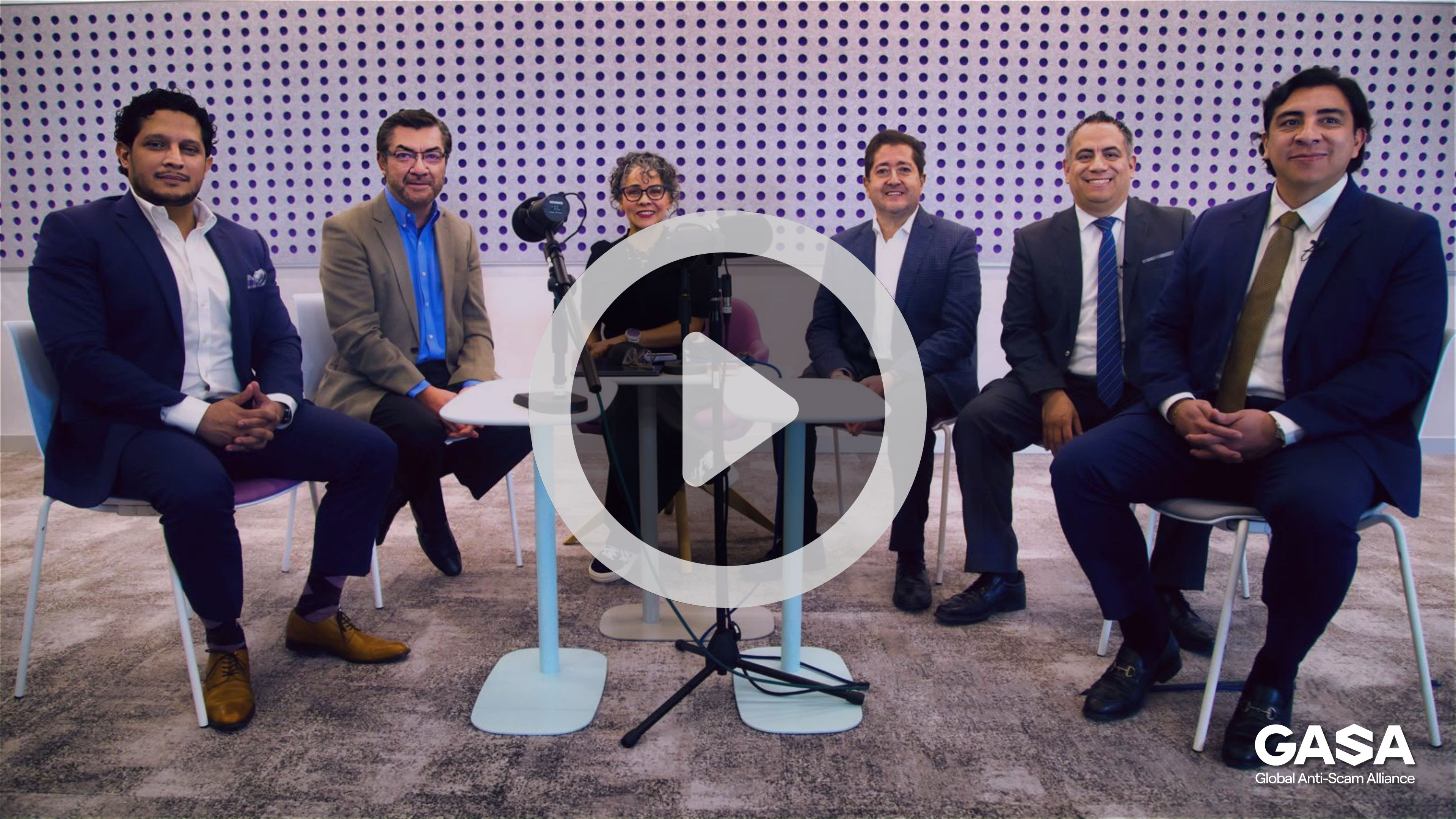
A network is beaten by a network: Mexico's banks move from remediation to prevention
GASA convened the ABM Fraud Committee and Mexican banks to advance the enriched agreement and strengthen coordinated fraud prevention across the sector.