
In 2021, the Ecommerce Foundation launched the Global Anti-Scam Alliance (GASA) to further the ongoing efforts to protect consumers worldwide from scams. GASA aims to do this by raising awareness, facilitating knowledge sharing, organizing research and offering training and education.
Sadly, it has come to our attention that recovery scammers are misusing the Global Anti-Scam Alliance’s name to gain the trust of victims who have fallen for crypto scams. We received the below email from one such person who was targeted by a scammer calling himself ‘Jim Richard’:
Does Jim Richard work with you? He says he does. Here is his email: Jim Richard globalantiscamallience@gmail.com . His cell phone number is 1-775-413-0026 . If he doesn't work for you, then he is trying to scam me right now and he is using your name and organization repeatedly. Kindly respond to me ASAP.
It is clear that the person was being targeted by a recovery scammer because the contact details provided in the email do not belong to GASA. The email ID given out by the scammer is a free Gmail ID in which ‘alliance’ has been misspelt as ‘allience’. GASA uses ‘@gasa.org’ email IDs for all email communications.
A USA phone number has been provided which is also fake as GASA is based in the Netherlands. When I looked the phone number up, I found that it is a virtual line registered with Bandwidth, meaning it can be operated from anywhere in the world. The person using the number is likely to be based in Africa or Asia, rather than Europe or North America.
Given below is the entire copy of the original email received by the potential victim:
Hi [name removed]
This is Jim from the Global Anti-Scam Alliance. The Global Anti-Scam Alliance is committed to exposing all kinds of scams and helping victims get their cheated funds back. Recently, our team successfully hit the server of the scam calling itself Uniswap, and successfully frozen the funds before they transferred them. At the same time, we got a list of victims. We saw your information in the list, so I‘m contacting you to confirm your information, so that we can follow up the return of funds. Please reply to us as soon as possible, and we will ask you some questions to know how you were cheated, the amount of loss, and your appeal.
Best wishes
We would like to make it abundantly clear that GASA is not involved in the recovery of monetary assets and Jim Richard is not a part of the organization . When the potential victim replied to Jim seeking clarification, they received the following response:
Yes, all the funds have been frozen, so now you need to provide the transfer voucher for verification. Please send the transfer record to:globalantiscamallience@gmail.com, and we will check it. After the check is correct, the funds will be released to the supervised wallet, and we will inform you. I'm not a lawyer, I'm a member of GASA security department , GASA and Tether have been committed to tracking scams. The lawyer's role in crypto scam is very small, because of the particularity of crypto fund transfer.
Our security department is good at tracking crypto scams and then freezing their wallets with Tether. Contact with many of our law firms, including the FBI, and it is difficult to recover funds through normal means. Tether is the institution that issues USDT. Crypto wallet includes Coinbase wallet, Metamask, and Imtoken, which are wallets used by scammers to receive victims funds.
We have helped dozens of victims get their money back , which is why we need you to provide transfer information. GASA hackers enter the Uniswap server , so we have all the victim information, so we are tracking it together with Tether, several wallet apps. Once it is confirmed, we can freeze their accounts and get back the victim funds.
Again, this information is completely false as GASA does not have a ‘security department’, we do not work with Tether and we do not employ ‘hackers’. The entire scenario is a fictitious story created to trap crypto scam victims in a money recovery scam.
In our ‘ Do Scam Victims Get Their Money Back? ’ 2022 report, it was noted that most money is lost to Investment Scams. Victims lost money majorly through Cryptocurrency payments which are anonymous and untraceable. Scammers are exploiting the desperation of victims by lying that they can recover lost crypto. We do not recommend any crypto recovery services as Cryptocurrency cannot be recovered except in the rarest of cases.
If you receive communications regarding crypto recovery from ‘Jim Richard’ or anyone else claiming to represent the Global Anti-Scam Alliance, do not engage with them as they are scammers.
Please contact us if you have been approached by a person claiming to work for the Global Anti Scam Alliance or Scamadviser.com. We will try to expose the person and bring him or her to justice.

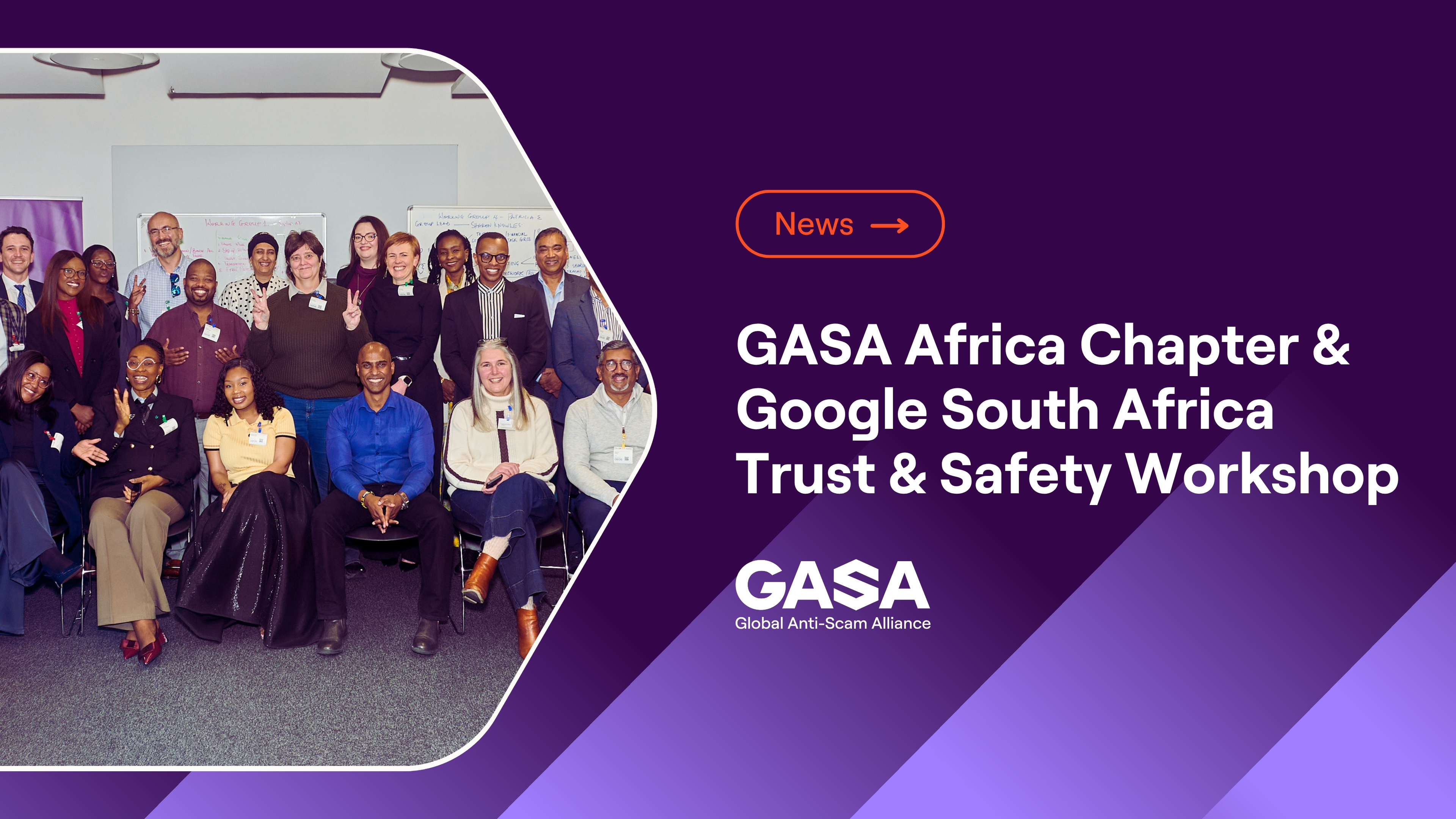
Accra Trust & Safety Workshop Turns Collaboration into Action Against Scams and Fraud in West Africa
GASA Africa Chapter and Google South Africa brought anti-fraud leaders together to strengthen cross-border cooperation and scam prevention.
State of Scams in Nigeria 2026: A Comparative Review Across Africa
Nigerian experts examine scam trends, technology, consumer protection and the need for stronger cross-sector collaboration.
Nearly three in four Danish adults encountered scams as estimated losses reach DKK 10.1 billion
New State of Scams Denmark 2026 report finds scam exposure is rising, while victims face repeated financial and emotional harm.
Building a More Trusted Digital Philippines: New Report Underscores the Need for Collective Action as Scam Exposure Continues to Rise
GASA’s State of Scams in the Philippines 2026 Report, in collaboration with Mastercard and Gogolook, highlights the growing scale of the scam challenge in the Philippines.
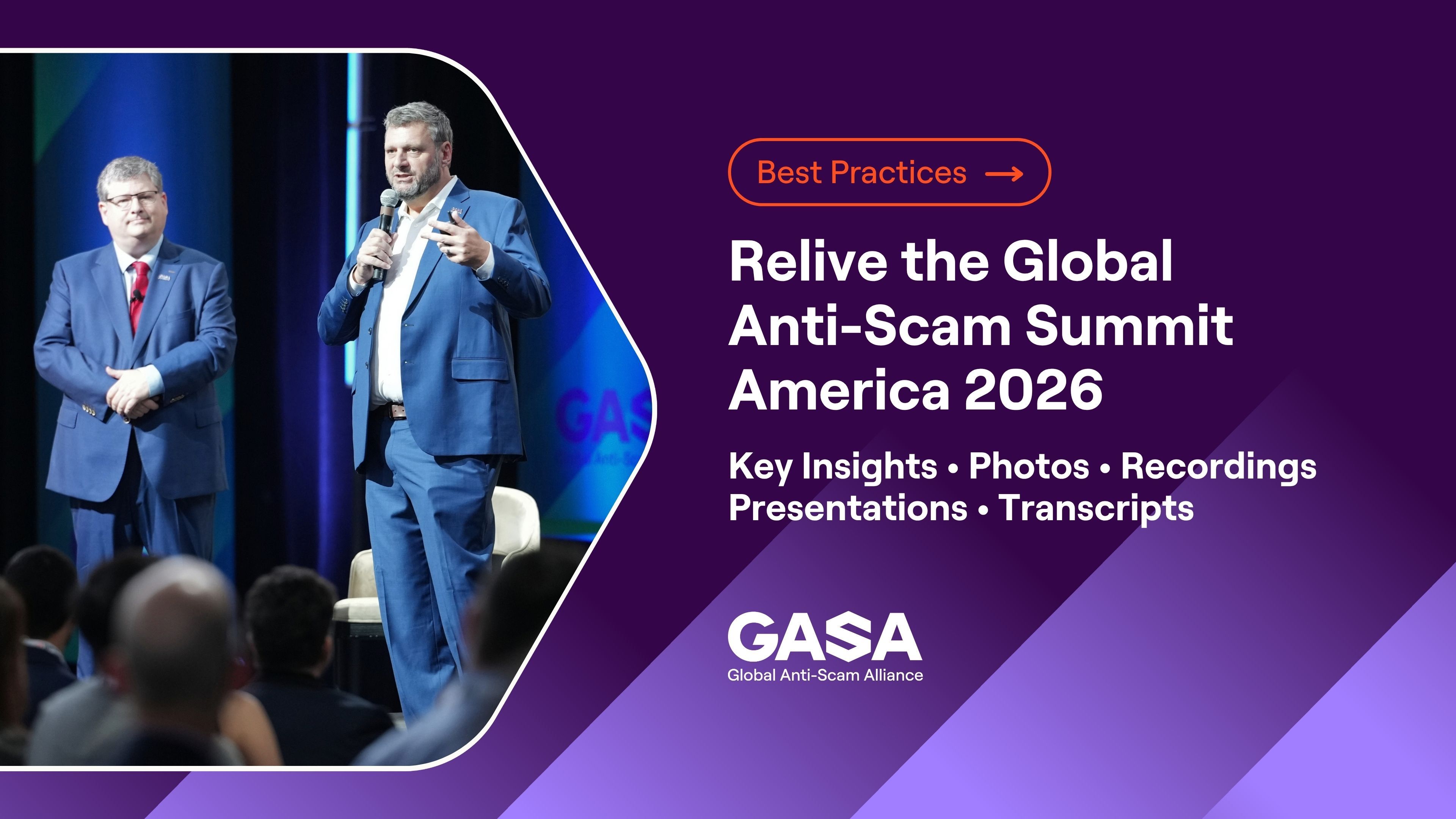
Global Anti-Scam Summit America 2026: Highlights, Insights and Resources
Explore GASS America 2026 highlights and insights, with the Summit summary, photos, presentation slides, transcripts and session recordings from San Francisco.
State of Scams in Kenya 2026: A Comparative Review Across Africa
Kenyan experts examine scam trends, data sharing, digital trust and the need for stronger cross-sector prevention.
State of Scams in South Africa 2026: A Comparative Review Across Africa
South African experts examine scam trends, AI, consumer protection and the need for stronger cross-sector collaboration.
-3.jpg)
More than one in five adults in Japan encountered scams in the past year
New State of Scams Japan 2026 report examines how scams are reaching consumers and where stronger prevention and collaboration can make a difference