
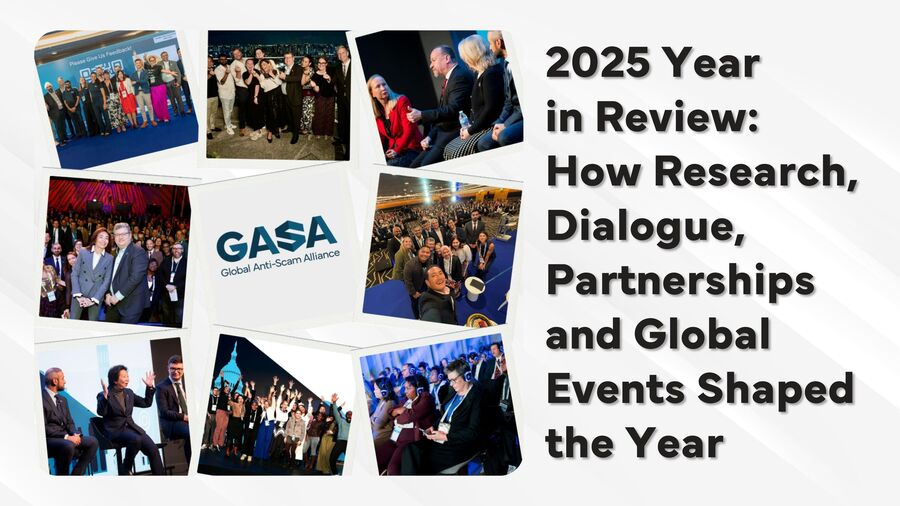
2025 was another defining year for the Global Anti-Scam Alliance. As scams continued to grow worldwide in scale, sophistication and impact, our focus remained clear: bringing the right people together, generating trusted insight and driving collective action against scams across borders and sectors.
In 2025, we continued to serve as a global convening platform, connecting governments, regulators, law enforcement, industry leaders, platforms, cybersecurity experts and consumer protection organizations. From research and regional collaboration to global summits and ongoing dialogue, 2025 reinforced the importance of coordinated responses to a threat that knows no borders.
Developing Anti-Scam Solutions
This year, we focused on committing to creating new solutions that directly advance our mission to protect people from scams. After gathering input and insights from partners across our network, we are developing scam.org , a consumer-focused initiative designed to help people navigate the aftermath of being scammed and, more importantly, to prevent scams before they happen. Whether someone suspects fraud or needs tools to detect potential scams, scam.org provides the guidance and resources to keep them safe.
In September, we shared the first demo site with GASA’s board members, followed by its unveiling in December at the Global Anti-Scam Summit America 2025 in Washington, DC. The demo received positive feedback from the broader anti-scam community, marking an important milestone in bringing this vision to life.
Advancing Global Insight Through the State of Scams Reports
In 2025, we published more than 20 State of Scams reports , providing in-depth analysis of scam trends globally, and across Europe, Asia, North America, Latin America and Oceania. Reports covered markets including Denmark, Germany, France, Southeast Asia, Japan, India, the United States, Mexico, Brazil, New Zealand, the Philippines, alongside the Global State of Scams report.
This year also marked the introduction of a new and improved methodology, strengthening consistency and comparability across markets. In addition, regional language editions were launched for Mexico and Brazil, expanding access to locally relevant insights. Together, these reports became essential references for policymakers, industry leaders and practitioners working to strengthen consumer protection and digital trust.
Keeping the Conversation Moving Through Webinars
If 2025 was about conversation, we really had something to talk about, with more than 30 webinars that kept the discussion moving.
Across the year, we hosted webinars exploring emerging scam typologies, digital deception, AI- enabled abuse, platform safety, victim impact, policy responses and cross-border collaboration. These sessions brought together diverse perspectives and practical expertise, helping shape understanding of a rapidly evolving threat landscape while supporting knowledge sharing across sectors and regions.
For those who may have missed a session or wish to revisit the discussions, all webinar recordings remain available on our YouTube channel , offering ongoing access to insights that continue to inform action beyond the live discussions.
Global Anti-Scam Summits That United Regions
The Global Anti-Scam Summit London strengthened Europe’s long-standing coordination efforts, bringing together policymakers, law enforcement, industry leaders and civil society to advance shared priorities around intelligence sharing and joint action. The summit featured a broad programme of panels and workshops designed to encourage practical exchange across sectors and disciplines.
The Global Anti-Scam Summit Asia in Singapore reflected the continued growth of regional and cross-border collaboration, convening a large and diverse audience across sectors to examine emerging scam typologies, AI-driven prevention, victim support and enforcement challenges through a broad mix of plenaries, panels and workshops.
The year’s final summit, the Global Anti-Scam Summit America at Amazon HQ2 marked our strongest North American presence to date, convening more than 800 participants engaging in a wide-ranging programme of cross-sector panels and workshops delivered both on site and online.
Together, these summits advanced shared understanding and reinforced a unified global response to online fraud.
Strengthening Regional Action Through Chapters
In 2025, we strengthened its regional presence with the launch of five new chapters in North America, Mexico, Brazil, Indonesia and the Philippines. These chapters created local hubs for collaboration, enabling more tailored responses to regional challenges while connecting local stakeholders to a global network.
By bringing global strategy closer to local realities, these chapter launches supported faster knowledge sharing, stronger partnerships and more coordinated action to protect consumers and digital ecosystems.
Looking Ahead to 2026
Looking ahead, we will continue to dedicate our efforts to facilitating collaboration across borders and sectors, with a heightened focus in 2026 on mobilizing collective action through the launch and support of initiatives that advance our mission to protect the world from scams
As Jorij Abraham, Managing Director of the Global Anti-Scam Alliance , reflects: “2025 showed us that scams are no longer a regional or isolated problem. They are a global challenge that requires shared intelligence, coordinated action and sustained collaboration across sectors. What we achieved this year reflects the strength of the community coming together around that goal.”
The next Global Anti-Scam Summit will take place in Lisbon on June 9 and 10, 2026 , marking the next chapter in our efforts to bring the anti-scam community together. New webinars, reports and regional activities for 2026 are already underway.
Explore what is coming next at https://www.gasa.org/all-events
Watch Summit plenaries, workshops and key discussions on our YouTube channel: https://www.youtube.com/@GlobalAntiScamAlliance
Subscribe to the GASA newsletter for updates on upcoming events, research and initiatives: Subscribe Here
Allstate Identity Protection Joins the Global Anti-Scam Alliance to Strengthen the Fight Against Scams and Identity Theft
Allstate Identity Protection has joined the Global Anti-Scam Alliance (GASA) as a Corporate Member within the North America Chapter.
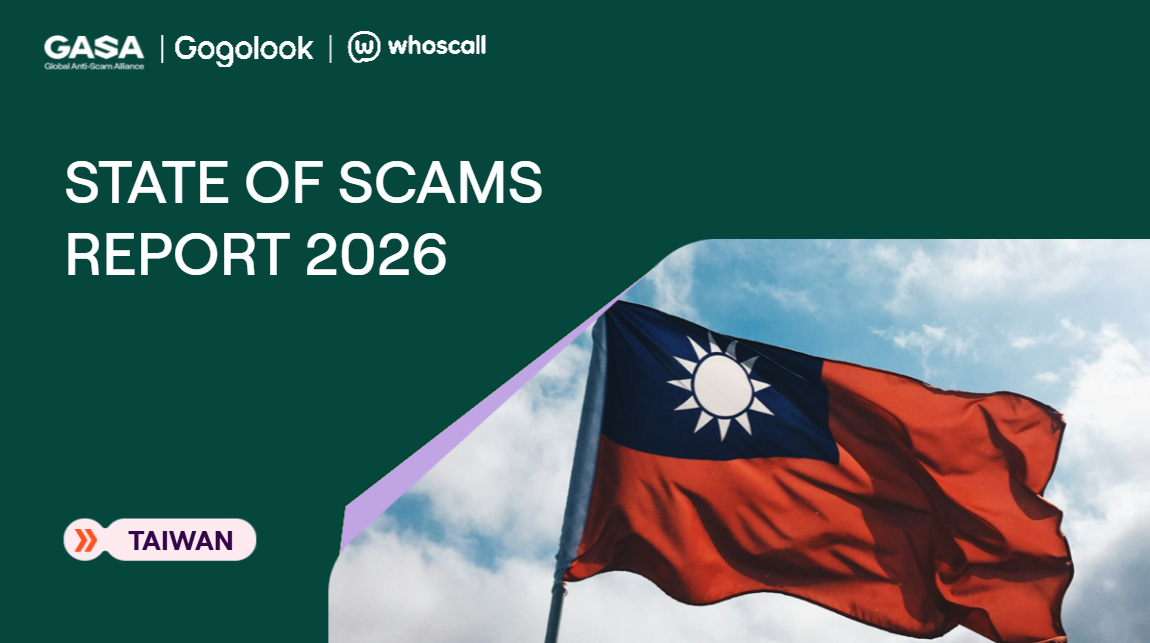
GASA and Whoscall Release 2026 Asia Scam Report – Taiwan
The 2026 Asia Scam Report – Taiwan, provides an in-depth look at scam exposure, channels, victim experiences, and scam awareness among people in Taiwan.
BanCoppel joins the Global Anti-Scam Alliance to bolster fraud prevention and safeguard individuals entering the banking system.
BanCoppel has joined the Global Anti-Scam Alliance (GASA) as a Corporate Member of the GASA Mexico Chapter.
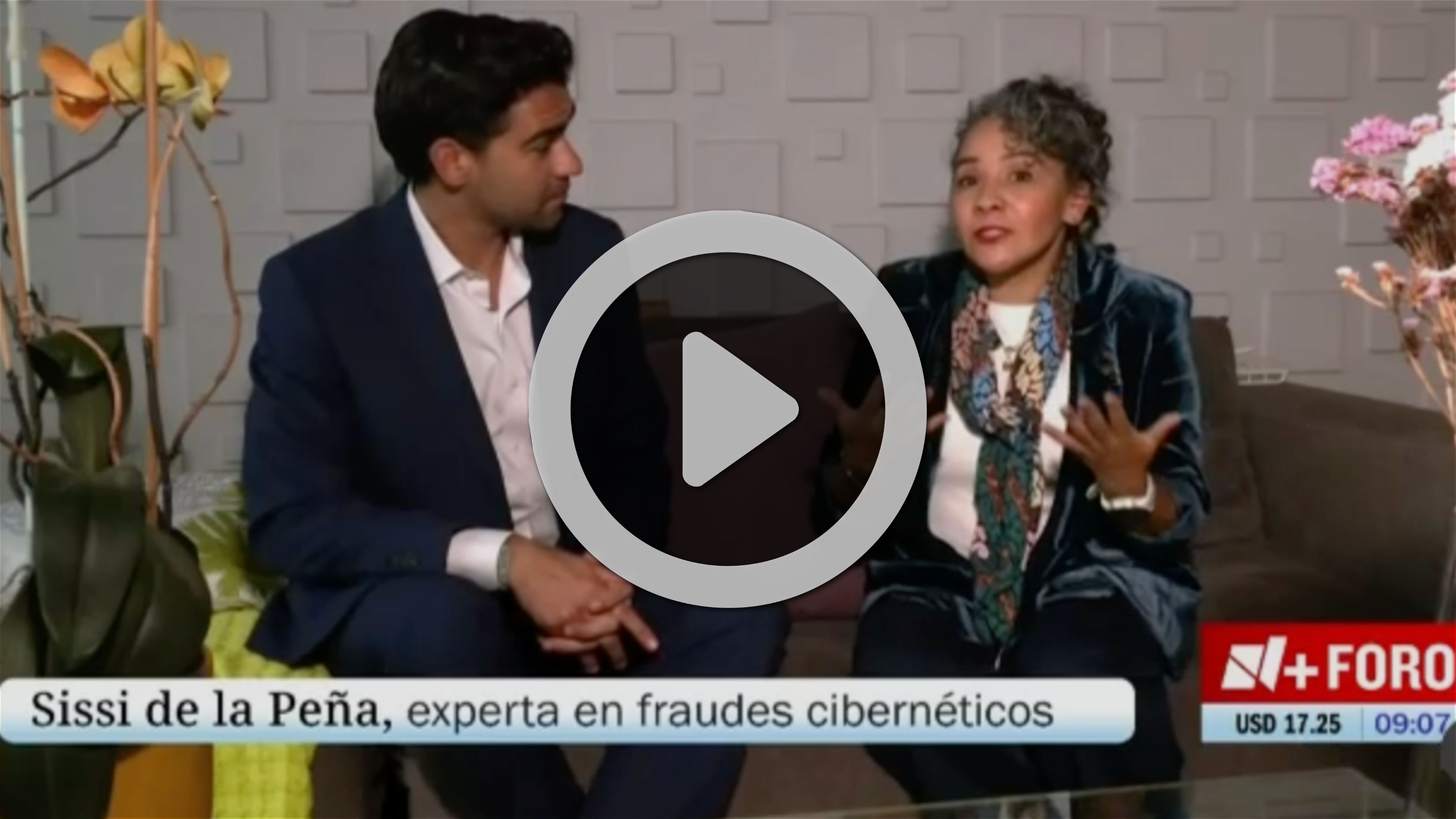
The emotions scammers exploit: how social engineering influences our decisions
How scammers use fear, urgency, excitement and trust to influence decisions, and how recognising these tactics can help people prevent fraud.

Global Anti-Scam Alliance Welcomes Mastercard as Founding Member of Its Mexico Chapter
The Global Anti-Scam Alliance (GASA) announces the membership of Mastercard as a Member of its Mexico Chapter.
What Uganda’s IVR Trial Shows About Practice-Based Scam Prevention
A Uganda IVR trial shows how practice-based fraud prevention helped mobile money users reduce losses and increase reporting.
FTC’s Never EVER Campaign Helps Prevent Elder Financial Abuse With Simple, Specific Scam Warnings
The FTC’s Never EVER campaign uses simple, specific imposter scam warnings to help prevent elder financial abuse and support coordinated consumer education.
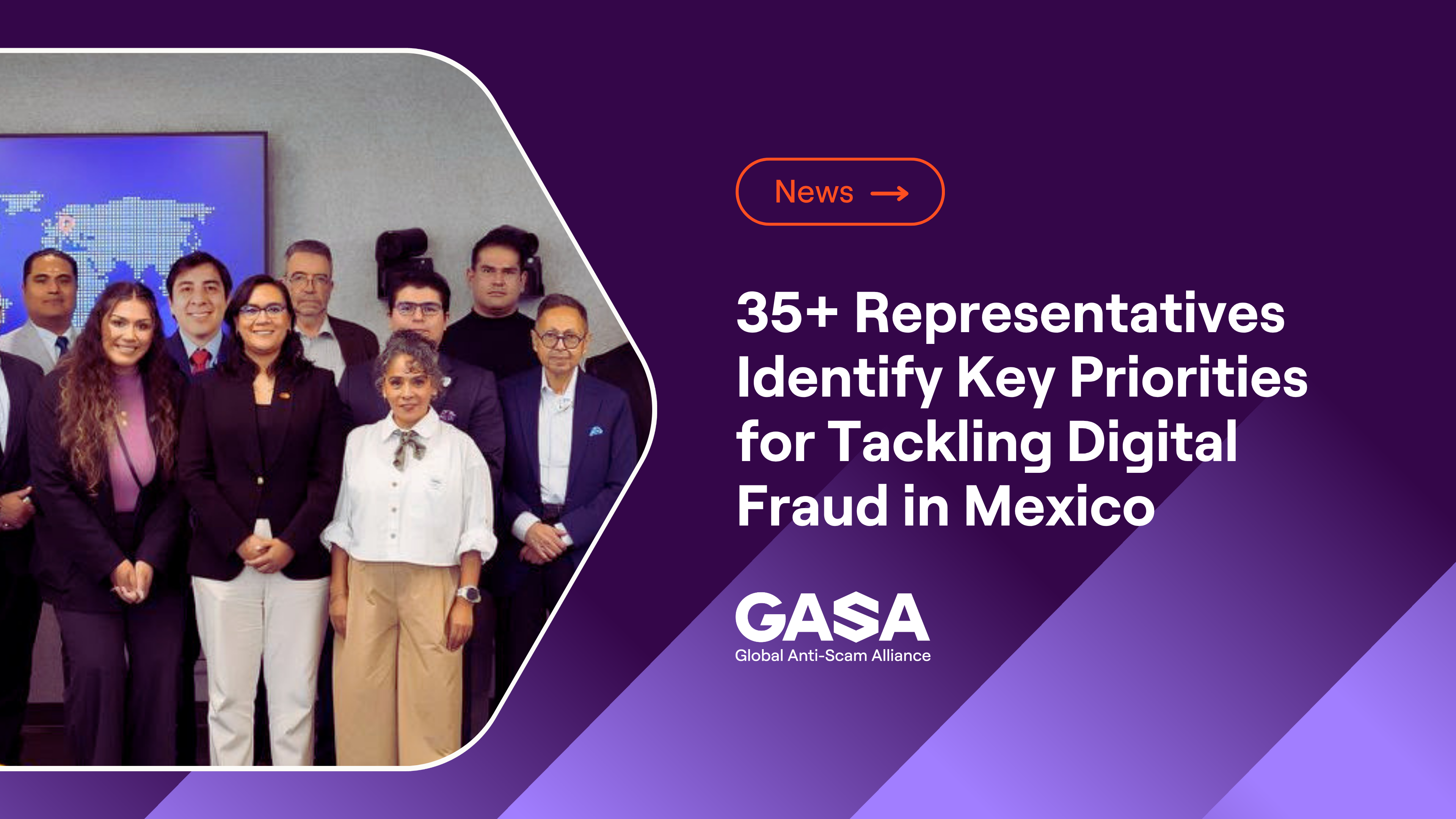
GASA Mexico's Second Roundtable Advances Coordinated Action Against Digital Fraud
GASA Mexico's second roundtable brought together more than 35 representatives to strengthen coordination across cybersecurity, fraud prevention and other sectors.