
2024 Asia Scam Report Reveals Singapore and Japan See Decline in Scam Losses
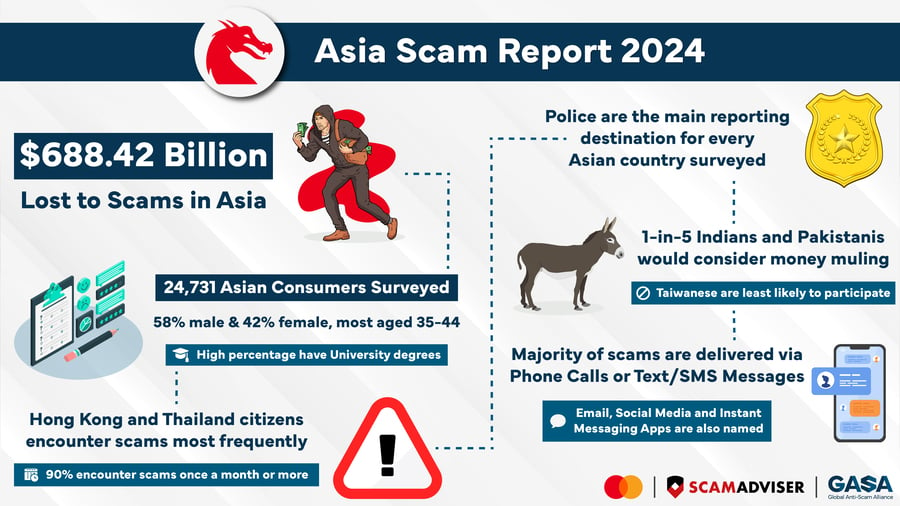
The Global Anti-Scam Alliance (GASA) , has released the highly anticipated 2024 Asia Scam Report . Based on survey responses from 24,731 consumers across Asia, this annual report offers insights into the growing threat posed by scammers and their increasingly sophisticated tactics.
Individual survey responses were extrapolated to report an estimated total loss of US$688.42 billion over the last 12 months , a figure that represents a significant portion of the estimated US$1.026 trillion global scam losses reported in GASA’s 2023 data. This year’s report highlights key trends such as the rise of AI-generated scam messages and the surge in social media-related fraud.
Key Findings from the 2024 Asia Scam Report:
Rapid Revictimization: Scam victims across Asia tend to be scammed repeatedly after they have been successfully targeted once.
Singapore (-40%) and Japan (-17%) have reported a noteworthy reduction in average scam loss per victim, indicating the effectiveness of preventive measures while other countries have seen increases. In Singapore, initiatives such as the co-location of police and banks has contributed to an efficient crackdown on scams.
Dominance of Social Media Scams: Some leading platforms have seen an increase in scam activity, with many users looking for social platforms to address fraudulent ads and fake accounts.
Top Scams by Category: Identity theft, investment scams, and shopping scams remain the leading threats across the region, with scammers targeting individuals through a range of channels, including phone calls, social media, and text messages.
Scam Prevention and Cross-Sector Collaboration in Focus at GASS Asia Summit
As Foundation Partners of GASA , Mastercard and ScamAdviser sponsored this report and will engage deeply in scam prevention discussions and partnerships at the Global Anti-Scam Summit (GASS) Asia Summit on October 20–21 . The event, in Singapore, is a key gathering for stakeholders across sectors to joint actions against perpetrators of scams.
With Amazon , Google , and other global organizations participating, the event will focus on best practices and new strategies in financial fraud, AI misuse, and consumer protection strategies.
For more information and to download the full 2024 Asia Scam Report, visit GASA's research directory .

BanCoppel joins the Global Anti-Scam Alliance to bolster fraud prevention and safeguard individuals entering the banking system.
BanCoppel has joined the Global Anti-Scam Alliance (GASA) as a Corporate Member of the GASA Mexico Chapter.
The emotions scammers exploit: how social engineering influences our decisions
How scammers use fear, urgency, excitement and trust to influence decisions, and how recognising these tactics can help people prevent fraud.

Global Anti-Scam Alliance Welcomes Mastercard as Founding Member of Its Mexico Chapter
The Global Anti-Scam Alliance (GASA) announces the membership of Mastercard as a Member of its Mexico Chapter.
What Uganda’s IVR Trial Shows About Practice-Based Scam Prevention
A Uganda IVR trial shows how practice-based fraud prevention helped mobile money users reduce losses and increase reporting.
FTC’s Never EVER Campaign Helps Prevent Elder Financial Abuse With Simple, Specific Scam Warnings
The FTC’s Never EVER campaign uses simple, specific imposter scam warnings to help prevent elder financial abuse and support coordinated consumer education.
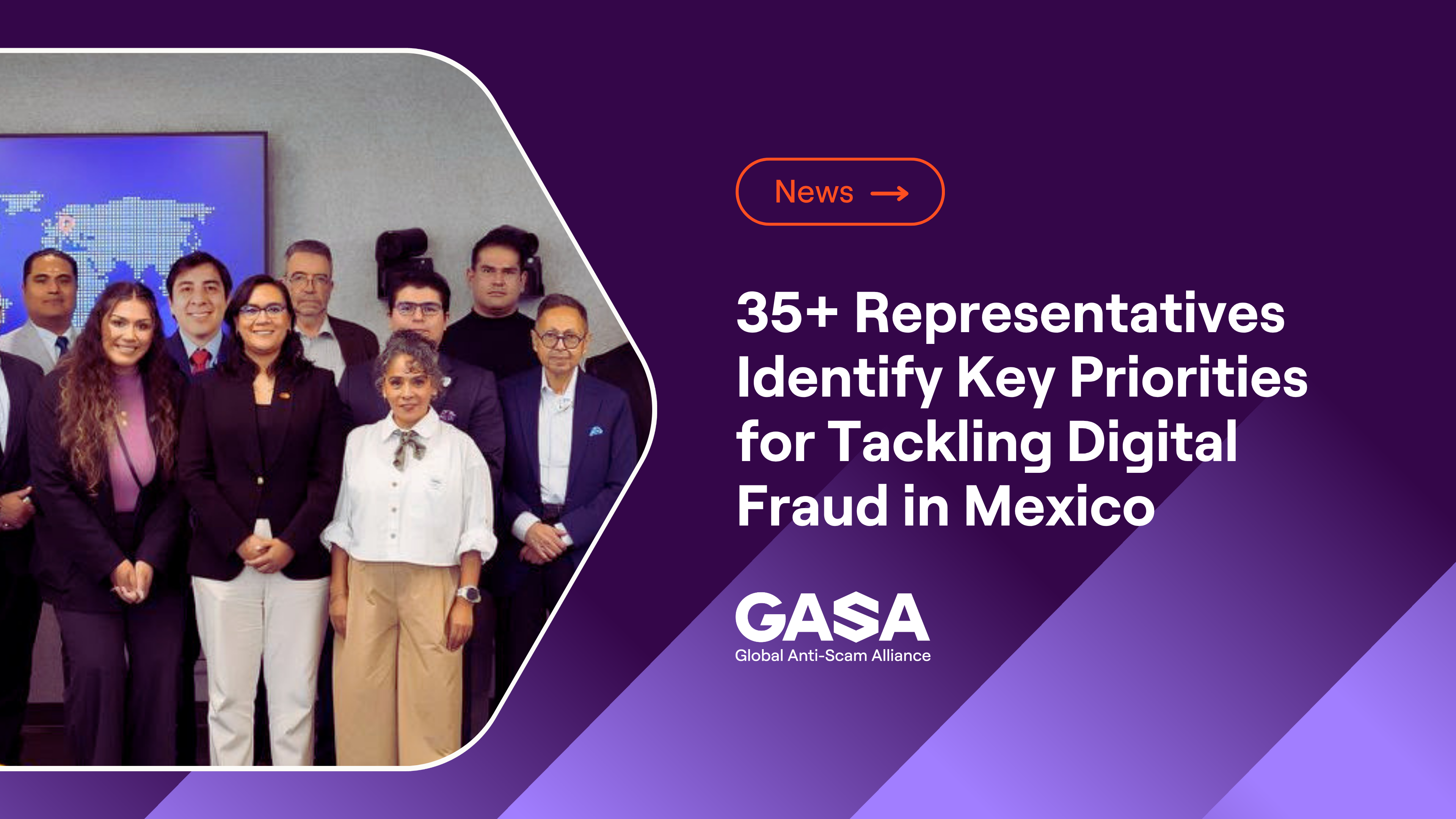
GASA Mexico's Second Roundtable Advances Coordinated Action Against Digital Fraud
GASA Mexico's second roundtable brought together more than 35 representatives to strengthen coordination across cybersecurity, fraud prevention and other sectors.

Cognyte Joins Global Anti-Scam Alliance to Fight Financial Fraud Threats
Cognyte, a global leader in investigative analytics software, today announced its membership in the Global Anti-Scam Alliance (GASA).
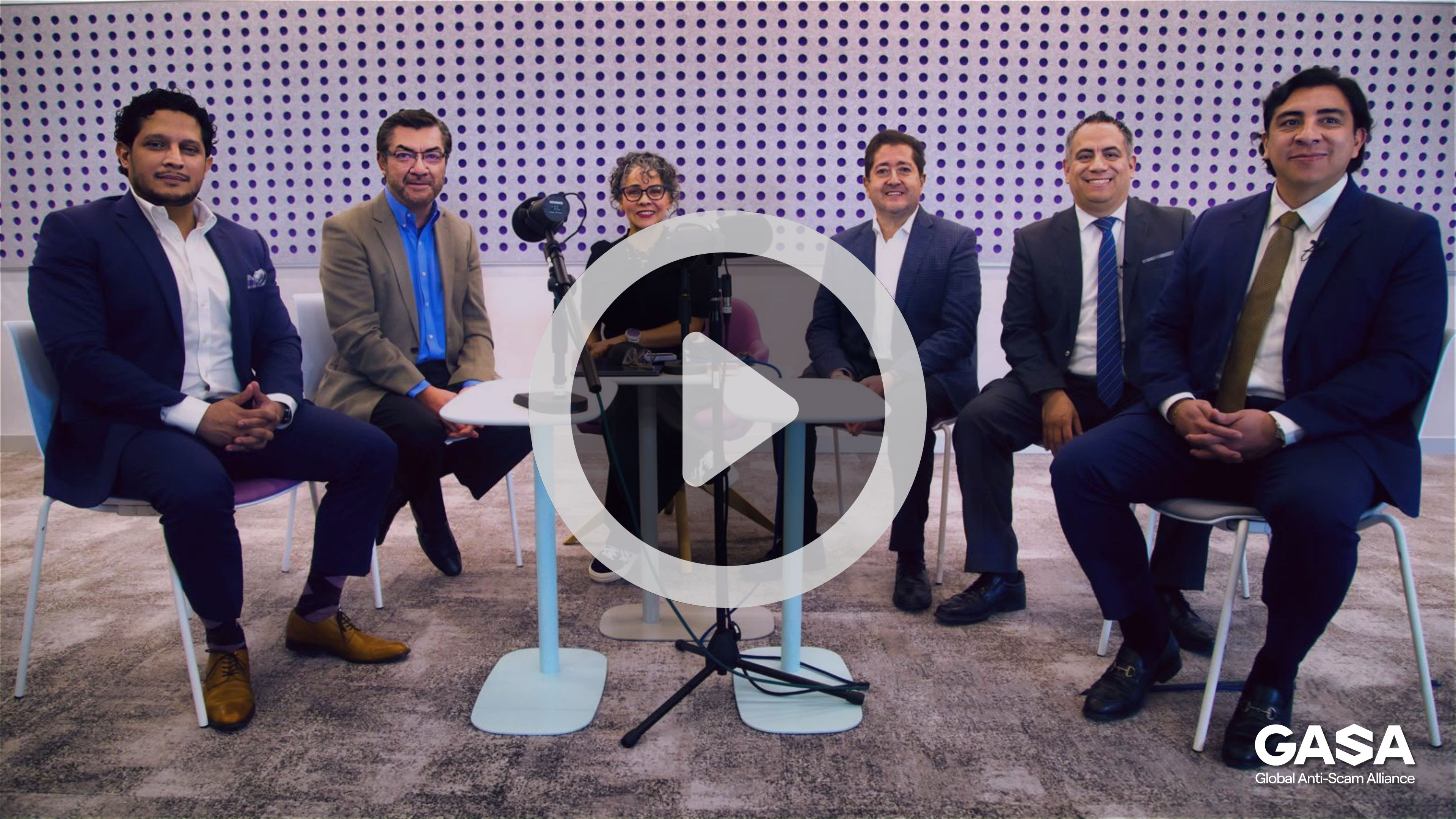
A network is beaten by a network: Mexico's banks move from remediation to prevention
GASA convened the ABM Fraud Committee and Mexican banks to advance the enriched agreement and strengthen coordinated fraud prevention across the sector.