
Swedish GDP takes 0.5% blow in GASA & BioCatch study
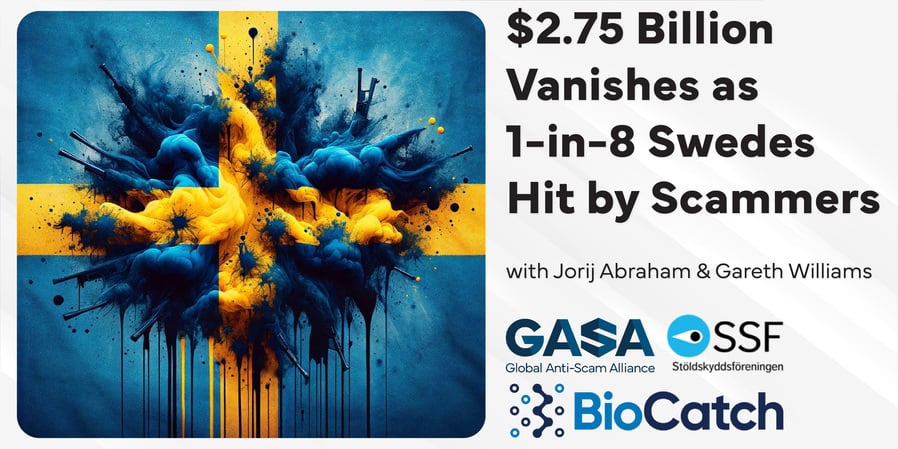
STOCKHOLM, Sweden, March 21, 2024 – A new study by the Global Anti-Scam Alliance (GASA) and BioCatch reveals Swedish citizens lost $2.75 billion (28.6 billion Swedish Kronor) to fraudsters in the last 12 months. The 2024 State of Scams in Sweden report found that 1-in-8 Swedes fell victim to online scams , with an alarming 45% encountering scams at least once per month. As a result, the losses to scams rose from 0.40% of Sweden’s GDP to 0.50% against the previous 12-month period.
Download the State of Scams in Sweden 2024 report
Belief in their own ability to detect scams has dropped in Sweden, with 17% fewer respondents reporting a high level of confidence. 13% experienced fewer scams compared to the previous year, yet the two-year trend points to a 93% increase in scam attempts against the Swedish people .
Emails and text messages remain the prevalent channels of scam delivery , while Meta’s Facebook, Instagram, and WhatsApp find themselves among the most abused platforms. Overall, phone calls and social media scams have shown a slight increase, highlighting the adaptability and expansive reach of fraudsters. However, the report also reveals a troubling trend in reporting behaviour, with only 20% of Swedes opting to report instances where they have fallen victim to a scam .
Financially, the impact of scams remains significant, with the average amount lost per victim rising from $2,557 (26,609 SEK) to $2,726 (28,370 SEK) , indicating heightened financial severity. The total financial loss escalates from approximately $2.646 billion in 2023 to $2.748 billion in 2024, constituting 0.50% of Sweden's GDP .
“This survey paints a very bleak picture of the current situation for Swedish consumers. Swedes are less able to spot the signs of scams, are losing more and more money, and clearly need more support when they fall victim. 80% of Swedes don’t report scams, mainly because they don’t see it will make a difference. Additionally, the fact that only 10% were able to get their money back shows that victims are often left in a hopeless position – both financially and emotionally. Scams have become a threat to society and more needs to be done urgently to stem the tide,” shared Gareth Williams , Pre-Sales Consultant at BioCatch.
The emotional scam toll hit the Swedish hard, with 57% of victims reporting a severe emotional response , often leaving them with long-term distress and feelings of embarrassment. GASA's survey then turned the tables on the Swedish people, quizzing them on their susceptibility to money mule scams. 4% of Swedes admitted that they could be tempted into participating in such a scheme.
“More action is needed to educate and protect consumers in Sweden. These figures aren't just statistics; they represent a significant emotional and financial toll on individuals and the nation's economy. Let's use this knowledge as a catalyst for change, before it is too late.” warned Jorij Abraham , Managing Director of GASA .
GASA is also preparing its annual Global State of Scams survey, which examines the experiences of almost 50,000 people worldwide. Last year, the final report uncovered $1.026 trillion in global consumer losses to scams. The alliance of over 100 member organizations will convene in Brussels, on June 24–25, for the 5th Global Anti-Scam Summit , where scam mitigation strategies will be formed and decisive actions agreed upon.
For more information on the 2024 State of Scams in Sweden report, visit https://www.gasa.org/research .
Download the State of Scams in Sweden 2024 report
Demographic information
This study approached 1,284 individuals from across Sweden. Notably, the participant demographic consists of 45% males and 55% females, most likely to be in the 54+ age bracket with a high school education.
Study authors
Prof. Jorij Abraham , Managing Director, GASA; Sam Rogers , Marketing Director, GASA; Clement Njoki , Editor & Researcher, GASA; James Greening , Social Media Manager, GASA; Prof. Marianne Junger , Professor Emeritus of Cyber Security & Business Continuity, University of Twente; Luka Koning , Researcher & PhD Candidate, University of Twente.
Methodology
GASA used Pollfish.com to set-up the consumer survey and source participants. Pollfish utilises a survey methodology called Random Device Engagement. RDE is the natural successor to Random Digit Dialling (RDD). The survey was delivered, via Pollfish, through popular mobile apps and games. RDE utilises the same neutral environment as RDD, and an audience who are not taking premeditated surveys, by reaching them inside mobile apps they were using anyway. Pollfish uses non-monetary incentives, such as an extra life in a game or access to premium content. With additional layers of survey fraud prevention including AI and machine learning, Pollfish removes potentially biased responses, improving data quality even further.
The survey itself was partly inspired by DeLiema, M., Mottola, G. R., & Deevy, M. (2017). Findings from a pilot study to measure financial fraud in the United States. Available at SSRN 2914560.
About the Global Anti-Scam Alliance (GASA)
GASA's driving mission is to shield consumers globally from the financial and emotional trauma of scams. With many cybercriminals operating freely in the digital space, GASA invites governments, law enforcement, consumer protection, financial authorities & providers, brand protection agencies, social media, ISPs, and cybersecurity companies to share knowledge and define joint actions. These connections culminate in the annual Global State of Scams report, which follows the release of detailed reports that delve into the scam's impact on individual countries each year.
For more information, or to arrange an interview with GASA Managing Director, Prof. Jorij Abraham, please contact Sam Rogers, GASA Marketing Director at sam.rogers@gasa.org .
About BioCatch
BioCatch stands at the forefront of digital fraud detection, pioneering behavioural biometric intelligence grounded in advanced cognitive science and machine learning. BioCatch analyses thousands of user interactions to support a digital banking environment where identity, trust, and ease coexist. Today, more than 30 of the world's largest 100 banks and more than 180 of the biggest 500 rely on BioCatch Connect™ to combat fraud, facilitate digital transformation, and grow customer relationships. BioCatch's Client Innovation Board, an industry-led initiative featuring American Express, Barclays, Citi Ventures, HSBC, and National Australia Bank, collaborates to pioneer creative and innovative ways to leverage customer relationships for fraud prevention. With more than a decade of data analysis, 90 registered patents, and unmatched expertise, BioCatch continues to lead innovation to address future challenges. For more information, please visit www.biocatch.com .
BanCoppel joins the Global Anti-Scam Alliance to bolster fraud prevention and safeguard individuals entering the banking system.
BanCoppel has joined the Global Anti-Scam Alliance (GASA) as a Corporate Member of the GASA Mexico Chapter.
The emotions scammers exploit: how social engineering influences our decisions
How scammers use fear, urgency, excitement and trust to influence decisions, and how recognising these tactics can help people prevent fraud.

Global Anti-Scam Alliance Welcomes Mastercard as Founding Member of Its Mexico Chapter
The Global Anti-Scam Alliance (GASA) announces the membership of Mastercard as a Member of its Mexico Chapter.
What Uganda’s IVR Trial Shows About Practice-Based Scam Prevention
A Uganda IVR trial shows how practice-based fraud prevention helped mobile money users reduce losses and increase reporting.
FTC’s Never EVER Campaign Helps Prevent Elder Financial Abuse With Simple, Specific Scam Warnings
The FTC’s Never EVER campaign uses simple, specific imposter scam warnings to help prevent elder financial abuse and support coordinated consumer education.
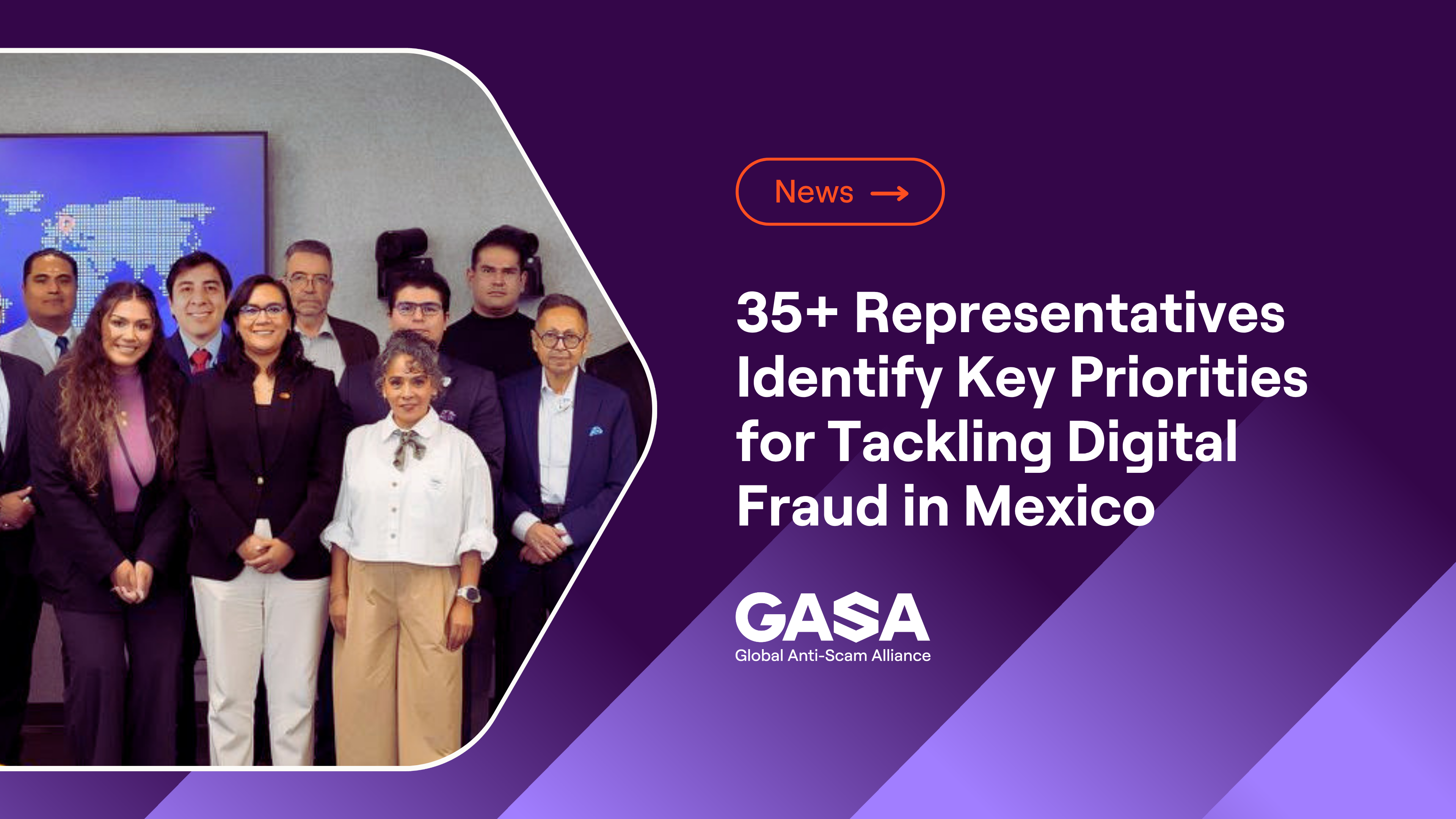
GASA Mexico's Second Roundtable Advances Coordinated Action Against Digital Fraud
GASA Mexico's second roundtable brought together more than 35 representatives to strengthen coordination across cybersecurity, fraud prevention and other sectors.
Cognyte Joins Global Anti-Scam Alliance to Fight Financial Fraud Threats
Cognyte, a global leader in investigative analytics software, today announced its membership in the Global Anti-Scam Alliance (GASA).
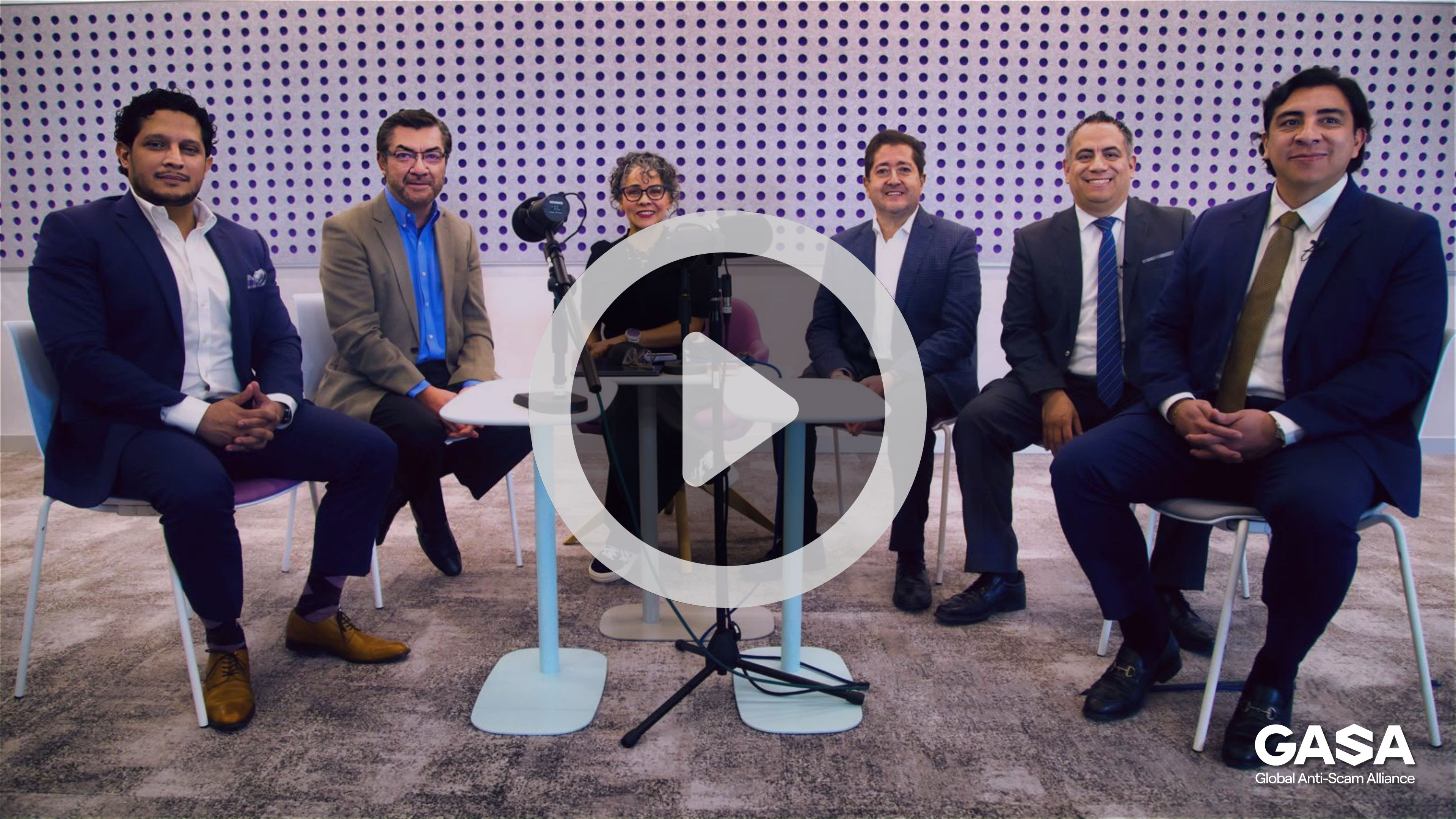
A network is beaten by a network: Mexico's banks move from remediation to prevention
GASA convened the ABM Fraud Committee and Mexican banks to advance the enriched agreement and strengthen coordinated fraud prevention across the sector.