

GASA & Whoscall Warn of Deepening Crisis with Release of The State of Scams in Brazil 2024 Report
The
State of Scams in Brazil 2024
report, conducted by GASA in partnership with ScamAdviser and Whoscall, exposes the expanding threat of scams in Brazil, with estimated financial losses reaching BRL 297.7 billion (US$54 billion). Surveying 1,322 Brazilians, this study presents a detailed view of the scam landscape, revealing not only the persistence but also the evolving sophistication of scams targeting the country. The full report is now available in both English and Brazilian Portuguese in the
research section
of the GASA website.
Average Estimated Losses Reach Almost US$1,000 per Scam Victim
Brazil continues to battle a surge in scams across digital platforms and channels. Some notable insights from this year’s report include:
Pervasive Scam Encounters : An astonishing 94% of Brazilians reported encountering scam attempts at least once per month, a 9% increase from 2023. Furthermore, 67% noted an increase in scam frequency over the past year, underscoring the ubiquity of fraud across the nation.
Financial Impact and Losses : Scams in Brazil led to estimated financial losses of BRL 297.7 billion (US$54 billion), accounting for approximately 2.5% of the nation’s GDP. While this represents a 19% decrease from 2023, individual losses remain substantial, with the average victim losing around US$918. Alarmingly, only 4% of scam victims fully recovered their funds.
Types of Scams : Shopping scams and identity theft emerged as the most prevalent types of fraud. Additionally, scams are primarily delivered through phone calls and SMS, with a 23% rise in SMS-based scams over the last year. Platforms like WhatsApp and Instagram are frequently used for scam tactics, with WhatsApp scams alone increasing by 15%.
Rapid Scam Execution : Speed is a hallmark of scams in Brazil—61% of frauds are completed within just 24 hours of initial contact, emphasizing the need for quick response mechanisms and preventive actions.
Emotional and Psychological Toll : Beyond financial losses, scams significantly impact victims' mental health. About 45% of those affected reported a strong emotional toll, a 25% increase from the previous year. Additionally, 67% of Brazilians reported a reduced trust in the internet due to the prevalence of scams.
Awareness and Response Gaps Affecting Brazilian Resilience
While 62% of respondents expressed confidence in their ability to recognize scams (a 5% increase from last year), awareness alone hasn’t stemmed the tide. Concerningly, 66% of Brazilians did not report scams to law enforcement, largely due to perceptions that reporting is ineffective or too complex. Of those who did report, banks and local police were the primary contact points.
GASA Outlines Recommendations and Path Forward for Brazil
The
State of Scams in Brazil 2024 report
outlines the urgent need for a more cohesive approach to combat scams, involving both public and private sectors. Key recommendations include:
Public Awareness Campaigns : Education and preventive outreach are vital to empower Brazilians against evolving scams.
Simplified Reporting : Improving ease of reporting and publicizing reporting processes could encourage more victims to report scams.
Technology-Driven Prevention : Leveraging tools such as anti-fraud apps and AI-based detection can fortify defenses against fraud.
As scams in Brazil become more prevalent and complex, collaborative, multi-sectoral efforts will be crucial. GASA remains committed to working alongside Brazilian stakeholders to strengthen scam prevention and protect the digital safety of all Brazilians.
GASA Managing Director, Jorij Abraham, explained "To combat the growing threat of scams in Brazil, several measures must be taken: enhanced public awareness campaigns, simplified reporting mechanisms, collaboration between private and public sectors, improving victim support and recovery processes, and leveraging technology, such as anti-fraud apps and AI-based scam detection."
Rafael Martins Fernandes, Prosecutor & Chief Planning Officer, Ministério Público do Estado de Minas Gerais (MPMG) said, "Although several measures have been taken to better fight scams and protect the population, scams have been combated still in a very fragmented way, and actions like nationwide coordinated public awareness campaigns and the set-up of a national anti-scam center should be taken to curb online scams in a more cohesive way, enabling all the sectors involved in this issue to act not on an isolated way, but as a part of a network."
Mauro da Fonseca Ellovitch, Promotor de Justiça & Coordenador do GAECIBER, Ministério Público do Estado de Minas Gerais, explained what he feels needs to change to better protect Brazilians, "I would like to see improvements in criminal legislation to streamline cybercrime investigations. It is necessary to increase government investment in the training and structuring of law enforcement and the Public Prosecutor’s Office for an effective response to scams. It would also be beneficial to create tools that allow authorities to request the blocking of websites and social media accounts that are clearly created with false identities or for the purpose of scams.
"Furthermore, investing in preventive campaigns and digital education is crucial for Brazilians to better protect their data, avoid behaviors that facilitate the execution of scams, and report incidents to the authorities."
Access The State of Scams in Brazil 2024 report here: https://www.gasa.org/resources/
BanCoppel joins the Global Anti-Scam Alliance to bolster fraud prevention and safeguard individuals entering the banking system.
BanCoppel has joined the Global Anti-Scam Alliance (GASA) as a Corporate Member of the GASA Mexico Chapter.
The emotions scammers exploit: how social engineering influences our decisions
How scammers use fear, urgency, excitement and trust to influence decisions, and how recognising these tactics can help people prevent fraud.

Global Anti-Scam Alliance Welcomes Mastercard as Founding Member of Its Mexico Chapter
The Global Anti-Scam Alliance (GASA) announces the membership of Mastercard as a Member of its Mexico Chapter.
What Uganda’s IVR Trial Shows About Practice-Based Scam Prevention
A Uganda IVR trial shows how practice-based fraud prevention helped mobile money users reduce losses and increase reporting.
FTC’s Never EVER Campaign Helps Prevent Elder Financial Abuse With Simple, Specific Scam Warnings
The FTC’s Never EVER campaign uses simple, specific imposter scam warnings to help prevent elder financial abuse and support coordinated consumer education.
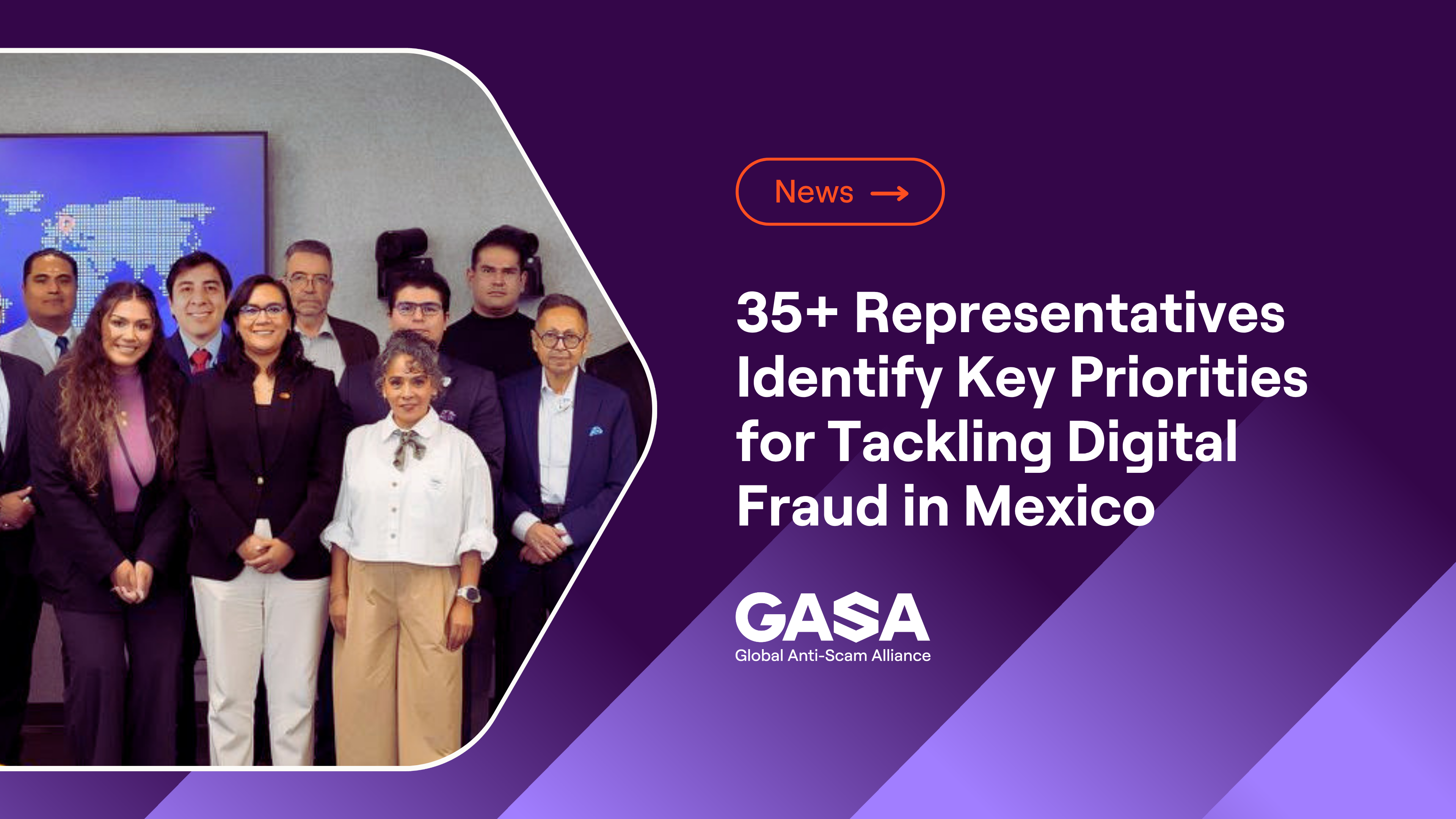
GASA Mexico's Second Roundtable Advances Coordinated Action Against Digital Fraud
GASA Mexico's second roundtable brought together more than 35 representatives to strengthen coordination across cybersecurity, fraud prevention and other sectors.
Cognyte Joins Global Anti-Scam Alliance to Fight Financial Fraud Threats
Cognyte, a global leader in investigative analytics software, today announced its membership in the Global Anti-Scam Alliance (GASA).
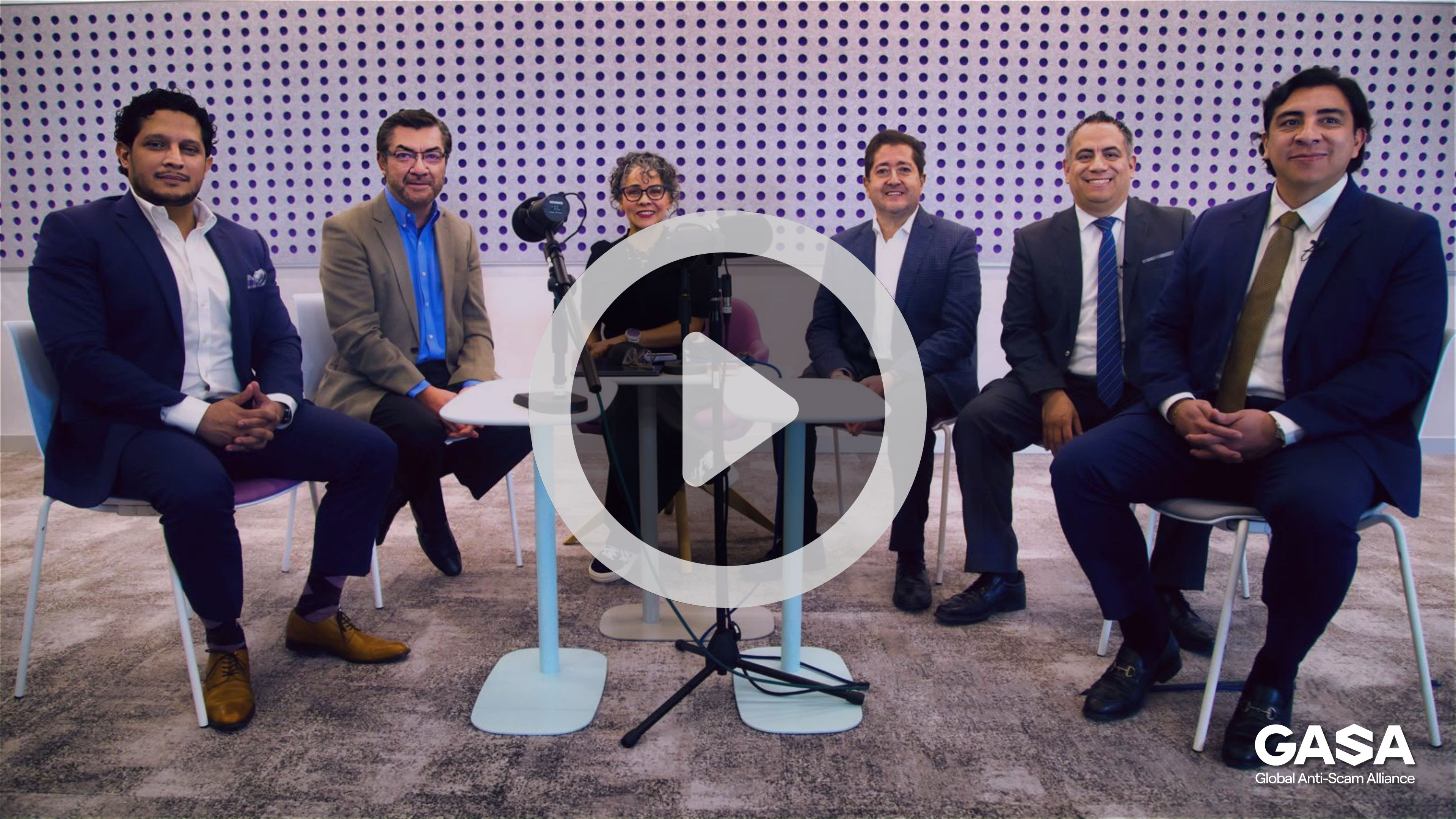
A network is beaten by a network: Mexico's banks move from remediation to prevention
GASA convened the ABM Fraud Committee and Mexican banks to advance the enriched agreement and strengthen coordinated fraud prevention across the sector.