
Date of Event: 6 May 2026
Event: GASA Brazil Chapter Meet-Up
Language: Potuguese
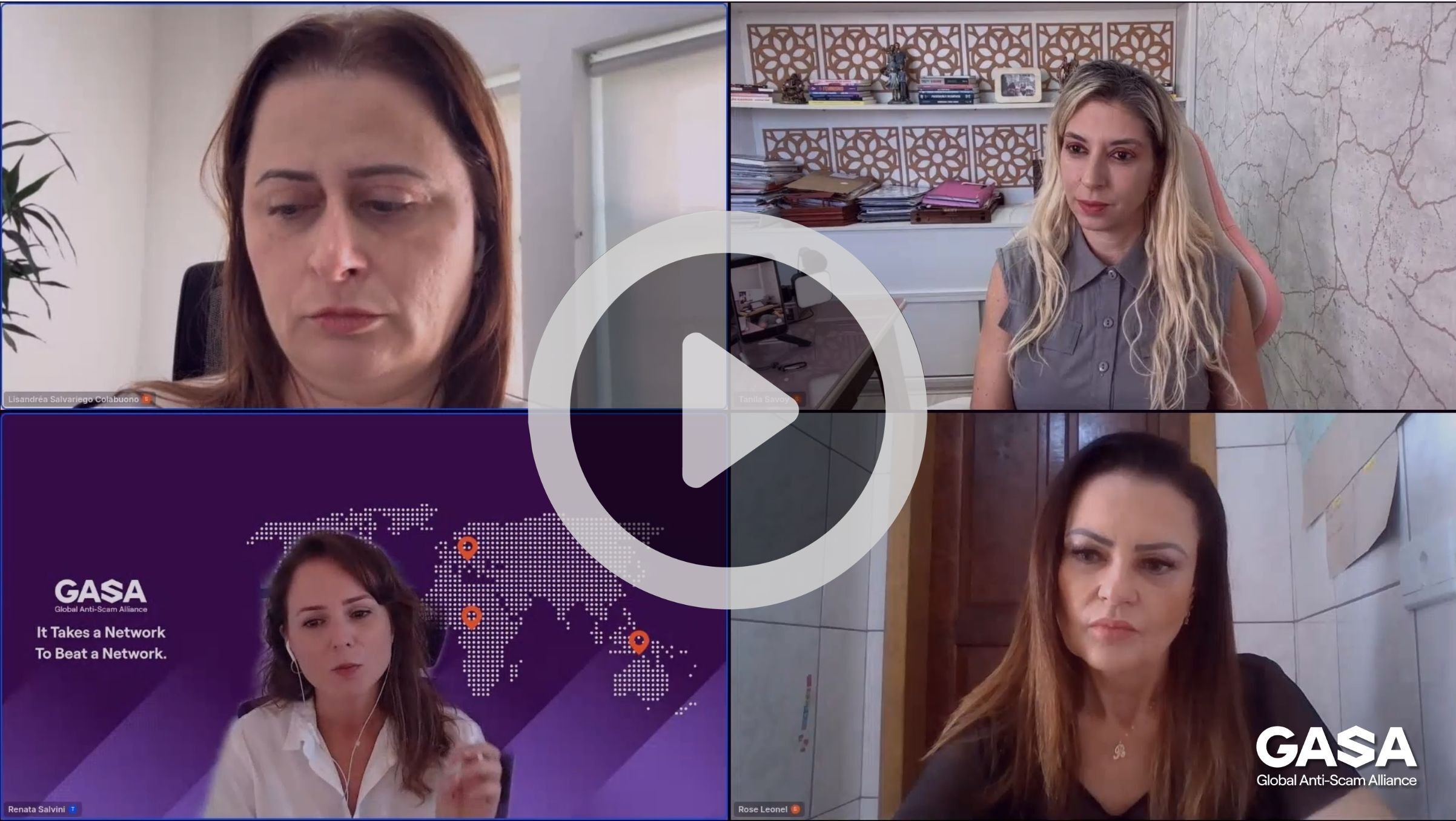
Romance scams continue to grow worldwide, exploiting trust, emotional vulnerability, and online relationships to manipulate victims into financial and emotional harm. Held around Brazil’s Valentine’s Day period, the GASA meet-up, Golpes do Amor — Como eles acontecem e como se proteger, explored how these scams operate, why they are so effective, and how individuals can better recognise warning signs before becoming victims.
Hosted by the Brazil Chapter of the Global Anti-Scam Alliance (GASA), the discussion highlighted findings from O Estado dos Golpes no Brasil. According to the report, romance scams have already affected 18 per cent of surveyed Brazilian adults, while 6 per cent of victims reported falling for this type of scam more than once. Beyond financial losses, speakers emphasised the severe emotional consequences victims often experience, including shame, trauma, and loss of trust.
Speakers:
-
Rose Leonel, Journalist and Founder – ONG Marias da Internet
-
Tanila Savoy, Founder – Associação Nacional de Vítimas da Internet (ANVINT)
-
Lisandréa Salvariego Colabuono, Police Chief and Coordinator – NOAD, Polícia Civil de São Paulo
-
Renata Salvini, Director, Brazil Chapter – Global Anti-Scam Alliance
A major focus of the discussion was the manipulation techniques commonly used in romance scams. Speakers explained how scammers frequently create convincing identities, often pretending to be foreigners, military personnel, or individuals living abroad, while avoiding in-person meetings and building emotional dependency over time. Urgency and financial pressure were highlighted as major warning signs, particularly when victims are pushed to act quickly or send money under emotional circumstances.
The webinar also explored the lasting psychological impact of these crimes and reinforced that victims should never be blamed. Rose Leonel shared her personal story of transforming trauma into advocacy after becoming a victim of non-consensual intimate image sharing, an experience that ultimately contributed to the creation of the Rose Leonel Law in Brazil. Speakers stressed the importance of reporting scams, noting that even small details can assist investigations and help prevent future victims.
The conversation reinforced the need for greater public awareness, victim support, and collaboration between civil society, law enforcement, and digital platforms to address emotionally manipulative fraud more effectively. Through initiatives like this meet-up, GASA continues working with experts and organisations worldwide to strengthen scam prevention and support victims of online fraud.
Watch the full discussion to learn how individuals and organisations can better recognise and respond to romance scams.
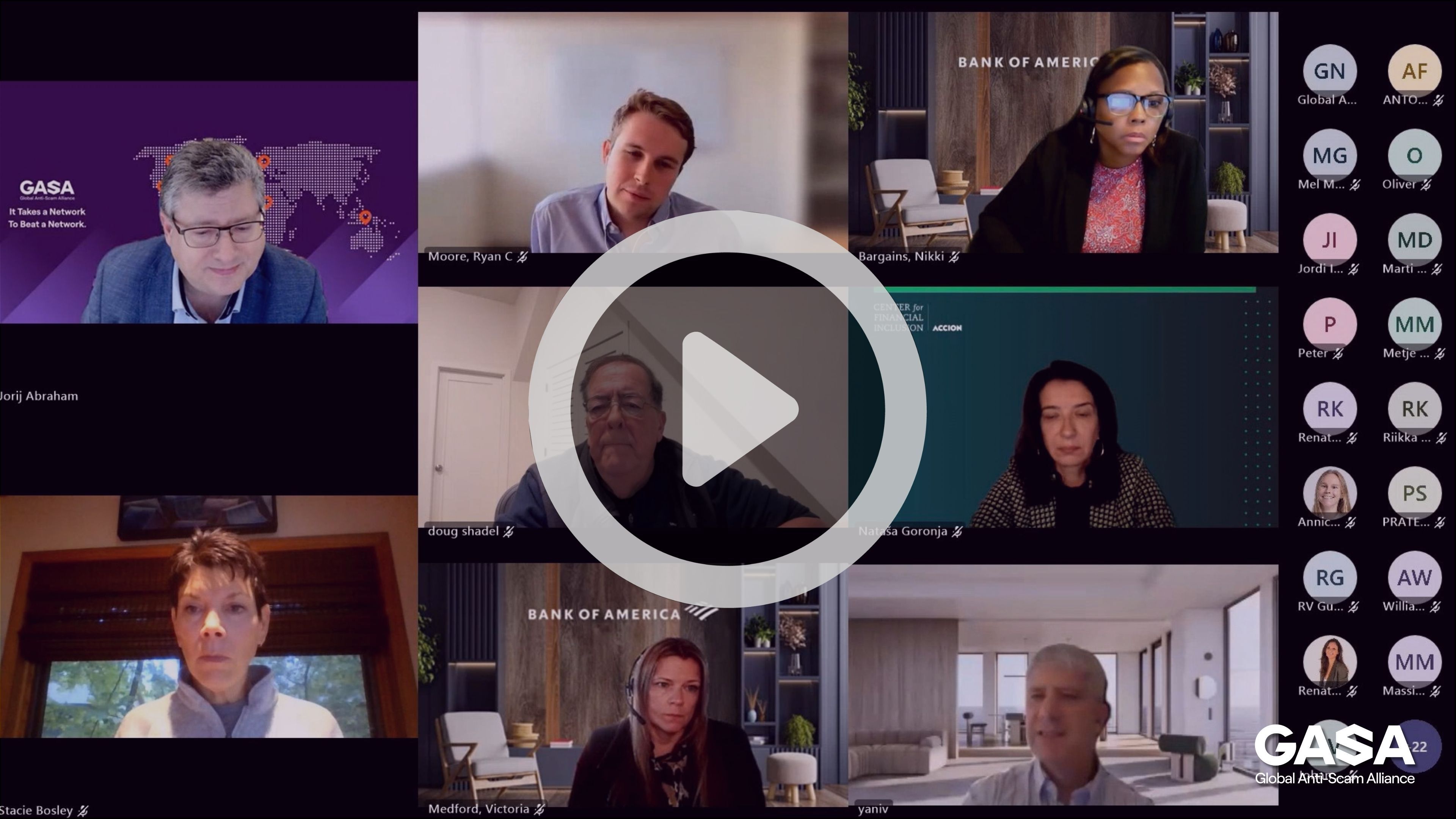
Research Working Group Meeting: Fraudulent Tickets and Robocall Scam Tactics
Research presented to GASA examines consumers’ ability to spot fraudulent tickets and tactics found across 4.49 million scam and spam robocalls.
-2.jpg)
Fighting Fraud Without Borders: Cross-Regional Collaboration in Latin America and Beyond
A roundtable at GASS America examined cross-regional collaboration in Latin America and beyond, focusing on fraud prevention, consumer protection and response.
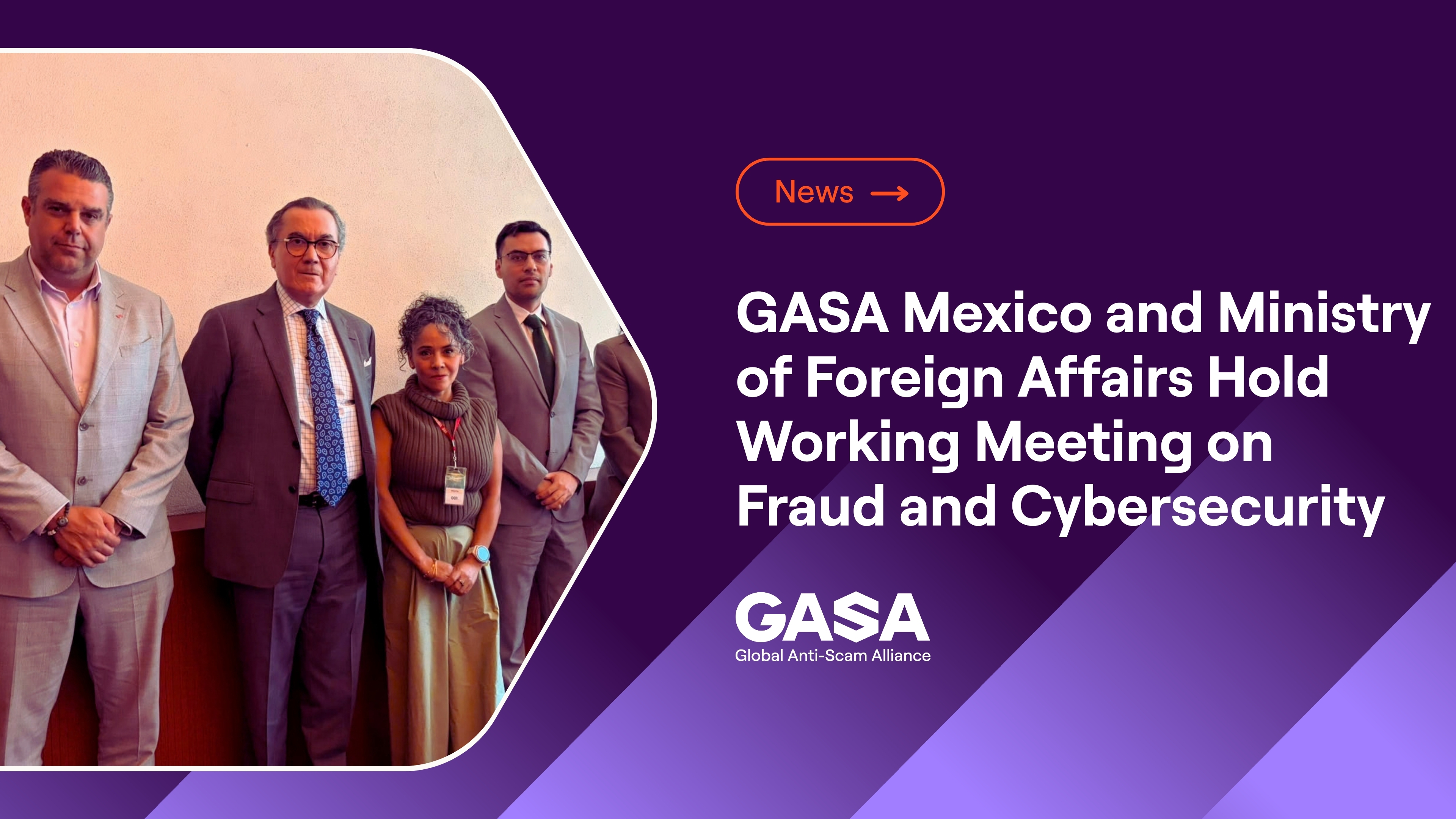
GASA Mexico and the Ministry of Foreign Affairs Hold Working Meeting Ahead of the Chapter’s Annual Forum, “From Coalition to Action”
GASA Mexico and the Ministry of Foreign Affairs convened Mastercard and Scotiabank to discuss fraud, cybersecurity, information sharing and emerging technologies.
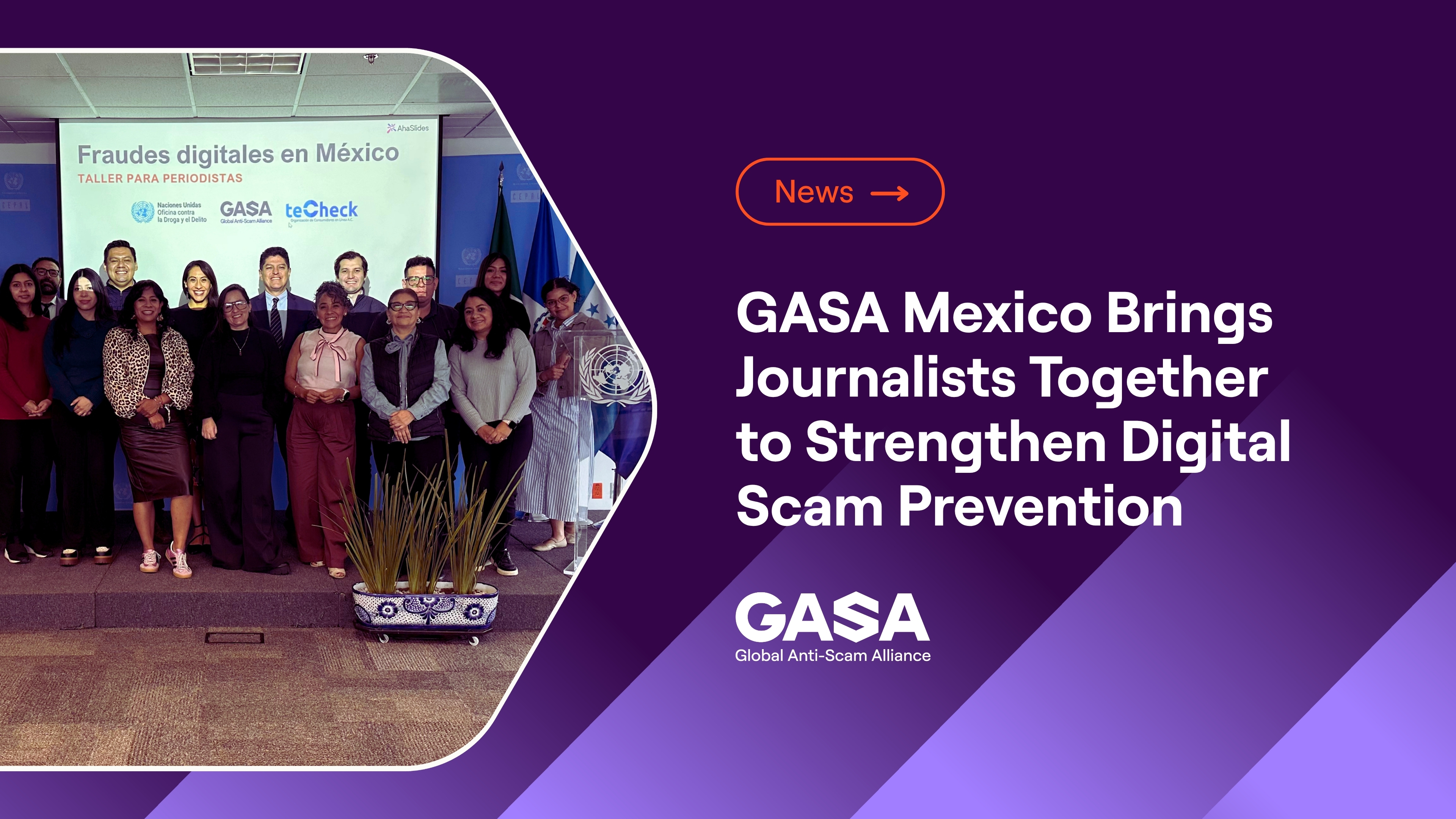
GASA Mexico Workshop Examines the Role of Journalism in Digital Scam Prevention
GASA Mexico brought together journalists and editors to discuss digital scams, victim-centred reporting and the role of media in scam prevention.
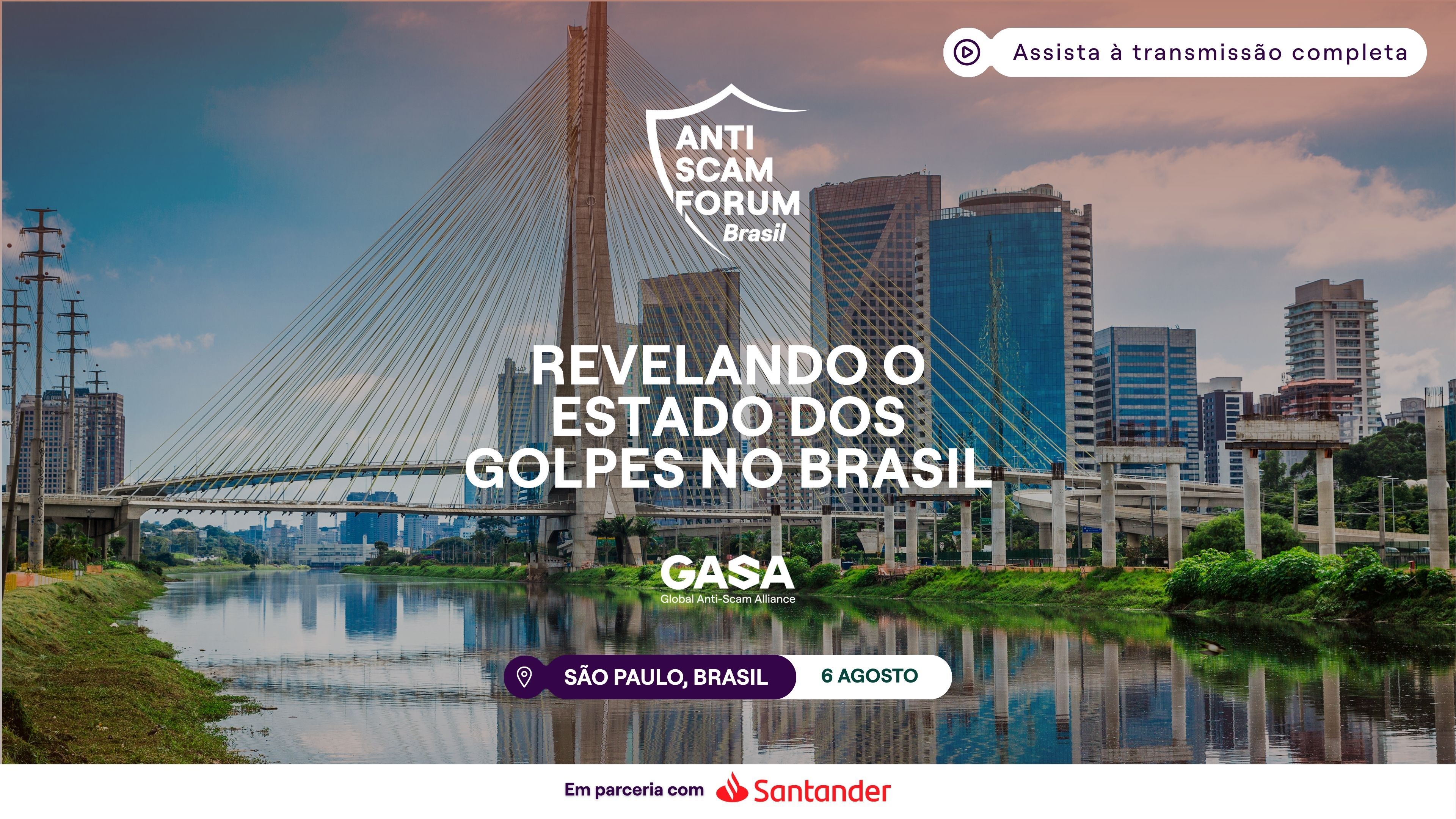
Brazil Anti-Scam Forum 2026: Key Takeaways on Strengthening Scam Prevention in Brazil
Key insights from the Brazil Anti-Scam Forum 2026 on scam trends, prevention, intelligence sharing and cross-sector collaboration.

GASA Consumer Education Working Group Develops 5-Step Response Plan for Scam Victims
GASA’s Consumer Education Working Group sets out a five-step response plan that organisations can use and share to support people affected by scams.
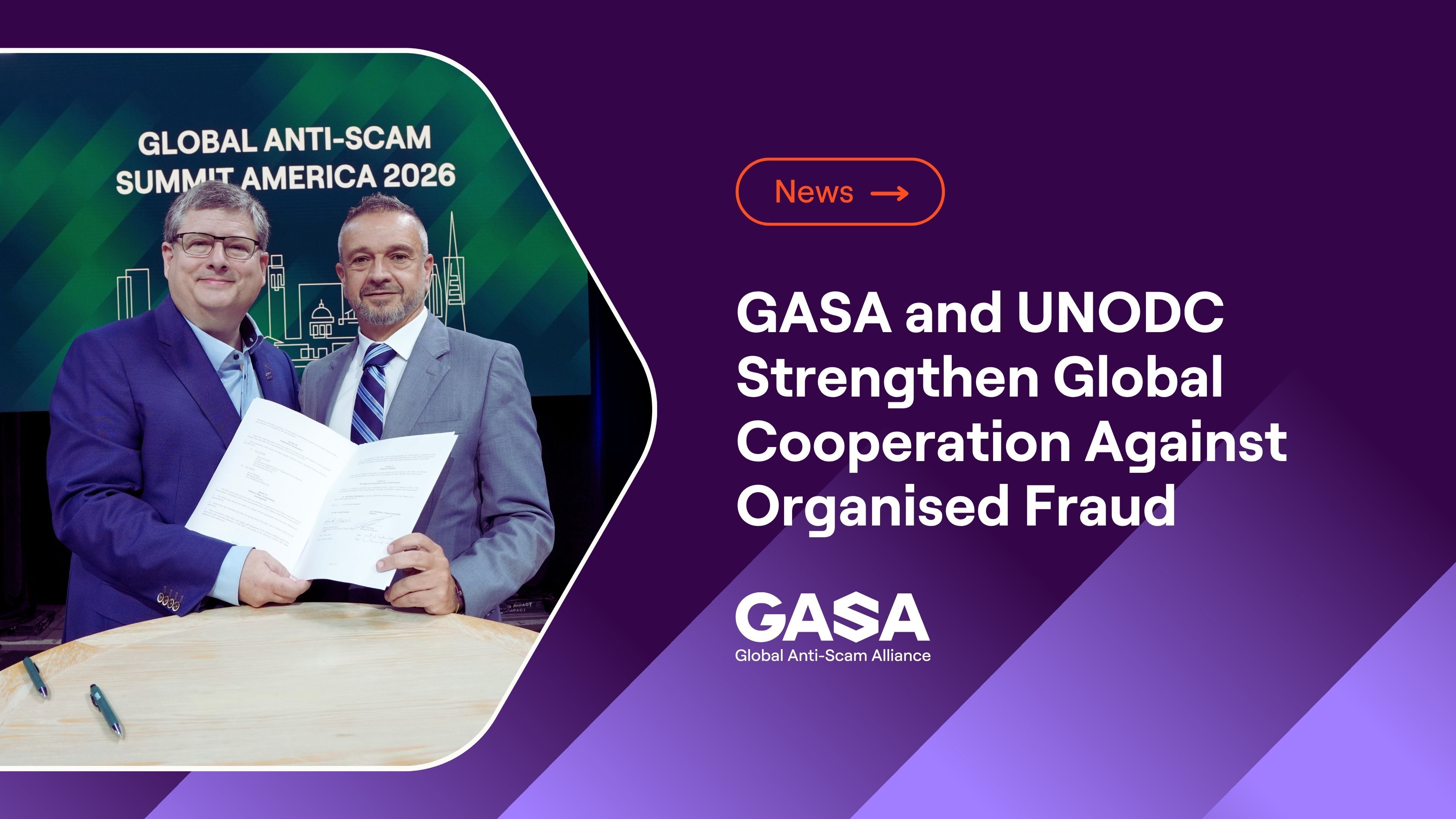
GASA and UNODC Partner to Strengthen Global Response to Organised Fraud
GASA and UNODC sign an MoU to strengthen international cooperation on fraud prevention, research, criminal justice responses and awareness.
Meet the Winners – Scam Fighter Awards at the Global Anti-Scam Summit America 2026
Meet the winners of the Scam Fighter Awards at the Global Anti-Scam Summit America 2026 and learn about their work in education, research, collaboration and technology.