
Date of Event: 30 April 2026
Event: GASA Meet-Up
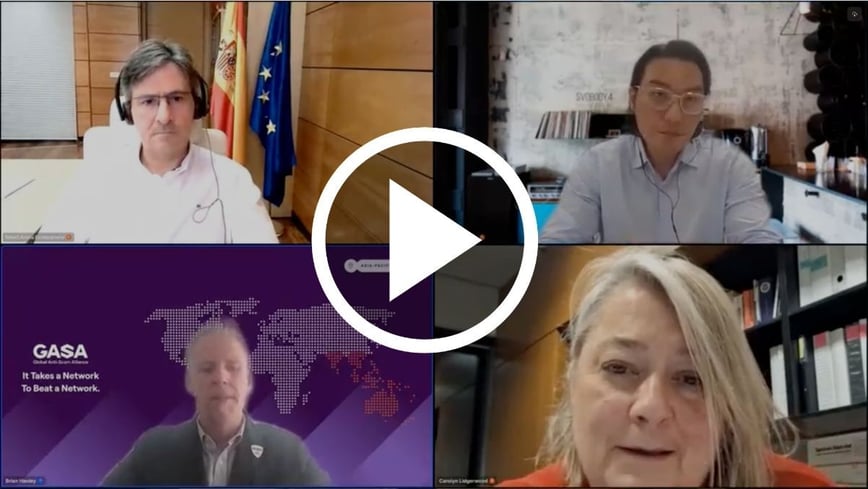
Online gambling-related scams have emerged as one of the fastest-growing and most complex threats facing consumers globally. Criminal networks have identified gambling environments as highly effective vehicles for fraud — combining high-frequency transactions, emotional decision-making, and limited transparency to create ideal conditions for large-scale deception. Victims rarely enter these platforms suspecting fraud; they enter believing they are gambling. The pathway from perceived legitimate activity to scam often begins with social media ads, influencer endorsements, or trusted referrals, before shifting into manipulated odds, withdrawal barriers, fee extraction, and outright theft. Global scam losses surpassed US$1 trillion in 2024, and no region is immune.
Speakers:
- Brian Hanley, Asia-Pacific Director – Global Anti-Scam Alliance (GASA) (Moderator)
- Carolyn Lidgerwood, Authority Lead, Gambling – Australian Communications and Media Authority (ACMA)
- Mikel Arana Echezarreta, Directorate General– Dirección General de Ordenación del Juego (DGOJ)
-
Sungyong Kang, Criminal Intelligence Officer – INTERPOL Financial Crime & Anti-Corruption Centre (IFCACC)
The webinar surfaced stark findings across three jurisdictions. Spain's DGOJ shared that since 2013, they have blocked nearly 2,500 gambling portals and over 22,000 individual URLs through administrative action alone — without the need for court orders — and have imposed 221 serious sanctions totalling more than €500 million in fines over the past five years.

Australia's ACMA detailed the rise of "scambling" — a term coined for illegal online gambling platforms that deliberately target vulnerable communities, including Indigenous Australians, using social media, PayID payments, and rapidly shifting URLs to evade detection. Carolyn Lidgerwood painted a sobering picture of the real-world consequences:

She also offered a direct message to the public: "When you start getting these messages on your WhatsApp, Facebook, or Instagram — they're scams. You are not going to win any money. You are just going to lose money.
INTERPOL's IFCACC presented the global scam landscape as increasingly industrialised, with criminal operations structured around a clear division of labour and a deeply entrenched link to online gambling — used both as a scam vehicle and as a channel for laundering proceeds. Sungyong Kang described how the ecosystem has evolved:

INTERPOL's I-GRIP mechanism — which enables law enforcement agencies to rapidly intervene and intercept criminal funds across borders — has already resulted in the recovery of significant sums for victims worldwide. I-Checkit further allows financial institutions to screen identity documents in real time against INTERPOL's databases of stolen and lost travel documents.
Online gambling-related scams are not simply a gambling problem — they are simultaneously a financial crime, a consumer protection failure, and a profound social harm. As Brian Hanley of GASA summarised in closing:
Watch the full discussion to learn how global regulators and law enforcement are tackling online gambling-related scams.

State of Scams in South Africa 2026: A Comparative Review Across Africa
South African experts examine scam trends, AI, consumer protection and the need for stronger cross-sector collaboration.
-3.jpg)
More than one in five adults in Japan encountered scams in the past year
New State of Scams Japan 2026 report examines how scams are reaching consumers and where stronger prevention and collaboration can make a difference
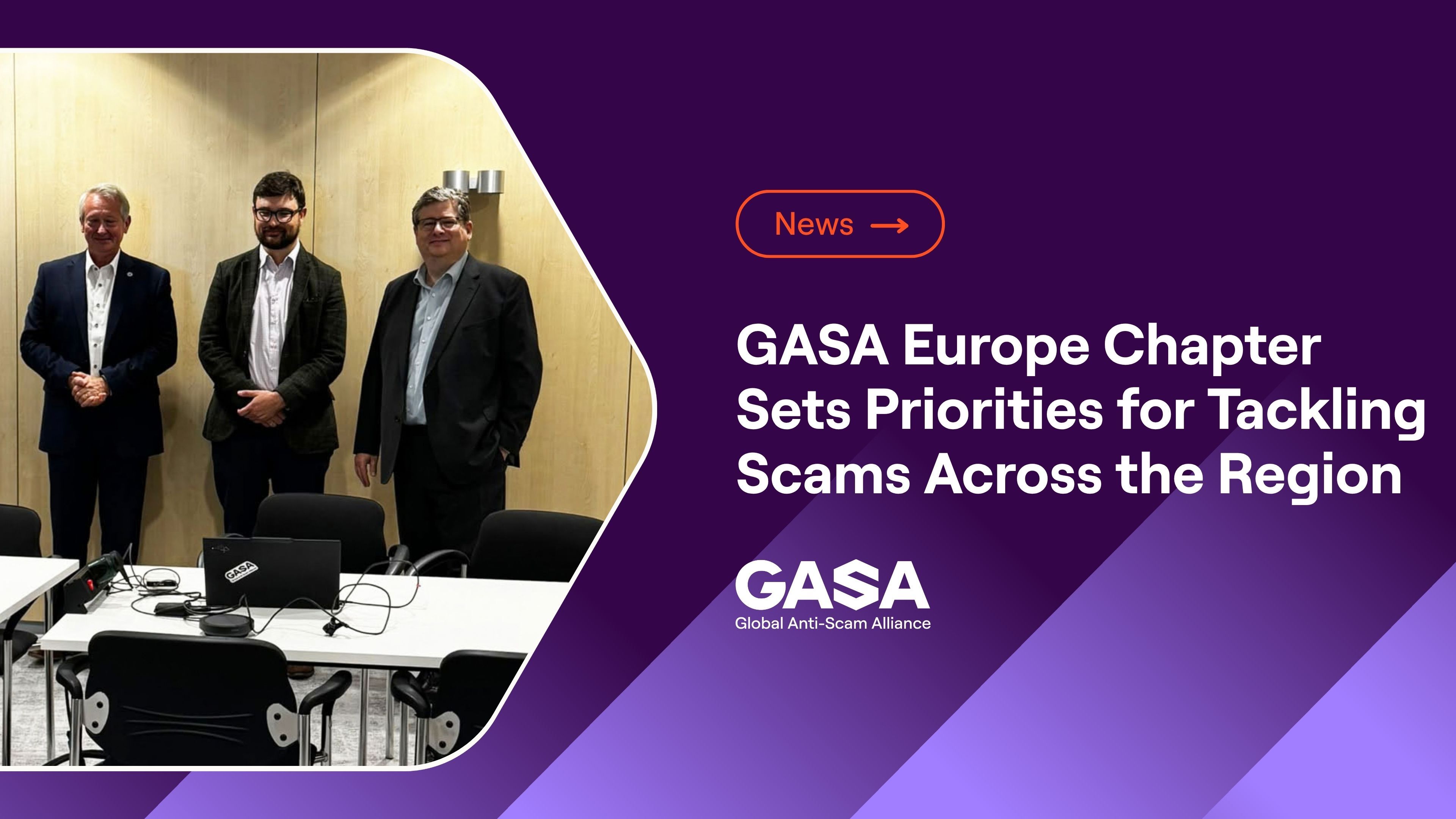
GASA Brings Stakeholders Together in Brussels for First Europe Chapter Meeting
GASA Europe brings 50+ stakeholders together in Brussels to discuss scam trends, data sharing and cross-sector priorities.
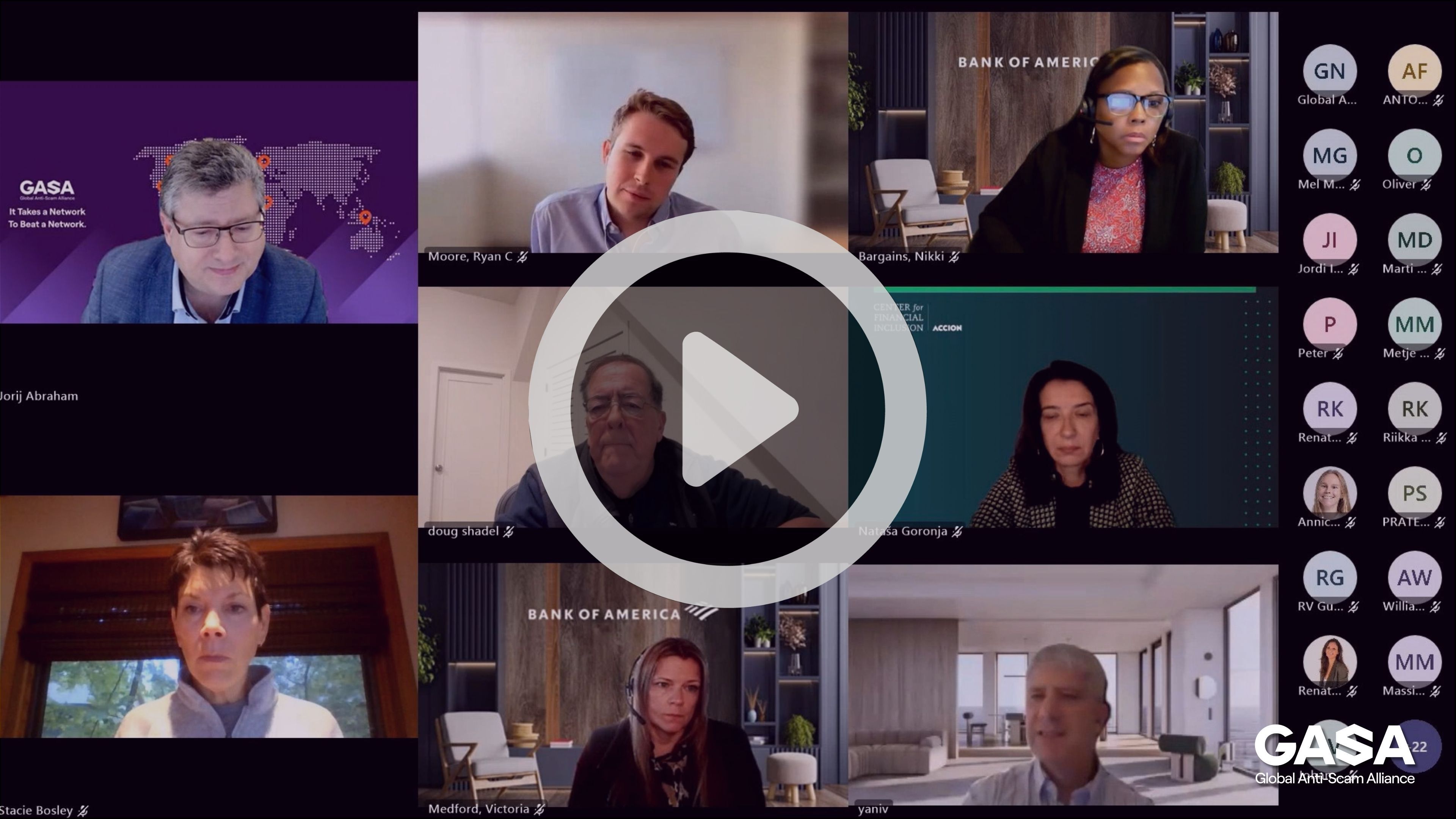
Research Working Group Meeting: Fraudulent Tickets and Robocall Scam Tactics
Research presented to GASA examines consumers’ ability to spot fraudulent tickets and tactics found across 4.49 million scam and spam robocalls.
-2.jpg)
Fighting Fraud Without Borders: Cross-Regional Collaboration in Latin America and Beyond
A roundtable at GASS America examined cross-regional collaboration in Latin America and beyond, focusing on fraud prevention, consumer protection and response.
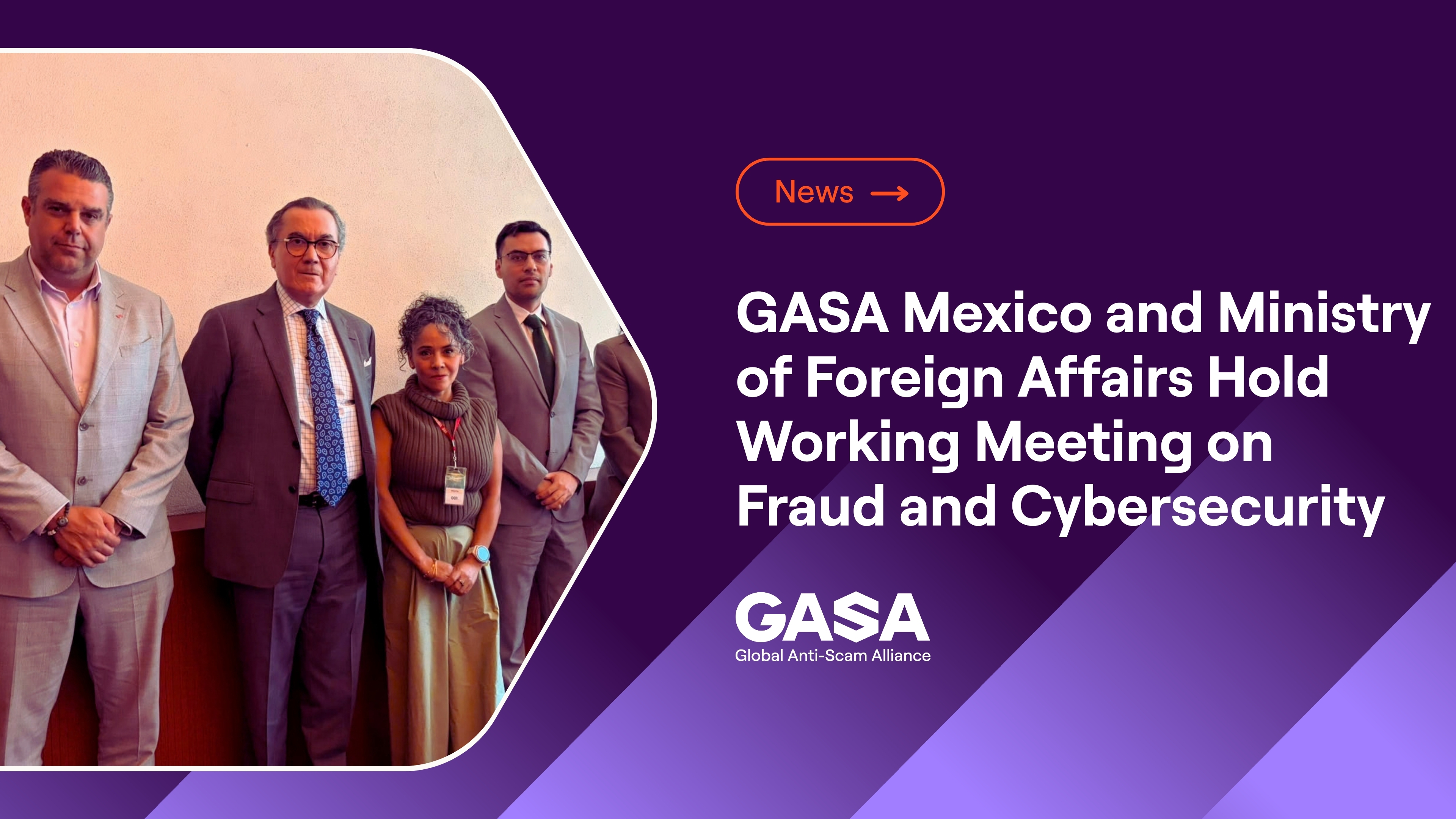
GASA Mexico and the Ministry of Foreign Affairs Hold Working Meeting Ahead of the Chapter’s Annual Forum, “From Coalition to Action”
GASA Mexico and the Ministry of Foreign Affairs convened Mastercard and Scotiabank to discuss fraud, cybersecurity, information sharing and emerging technologies.
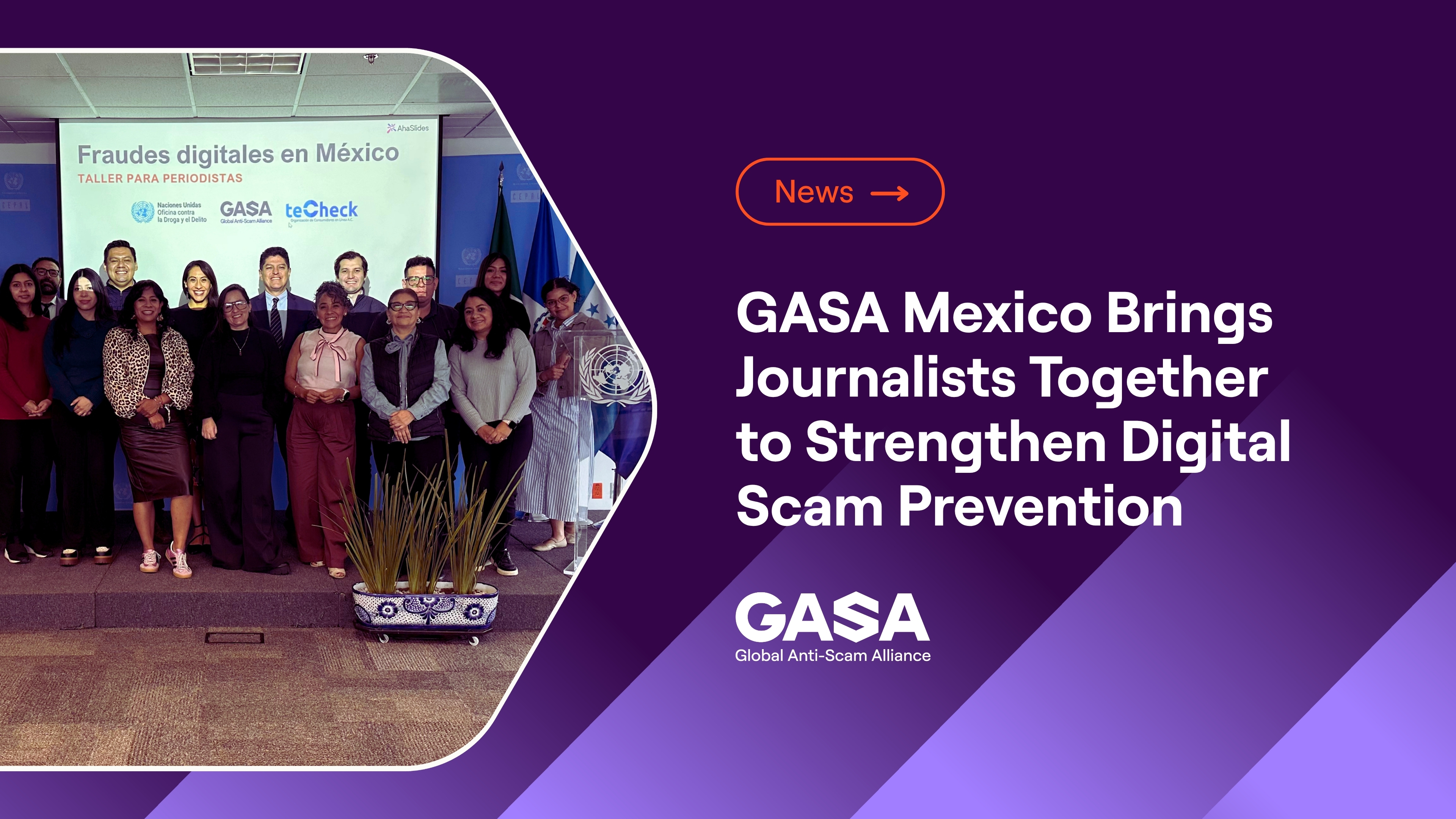
GASA Mexico Workshop Examines the Role of Journalism in Digital Scam Prevention
GASA Mexico brought together journalists and editors to discuss digital scams, victim-centred reporting and the role of media in scam prevention.

Brazil Anti-Scam Forum 2026: Key Takeaways on Strengthening Scam Prevention in Brazil
Key insights from the Brazil Anti-Scam Forum 2026 on scam trends, prevention, intelligence sharing and cross-sector collaboration.