
More than half of adults surveyed in France say they’ve fallen victim
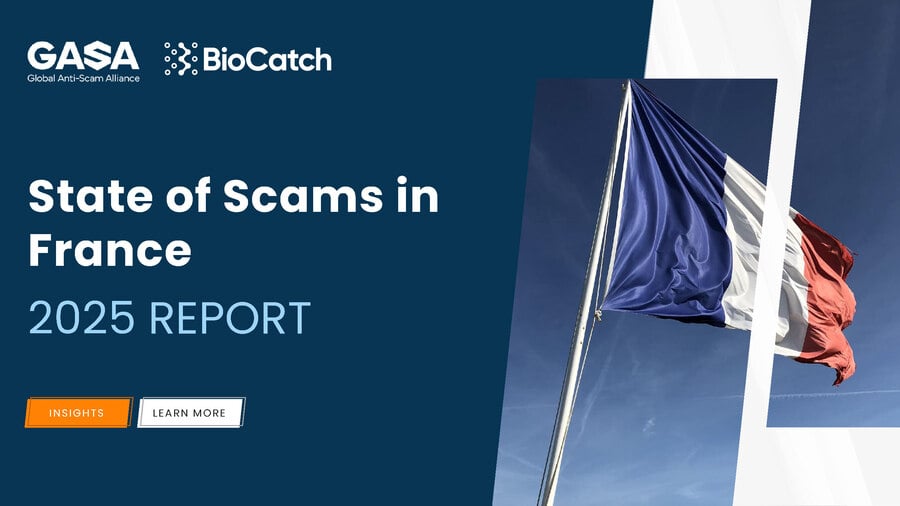
Total scam losses in France totaled €7.6 billion ($8.3 billion) in the last 12 months alone, with the average loss per victim exceeding €750 ($754.90), according to a new survey of 2,000 French adults conducted by the Global Anti-Scam Alliance (GASA) and BioCatch , which prevents financial crime by recognizing patterns in human behavior. More than half of those surveyed (54%) reported falling victim to a scam in the last year. Shopping scams and unexpected money scams (where scammers attempt to convince consumers they’re owed money they have yet to receive) were reported as the most common types of scams victims experienced.
“What we’re seeing in France is that those slower to recognize scams aren’t necessarily older or less educated,” BioCatch Country Manager for France Matthew Platten said, “but rather quite the opposite: Nearly a third of victims are Gen Zers and a significant portion (17%) identify as highly educated. It’s a pattern we’re seeing elsewhere in continental Europe as well, and a reminder that susceptibility to scams isn’t limited to any one group.”
The survey also found the majority (81%) of scam attempts in France in the last 12 months took place on platforms with a direct message function. Gmail (45%), WhatsApp (37%), and Facebook (36%) were reported as the top three platforms on which respondents had encountered at least one scam.
“While 93% of French consumers take steps to protect themselves from scams, many rely on outdated methods like checking for spelling errors,” GASA Managing Director Jorij Abraham said. “The responsibility for scam prevention cannot fall solely on individuals, we need coordinated action from platforms, financial institutions, and authorities to shift the balance back in favor of consumers.”
Other key report findings
Avid reporting: More than 80% of those who said they fell victim to a scam in the last 12 months also said they reported the experience to their payment service provider. Yet, more than a third (35%) of victims said they weren’t able to recover any money.
Some partially refunded: Among scam victims who managed to recover funds, 46% said they were able to recoup at least part of their losses, while 33% reported no ultimate loss.
Children also targeted: A fifth of surveyed parents in France said their children had also been targeted by a scammer in the last year.
More than financial damages: Two-thirds of scam victims in France experienced emotional stress from the ordeal, while 40% said the experience impacted their mental wellbeing.
Click here to access GASA’s complete The State of Scams in France 2025 report
In the video below, GASA Research Manager Jake Emry introduces the State of Scams in France 2025 report and outlines four key priorities: building a centralised reporting and response infrastructure, mandating platform accountability, improving protection for younger users, and enhancing deterrence through stronger law enforcement action.
For full data, analysis, and recommendations, explore the complete report below.
Click here to access GASA’s complete The State of Scams in France 2025 report
About BioCatch
BioCatch prevents financial crime by recognizing patterns in human behavior, continuously collecting more than 3,000 anonymized data points – keystroke and mouse activity, touch screen behavior, physical device attributes, and more – as people interact with their digital banking platforms. With these inputs, BioCatch's machine-learning models reveal patterns in user behavior and provide device intelligence that, together, distinguish the criminal from the legitimate. The company’s Client Innovation Board – an industry-led initiative in partnership with American Express, Barclays, Citi Ventures, HSBC, National Australia Bank, and others – collaborates to pioneer innovative ways of leveraging customer relationships for improved fraud detection. Today, more than 30 of the world's largest 100 banks and 267 total financial institutions deploy BioCatch solutions, analyzing 14.9 billion user sessions per month and protecting 511 million people around the world from fraud and financial crime.
About GASA
The Global Anti-Scam Alliance (GASA ) is a non-profit organization dedicated to protecting worldwide consumers from scams. With more than 100 member organizations, GASA unites governments, law enforcement, consumer protection organizations, financial authorities & providers, brand protection agencies, social media, Internet service providers, and cybersecurity companies in a collaborative environment to share insights, research, and solutions to protect consumers from fraud and scams. Additional information can be found at www.gasa.org .
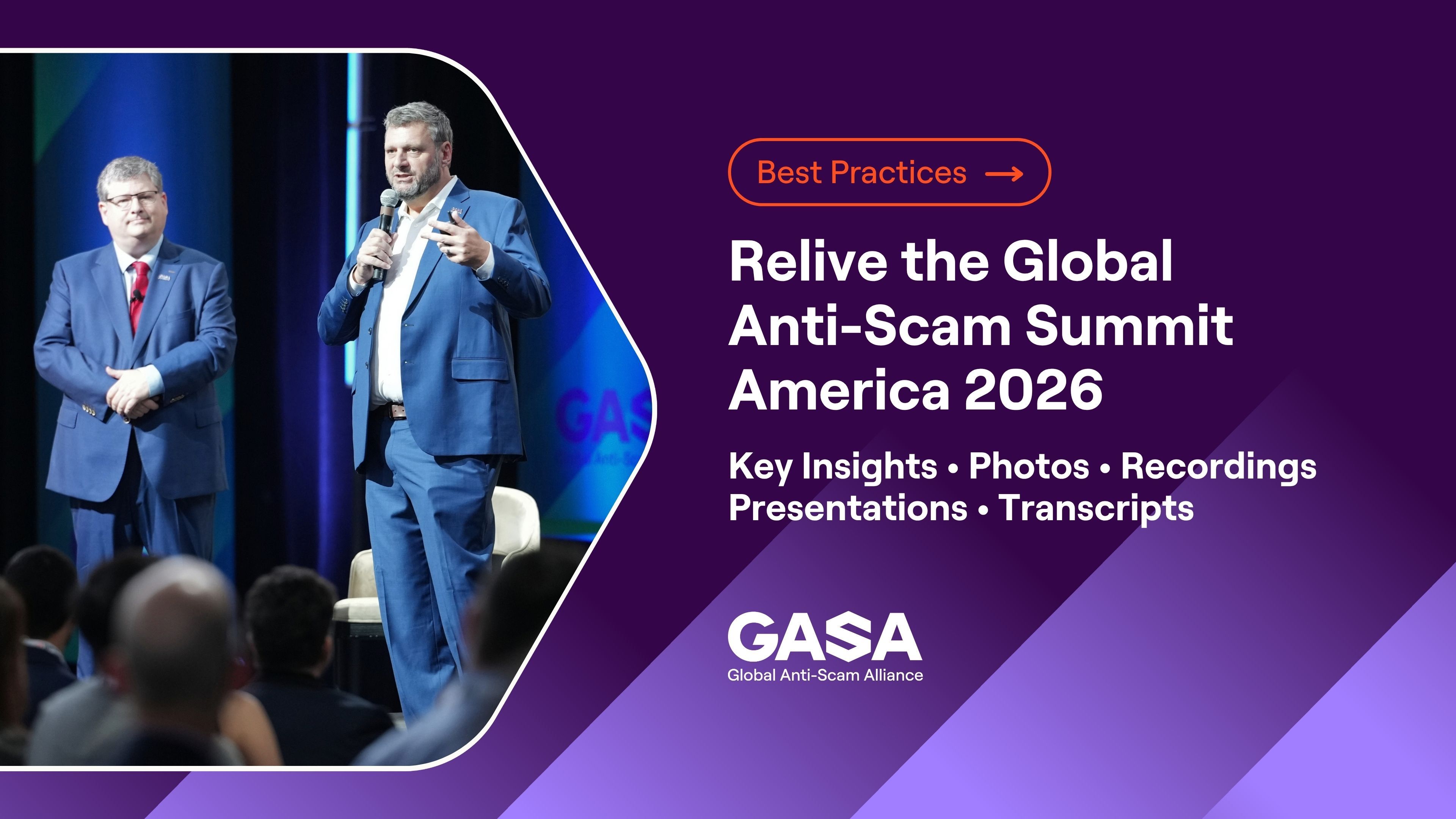
Global Anti-Scam Summit America 2026: Highlights, Insights and Resources
Explore GASS America 2026 highlights and insights, with the Summit summary, photos, presentation slides, transcripts and session recordings from San Francisco.
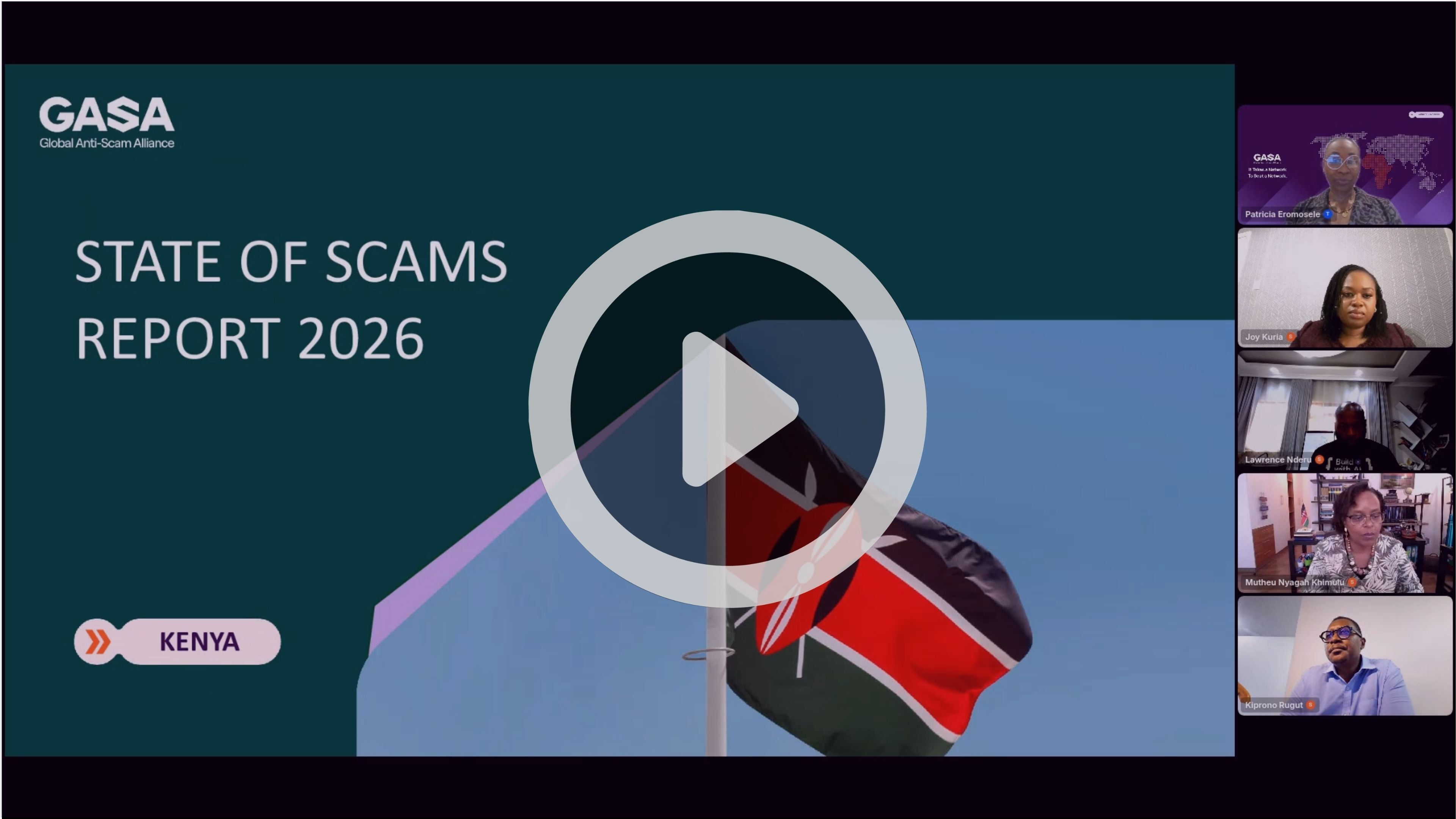
State of Scams in Kenya 2026: A Comparative Review Across Africa
Kenyan experts examine scam trends, data sharing, digital trust and the need for stronger cross-sector prevention.
State of Scams in South Africa 2026: A Comparative Review Across Africa
South African experts examine scam trends, AI, consumer protection and the need for stronger cross-sector collaboration.
-3.jpg)
More than one in five adults in Japan encountered scams in the past year
New State of Scams Japan 2026 report examines how scams are reaching consumers and where stronger prevention and collaboration can make a difference
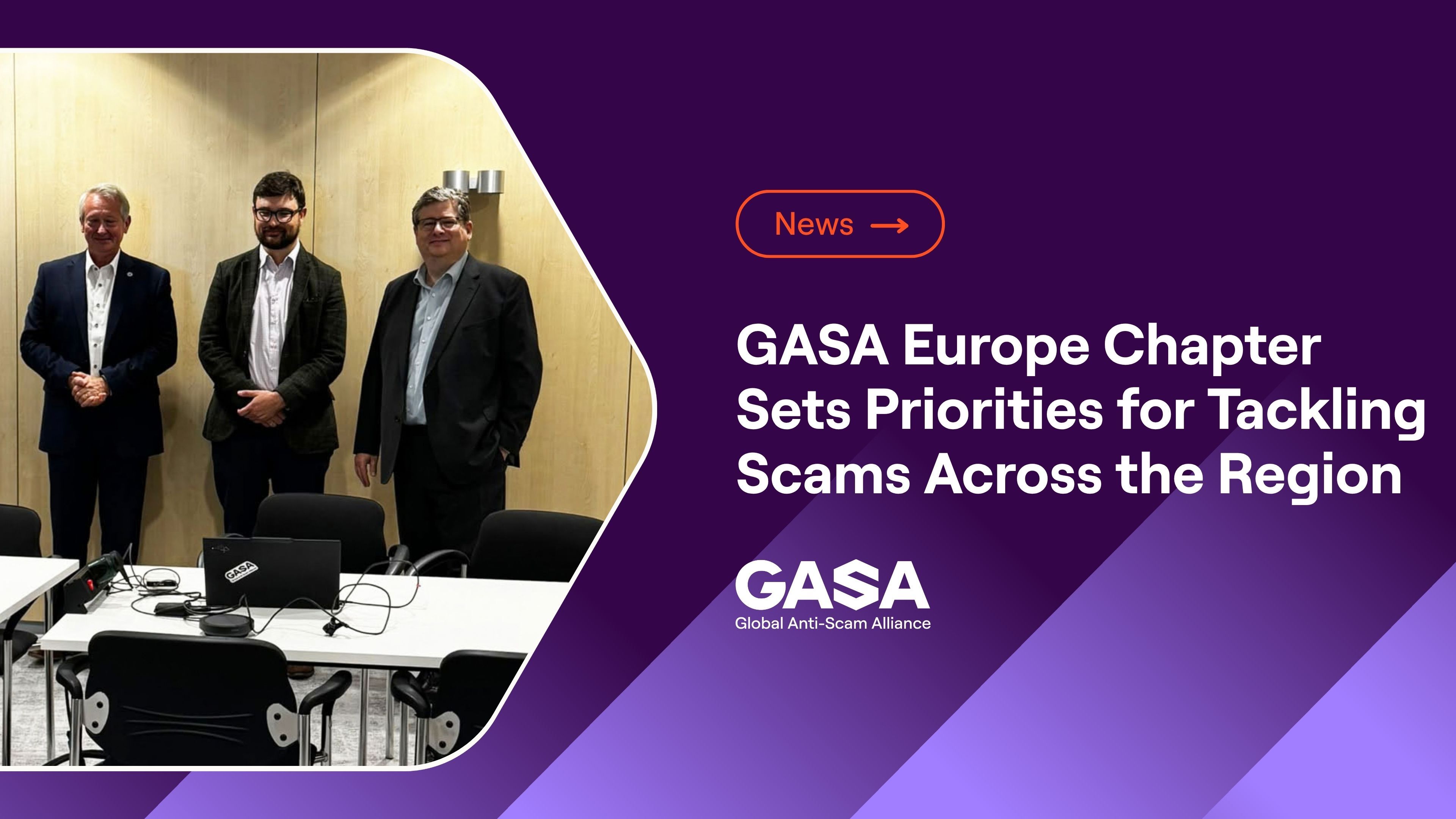
GASA Brings Stakeholders Together in Brussels for First Europe Chapter Meeting
GASA Europe brings 50+ stakeholders together in Brussels to discuss scam trends, data sharing and cross-sector priorities.
Research Working Group Meeting: Fraudulent Tickets and Robocall Scam Tactics
Research presented to GASA examines consumers’ ability to spot fraudulent tickets and tactics found across 4.49 million scam and spam robocalls.
-2.jpg)
Fighting Fraud Without Borders: Cross-Regional Collaboration in Latin America and Beyond
A roundtable at GASS America examined cross-regional collaboration in Latin America and beyond, focusing on fraud prevention, consumer protection and response.
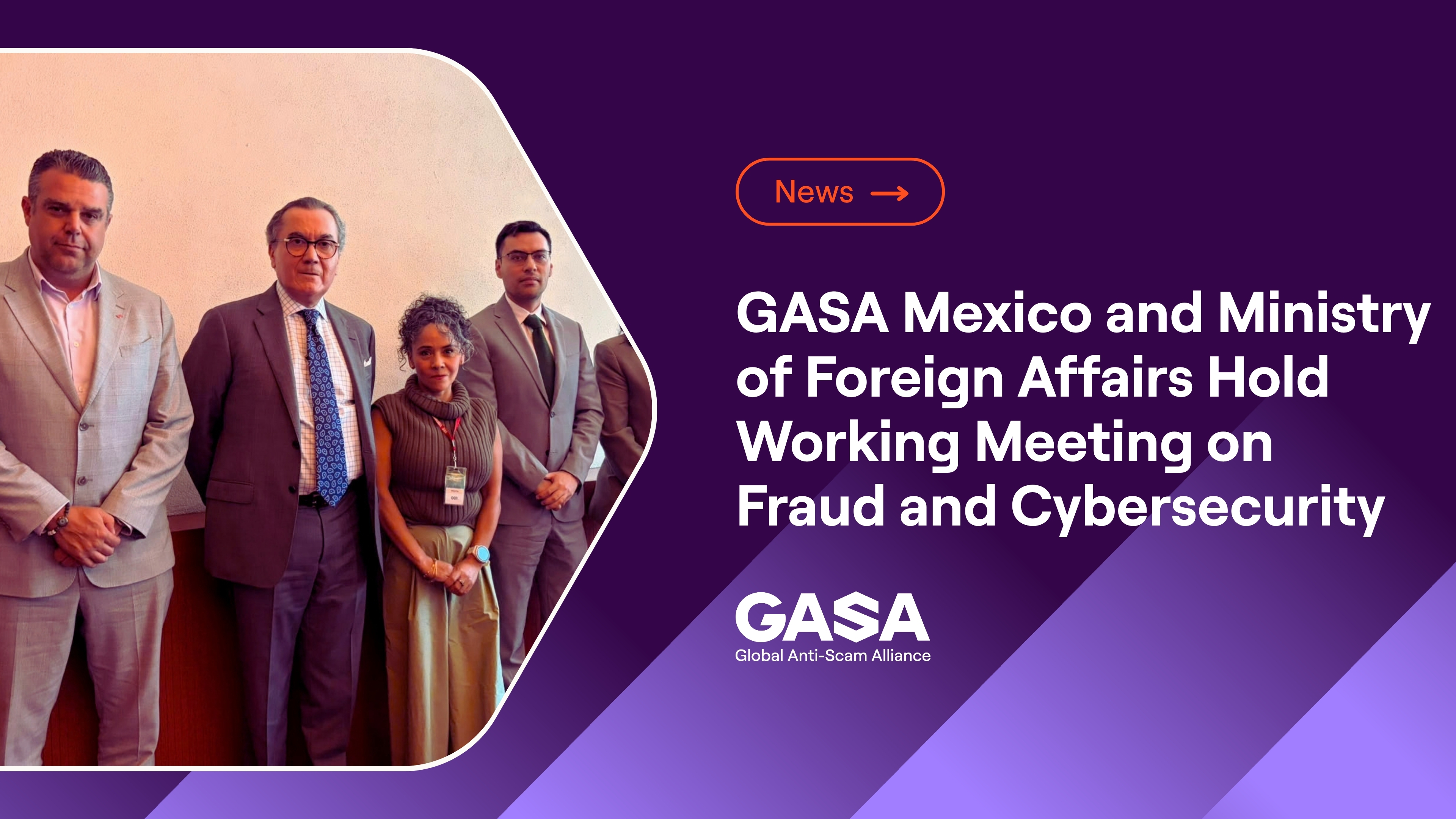
GASA Mexico and the Ministry of Foreign Affairs Hold Working Meeting Ahead of the Chapter’s Annual Forum, “From Coalition to Action”
GASA Mexico and the Ministry of Foreign Affairs convened Mastercard and Scotiabank to discuss fraud, cybersecurity, information sharing and emerging technologies.