

Digital platforms now sit at the centre of how children and adolescents communicate, learn, and spend time online. At the same time, exposure to manipulation, exploitation, and fraud has increased across these environments, with risks embedded not only in content but in how platforms operate. According to the State of Scams in Brazil 2025 Report, individuals in Brazil encounter scams on average every one and a half days, equating to approximately 252 scam attempts per year. This level of exposure reflects how deeply embedded deceptive practices have become across digital environments.
Protecting minors in this context cannot rely on awareness or moderation alone. It increasingly requires platform-level intervention. Brazil’s Digital Statute for Children and Adolescents came into force in March 2026, applying across platforms, applications, games, and other digital services used by minors, and introducing obligations aimed at strengthening safeguards within these systems.
Design and Enforcement
A central aspect of the framework is its focus on platform design. The statute introduces restrictions on manipulative design practices, including features that encourage compulsive use or increase exposure to harm, as well as restrictions on monetisation practices involving children and adolescents. This reflects a recognition that risks are shaped by platform architecture, user flows, and incentive structures, not only by individual pieces of content.
The framework is supported by an expanded role for ANPD, Brazil’s data protection authority, which is responsible for overseeing compliance and setting technical requirements. These obligations are backed by enforcement mechanisms, including significant financial penalties and potential service restrictions, positioning the statute as an operational requirement rather than guidance.
Brazil’s approach sits alongside a broader set of international efforts to strengthen protections for minors online. In the United Kingdom, the Online Safety Act introduces duties on platforms to assess and mitigate risks to children, alongside existing requirements around privacy and design. In Australia, recent legislation focuses on restricting access to certain social media services for users under 16. While these approaches differ in scope, they reflect a shared direction towards increased platform accountability where minors are present.
From Moderation to System Design
These developments point to a shift in how online safety is being addressed. The focus is moving away from reacting to harmful content towards shaping how platforms are designed and operate from the outset.

Measures such as robust age verification systems replacing self-declared age, parental controls, and design restrictions form part of a broader effort to address risk at the level of systems rather than individual incidents.
Implementation and Ongoing Considerations
Age assurance introduces technical and privacy considerations, while platform-level changes may be complex to apply consistently.
Similar measures in other jurisdictions have also faced scrutiny around proportionality, particularly whether measures are appropriate to the level of risk they aim to address, feasibility at scale, and potential unintended consequences, particularly where age verification and data use intersect.
What This Demonstrates
Brazil’s statute illustrates a move towards more comprehensive forms of protection for minors online, combining access controls, design considerations, and enforcement within a single framework.
As digital environments continue to evolve, protecting minors is increasingly linked to how platforms are built, how they function, and the obligations placed on platforms to manage risk and protect users.

State of Scams in Nigeria 2026: A Comparative Review Across Africa
Nigerian experts examine scam trends, technology, consumer protection and the need for stronger cross-sector collaboration.
Nearly three in four Danish adults encountered scams as estimated losses reach DKK 10.1 billion
New State of Scams Denmark 2026 report finds scam exposure is rising, while victims face repeated financial and emotional harm.

Building a More Trusted Digital Philippines: New Report Underscores the Need for Collective Action as Scam Exposure Continues to Rise
GASA’s State of Scams in the Philippines 2026 Report, in collaboration with Mastercard and Gogolook, highlights the growing scale of the scam challenge in the Philippines.
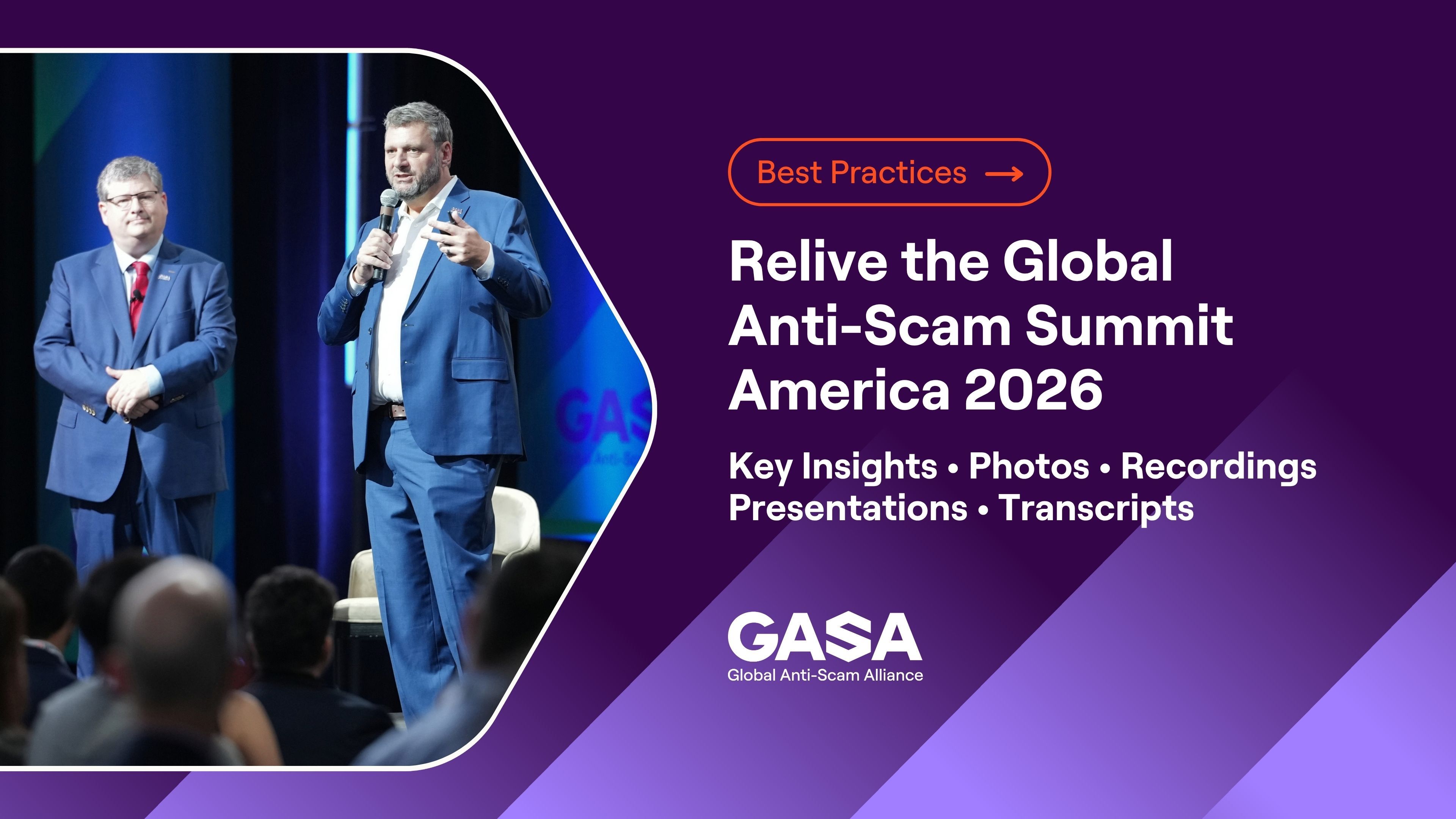
Global Anti-Scam Summit America 2026: Highlights, Insights and Resources
Explore GASS America 2026 highlights and insights, with the Summit summary, photos, presentation slides, transcripts and session recordings from San Francisco.
State of Scams in Kenya 2026: A Comparative Review Across Africa
Kenyan experts examine scam trends, data sharing, digital trust and the need for stronger cross-sector prevention.
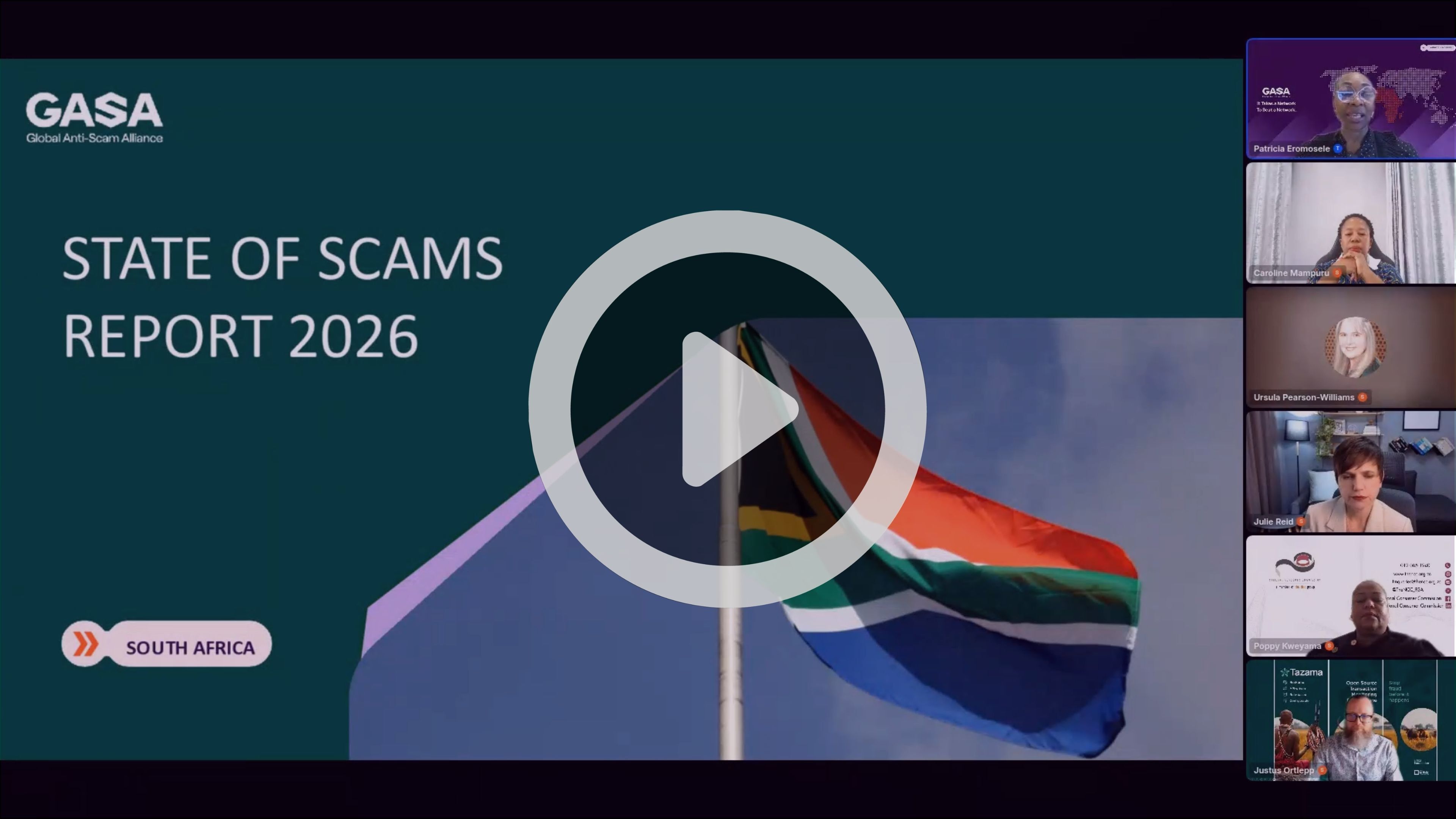
State of Scams in South Africa 2026: A Comparative Review Across Africa
South African experts examine scam trends, AI, consumer protection and the need for stronger cross-sector collaboration.
-3.jpg)
More than one in five adults in Japan encountered scams in the past year
New State of Scams Japan 2026 report examines how scams are reaching consumers and where stronger prevention and collaboration can make a difference

GASA Brings Stakeholders Together in Brussels for First Europe Chapter Meeting
GASA Europe brings 50+ stakeholders together in Brussels to discuss scam trends, data sharing and cross-sector priorities.