Scams increasingly move across platforms, telecoms infrastructure, financial systems and digital services before a victim or institution can respond. In Mexico, this creates a clear prevention challenge: scam activity is coordinated, fast-moving and increasingly supported by technology, while the response remains divided across sectors, regulators and reporting pathways.
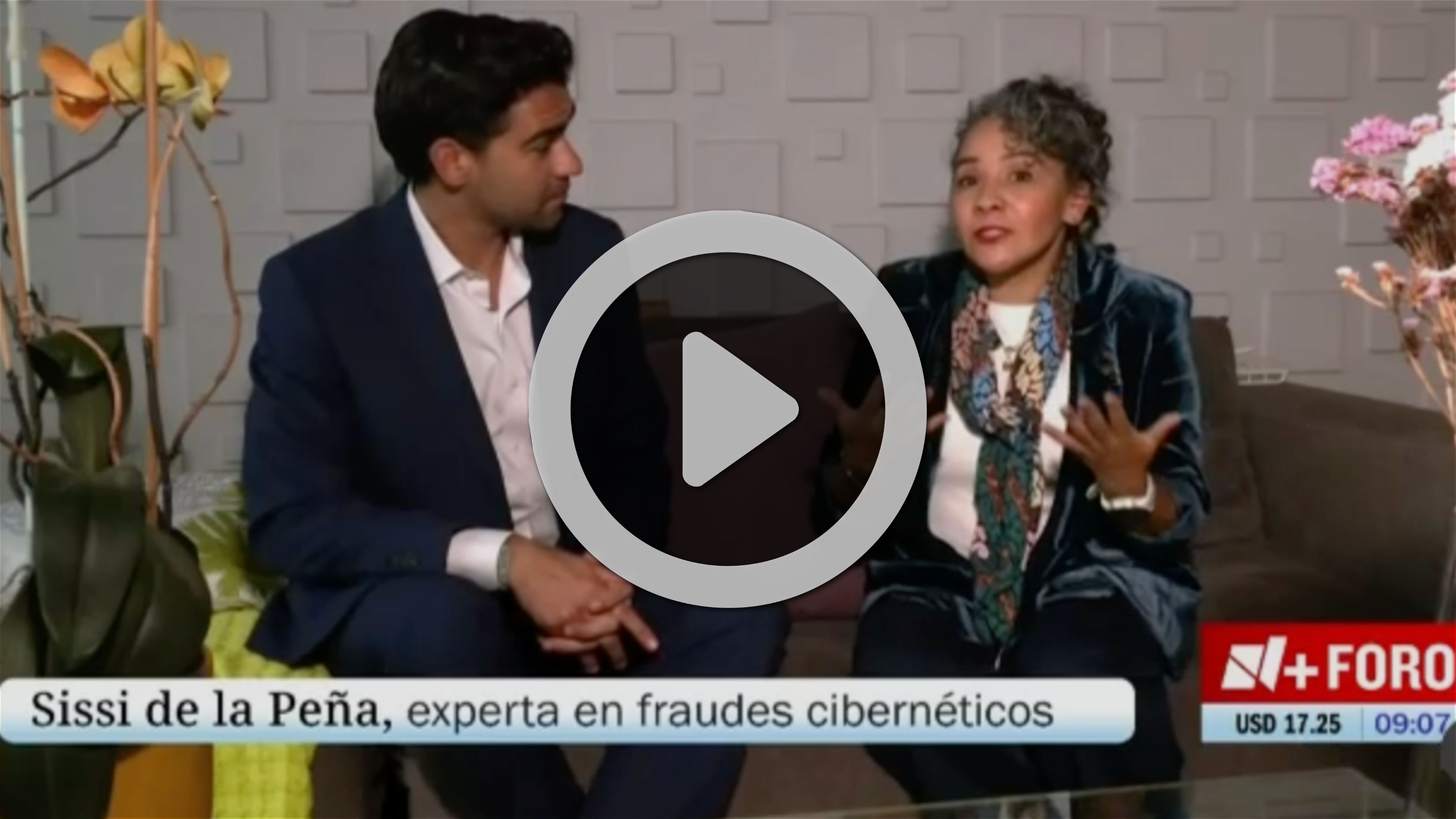
In a recent Core Financiero podcast, Sissi De La Peña, Director of the GASA Mexico Chapter, discussed why scam prevention cannot be treated as a financial-sector issue alone. The conversation explored how social engineering, digital profiling, artificial intelligence and rapid money movement are combining to create a wider risk for consumers, institutions and the digital economy.
The full podcast is available on Spotify and YouTube below.
Scams Exploit Fragmented Systems
Many scams begin long before money leaves a bank account. A criminal may first identify a target through social media, online behaviour or digital marketplaces. The victim may then receive a personalised message through SMS, a messaging app, email or another channel. Once trust is established, the fraud can move quickly into the financial system, with funds transferred through mule accounts, cryptocurrency or other payment channels.
This makes fragmentation a core vulnerability. Financial institutions, telecom providers, digital platforms, law enforcement agencies and regulators may each see part of the scam chain, but no single organisation has the full picture. When information is delayed, restricted or held in silos, criminals can move faster than the systems designed to stop them.
Sissi highlighted that this challenge is not only technical. It is also regulatory and institutional. Data is often treated as static, while scam activity changes constantly. The response therefore needs to reflect the speed and fluidity of the threat.
A Networked Threat Requires a Networked Response
The discussion reinforced a central principle of GASA’s work: a network is needed to fight a network. Scam operations are organised across tools, sectors and borders, so prevention efforts need to connect public authorities, private companies, civil society, academia and communication professionals.
For Mexico, this means bringing together the sectors most directly involved in the scam lifecycle:
- Financial institutions see the movement of funds and the impact on victims.
- Telecom providers can help identify abusive messaging, spoofing and suspicious communication patterns.
- Digital platforms are often where profiling, impersonation, deceptive advertising or recruitment begins.
- Government and law enforcement are needed to coordinate reporting, investigation and accountability.
- Civil society, academia and media can support awareness, research, victim-centred communication and public trust.
No single sector can solve the problem independently. The practical value of coordination is that it allows signals to be connected earlier, patterns to be identified faster and prevention measures to be designed around how scams actually operate.
The Cost of Inaction Is Economic and Social
During the podcast, Sissi cited GASA’s State of Scams in Mexico research, which identified 139 billion pesos in scam losses in Mexico in 2025. The scale of these losses shows that scams are not isolated consumer incidents. They represent a broader economic and social challenge, affecting trust in digital services, confidence in financial systems and the ability of consumers to safely participate in the digital economy.
The impact also extends beyond direct financial loss. Scam victims may face shame, emotional distress, debt, coercion or wider forms of exploitation. This is why prevention strategies must avoid blaming victims and instead recognise that modern scam tactics are designed to manipulate trust, urgency and personal context.
Three Priorities for Stronger Scam Prevention
The podcast discussion pointed to three areas where coordinated action can strengthen Mexico’s anti-scam response.
Public Policy and Regulatory Alignment
Scam prevention requires rules and frameworks that allow relevant information to be shared safely and responsibly. This is especially important when different parts of the scam chain sit under different regulatory models. Financial services may be highly regulated, telecoms may follow a separate framework and digital platforms may operate under different obligations.
A stronger national anti-scam agenda would help clarify where coordination should sit, which actors need to participate and how information can move between sectors while respecting privacy, security and due process.
Communication and Digital Education
Public communication is another core part of scam prevention. Consumers need practical, accessible guidance that reflects real scam tactics rather than technical jargon. Awareness efforts also need to avoid revictimising people who have been deceived.
When victims feel blamed or embarrassed, they are less likely to report what happened. That makes scams harder to identify, track and disrupt. Effective communication should therefore encourage reporting, normalise caution and make clear that anyone can be targeted.
Practical Tools and Implementation
Beyond policy and awareness, scam prevention depends on practical tools and projects that help people make safer decisions. This includes reporting channels, detection tools, consumer-facing guidance and collaborative pilots that allow sectors to test new forms of information sharing and response.
GASA’s role in Mexico is to help convene these actors, support research and connect practical initiatives that can reduce fragmentation across the ecosystem.
Looking to contribute to collaborative anti-scam initiatives? GASA Working Groups bring members together to develop practical, real-world solutions.
Building a More Coordinated Anti-Scam Ecosystem
The Core Financiero discussion shows why scam prevention needs to move from isolated action to coordinated response. Scams are not confined to one sector, one platform or one moment in the victim journey. They move across digital, financial and communications infrastructure, exploiting gaps between institutions.
Mexico’s anti-scam response will be stronger when the organisations that see different parts of the problem can work from a shared understanding of the threat. That means aligning policy, improving communication, strengthening reporting and building practical mechanisms for collaboration.
The lesson is clear: when scam networks operate across sectors, prevention must do the same.
Sign up to the GASA newsletter for regular updates on scam prevention, research, and best practices.


-2.jpg)