
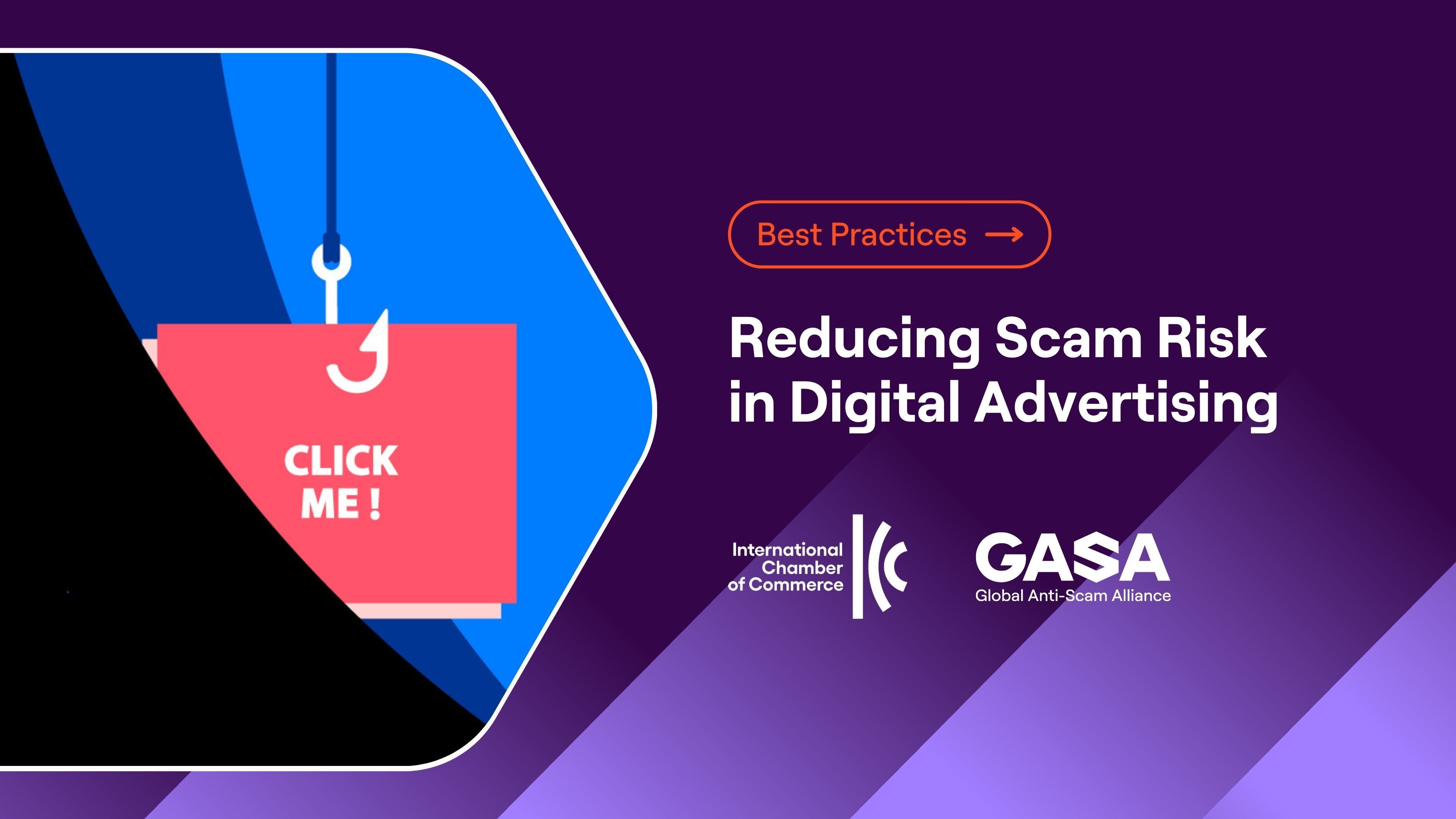
Scam advertising has become a significant entry point into online fraud, enabling criminals to misuse digital advertising to target victims across the world at scale. Criminals exploit all the tools of the modern legitimate marketing industry to impersonate legitimate brands, identify potential victims and engage them in a scam. The time has come for collective action across the industry to kick scammers off these platforms and restore trust in digital advertising.
This is why the International Chamber of Commerce and the Global Anti-Scam Alliance have published a best practices framework for combating scam advertising. The framework provides practical guidance for platforms, agencies, advertisers, policymakers and enforcement bodies, with a focus on proportionate safeguards, risk-based advertiser verification, transparency, reporting and cross-sector collaboration.
We recognise that we cannot tackle scam advertising by takedowns alone. By the time a deceptive ad is reported or removed, users may already have been redirected to cloned websites, off-platform messaging channels or fraudulent payment journeys. Prevention therefore requires earlier intervention across the advertising ecosystem, supported by stronger verification including Know Your Customer checks, as well as continuous monitoring and better cross-industry information sharing.
Applying Risk-Based Advertiser Verification
Risk-based verification is the central recommendation in the framework. This approach recognises that the same advertising systems misused by scammers are also used by millions of legal businesses, including small and medium-sized enterprises. This means that prevention mechanisms against criminals need to be robust but also proportionate to minimise friction for legitimate actors.
Rather than applying the same level of friction to every advertiser, we recommend platforms assess risk and apply stronger checks where there are indicators of potential harm or where potential impact is higher. Initial trust assessments can help identify advertisers that may require enhanced verification before their ads are allowed to run. However, continuous risk assessment and human oversight are critical.
The framework also identifies the need for additional safeguards in high-risk sectors. In financial services advertising, for example, platforms may need to confirm whether an advertiser is authorised by the relevant regulator and listed on the appropriate register. We recommend that platforms additionally draw on reliable external signals from regulators, law enforcement, industry bodies and other trusted partners, where legally available. At the same time, where those external actors can strengthen the quality and volume of the signals they are able to give to the advertising sector, augmented by effective user reporting this will help strengthen defences against scams.
Why Scam Advertising Requires a Wider Prevention Approach
The framework highlights the importance of continuously strengthening the safety features. Verification can help protect the front door of the advertising ecosystem, but scammers also exploit weak account security, compromised credentials and technical gaps after accounts have been created. These should also include measures to tackle account takeover and destination URL monitoring. Similarly, transparency frameworks can aid users and researchers to best tackle scams in digital advertising.
Additionally, collaboration across the industry is fundamental - effective data sharing is critical to prevent criminals identifying and exploiting weak points in the industry’s defences. This requires joint action from both the industry but also legislators and regulators to ensure that this happens as effectively as possible, ensuring consumer privacy is maintained without undermining their safety.

What the Framework Demonstrates
The framework shows that combating scam advertising requires layered, proportionate and collaborative safeguards. No single control can prevent all scam ads, but stronger verification, continuous monitoring, account security, transparency, reporting and intelligence sharing can reduce the ability of scammers to misuse the advertising ecosystem.
For legitimate advertisers, proportionality remains important. Stronger checks should focus on higher-risk advertisers, sectors and behaviours, while preserving reasonable access for businesses that use digital advertising responsibly.
For users, earlier prevention can reduce the risk that a deceptive ad becomes the first step in a wider scam journey. For the wider ecosystem, the framework provides a practical reference for strengthening trust, improving coordination and supporting more consistent preventive action across markets.

Accra Trust & Safety Workshop Turns Collaboration into Action Against Scams and Fraud in West Africa
GASA Africa Chapter and Google South Africa brought anti-fraud leaders together to strengthen cross-border cooperation and scam prevention.
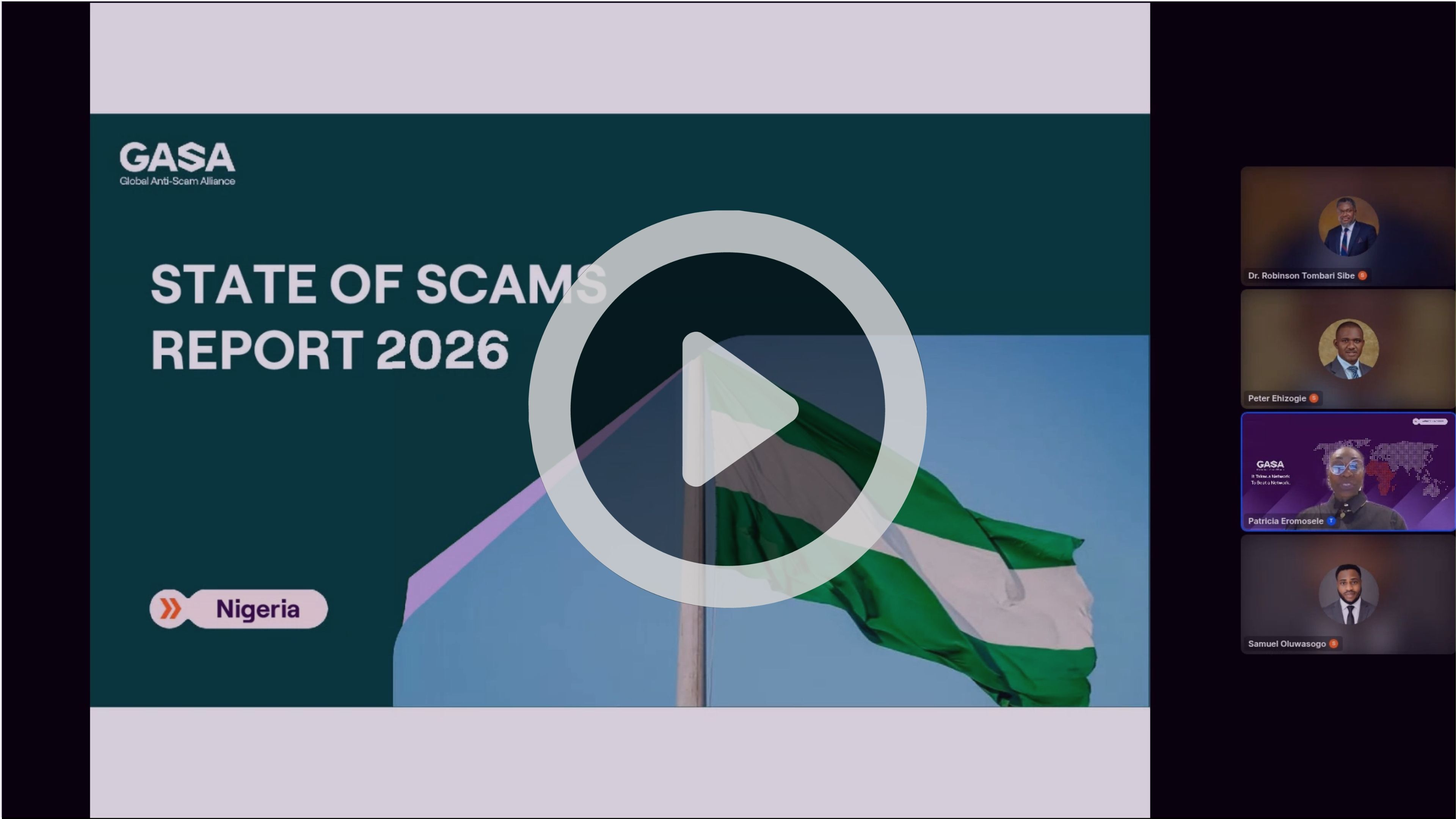
State of Scams in Nigeria 2026: A Comparative Review Across Africa
Nigerian experts examine scam trends, technology, consumer protection and the need for stronger cross-sector collaboration.
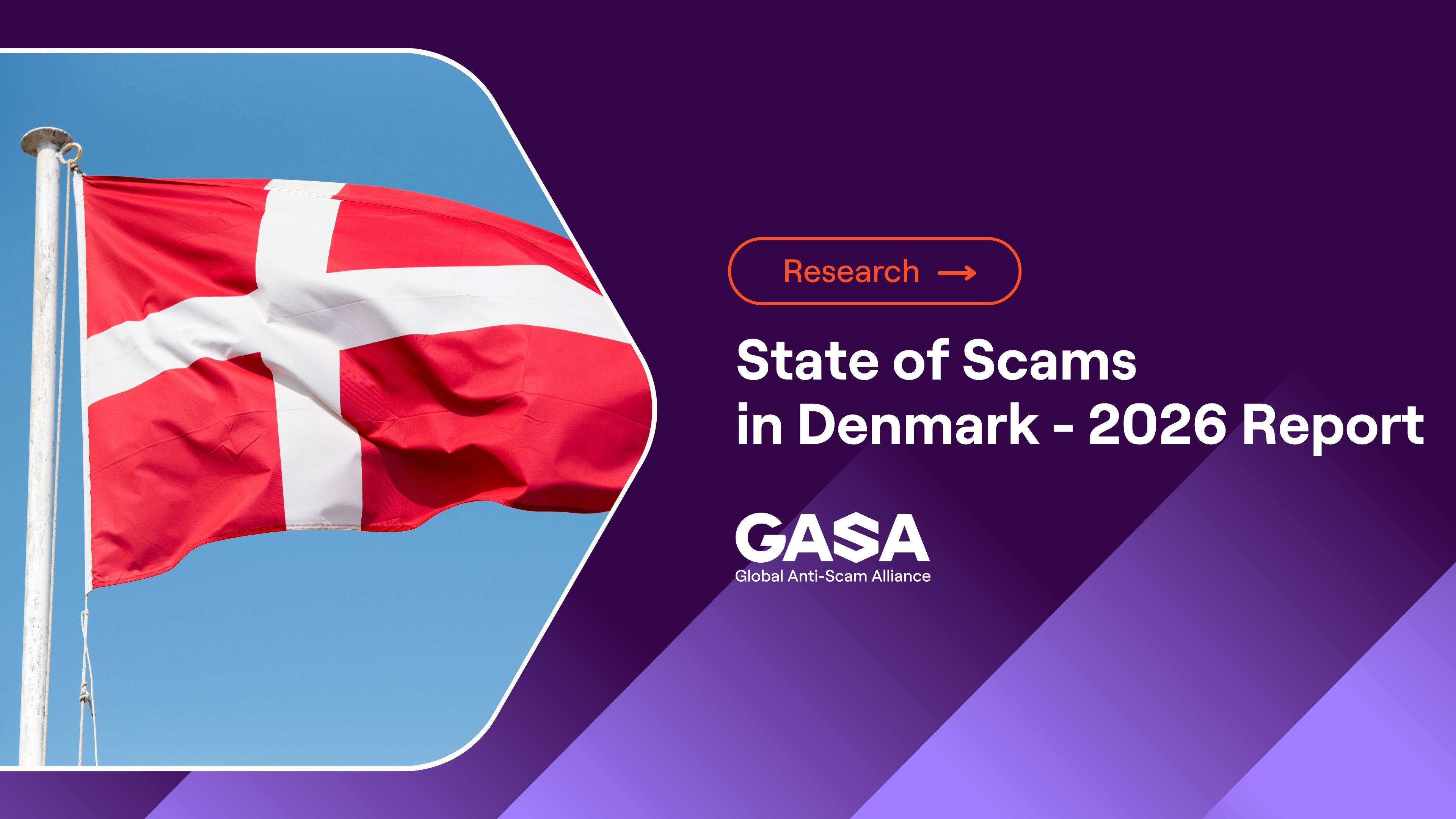
Nearly three in four Danish adults encountered scams as estimated losses reach DKK 10.1 billion
New State of Scams Denmark 2026 report finds scam exposure is rising, while victims face repeated financial and emotional harm.
Building a More Trusted Digital Philippines: New Report Underscores the Need for Collective Action as Scam Exposure Continues to Rise
GASA’s State of Scams in the Philippines 2026 Report, in collaboration with Mastercard and Gogolook, highlights the growing scale of the scam challenge in the Philippines.
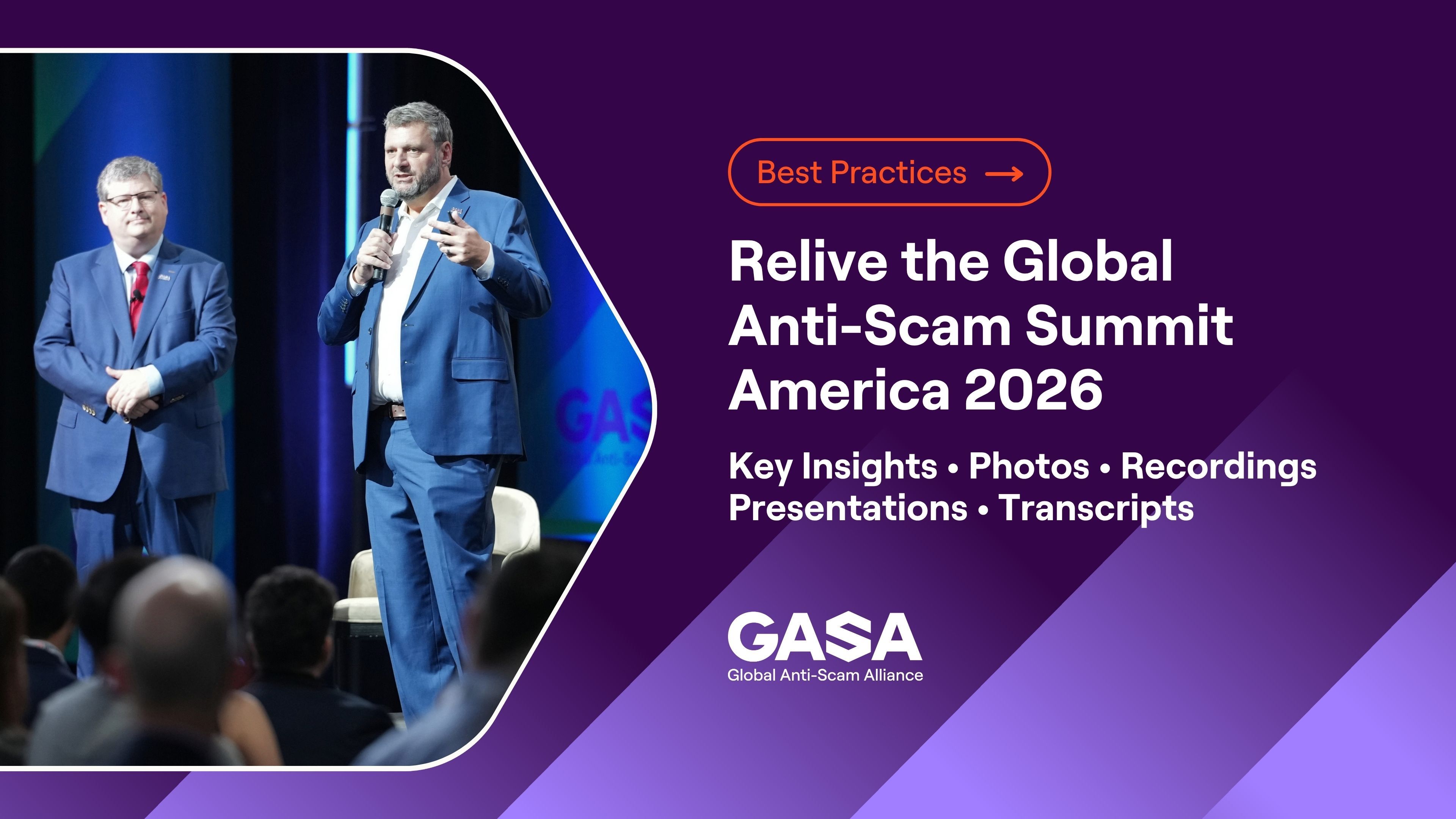
Global Anti-Scam Summit America 2026: Highlights, Insights and Resources
Explore GASS America 2026 highlights and insights, with the Summit summary, photos, presentation slides, transcripts and session recordings from San Francisco.
State of Scams in Kenya 2026: A Comparative Review Across Africa
Kenyan experts examine scam trends, data sharing, digital trust and the need for stronger cross-sector prevention.
State of Scams in South Africa 2026: A Comparative Review Across Africa
South African experts examine scam trends, AI, consumer protection and the need for stronger cross-sector collaboration.
-3.jpg)
More than one in five adults in Japan encountered scams in the past year
New State of Scams Japan 2026 report examines how scams are reaching consumers and where stronger prevention and collaboration can make a difference