
Spam calls have been a menace in society for as long as we can remember, causing frustration and concern. This has led to caller ID services such as TrueCaller and Gogolook’s WhosCall , which have been a welcome addition in the battle to identify calls but a drop in the ocean of spam calls. In response to this ongoing challenge, AT&T has taken a notable step by introducing a new service designed to assist individuals in managing the overwhelming volume of spam calls.
Enter branded calls. This initiative permits businesses to make branded calls, to provide users with a clearer way to identify legitimate calls amidst the rising issue of robocalls in the United States. Over the past decade, the surge in complaints about telemarketing calls to the Federal Trade Commission has underscored the pressing need for effective solutions, making AT&T's innovative approach a timely and significant development.
How Do Branded Calls Work?
Upon opting into the program, businesses calling AT&T wireless customers will have their brand name and logo displayed on the recipient's phone. To enroll for this feature, businesses must sign up for ‘TruContact Branded Call Display.’ Additionally, they must do so through TransUnion, a credit reporting agency, to ensure their numbers aren’t illegally spoofed.
Here, calls using the STIR/SHAKEN framework which is the acronym for the Secure Telephone Identity Revisited (STIR) and Signature-based Handling of Asserted Information Using toKENs (SHAKEN). This protocol, a must-have by the Federal Communications Commission , helps protect users against impersonation callers.
For AT&T customers using Android phones, the introduction of branded calls is seamless. The logos of verified businesses will be displayed during incoming calls and in call details for missed calls. However, customers on other operating systems will need to ensure their phone is either unlocked or has facial recognition enabled to receive these visually identified calls.
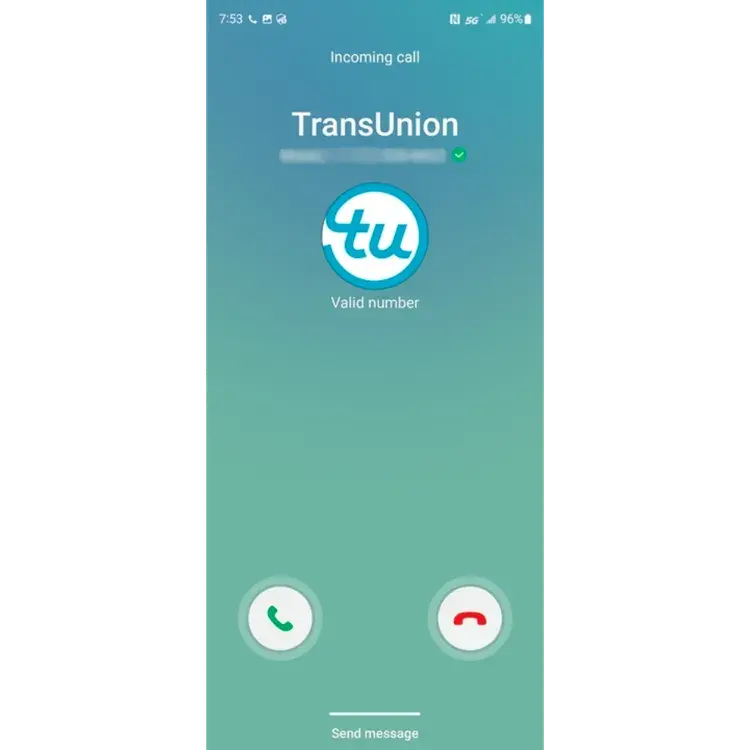
Source: TransUnion
Collaboration with Industry Leaders for Enhanced Security
A Noteworthy partner in this venture is Neustar , which was acquired by TransUnion in 2021 , a company maintaining a central database of US phone numbers. Neustar's involvement adds an extra layer of security and compliance with anti-spoofing measures.
Erin Scarborough, AT&T's Senior Vice President of Mass Markets Product Management notes, “Our customers will be able to connect with greater confidence to the brands they may want or need to connect with.”
The Double-Edged Sword of Visual Trust
While the visual aspect of branded calls intends to instill confidence in users connecting with trusted brands, it also opens the door to a new level of deception. As users become accustomed to associating specific logos with legitimacy, scammers may exploit this familiarity, posing an unforeseen threat to the unsuspecting recipients.
Parting Shot: Paving the Way for Industry-wide Adoption?
In light of AT&T's pioneering move to combat robocalls with branded calls, the question emerges: Can other telephone companies follow suit and implement a similar feature? The effectiveness and security of such initiatives depend on the industry's collective commitment to robust anti-spoofing measures and continuous innovation.
Of course, AT&T call branding isn’t that new as other services such as Hiya have been in the market for a while. Hiya, which is built into Samsung phones, has been branding calls and blocking known spam numbers. Though not perfect, with features such as autoblocking which can block legit numbers, it still gives users a better chance against scammers.
As consumers demand enhanced protection against scam calls, the success of AT&T's branded calls may prompt other telecommunications providers to explore and adopt comparable visual identification solutions. However, the industry must balance the quest for innovation with a rigorous commitment to security, ensuring that new features do not inadvertently create avenues for exploitation by malicious actors.
Accra Trust & Safety Workshop Turns Collaboration into Action Against Scams and Fraud in West Africa
GASA Africa Chapter and Google South Africa brought anti-fraud leaders together to strengthen cross-border cooperation and scam prevention.
State of Scams in Nigeria 2026: A Comparative Review Across Africa
Nigerian experts examine scam trends, technology, consumer protection and the need for stronger cross-sector collaboration.
Nearly three in four Danish adults encountered scams as estimated losses reach DKK 10.1 billion
New State of Scams Denmark 2026 report finds scam exposure is rising, while victims face repeated financial and emotional harm.
Building a More Trusted Digital Philippines: New Report Underscores the Need for Collective Action as Scam Exposure Continues to Rise
GASA’s State of Scams in the Philippines 2026 Report, in collaboration with Mastercard and Gogolook, highlights the growing scale of the scam challenge in the Philippines.
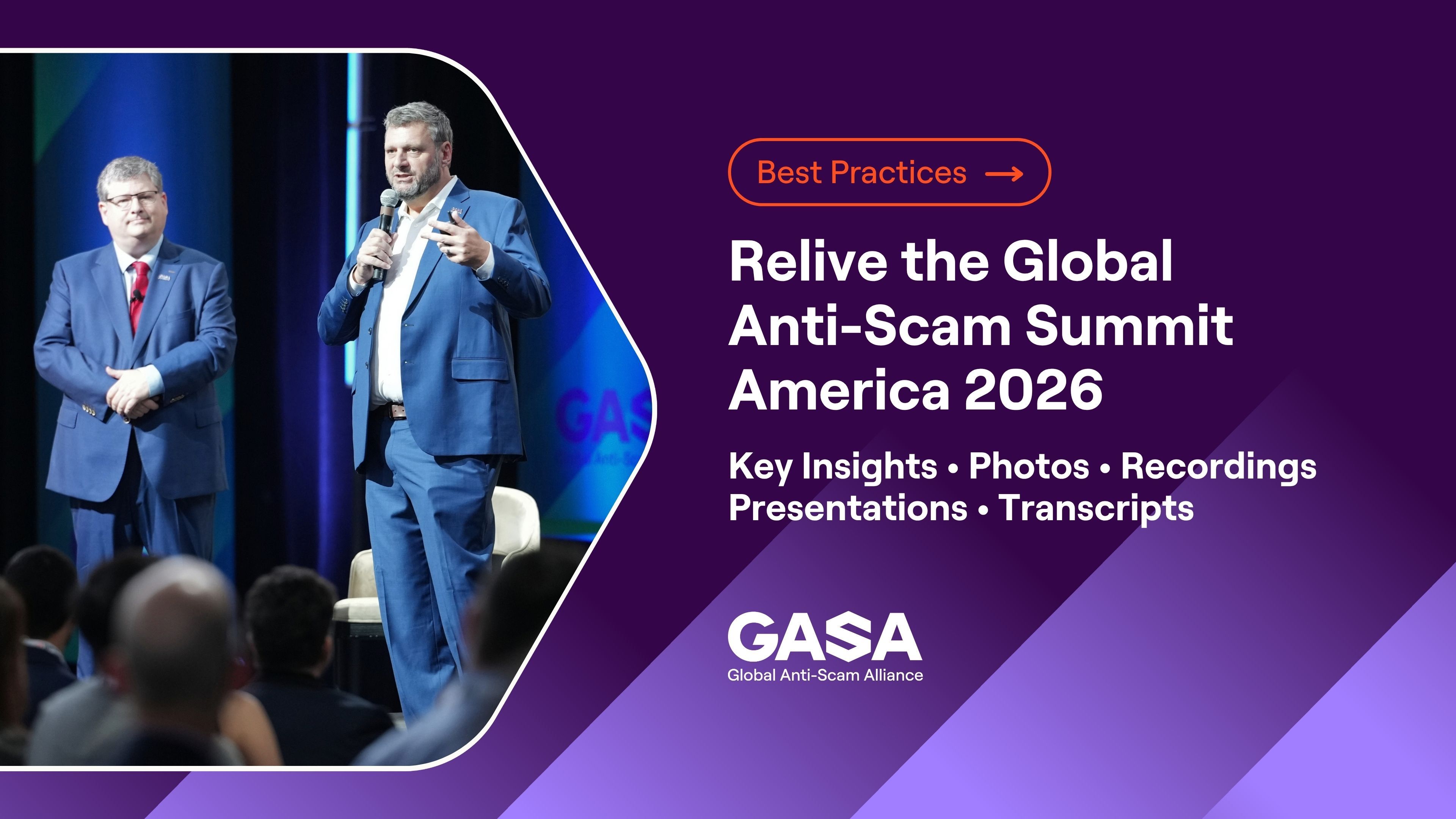
Global Anti-Scam Summit America 2026: Highlights, Insights and Resources
Explore GASS America 2026 highlights and insights, with the Summit summary, photos, presentation slides, transcripts and session recordings from San Francisco.
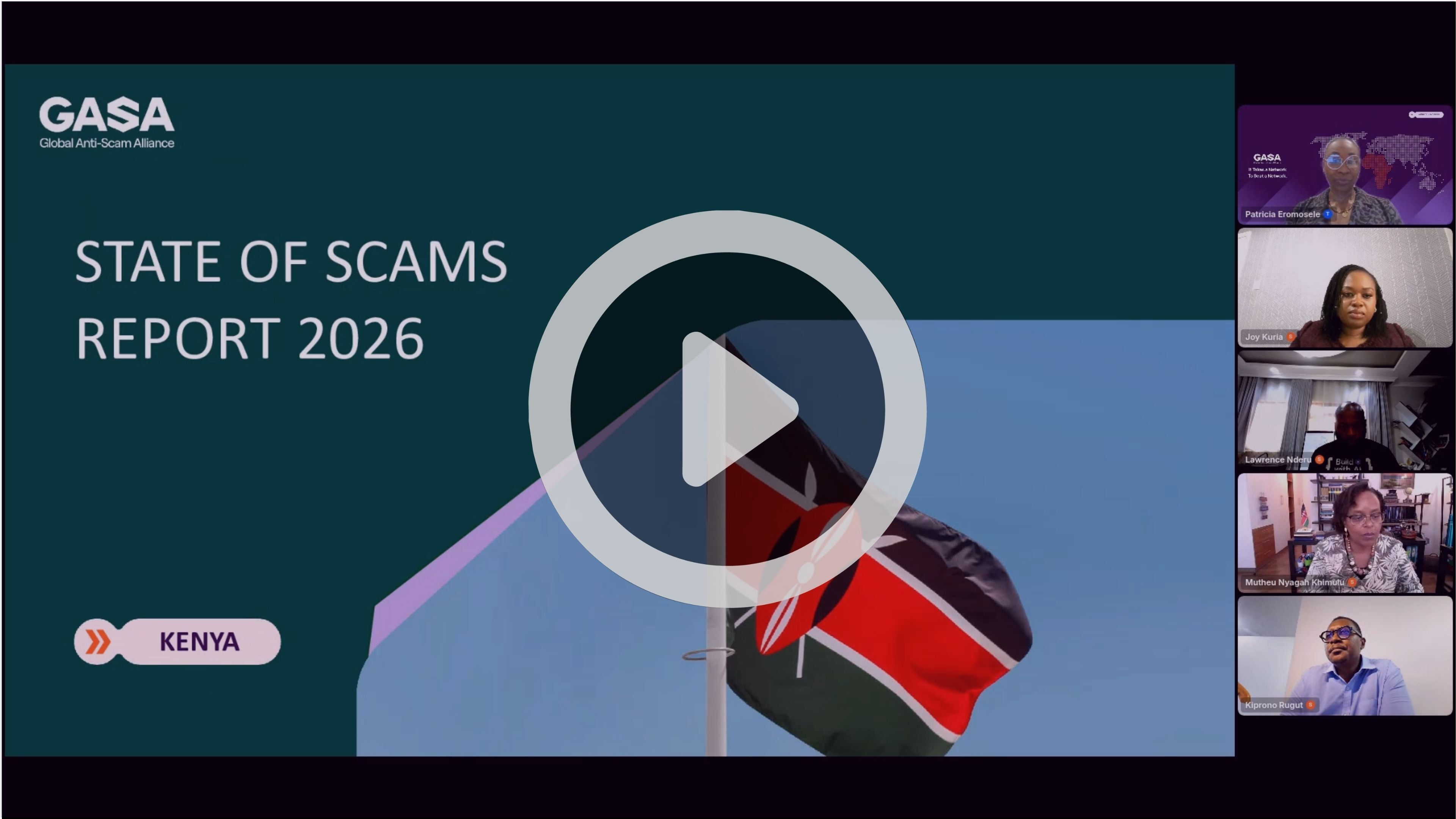
State of Scams in Kenya 2026: A Comparative Review Across Africa
Kenyan experts examine scam trends, data sharing, digital trust and the need for stronger cross-sector prevention.
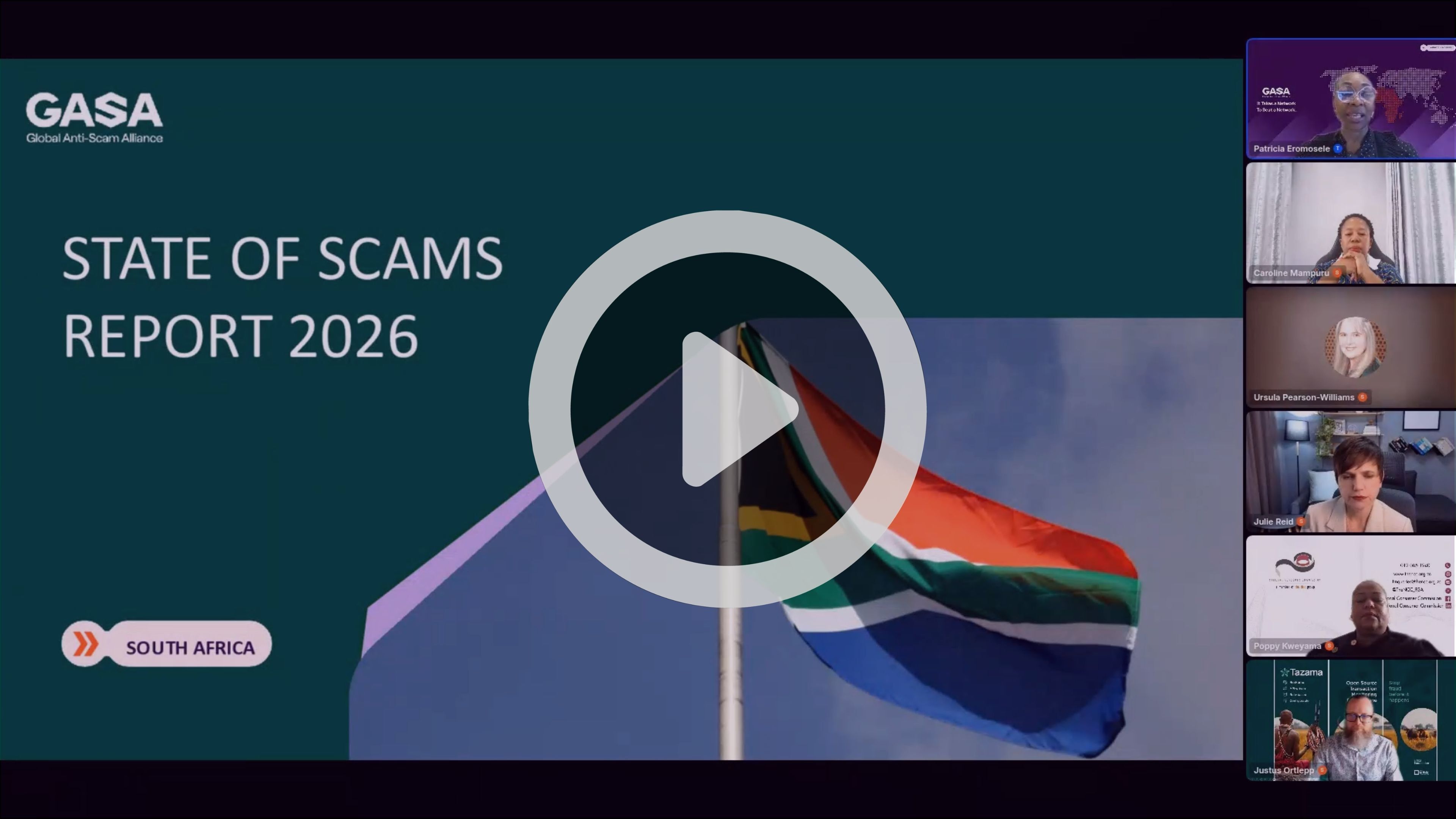
State of Scams in South Africa 2026: A Comparative Review Across Africa
South African experts examine scam trends, AI, consumer protection and the need for stronger cross-sector collaboration.
-3.jpg)
More than one in five adults in Japan encountered scams in the past year
New State of Scams Japan 2026 report examines how scams are reaching consumers and where stronger prevention and collaboration can make a difference