
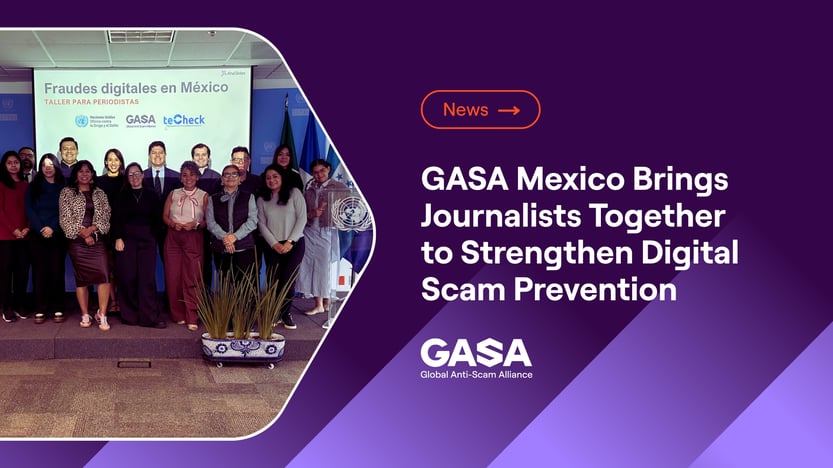
On 27 August 2026, GASA Mexico, the United Nations Office on Drugs and Crime (UNODC) and Tec-Check held the workshop Digital Fraud in Mexico: The Data and Framework Shaping the Discussion in Mexico City. The workshop brought together journalists and editors from 16 media outlets to examine the role of communication in preventing digital scams.
Representatives from UnoTV, Consumotic, Excélsior, El Economista, El Financiero, El País, El Cronista, La Razón, Milenio, El Heraldo de México, WIRED en Español, and Reforma participated actively in the discussion, alongside journalists from other national media organizations.
The workshop brought together four perspectives: fraud as a form of organized crime; communication centered on affected individuals; the protection of consumer rights; and the needs newsrooms face when verifying, explaining, and following up on these cases.
Understanding Scams as an Organised Chain
Sissi de la Peña, Director of the GASA Mexico Chapter, opened the discussion by explaining that scams should not be understood as isolated events or reduced to the moment when money is transferred. They are part of a broader chain that may involve the acquisition and use of personal data, victim profiling, initial contact, impersonation, emotional manipulation, payment, and the subsequent movement of funds through bank accounts, mule accounts, payment methods, or virtual assets.
This approach made it possible to distinguish between a scam and financial fraud. A scam begins with deception and manipulation, while financial fraud occurs when the deception results in an economic transaction or loss. This distinction is important because it broadens the scope of prevention: intervention can occur before the money leaves the victim’s account.
The discussion also addressed the connection between cybersecurity and fraud. Although cybersecurity mechanisms protect systems, networks, and accounts, many scams do not require a technical breach. Instead, fraudsters persuade people to share information, authorize a transaction, or act under pressure. Addressing scams therefore requires combining technological safeguards with communication, education, consumer protection, and institutional coordination.
Data from the State of Scams in Mexico 2025 Report helped establish the scale of the problem. Estimated losses associated with scams in Mexico reached MXN 139 billion, while each person was exposed to an average of 86 scam attempts per year. These figures show that scams are not exceptional events but recurring interactions embedded in people’s daily digital lives.
Víctor Merchand from UNODC Mexico explained that scams can be analyzed through four stages: approach, deception, transaction, and post-fraud. This framework allowed participants to identify communication opportunities at each point in the process. Before a transaction occurs, media coverage can help people recognize warning signs, question a request, verify information, and interrupt contact. After a loss, journalism can provide clear guidance on reporting, seeking assistance, protecting accounts, and avoiding revictimization.
From Awareness to Action
The discussion emphasized the gap between awareness and action. Knowing that scams exist does not necessarily mean that people will recognize one when it occurs. Fraudsters create credible scenarios, exploit trust, imitate familiar institutions, and use urgency, fear, authority, affection, or the promise of financial gain to influence decisions.
This observation led to one of the central conclusions of the workshop: public communication should not place the burden of prevention solely on individuals. Messages such as “do not click,” “do not share information,” or “verify before paying” can be useful, but they are insufficient if they are not accompanied by clear institutional responsibilities, effective reporting mechanisms, and safeguards provided by banks, telecommunications companies, digital platforms, authorities, and other organizations involved in the fraud chain.
Participants also discussed the importance of avoiding victim-blaming language. Statements suggesting that a person “fell for” a scam because they were careless, uninformed, or overly trusting overlook the deliberate manipulation used by organized fraud networks. As one of the key ideas raised during the session stated: “A victim is a victim because they were deceived.”
Fiorentina García Miramón, co-founder of Tec-Check, addressed authorized payments made under deception and their treatment from a consumer-rights perspective. The fact that a person technically approved a payment does not mean that the decision was free from manipulation. As discussed during the workshop: “It is one thing for me to have made the payment, and another for me to have made it because I was deceived.”
This distinction is relevant to how financial institutions, authorities, and the media explain responsibility. When the entire burden is placed on the person who authorized the transaction, the broader ecosystem that enabled the scam disappears from the analysis. Consumer protection therefore requires examining the safeguards, verification mechanisms, warnings, response procedures, and recovery options available before and after the transaction.
Official figures presented during the session illustrated the limitations of the current response. According to CONDUSEF data, 36,738 fraud complaints represented claims totaling MXN 2.62 billion, while approximately MXN 316 million was recovered, equivalent to 12.1% of the amount claimed. These figures highlighted the importance of response time, clear reporting pathways, and coordination between institutions capable of tracing and stopping the movement of funds.
Milagros Oreja, Communications Coordinator for GASA Mexico, presented findings on public perceptions of scams. While 76% of respondents said they were confident they could recognize a scam, 63% of those who had been victimized had previously expressed the same confidence. The difference between perceived ability and actual recognition reinforces the need for communication that goes beyond generic warnings and explains how manipulation works in specific contexts.
The emotional consequences of fraud were also part of the discussion. Financial loss may be accompanied by guilt, shame, anxiety, fear, loss of confidence, and reluctance to report. These effects influence both the willingness of victims to seek assistance and the ability of institutions to identify patterns. Reporting that treats affected individuals with respect can therefore support prevention while also reducing revictimization.
What Journalists Need to Cover Scams
Journalists and editors shared the practical challenges they face when covering scams. These included difficulties obtaining timely information, identifying reliable specialists, accessing verified data, understanding the responsibilities of different institutions, and finding clear reporting and support pathways for readers.
Participants also discussed the tension between explaining a scam and inadvertently providing a blueprint for reproducing it. Effective coverage must offer enough information for the public to recognize warning signs without publishing operational details that could facilitate imitation. The UNODC Handbook was particularly relevant in framing this balance between public awareness and harm prevention.
Ten active-listening forms completed during the workshop identified five recurring needs among participating journalists: access to reliable and updated data; availability of specialists who can explain technical and institutional issues; clearer information on where and how victims can report; guidance on language that avoids victim blaming; and better coordination between media outlets, authorities, financial institutions, technology companies, and consumer organizations.
How the Workshop Shaped Media Coverage
The workshop was followed by 24 verified media publications. Nineteen were directly linked to the event, four were follow-up pieces, and one was an opinion column. The coverage appeared in outlets including Forbes México, El Economista, Excélsior, Imagen Radio, El Universal, N+, WIRED en Español, Xataka, Proceso, and other national media.
Taken as a whole, these publications incorporated several principles from the UNODC Handbook. Coverage increasingly presented scams as processes rather than isolated transactions; explained the role of emotional manipulation and social engineering; recognized the gap between knowing about scams and identifying them in practice; and distributed responsibility across the organizations involved in the fraud ecosystem.
The publications also addressed payments authorized under deception, avoiding the assumption that authorization automatically eliminates the possibility of fraud. Several pieces provided practical information on warning signs, verification, reporting, and response, reflecting the Handbook’s recommendation that communication should give audiences concrete actions rather than merely describe risks.
Another principle reflected in the coverage was the treatment of fraud as an organized and, in many cases, transnational activity. The articles moved beyond narratives focused exclusively on individual behavior and examined the role of data, telecommunications, financial infrastructure, digital platforms, payment systems, mule accounts, and virtual assets.
The resulting coverage indicates that the workshop succeeded in transferring key concepts from the UNODC framework into journalistic reporting. The media did not simply reproduce statistics; they used the data to explain how scams operate, why traditional prevention messages are insufficient, and what responsibilities belong to institutions across the fraud chain.
Building on the Workshop
The analysis also identified areas that require further work. Coverage could more consistently address the post-fraud stage, including emotional consequences, recovery mechanisms, and the risk of secondary scams targeting previous victims. It could also incorporate more testimonies from affected individuals while applying trauma-sensitive interviewing practices and protecting their privacy.
Reporting pathways remain another area for improvement. Although some publications offered preventive recommendations, readers still need clearer information about which institution to contact, what evidence to preserve, how quickly to act, and what to expect after submitting a report. Accessibility should also receive greater attention so that information reaches older adults, people with disabilities, individuals with limited digital literacy, and communities with different linguistic or connectivity needs.
The workshop established several lines of follow-up for GASA Mexico, UNODC, and Tec-Check. These include continuing to share verified data, facilitating access to specialists, developing practical resources for journalists, and strengthening channels through which newsrooms can verify emerging scam patterns and identify the institutions responsible for responding.
The session confirmed that preventing scams requires sustained cooperation among journalists, international organizations, consumer groups, financial institutions, telecommunications companies, technology platforms, and public authorities. As Sissi de la Peña stated during the workshop: “This network must be fought with another network.”
Within that response, the media are not merely observers. They are sources of alerts, verification, explanation, and prevention. To fulfill that role, they need access to evidence, specialists, reliable sources, and clear institutional pathways.

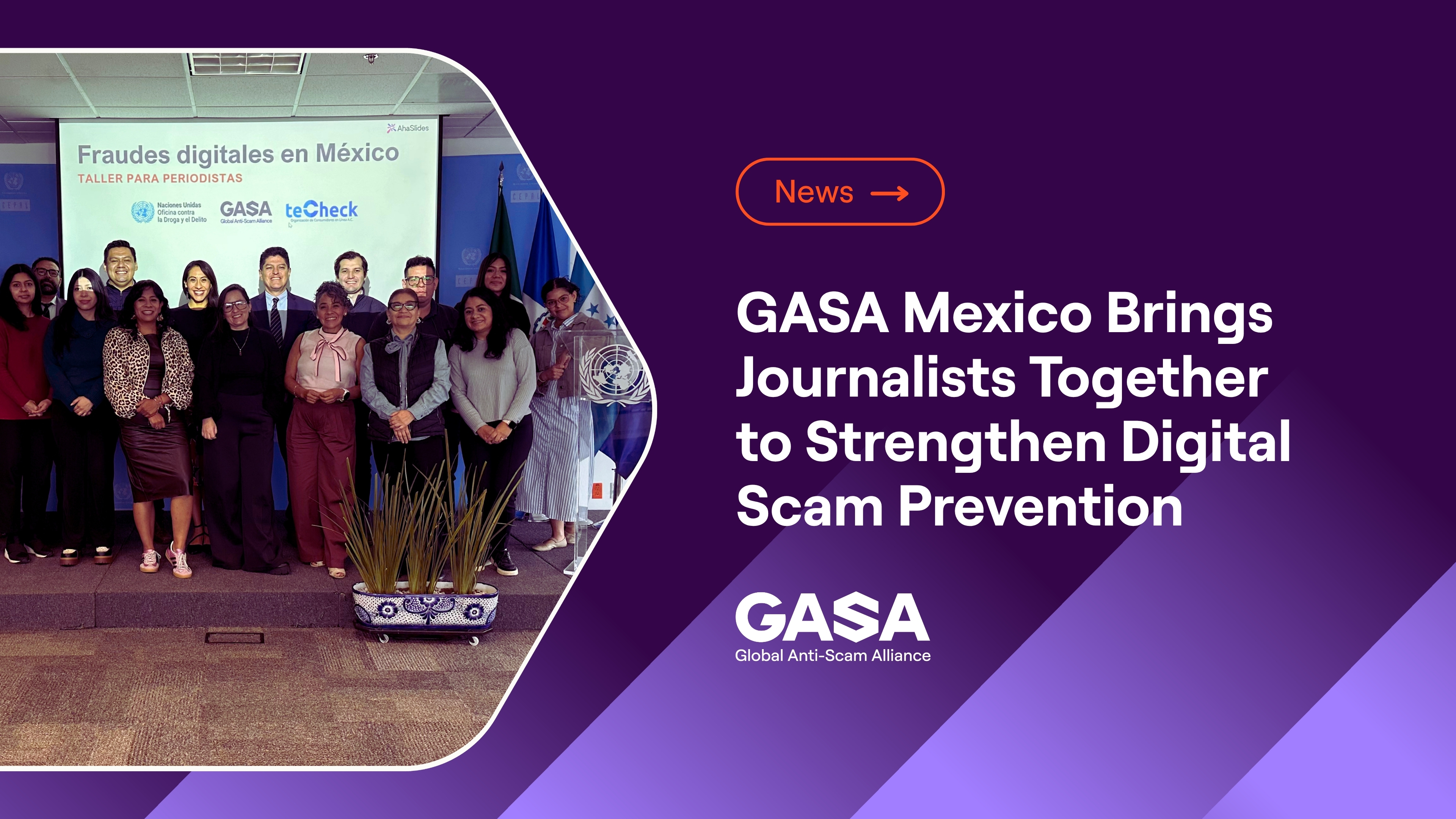
GASA Mexico Workshop Examines the Role of Journalism in Digital Scam Prevention
GASA Mexico brought together journalists and editors to discuss digital scams, victim-centred reporting and the role of media in scam prevention.

From Information Sharing to Intelligence Production: GASA Mexico in Forbes
Sissi de la Peña, Director of the GASA Mexico Chapter, examines in Forbes México what the U.S. memorandum on cyber operations against fraud networks means for the country.
BanCoppel joins the Global Anti-Scam Alliance to bolster fraud prevention and safeguard individuals entering the banking system.
BanCoppel has joined the Global Anti-Scam Alliance (GASA) as a Corporate Member of the GASA Mexico Chapter.
The emotions scammers exploit: how social engineering influences our decisions
How scammers use fear, urgency, excitement and trust to influence decisions, and how recognising these tactics can help people prevent fraud.

Global Anti-Scam Alliance Welcomes Mastercard as Founding Member of Its Mexico Chapter
The Global Anti-Scam Alliance (GASA) announces the membership of Mastercard as a Member of its Mexico Chapter.
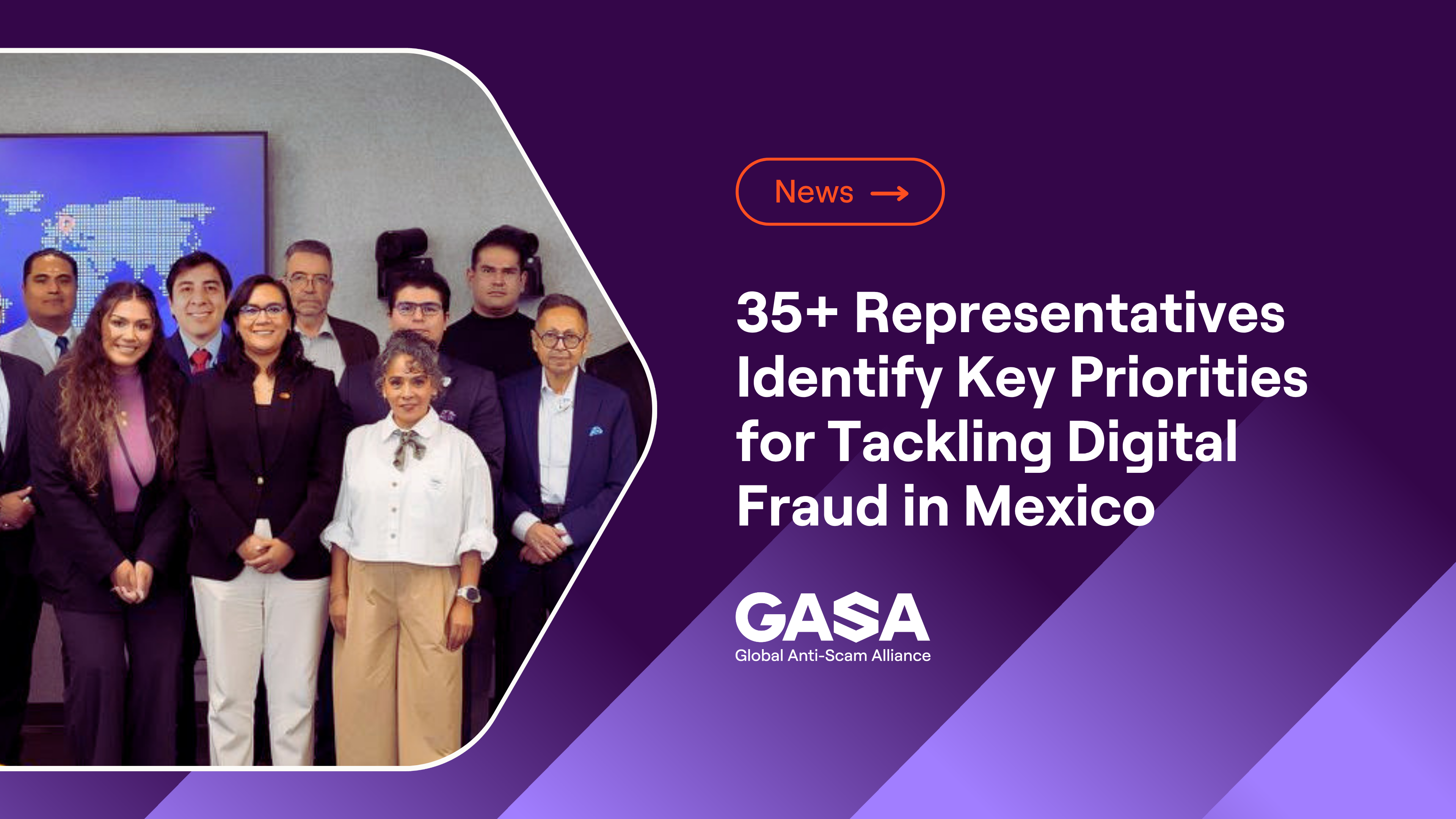
GASA Mexico's Second Roundtable Advances Coordinated Action Against Digital Fraud
GASA Mexico's second roundtable brought together more than 35 representatives to strengthen coordination across cybersecurity, fraud prevention and other sectors.
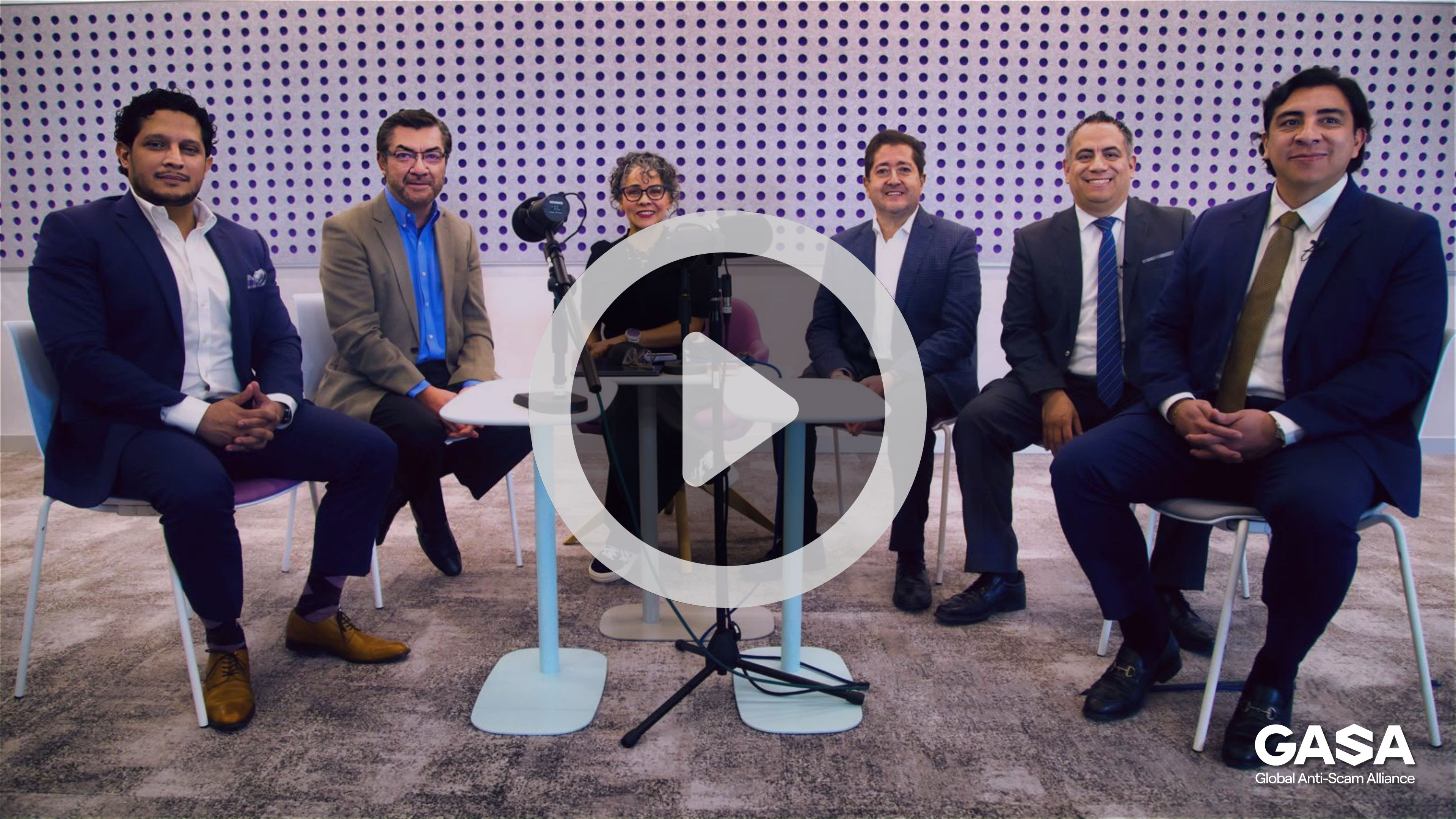
A network is beaten by a network: Mexico's banks move from remediation to prevention
GASA convened the ABM Fraud Committee and Mexican banks to advance the enriched agreement and strengthen coordinated fraud prevention across the sector.
Why Mexico’s Anti-Scam Response Needs Cross-Sector Coordination
GASA Mexico Chapter's Sissi De la Pena explains why scam prevention in Mexico requires stronger coordination across finance, telecoms, platforms, government and civil society.