
The emotions scammers exploit: how social engineering influences our decisions

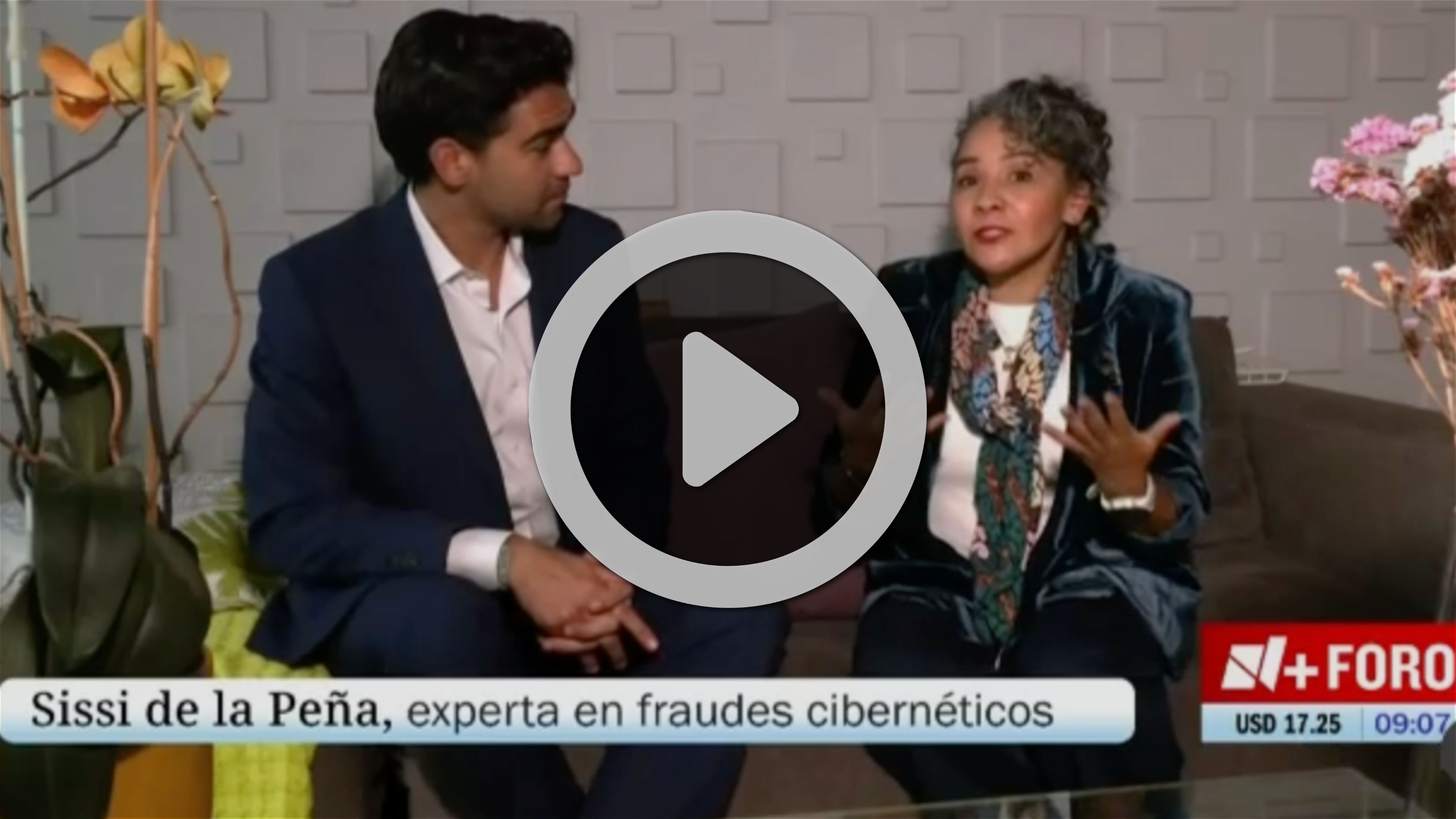
This article is based on insights shared by Sissi de la Peña, Director of the GASA Mexico Chapter, during an interview with Televisa N+, one of Mexico’s most recognized national media outlets.

Scammers are not only trying to access our accounts. They are trying to influence how we think and make decisions.

When fear, urgency, or excitement take control, our brains tend to analyze less and react more. This is why modern scams are not only about technology vulnerabilities—they are also about human behavior.

Through social engineering, scammers use emotional triggers to reduce critical thinking and increase the chances that people will act before verifying the situation.

How scammers use emotions to manipulate decisions

Social engineering works because it targets something fundamental: human psychology.

Instead of relying only on technical attacks, scammers create situations designed to make people feel that they need to act immediately, trust a message, or take advantage of an opportunity.

The most common emotional triggers include:

Fear: creating a sense of danger

Fear is one of the most effective tools used by scammers.

Common messages include:

  • "We detected suspicious activity on your account."

  • "Your account has been compromised."

  • "You need to verify your information immediately."

  • "You only have a few minutes to accept this offer."

  • "Your access will be blocked today."

  • "This opportunity expires soon."

  • Investments that promise to double your money overnight.

  • Loans approved without a previous credit history.

  • Exclusive opportunities available for a very limited time.

  • Open your bank’s official application directly.

  • Call the phone number on the back of your card.

  • Verify requests through official channels.

  • Be cautious when a message creates fear, urgency, or excitement.

The goal is to create anxiety and make people focus on solving the problem rather than questioning whether the message itself is legitimate.

Urgency: preventing people from thinking

Many scams are built around the idea that there is no time to verify.

Examples include:

By creating pressure, scammers try to prevent people from taking the extra step that could reveal the fraud: checking through official channels.

A few minutes spent verifying information can prevent significant financial losses.

Excitement and the promise of opportunity

Not every scam creates fear. Some create excitement.

Fraudsters often use offers that appear too good to be true:

When an opportunity generates strong excitement, it can become harder to evaluate whether it is realistic.

Trust: making fraud feel legitimate

Trust is another powerful tool.

Scammers impersonate banks, companies, government authorities, or even people we know to make an interaction appear legitimate.

They may use official-looking messages, fake profiles, or personal information gathered online to create credibility.

The goal is to make people lower their guard and stop verifying.

The importance of pausing before acting

One of the most effective ways to protect yourself from scams is simple: pause.

Before clicking a link, sharing a verification code, transferring money, or providing financial information:

The question is not only: "Is this message real?"

Also ask:

"What emotion is this message trying to create in me?"

Recognizing the emotional strategy behind a scam is one of the first steps toward preventing it.

Building awareness to prevent fraud

Cybersecurity is no longer only a technological challenge. It is also a human challenge.

Understanding how scammers use emotions, trust, and urgency gives people better tools to identify fraud attempts before they cause harm.

At GASA Mexico, we work to strengthen scam prevention through education, awareness, and collaboration, helping more people recognize the tactics used by fraudsters and protect themselves in an increasingly digital world.

Sign up for the GASA newsletter to receive regular updates on scam prevention, research, and best practices.

Aug 12, 2026
4 minute read
Category
Topic - Scam Awareness Video Scam Trends Region - Latin America Chapter - Mexico
Written by
Global Anti-Scam Alliance (GASA)
Share article

Latest blogs & research

Consejos para no caer en fraudes

The emotions scammers exploit: how social engineering influences our decisions

How scammers use fear, urgency, excitement and trust to influence decisions, and how recognising these tactics can help people prevent fraud.

Topic - Scam Awareness Video Scam Trends Region - Latin America
mastercard joins gasa mexico chapter

Global Anti-Scam Alliance Welcomes Mastercard as Founding Member of Its Mexico Chapter

The Global Anti-Scam Alliance (GASA) announces the membership of Mastercard as a Member of its Mexico Chapter.
News Topic - Fraud Prevention Industry - Financial Authorities Region - Latin America
gasa mexico chapter 2nd roundtable

GASA Mexico's Second Roundtable Advances Coordinated Action Against Digital Fraud

GASA Mexico's second roundtable brought together more than 35 representatives to strengthen coordination across cybersecurity, fraud prevention and other sectors.

News Topic - Data Sharing Topic - Fraud Policy Industry - Law Enforcement
Banking Collaboration Strengthens Fraud Prevention

A network is beaten by a network: Mexico's banks move from remediation to prevention

GASA convened the ABM Fraud Committee and Mexican banks to advance the enriched agreement and strengthen coordinated fraud prevention across the sector.

Best Practices Topic - Fraud Prevention Video Industry - Financial Authorities
La colaboración bancaria refuerza la prevención del fraude

Una red se combate con una red: la banca mexicana avanza de la remediación a la prevención

GASA reunió al Comité de Fraudes de la ABM y a bancos mexicanos para avanzar el convenio enriquecido y fortalecer la prevención coordinada del fraude.

Best Practices Topic - Fraud Prevention Video Industry - Financial Authorities

Why Mexico’s Anti-Scam Response Needs Cross-Sector Coordination

GASA Mexico Chapter's Sissi De la Pena explains why scam prevention in Mexico requires stronger coordination across finance, telecoms, platforms, government and civil society.

Best Practices Topic - Fraud Prevention Topic - Fraud Policy Industry - Financial Authorities

GASA Mexico Shares Scam Prevention Tips During the 2026 FIFA World Cup

GASA Mexico shares practical advice for football fans on avoiding ticketing, travel, phishing and payment scams during the 2026 FIFA World Cup.

Best Practices Video Region - Latin America Industry - Consumer Protection & Authorities
De Viena a México: ¿Cómo hacer operativa la Agenda Global Antifraude?

De Viena a la Acción: GASA México y UNODC México Cierran Brechas Operativas

GASA México y UNODC México formalizan un Acuerdo de Intercambio de Comunicaciones, convirtiendo los compromisos globales de Viena en acción coordinada contra el fraude.

News Topic - Fraud Policy Industry - Policy Makers Region - Latin America