
Fighting digital fraud in Mexico requires stronger coordination between cybersecurity, fraud prevention and anti-money laundering teams. Although these functions use related information and respond to different stages of the same attacks, they often continue to operate separately.
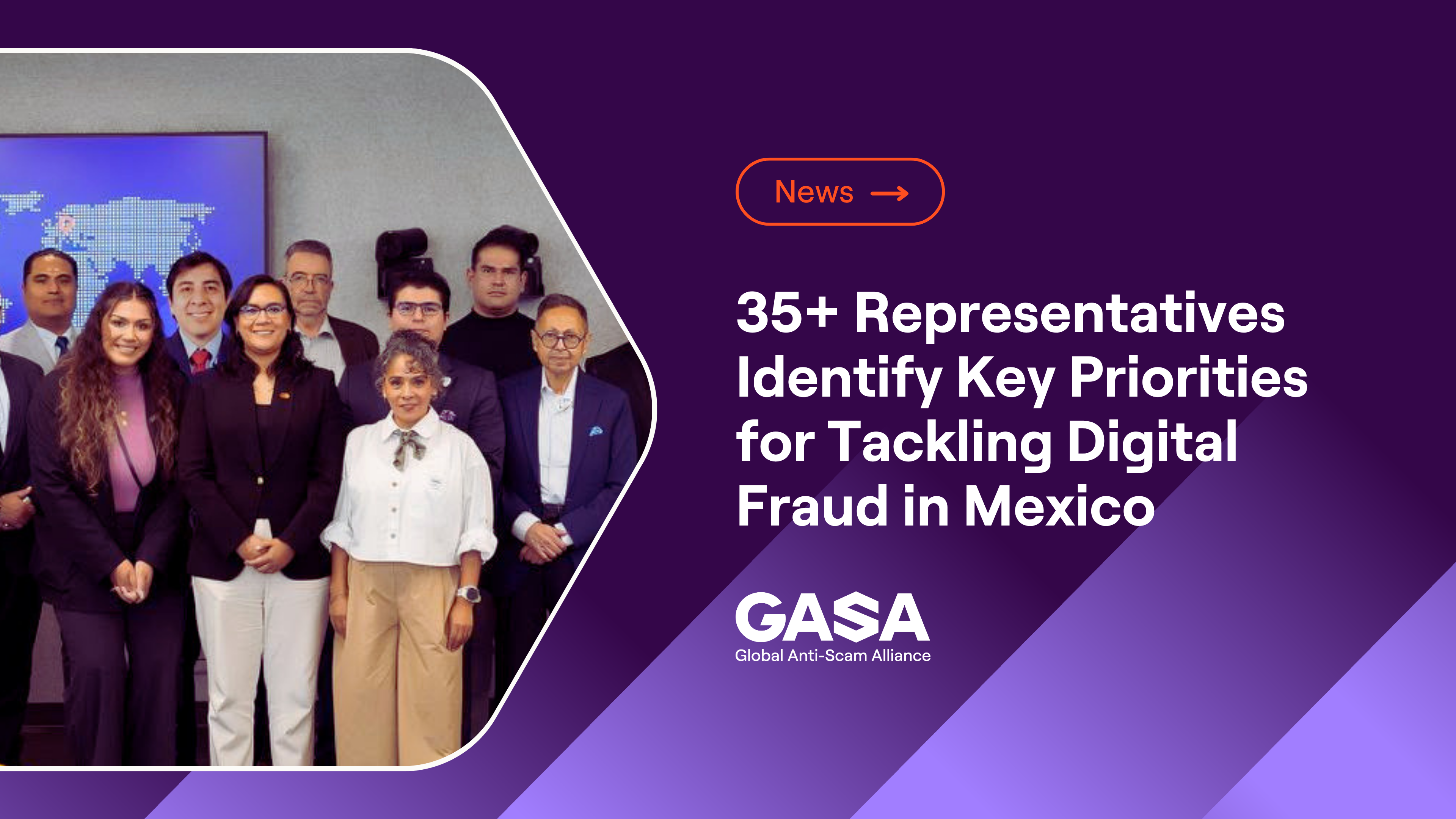
On 21 July 2026, the GASA Mexico Chapter held its second roundtable to move from a shared understanding of the problem towards an operational roadmap. The session brought together more than 35 representatives from financial institutions, telecommunications companies, digital platforms, technology companies, public authorities, academia, the media and international organisations.


This article summarises the contributions made during the session. These should not be interpreted as final recommendations endorsed by all participants or the GASA Mexico Chapter.
From a Shared Diagnosis to an Operational Roadmap
The second roundtable followed the first national meeting organised by GASA Mexico in January 2026. That session identified three structural barriers: insufficient coordination between sectors, legal limitations affecting the sharing and use of information, and the absence of central leadership to coordinate a national strategy.
The scale of the problem reinforces the need for action. GASA's State of Scams in Mexico 2025 Report estimates that scams caused losses of 139 billion pesos in 2025. It also found that each person encountered an average of 86 scam attempts, equivalent to approximately one every four days.
In addition, 79% of scam attempts occurred through platforms that enable direct messaging. This illustrates how fraud crosses sectors, channels and jurisdictions while institutional responses remain fragmented.
Why Cybersecurity and Fraud Prevention Must Converge
One of the principal findings from the session was that the separation between cybersecurity and fraud prevention does not only exist between sectors. It also exists within organisations.
Participants described structures in which fraud prevention, cybersecurity and intelligence teams operate independently. In some cases, policies addressing spam and impersonation are developed without the involvement of fraud teams, even though a single attack may cross the responsibilities of all these functions.
One figure presented during the session demonstrated the connection between these areas: 70% of transactions that result in confirmed fraud begin with a cybersecurity-related breach. This indicates that fraud cannot be treated solely as a transactional issue that begins when money is moved.
The discussion also highlighted the need to integrate anti-money laundering functions. These teams frequently use related information, but the absence of formal mechanisms for sharing it creates blind spots that make it more difficult to identify the complete fraud chain.
Understanding the Complete Digital Fraud Chain
The session examined digital fraud as a chain consisting of three phases:
Addressing only the extraction phase leaves earlier stages open, including those where digital platforms, technology providers, telecommunications companies and cybersecurity teams may be able to intervene. An effective response therefore requires intelligence to be shared throughout the fraud chain.
Participants also noted the legal dimension of this fragmentation. Mexico has different state-level frameworks for cybercrime, with variations in how offences are defined and penalised. Technical information may be available, but it cannot always be shared or used as evidence under clear and consistent procedures.
Designing Prevention Around How People Make Decisions
The second part of the session focused on communication, awareness and educational campaigns. The discussion began with an apparent contradiction: 76% of people in Mexico believe they can recognise a scam, yet 59% experienced one during the previous year.
This gap demonstrates the limitations of campaigns based solely on providing information. Scammers use urgency, fear, ambition and altruism to encourage people to make quick, emotional decisions.
Campaigns can respond by introducing friction at the critical moment. A pause, warning or additional verification step can give someone time to assess the situation before completing a transaction.
Participants proposed replacing general warnings with communications tailored to the profiles and circumstances of potential victims. They also highlighted the importance of using formats suited to WhatsApp, YouTube, SMS and other channels through which scam attempts occur.
Consistency between institutions is equally important. When banks, public authorities, telecommunications companies and platforms provide different messages, people may be left without clear guidance. A coordinated campaign could provide consistent advice without weakening trust in digital services.
Towards a Coordinated National Response
The second roundtable demonstrated that closer alignment between cybersecurity and fraud prevention reflects how criminal networks now operate. Attacks move across infrastructure, accounts, platforms and payment systems without respecting the internal divisions between institutional teams.
Progress will depend on establishing protocols that enable information to be shared with legal certainty, integrating the teams involved at each stage and maintaining multisector leadership.
During the session, the chapter also announced Mastercard as a Founding Member and welcomed Banamex, BanCoppel, Banorte and Banco Azteca.
An effective response to digital fraud requires institutions to understand and address the entire chain. No single organisation has all the information or capabilities required. Fraud networks must be met with a coordinated, cross-sector response.

From Information Sharing to Intelligence Production: GASA Mexico in Forbes
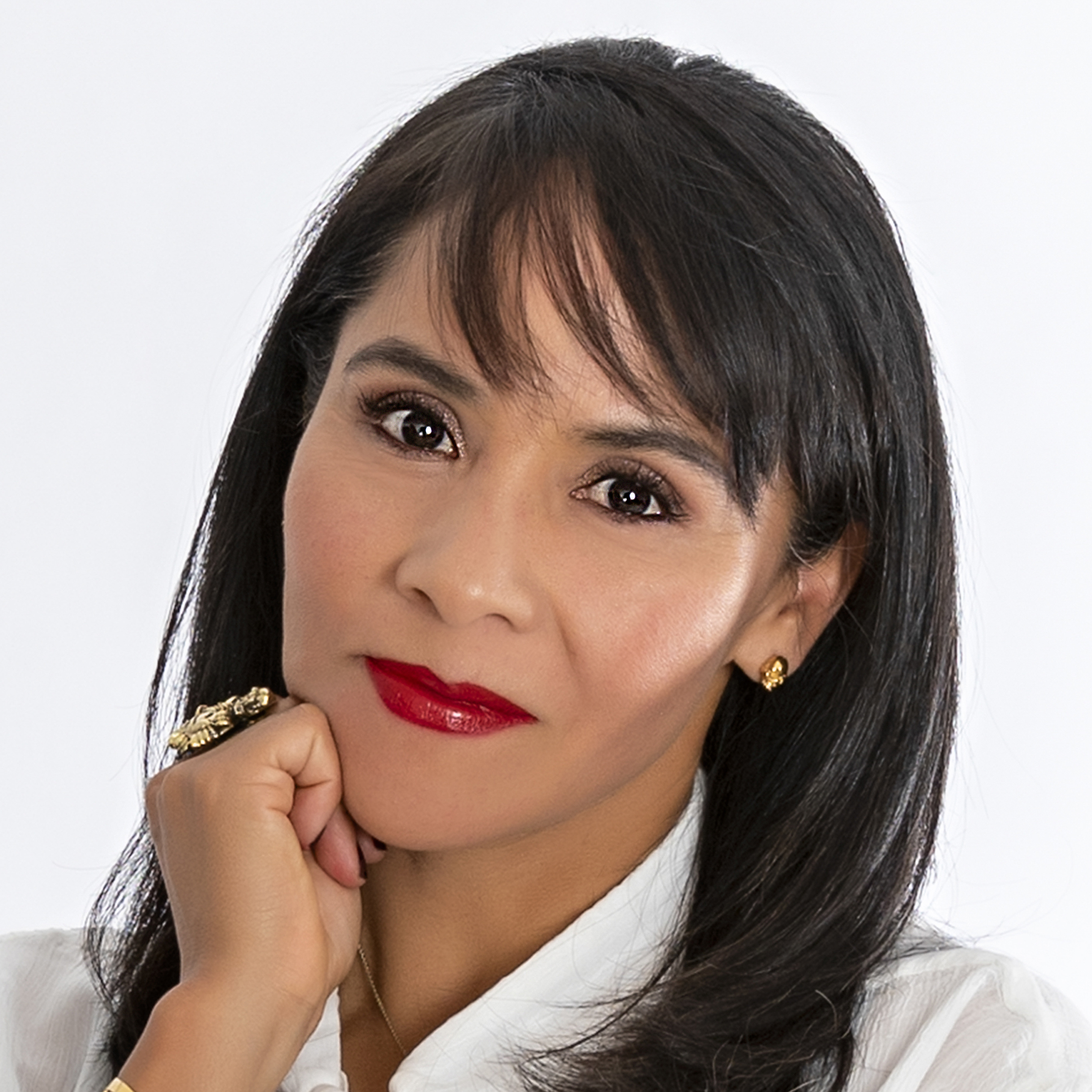
Sissi de la Peña, Director of the GASA Mexico Chapter, examines in Forbes México what the U.S. memorandum on cyber operations against fraud networks means for the country.
BanCoppel joins the Global Anti-Scam Alliance to bolster fraud prevention and safeguard individuals entering the banking system.
BanCoppel has joined the Global Anti-Scam Alliance (GASA) as a Corporate Member of the GASA Mexico Chapter.
The emotions scammers exploit: how social engineering influences our decisions
How scammers use fear, urgency, excitement and trust to influence decisions, and how recognising these tactics can help people prevent fraud.

Global Anti-Scam Alliance Welcomes Mastercard as Founding Member of Its Mexico Chapter
The Global Anti-Scam Alliance (GASA) announces the membership of Mastercard as a Member of its Mexico Chapter.
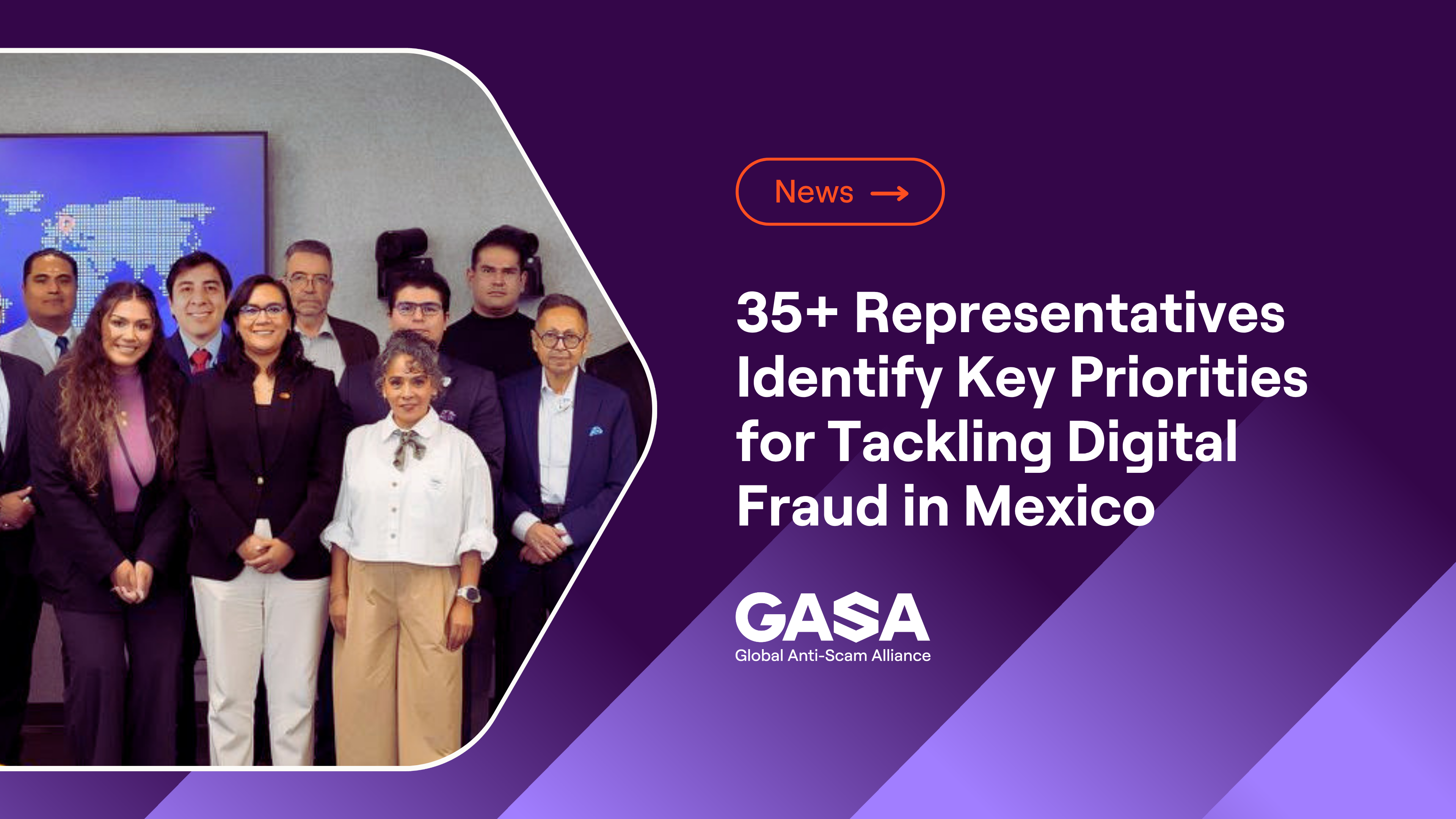
GASA Mexico's Second Roundtable Advances Coordinated Action Against Digital Fraud
GASA Mexico's second roundtable brought together more than 35 representatives to strengthen coordination across cybersecurity, fraud prevention and other sectors.
A network is beaten by a network: Mexico's banks move from remediation to prevention
GASA convened the ABM Fraud Committee and Mexican banks to advance the enriched agreement and strengthen coordinated fraud prevention across the sector.
Why Mexico’s Anti-Scam Response Needs Cross-Sector Coordination
GASA Mexico Chapter's Sissi De la Pena explains why scam prevention in Mexico requires stronger coordination across finance, telecoms, platforms, government and civil society.
GASA Mexico Shares Scam Prevention Tips During the 2026 FIFA World Cup
GASA Mexico shares practical advice for football fans on avoiding ticketing, travel, phishing and payment scams during the 2026 FIFA World Cup.