

Experiencing a scam can leave people facing financial loss alongside uncertainty, anger, embarrassment or fear. In the immediate aftermath, knowing which actions to prioritise can help limit further harm, protect compromised accounts and personal information and begin the recovery process.
To provide clear guidance on what to do next, GASA's Consumer Education Working Group has developed After the Scam: A 5-Step Response Plan. The resource sets out five immediate actions, followed by additional steps to help protect accounts, personal information and devices in the days that follow.
Five Immediate Steps After a Scam
The Consumer Education Working Group identifies five actions to prioritise:
What Comes Next?
The response plan also includes an additional actions checklist for addressing risks that may remain after the immediate steps have been taken.
Depending on the circumstances, this can include reporting the scam through the communication platform used by the criminal, checking devices for malicious software, freezing credit and taking action where personal identifying information may have been compromised.
The Working Group also recommends monitoring accounts for unusual activity, warning close contacts about messages that may appear to come from the victim and reviewing social media privacy settings.
Staying Alert for Follow-Up Scams
Experiencing one scam can also create the risk of being targeted again. Criminals may approach victims claiming that they can recover lost money, investigate the original scam, provide legal assistance or retrieve cryptocurrency in exchange for a fee.
The response plan advises people to verify the identity of anyone who contacts them unexpectedly and be cautious of anyone promising to recover stolen funds in exchange for an upfront payment.
It also provides longer-term security guidance, including using a password manager to maintain strong, unique passwords and enabling multi-factor authentication wherever possible.
Using and Sharing the Response Plan
After the Scam: A 5-Step Response Plan was prepared by GASA's Consumer Education Working Group with the support of GASA member organisations. It is designed not only for individuals who have experienced a scam, but also for organisations looking for practical guidance they can share with customers and communities.
The resource can be distributed freely to scam victims and the wider public. Organisations can also add their own logo and adapt the visual style while retaining the original content and reference to the Global Anti-Scam Alliance.
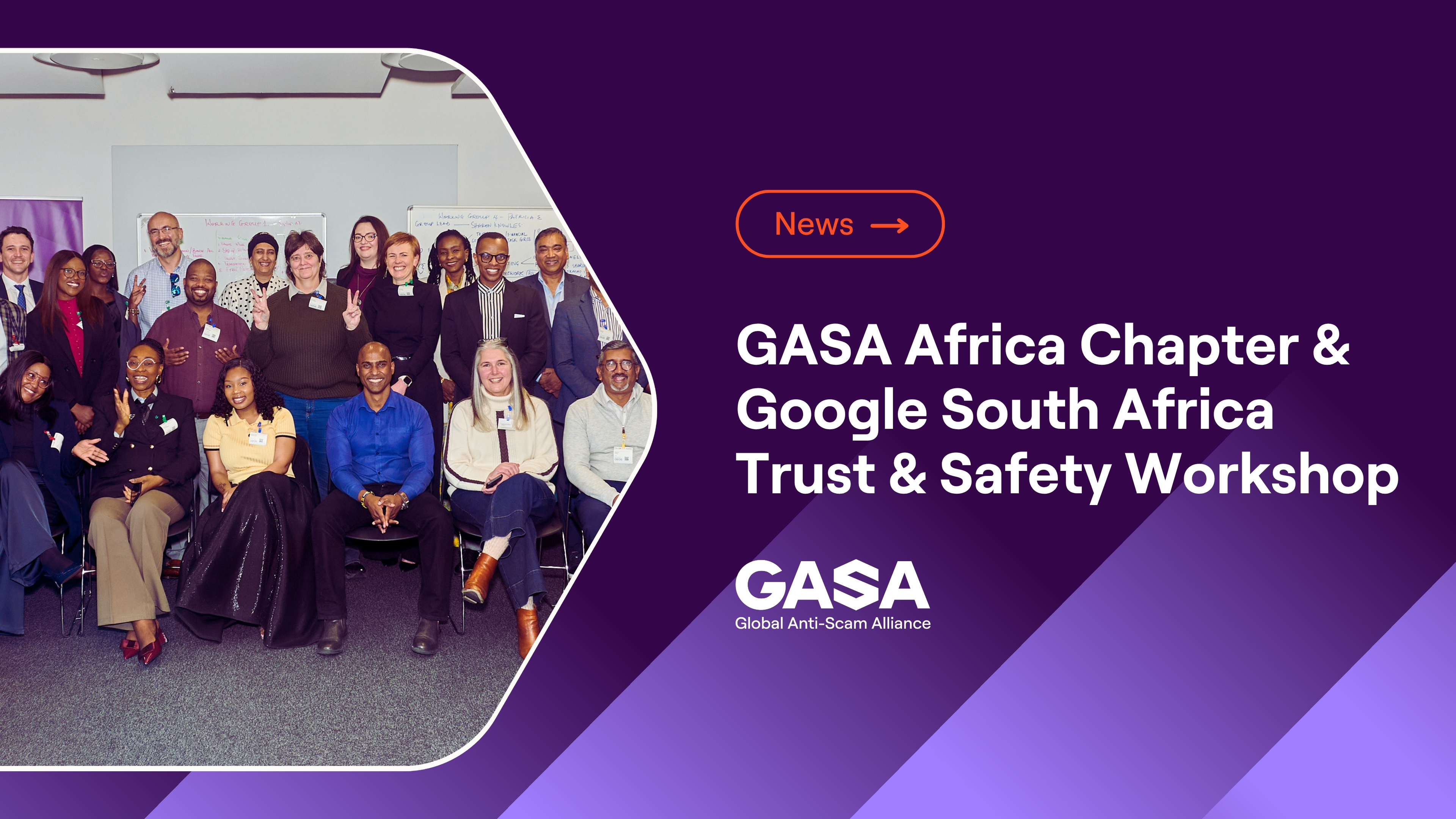
Accra Trust & Safety Workshop Turns Collaboration into Action Against Scams and Fraud in West Africa
GASA Africa Chapter and Google South Africa brought anti-fraud leaders together to strengthen cross-border cooperation and scam prevention.
State of Scams in Nigeria 2026: A Comparative Review Across Africa
Nigerian experts examine scam trends, technology, consumer protection and the need for stronger cross-sector collaboration.
Nearly three in four Danish adults encountered scams as estimated losses reach DKK 10.1 billion
New State of Scams Denmark 2026 report finds scam exposure is rising, while victims face repeated financial and emotional harm.
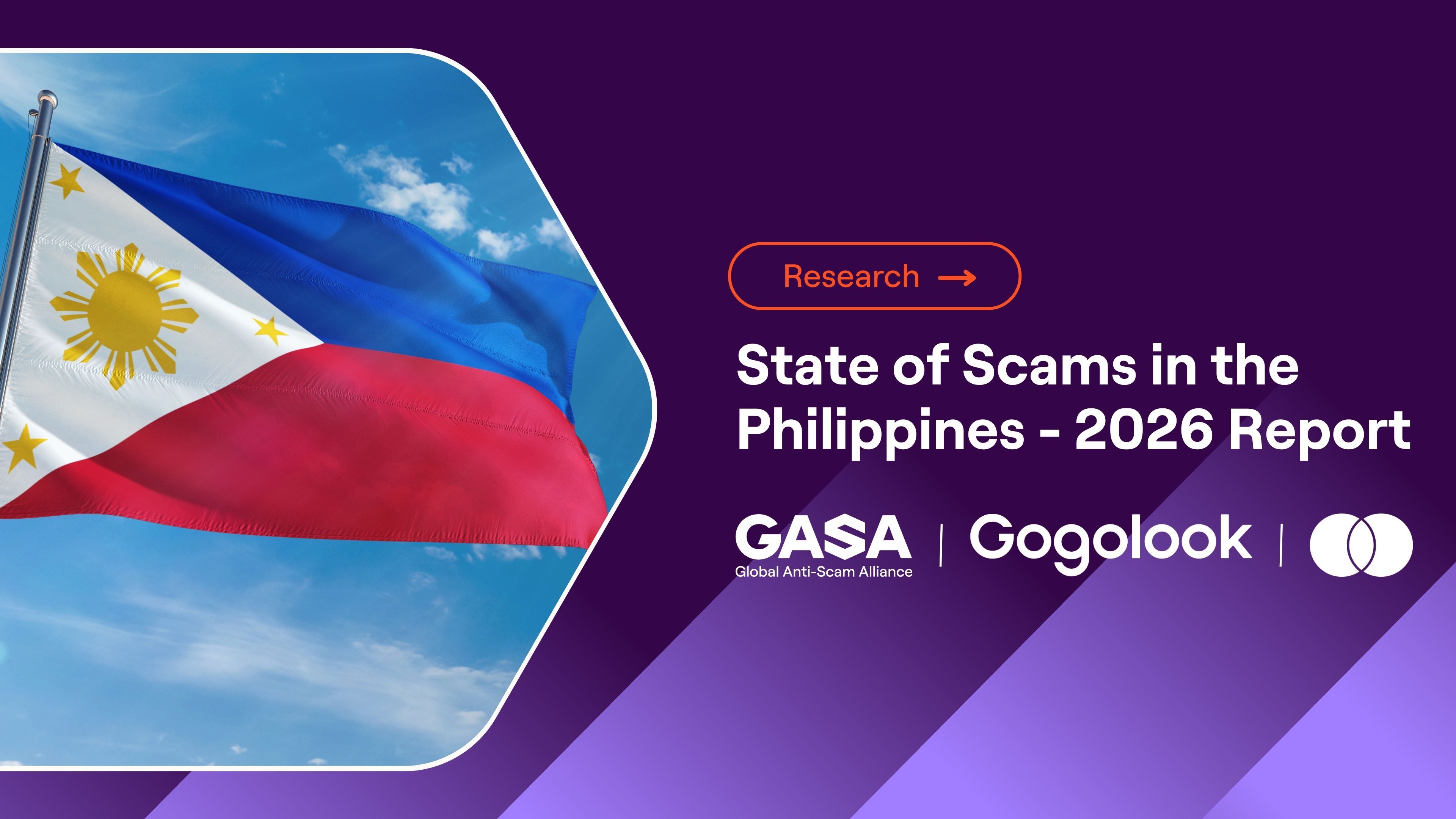
Building a More Trusted Digital Philippines: New Report Underscores the Need for Collective Action as Scam Exposure Continues to Rise
GASA’s State of Scams in the Philippines 2026 Report, in collaboration with Mastercard and Gogolook, highlights the growing scale of the scam challenge in the Philippines.
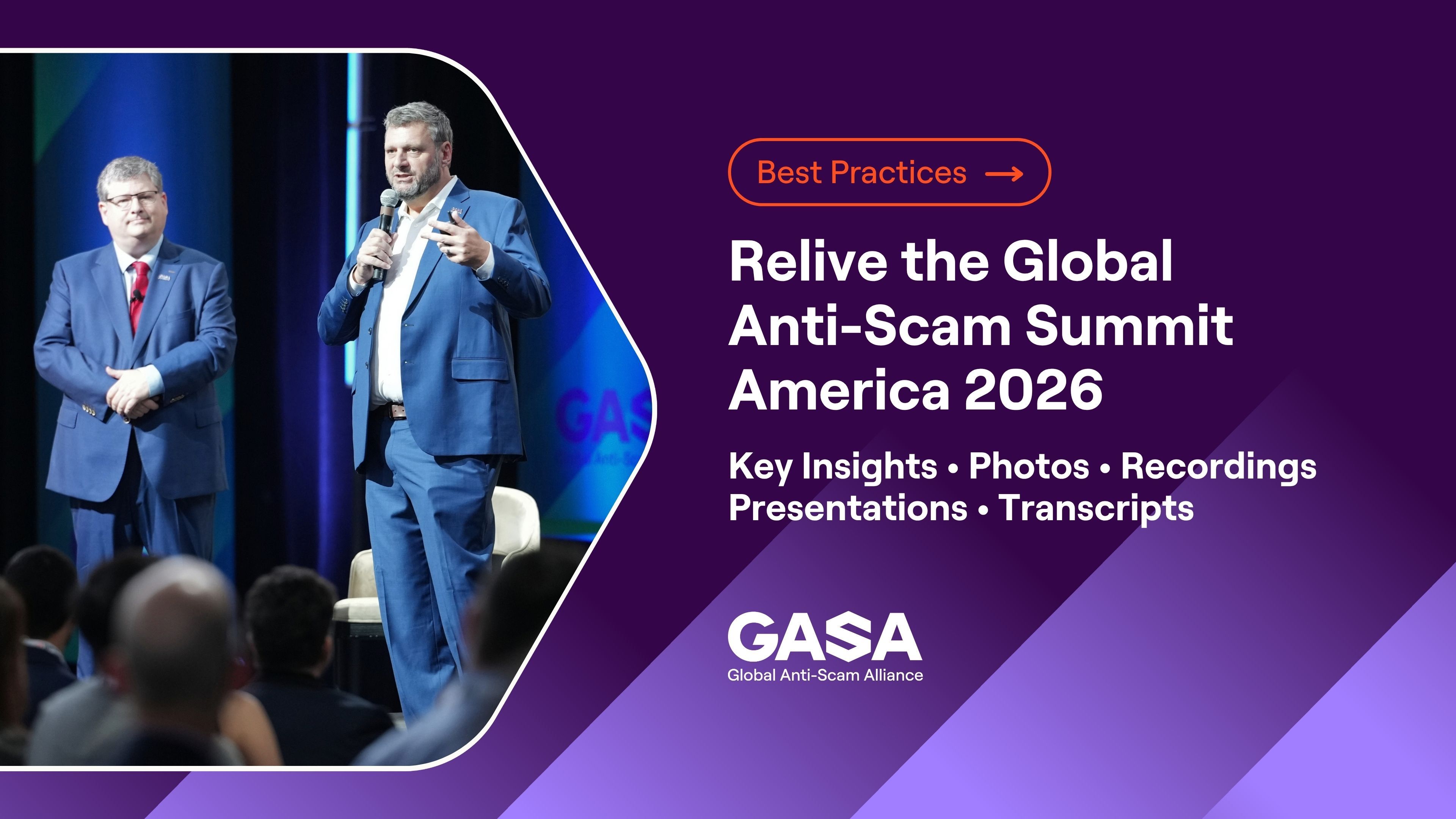
Global Anti-Scam Summit America 2026: Highlights, Insights and Resources
Explore GASS America 2026 highlights and insights, with the Summit summary, photos, presentation slides, transcripts and session recordings from San Francisco.
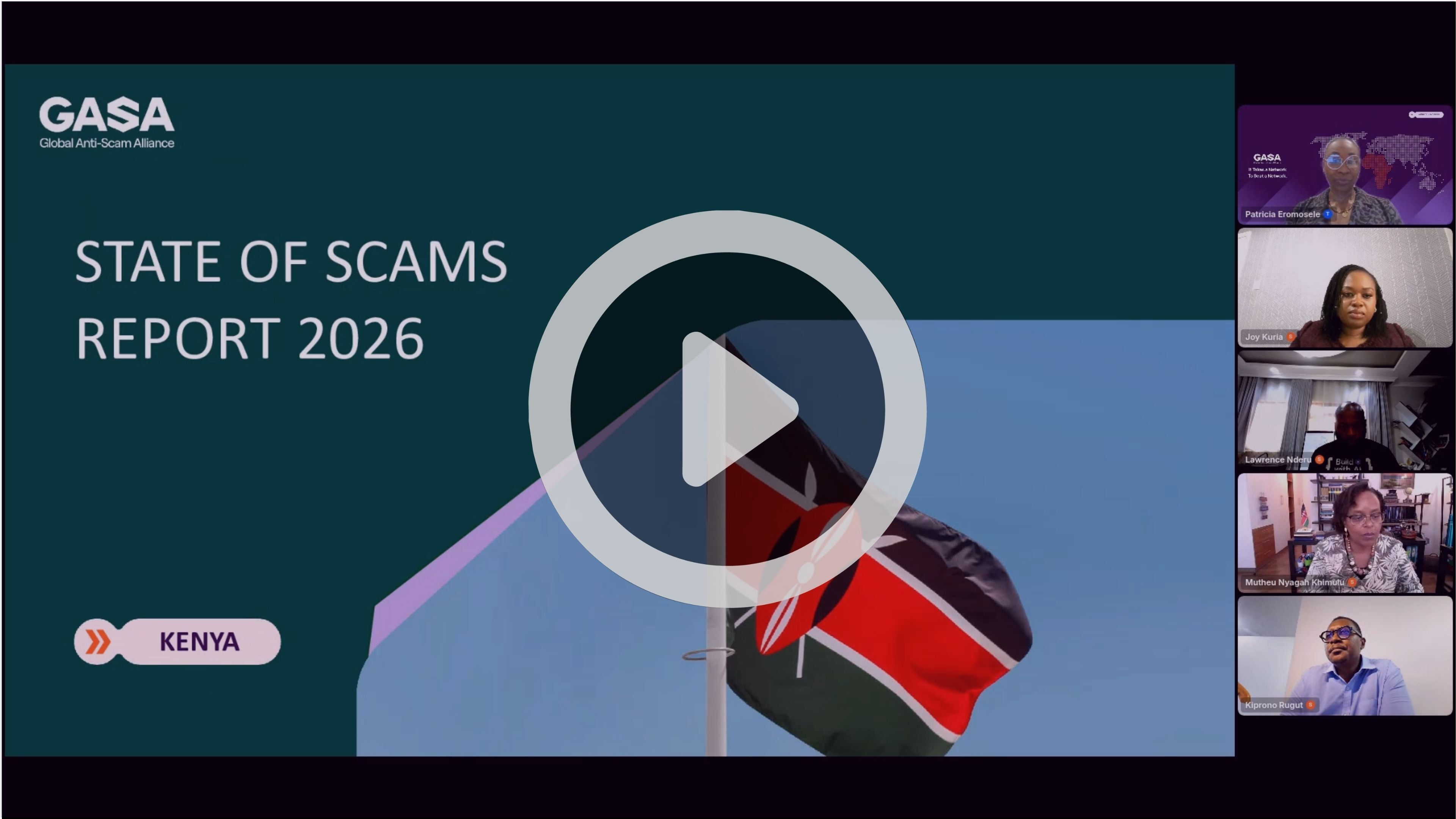
State of Scams in Kenya 2026: A Comparative Review Across Africa
Kenyan experts examine scam trends, data sharing, digital trust and the need for stronger cross-sector prevention.
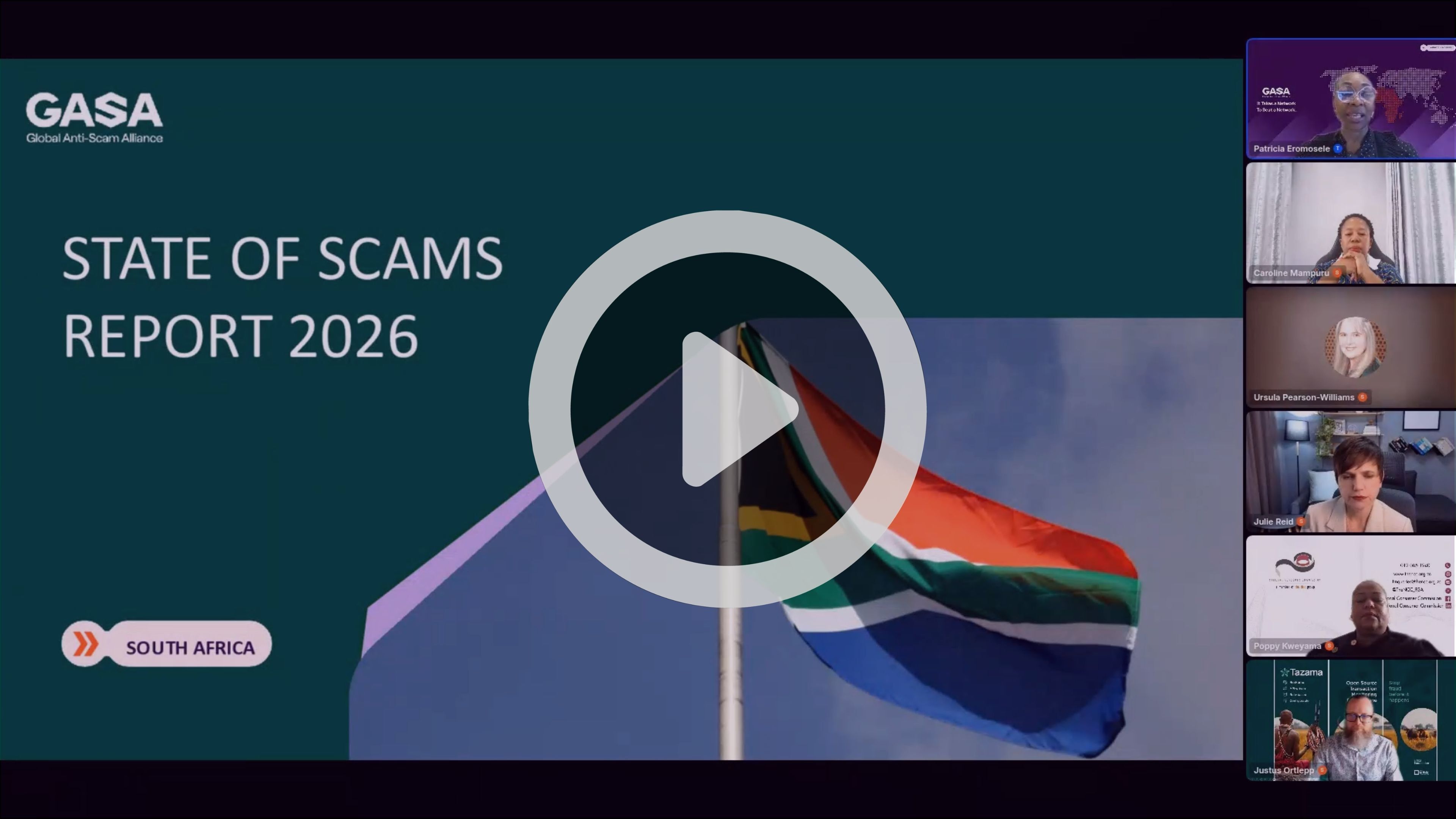
State of Scams in South Africa 2026: A Comparative Review Across Africa
South African experts examine scam trends, AI, consumer protection and the need for stronger cross-sector collaboration.
-3.jpg)
More than one in five adults in Japan encountered scams in the past year
New State of Scams Japan 2026 report examines how scams are reaching consumers and where stronger prevention and collaboration can make a difference