
-2.jpg?width=833&height=469&name=Blog%20(2)-2.jpg)
The session brought together representatives from the financial sector, consumer protection organizations, technology and payment companies, fraud prevention specialists, and civil society organizations from Latin America and North America. The discussion focused on identifying the conditions required to strengthen cross-regional collaboration against digital scams, with particular attention to prevention, consumer protection, and response mechanisms.
Reducing Fragmentation Through Cross-Regional Collaboration
One of the main themes was the need to reduce fragmentation across teams, institutions, and sectors. Fraud prevention, cybersecurity, anti-money laundering, telecommunications, digital platforms, and public authorities often address different parts of the same problem, but do not always operate through coordinated information-sharing arrangements. Drawing on the experience of the Mexico Chapter, the discussion highlighted the importance of developing a shared understanding of the fraud chain and supporting this work with research and awareness initiatives that explain more clearly how scams operate and what protective measures people can take.
Consumer protection became particularly relevant when examining the factors that facilitate or discourage reporting. Mexico presented its experience coordinating an interinstitutional response to potential fraud associated with the FIFA World Cup 2026, including the monitoring of platforms, social media, and online marketplaces. Participants noted that a substantial proportion of digital fraud goes unreported and linked this to limited confidence that reporting to the relevant institutions will produce an effective response. The discussion emphasized the need to combine coordination among public authorities, the private sector, and financial institutions with consumer education and guidance.
From this point, the discussion expanded the meaning of prevention. Technological controls and data sharing were identified as important parts of the response, but protection also depends on people’s ability to recognize warning signs, understand how different forms of deception operate, and know how to respond to a suspicious situation.
Communication was identified as a functional component of an anti-fraud strategy. Participants emphasized the importance of developing clear, accessible, and timely messages that reduce confusion and support consumer decision-making. Prevention was understood not only as the delivery of information, but also as the capacity to guide specific actions before, during, and after a potential scam.
Making Fraud Reporting Clearer and Faster
The consumer experience when reporting a scam was another central topic. Participants observed that multiple channels, institutions, and procedures can create confusion and delays. Consumer organizations proposed exploring one-stop shop models that would provide people with a clear point of entry, regardless of whether the subsequent response involves several public authorities or private organizations.
The discussion also addressed interface design, signposting, and user experience. The visibility of reporting channels, the simplicity of instructions, and the use of understandable language can influence whether a person acts quickly. Participants also noted that low reporting rates may be associated not only with shame, but also with uncertainty about where to report and what steps to take.
This identified a specific role for prevention and consumer protection campaigns. Such campaigns can explain different types of fraud, warn people about signs of manipulation, reinforce verification practices, and provide guidance on what to do when fraud is suspected or has already occurred. Their value lies in translating a complex problem into concrete and understandable decisions for consumers.
The conversation connected prevention with fund recovery. Participants noted that prevention can never eliminate risk completely and that, once fraud has occurred, the consumer’s primary concern becomes the possibility of recovering their money. They also observed that the belief that reporting will not lead to any action can discourage people from doing so, affecting both the victim and the generation of information needed to identify patterns and prevent further cases.
Malaysia’s experience was presented as a reference point to illustrate the relationship between reporting speed and fund recovery. According to information shared during the session, the implementation of a national reporting and information-sharing system reportedly produced a significant increase in recovery rates, with considerably better outcomes in cases reported within the first few minutes. The discussion therefore identified time as a critical variable in the anti-fraud response.
Post-incident communication was also considered relevant. People need to understand what to do immediately after detecting a scam, which reporting channel to use, and why reporting quickly can help limit the damage. Participants also warned that a fragmented reporting experience can increase people’s vulnerability and may even create conditions for revictimization.
Combining Consumer Reports With Institutional Data
The session further established that responsibility for reconstructing a scam cannot fall solely on the consumer. The information supplied by individuals is often incomplete and must be combined with technical data held by financial institutions, digital platforms, telecommunications companies, and other private-sector organizations. Integrating these sources was identified as a necessary condition for improving detection, investigation, and response capabilities.
In summary, the discussion showed that consumer protection requires the integration of technological capabilities, interinstitutional collaboration mechanisms, and communication strategies focused on prevention and timely reporting. Awareness campaigns were recognized as part of this effort because they can reduce information asymmetries, clarify available courses of action, and strengthen public confidence in response mechanisms.

-2.jpg)
Fighting Fraud Without Borders: Cross-Regional Collaboration in Latin America and Beyond
A roundtable at GASS America examined cross-regional collaboration in Latin America and beyond, focusing on fraud prevention, consumer protection and response.
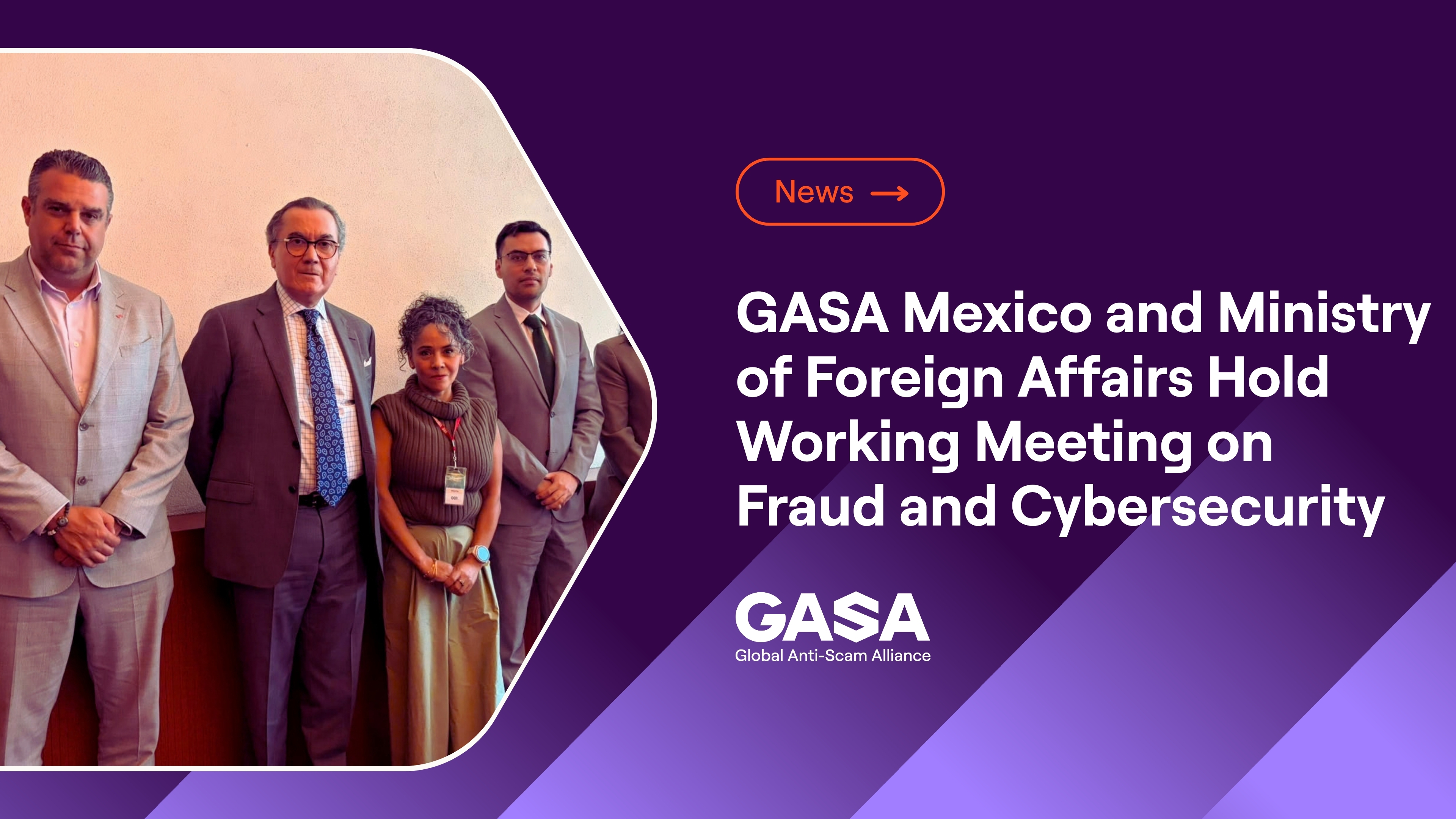
GASA Mexico and the Ministry of Foreign Affairs Hold Working Meeting Ahead of the Chapter’s Annual Forum, “From Coalition to Action”
GASA Mexico and the Ministry of Foreign Affairs convened Mastercard and Scotiabank to discuss fraud, cybersecurity, information sharing and emerging technologies.
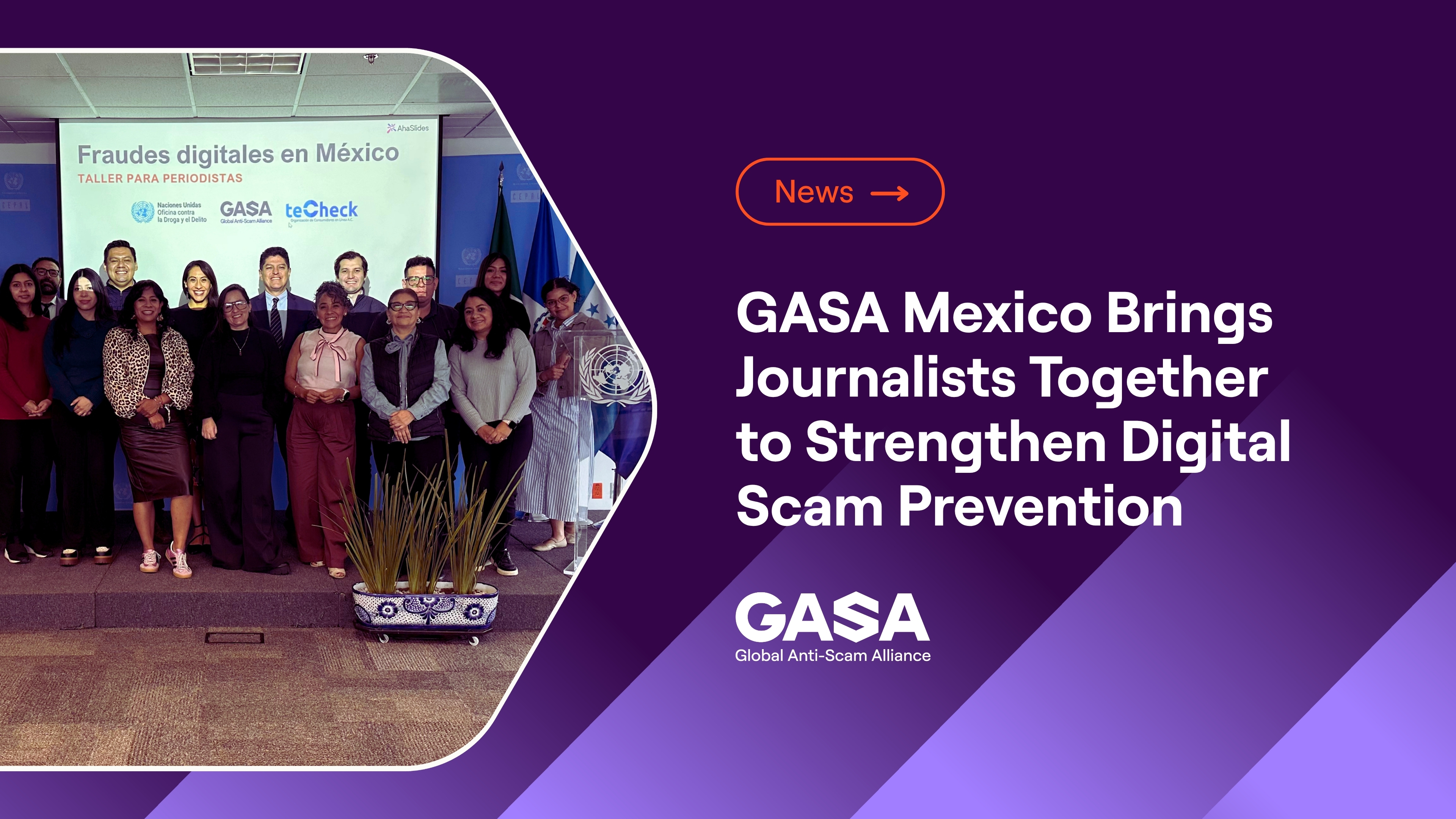
GASA Mexico Workshop Examines the Role of Journalism in Digital Scam Prevention
GASA Mexico brought together journalists and editors to discuss digital scams, victim-centred reporting and the role of media in scam prevention.
From Information Sharing to Intelligence Production: GASA Mexico in Forbes
Sissi de la Peña, Director of the GASA Mexico Chapter, examines in Forbes México what the U.S. memorandum on cyber operations against fraud networks means for the country.
BanCoppel joins the Global Anti-Scam Alliance to bolster fraud prevention and safeguard individuals entering the banking system.
BanCoppel has joined the Global Anti-Scam Alliance (GASA) as a Corporate Member of the GASA Mexico Chapter.
The emotions scammers exploit: how social engineering influences our decisions
How scammers use fear, urgency, excitement and trust to influence decisions, and how recognising these tactics can help people prevent fraud.

Global Anti-Scam Alliance Welcomes Mastercard as Founding Member of Its Mexico Chapter
The Global Anti-Scam Alliance (GASA) announces the membership of Mastercard as a Member of its Mexico Chapter.
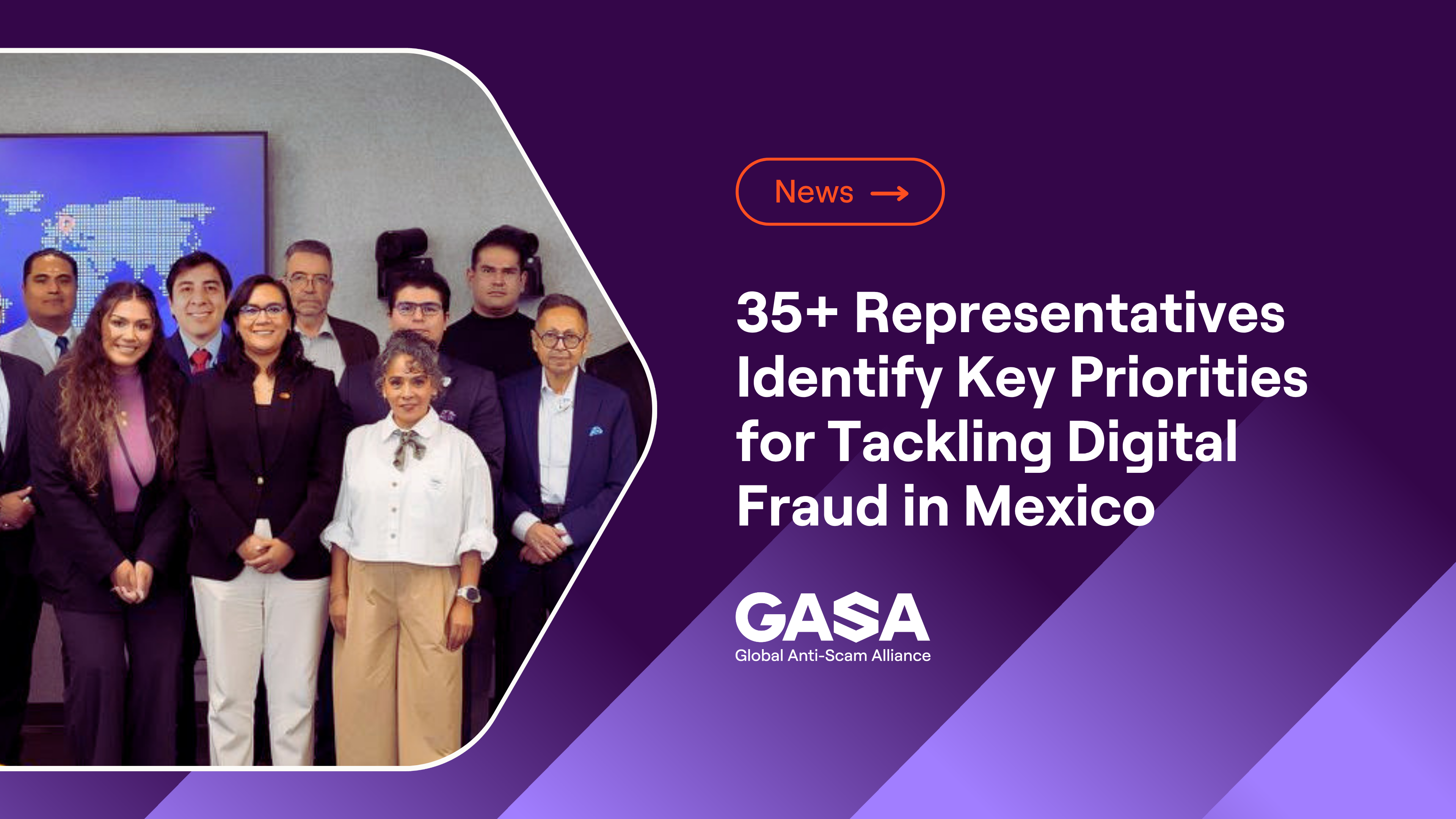
GASA Mexico's Second Roundtable Advances Coordinated Action Against Digital Fraud
GASA Mexico's second roundtable brought together more than 35 representatives to strengthen coordination across cybersecurity, fraud prevention and other sectors.