
Date of Event: 21 May 2026
Event: GASA Meet-Up
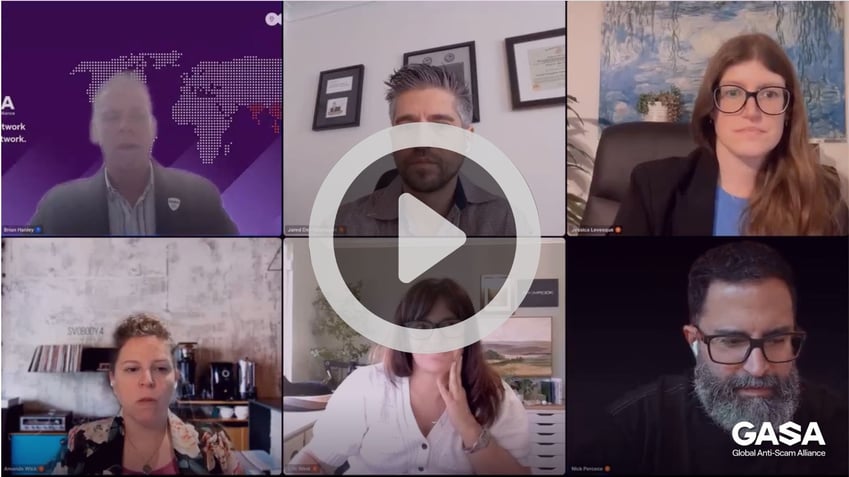
Crypto investment scams have become one of the fastest growingst-growing and most consequential forms of fraud globally. According to GASA's 2025 Southeast Asia Status of Scams Report, 63% of adults in the region experienced a scam attempt in the past year, with nearly one in four losing money. Investment scams ranked as the single most prevalent scam typology, contributing to an estimated $24 billion in losses over just twelve months — a figure widely considered conservative given chronic under-reporting. Critically, two-thirds of scams were completed within a single day of first contact, meaning these operations move faster than institutional coordination, faster than reporting systems, and often faster than victims can process what is happening.
On 21 May, the Global Anti-Scam Alliance (GASA) hosted a webinar bringing together leading voices from the crypto industry, law enforcement, compliance, and civil society to go beyond the statistics — examining how these criminal operations actually work, how victims are targeted, how funds move, and where cross-sector collaboration continues to fall short. The session was hosted by Brian Hanley, GASA's Regional Director for Asia and the Pacific, and drew on frontline intelligence from exchanges, prosecutors, and security standards experts operating across the globe.
Speakers:
Nick Kirk-Coco, Chief Security Officer – Kraken
Erin West, Founder – Operation Shamrock
Jared Der-Yeghiayan, Director of Investigations – OKX
Amanda Wick, Head of the Americas – VerifyVASP
Jessica Levesque, Executive Director – C4 (Cryptocurrency Certification Consortium)
The discussion surfaced several defining features of today's crypto scam landscape. Kraken's Nick Kirk-Coco outlined the three most common typologies seen at exchange level — law enforcement impersonation scams, pig butchering, and investment Ponzi schemes — all of which share a common thread: they are almost entirely social engineering, coaching victims to initiate transactions themselves. AI is accelerating this, with scammers now generating convincing court orders, identification documents, and photographs in minutes.
Aaron West, drawing on her first-hand visits to scam compounds in Cambodia and Myanmar, described an industrialised criminal ecosystem that pre-dates COVID and has since metastasised across Southeast Asia, Africa, and beyond — with operations now moving into jungles and smaller facilities powered by AI, requiring far fewer workers to cause far greater harm.
OKX's Jared Der-Yeghiayan noted that in 2025 alone his team serviced over 27,000 law enforcement requests, helped seize more than $77 million in assets across 126 jurisdictions, and assisted the US Secret Service in a $225 million pig butchering seizure — underscoring both the scale of the problem and the role exchanges can play when properly resourced.
Amanda Wick of VerifyVASP made the case that inconsistent travel rule enforcement — particularly the continued ability to send funds to unverified or fictitious beneficiaries — is one of the most correctable structural weaknesses in the system, with pre-transaction counterparty verification capable of driving impersonation scam losses toward zero.
Jessica Levesque of C4 closed with a corporate security lens, demonstrating through a fictional but realistic scenario how social engineering can compromise not just individual victims but entire organisational treasuries — and why distinguishing trust signals from verifiable security signals is essential training for anyone with access to cryptographic keys.
The session made clear that crypto investment fraud is not a cybersecurity problem, a financial crime problem, or a technology problem in isolation — it is an ecosystem challenge. Scammers operate as highly coordinated transnational enterprises, while the response remains fragmented across platforms, regulators, exchanges, banks, telcos, and law enforcement agencies that too rarely share intelligence in real time. GASA continues to build the infrastructure for that collective response, including through scam.org — a global platform for detection, reporting, and victim support — and its dedicated Enforcement Working Group. Speakers were united on the urgency: organised crime is meeting a disorganised response, and closing that gap requires not just better tools, but consistent regulation, mandatory training, stronger civil forfeiture frameworks, and the kind of cross-sector trust that events like this are designed to foster.
Watch the full discussion to learn how global regulators and law enforcement are tackling online gambling-related scams.

-3.jpg)
More than one in five adults in Japan encountered scams in the past year
New State of Scams Japan 2026 report examines how scams are reaching consumers and where stronger prevention and collaboration can make a difference
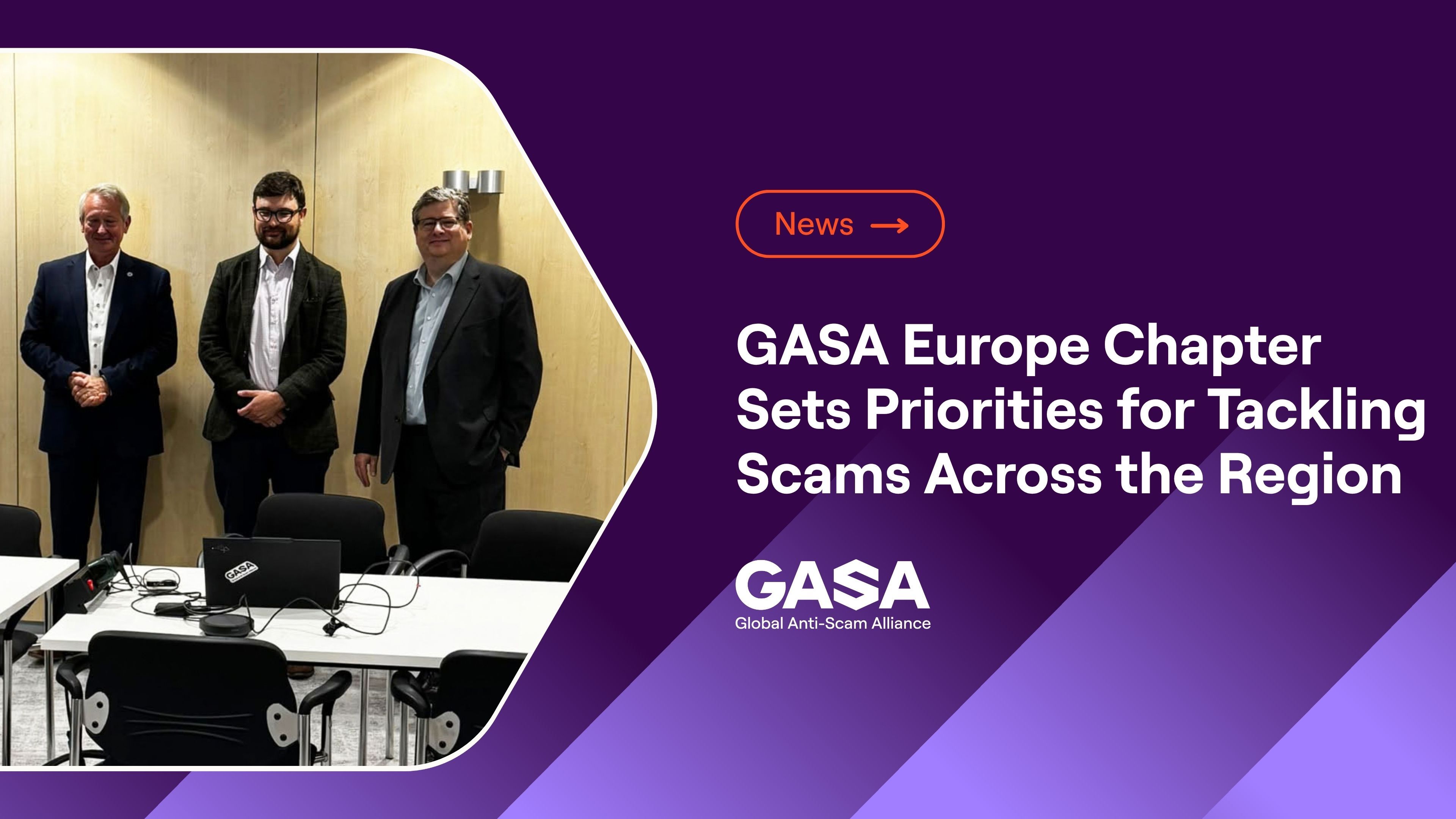
GASA Brings Stakeholders Together in Brussels for First Europe Chapter Meeting
GASA Europe brings 50+ stakeholders together in Brussels to discuss scam trends, data sharing and cross-sector priorities.
Research Working Group Meeting: Fraudulent Tickets and Robocall Scam Tactics
Research presented to GASA examines consumers’ ability to spot fraudulent tickets and tactics found across 4.49 million scam and spam robocalls.
-2.jpg)
Fighting Fraud Without Borders: Cross-Regional Collaboration in Latin America and Beyond
A roundtable at GASS America examined cross-regional collaboration in Latin America and beyond, focusing on fraud prevention, consumer protection and response.
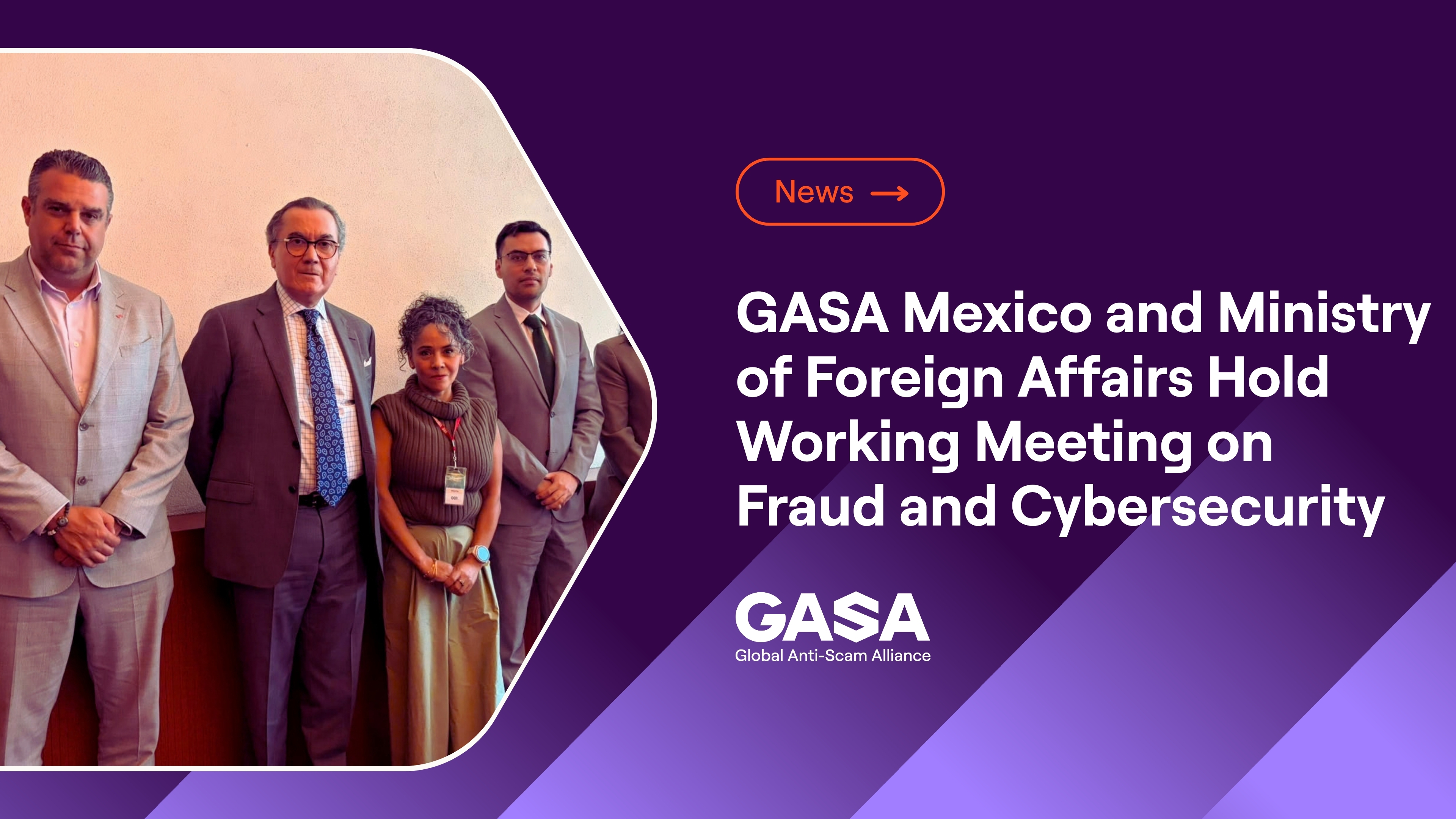
GASA Mexico and the Ministry of Foreign Affairs Hold Working Meeting Ahead of the Chapter’s Annual Forum, “From Coalition to Action”
GASA Mexico and the Ministry of Foreign Affairs convened Mastercard and Scotiabank to discuss fraud, cybersecurity, information sharing and emerging technologies.
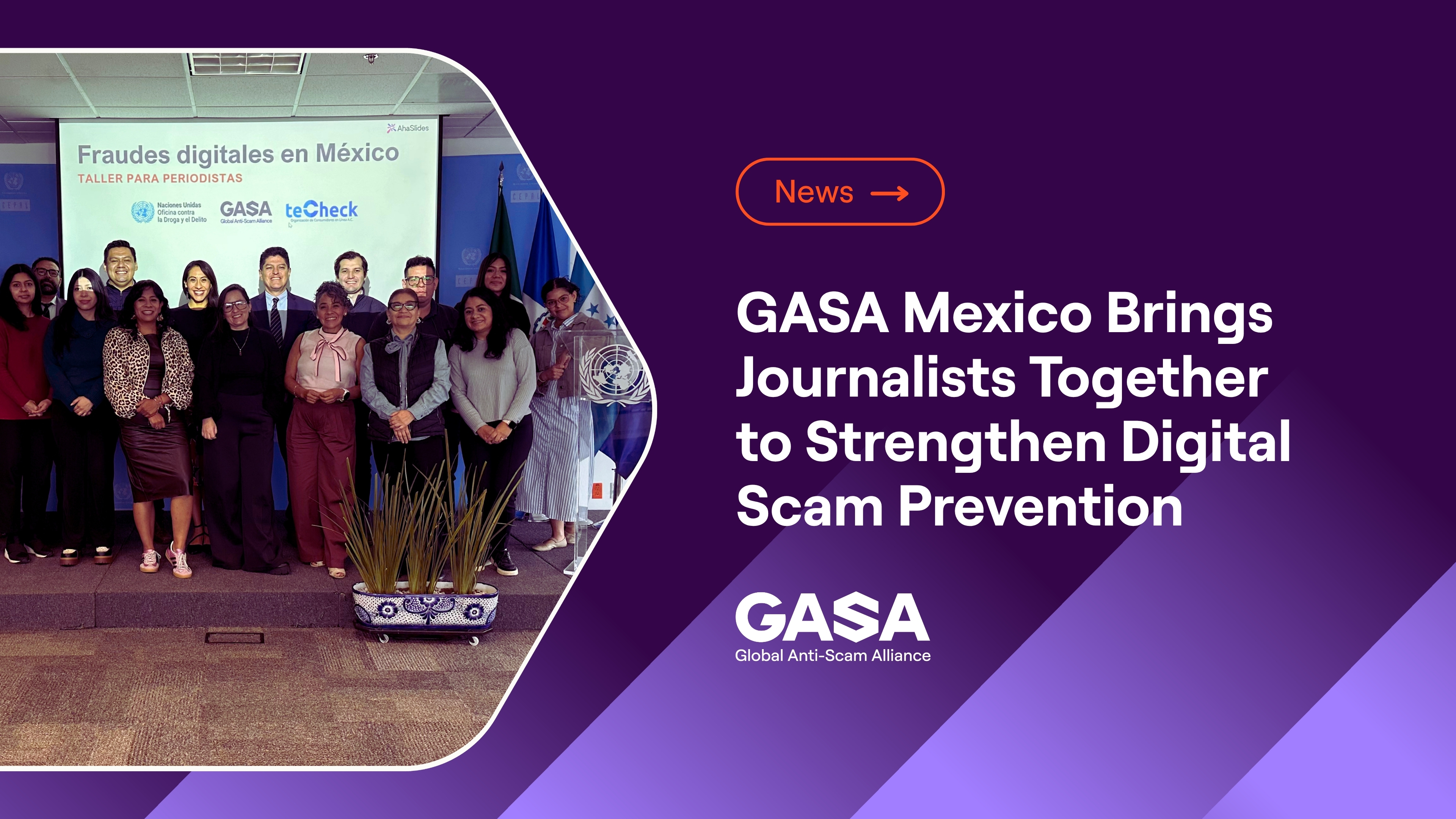
GASA Mexico Workshop Examines the Role of Journalism in Digital Scam Prevention
GASA Mexico brought together journalists and editors to discuss digital scams, victim-centred reporting and the role of media in scam prevention.

Brazil Anti-Scam Forum 2026: Key Takeaways on Strengthening Scam Prevention in Brazil
Key insights from the Brazil Anti-Scam Forum 2026 on scam trends, prevention, intelligence sharing and cross-sector collaboration.

GASA Consumer Education Working Group Develops 5-Step Response Plan for Scam Victims
GASA’s Consumer Education Working Group sets out a five-step response plan that organisations can use and share to support people affected by scams.