
Date of Event: 26–27 March 2025
Event: Global Anti-Scam Summit London 2025

The technology panel at the Global Anti-Scam Summit London 2025 brought together experts from leading organisations to examine how innovation can help counter scams more effectively.
Jonathan Frost from BioCatch explained how behavioural biometrics are used to detect account takeover attempts in digital banking channels, while Laura Gutman from Meta shared strategies around prevention, detection, and remediation on social platforms, including new uses of facial recognition to combat impersonation scams. Olivier Beaudet-Labrecque from ForenSwiss introduced the use of AI-powered decoy bots to capture fraudster payment information, enhancing real-time disruption efforts.
The panel highlighted how scammers adapt rapidly, with organised fraud evolving faster through technology. Discussions covered the urgent need for collaboration, scalable AI defences, real-time signal sharing, and creative disruption of scam networks.
Despite increasing threats, the panellists expressed optimism about private sector innovation’s role in building stronger technological safeguards. As one speaker summarised: "Scammers innovate — but so can we."
This session reinforced that while scams are escalating in complexity, coordinated and tech-driven responses offer a powerful path forward.


BanCoppel joins the Global Anti-Scam Alliance to bolster fraud prevention and safeguard individuals entering the banking system.
BanCoppel has joined the Global Anti-Scam Alliance (GASA) as a Corporate Member of the GASA Mexico Chapter.
The emotions scammers exploit: how social engineering influences our decisions
How scammers use fear, urgency, excitement and trust to influence decisions, and how recognising these tactics can help people prevent fraud.

Global Anti-Scam Alliance Welcomes Mastercard as Founding Member of Its Mexico Chapter
The Global Anti-Scam Alliance (GASA) announces the membership of Mastercard as a Member of its Mexico Chapter.
What Uganda’s IVR Trial Shows About Practice-Based Scam Prevention
A Uganda IVR trial shows how practice-based fraud prevention helped mobile money users reduce losses and increase reporting.
FTC’s Never EVER Campaign Helps Prevent Elder Financial Abuse With Simple, Specific Scam Warnings
The FTC’s Never EVER campaign uses simple, specific imposter scam warnings to help prevent elder financial abuse and support coordinated consumer education.
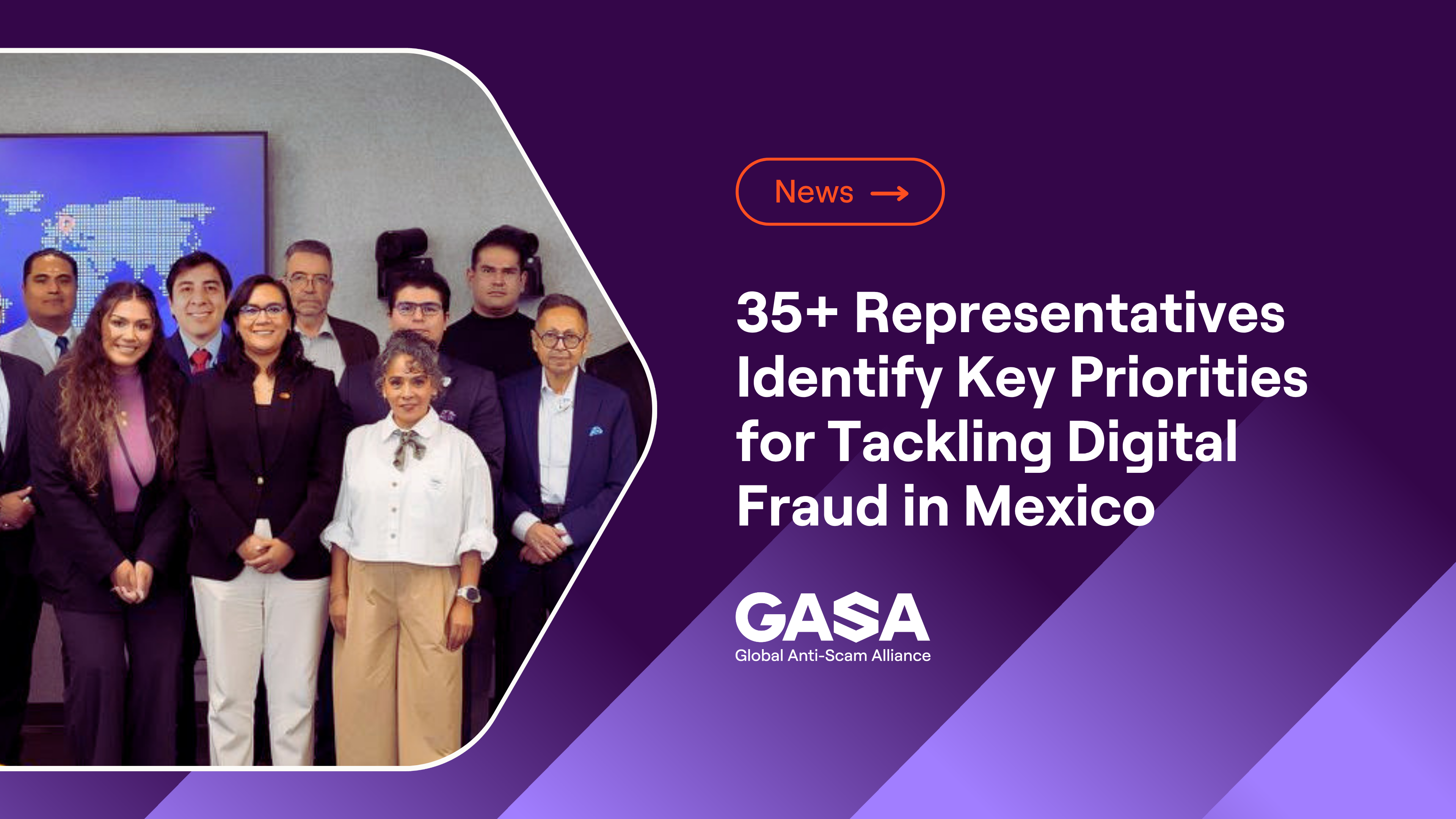
GASA Mexico's Second Roundtable Advances Coordinated Action Against Digital Fraud
GASA Mexico's second roundtable brought together more than 35 representatives to strengthen coordination across cybersecurity, fraud prevention and other sectors.

Cognyte Joins Global Anti-Scam Alliance to Fight Financial Fraud Threats
Cognyte, a global leader in investigative analytics software, today announced its membership in the Global Anti-Scam Alliance (GASA).
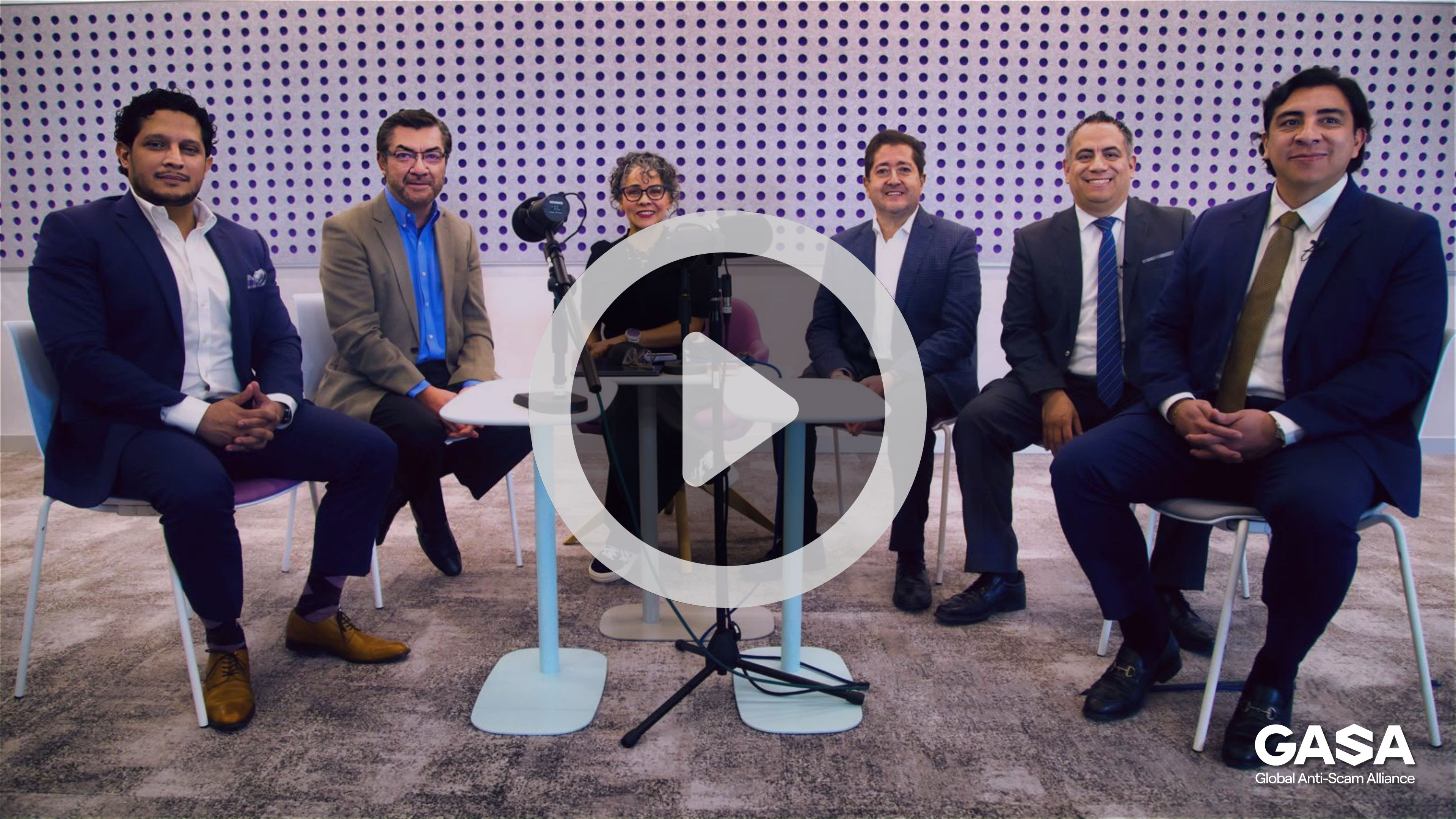
A network is beaten by a network: Mexico's banks move from remediation to prevention
GASA convened the ABM Fraud Committee and Mexican banks to advance the enriched agreement and strengthen coordinated fraud prevention across the sector.