

THE HAGUE, NL / The Global Anti-Scam Alliance (GASA), in collaboration with Iris® Powered by Generali, has released the State of Scams USA 2026 Report, highlighting the growing scale, sophistication, and impact of scams across the United States.
Based on a survey of 3,110 American adults, the report shows that 82% encountered a scam in the past year, underscoring how widespread and normalized scam attempts have become. Individuals are exposed to scams frequently, often as part of everyday digital interactions.
Despite this high exposure, 86% of Americans report feeling confident they can recognize a scam. However, this confidence is not translating into protection. 43% of those exposed interact with scammers, and 9% ultimately lose money or personal data, illustrating a persistent gap between perceived ability and real-world outcomes.
"The findings of this year’s State of Scams USA report make one thing clear: scams are no longer an occasional threat. They have become a daily reality for millions of Americans. As fraudsters continue to adapt their tactics and exploit new technologies, collaboration between industry, government, law enforcement, and consumer organizations has never been more important. Protecting consumers requires a coordinated response that is just as agile as the criminals we are fighting." — Jorij Abraham, Managing Director, GASA
Scam exposure is also affecting younger generations. 19% of parents report that their child has experienced a scam, highlighting risks beyond adult populations.
Some scam types prove more engaging than others. Shopping scams (20%), identity theft scams (18%), and unexpected money scams (18%) are among the most common interactions reported.
The impact extends well beyond financial loss. 59% of victims say scams affected their mental wellbeing, while 58% report being targeted more than once, highlighting the repeated and lasting nature of scam harm.
Reporting remains limited, constraining recovery and enforcement efforts. Only 4% of victims report scams to authorities, though reporting rises to 40% among those who lost money. Among those who report losses, 51% say they were reimbursed, indicating mixed outcomes depending on where and how scams are reported.
Paige Schaffer, CEO of Iris Powered by Generali, commented on the findings, “A key challenge that we have observed in the broader cybersecurity sector is user engagement. On average, we are finding that users do not employ all available protections, even when they have access to them. Whether this is because they don’t know about them, or are simply overwhelmed by the available options, a key problem we have been trying to solve is how to promote more engagement from customers when they are using these protection tools. Right now, one of our core focuses is integrating these services directly within services consumers use daily, boosting engagement while also expanding the use of cyber protections online.”
The findings highlight a growing gap between responsibility and effective protection, as scams continue to evolve faster than traditional prevention measures. GASA and Iris Identity Protection call for stronger collaboration between industry, policymakers, and law enforcement, alongside more proactive and scalable solutions to better protect consumers.
The report provides in-depth insights into scam exposure, victim behavior, payment methods, and prevention strategies.
The full report is available for download upon registration here:
About GASA
The Global Anti-Scam Alliance (GASA) is a non-profit organization whose mission is to protect consumers worldwide from scams. We realize our mission by bringing together policy makers, law enforcement, consumer authorities, NGOs, the financial sector, telecom operators, internet platforms and service providers, cybersecurity and commercial organizations to share insights and knowledge surrounding scams. We build networks in order to find and implement meaningful solutions.
More information: https://www.gasa.org
About Iris Powered by Generali
Iris® Powered by Generali, a Washington D.C. based company, is a B2B2C global identity and cyber protection company owned by the 190-year-old multinational insurance company, Generali, that is passionate about not just developing effective identity protection solutions but also integrating them into people’s lives in a meaningful and impactful way. Today, we partner with some of the world’s most well-known brands, protecting their people how they want to be protected, no matter where they are.
To learn more about Iris’ offerings, please visit http://www.irisidentityprotection.com.
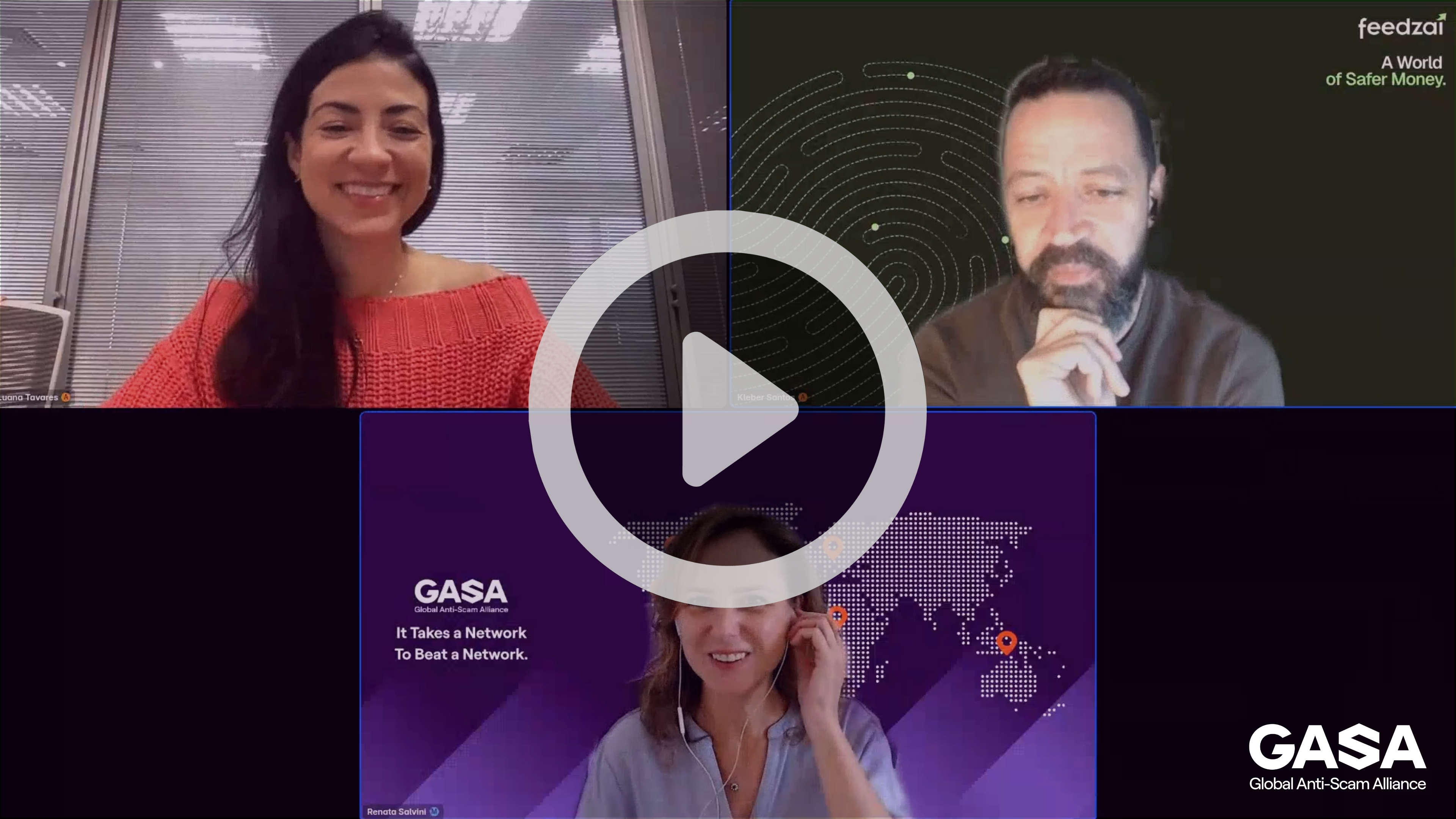
From Cyberattack to Scam: How Cybersecurity Protects Businesses and People
GASA Brazil experts discuss how cybersecurity, better data and cross-sector cooperation can prevent scams and disrupt criminal networks.
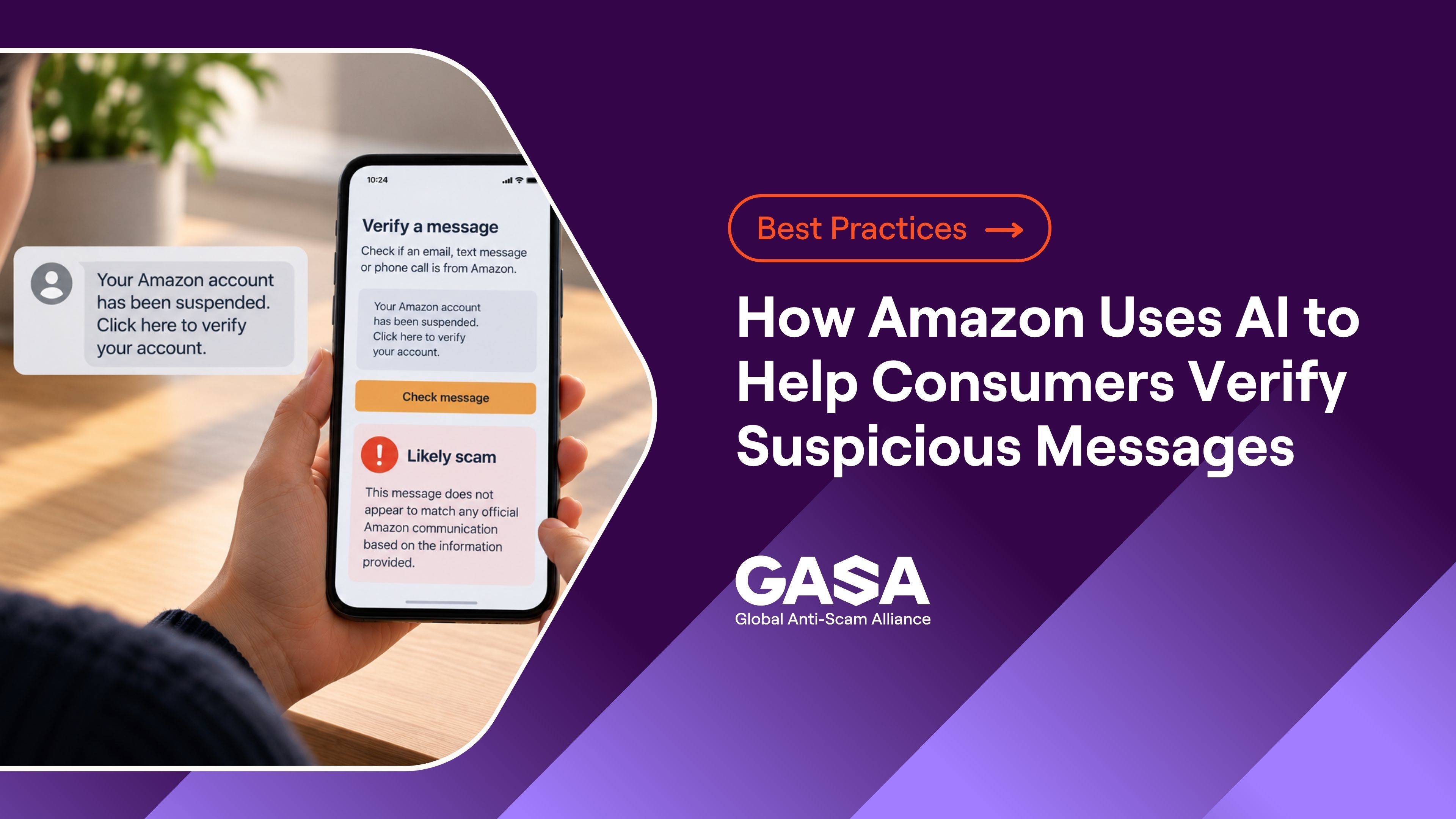
How Amazon Is Helping Consumers Verify Messages and Avoid Impersonation Scams
Explore how Amazon uses AI and outgoing communication records to verify suspicious messages and inform approaches to impersonation scam prevention.
Whoscall, GASA and Mastercard Release the 2026 Asia Scam Report: Hong Kong
More Than 80% of Hong Kong Respondents Encountered Scams; Phone Calls and SMS Remain the Leading Channels
Operation Serengeti III: How Collaboration Is Curbing Scams in Africa
INTERPOL’s Operation Serengeti III led to 1,462 arrests and recovered USD 105M+ across 21 countries. GASA was proud to support it as a partner.
71% of Adults Surveyed Across 13 Asian Markets Encountered Scams, with Estimated Losses of US$136.5 Billion
This study of 17,460 adults across 13 Asian markets shows that scam exposure is widespread, with 71% of participants encountering a scam in the past year. While 66% say they are confident in recognizing scams, 62% of those exposed went on to interact with a scammer. Ultimately, 9% lost money or personal information that led to financial loss, while only 4% reported a scam to the authorities. The findings highlight a significant gap between perceived scam awareness and real-world resilience.
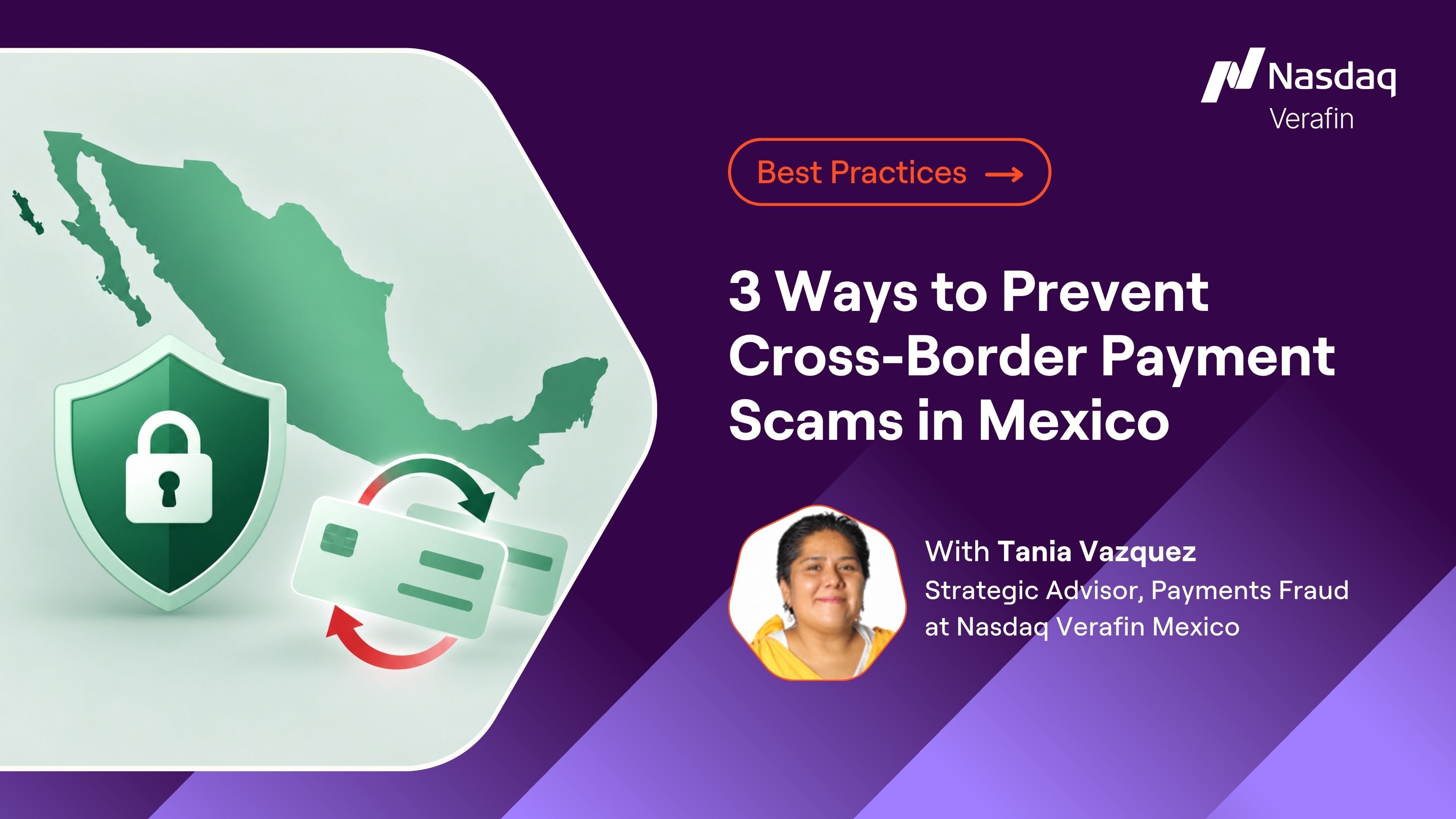
3 Ways to Prevent Cross-Border Payment Scams in Mexico
Learn three ways financial institutions can prevent cross-border payment scams in Mexico through intelligence sharing, payee transparency and real-time analysis.
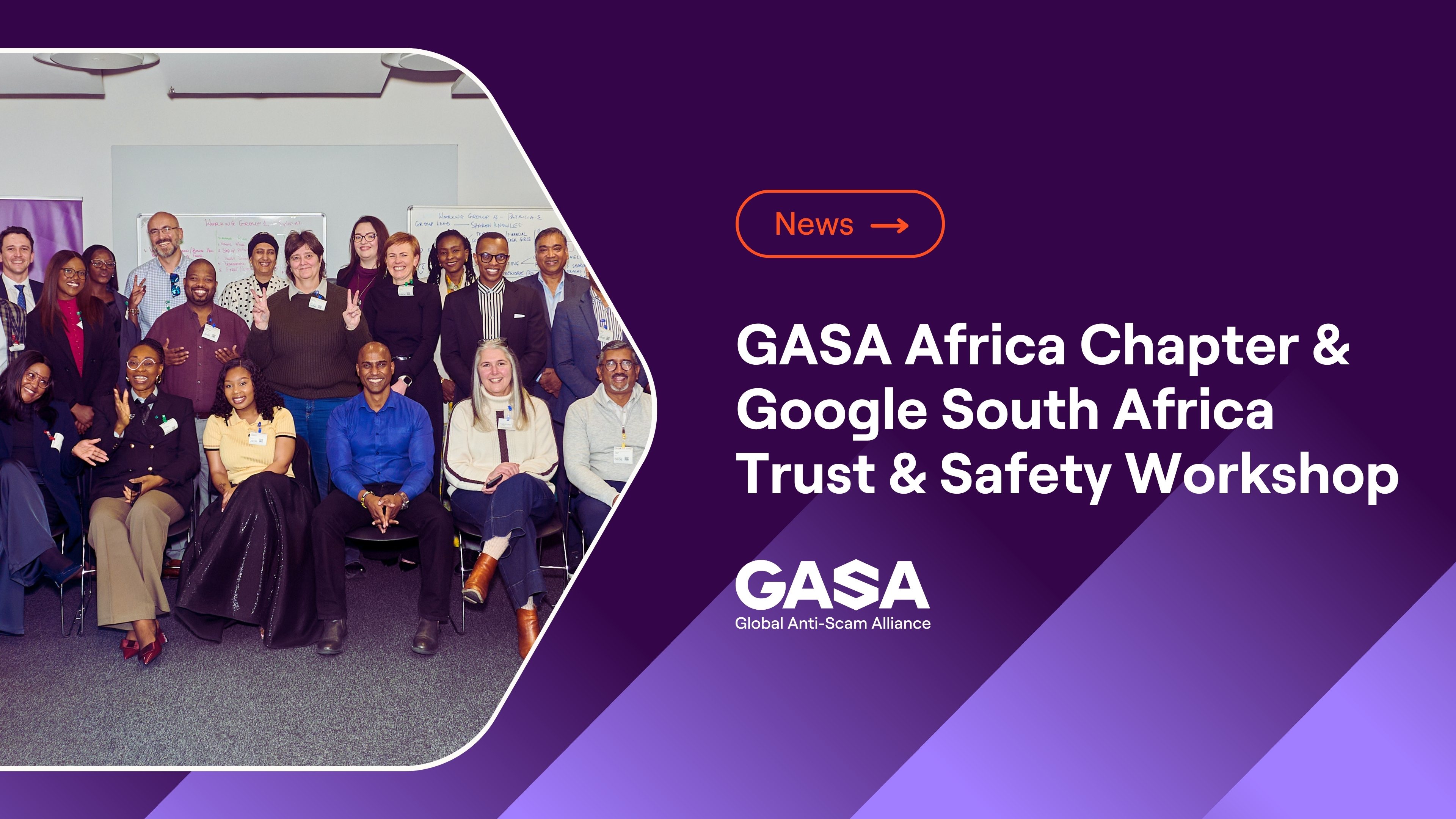
Accra Trust & Safety Workshop Turns Collaboration into Action Against Scams and Fraud in West Africa
GASA Africa Chapter and Google South Africa brought anti-fraud leaders together to strengthen cross-border cooperation and scam prevention.
State of Scams in Nigeria 2026: A Comparative Review Across Africa
Nigerian experts examine scam trends, technology, consumer protection and the need for stronger cross-sector collaboration.